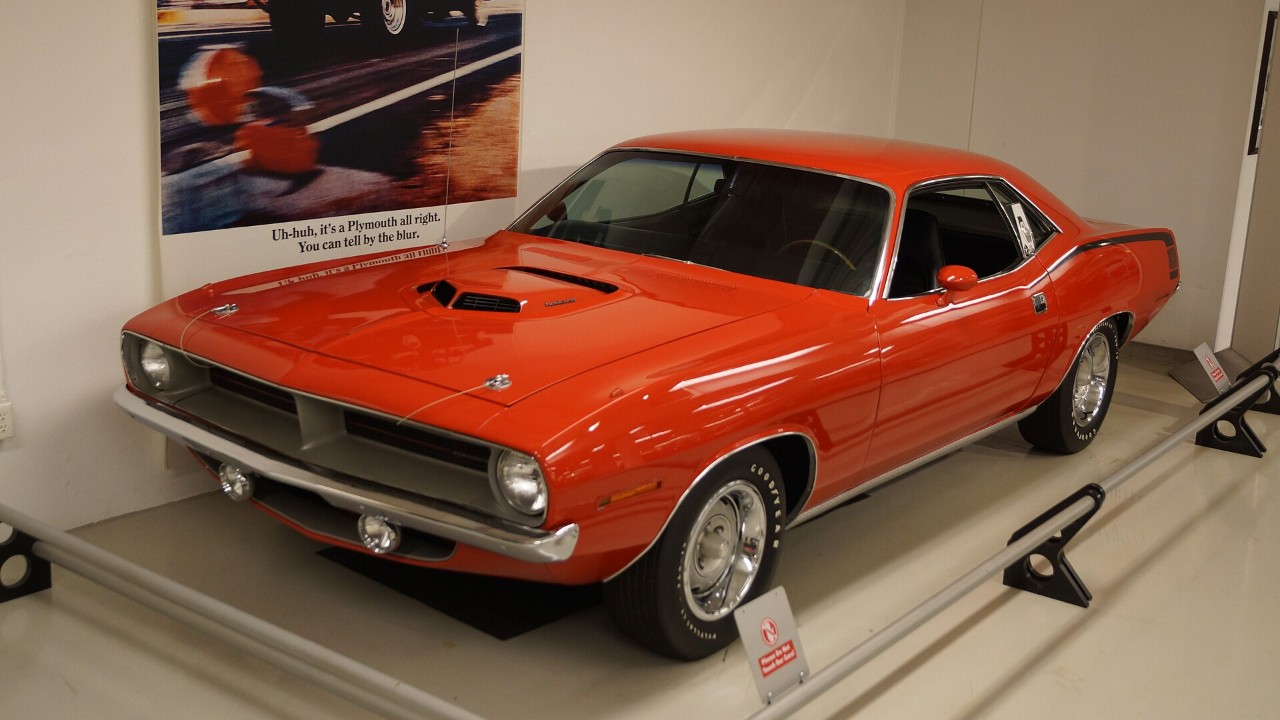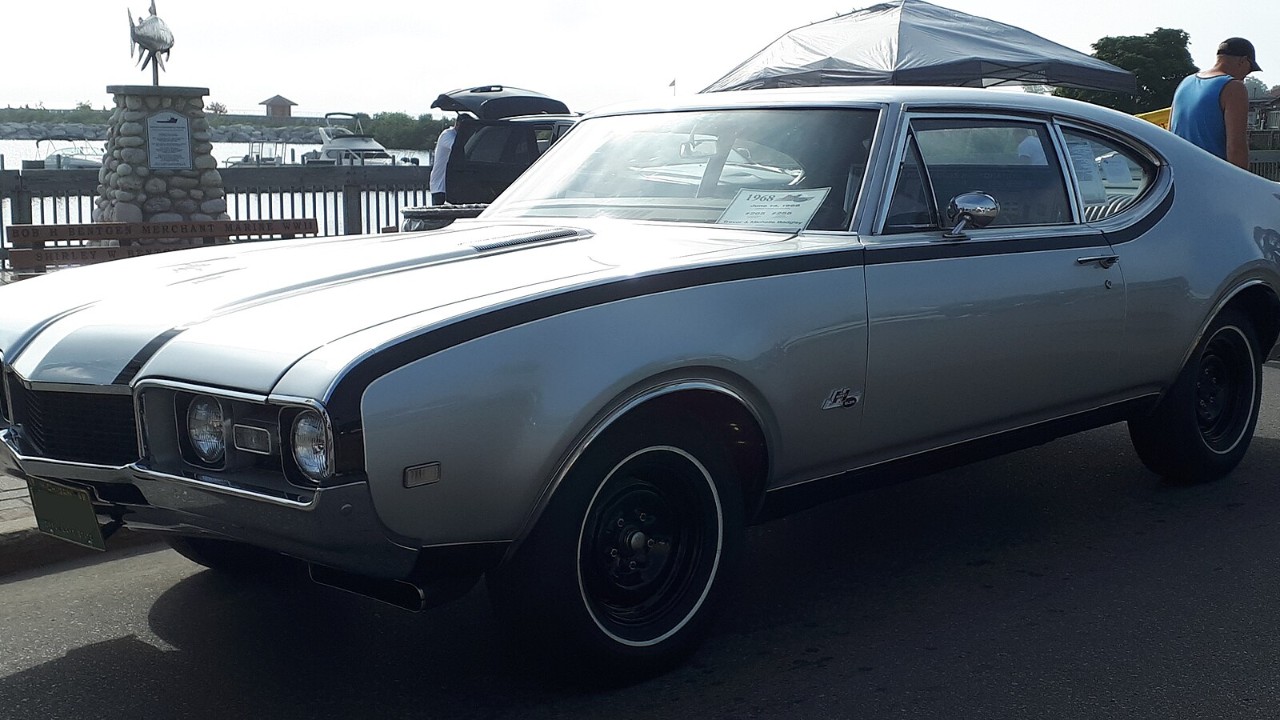
Hurst made its name with floor shifters, but its badge also went on whole cars. In the late 1960s and beyond, Detroit automakers sent finished cars to Hurst, or to shops working with it, and sold the results as Hurst edition models. Some were drag cars, some were luxury coupes, and one paced the Indianapolis 500.
These were not dealer-built specials. Each one started at a factory, and the automaker sold it as its own. Here are seven Hurst edition cars, in the order they arrived.
1. 1968 Hurst/Olds
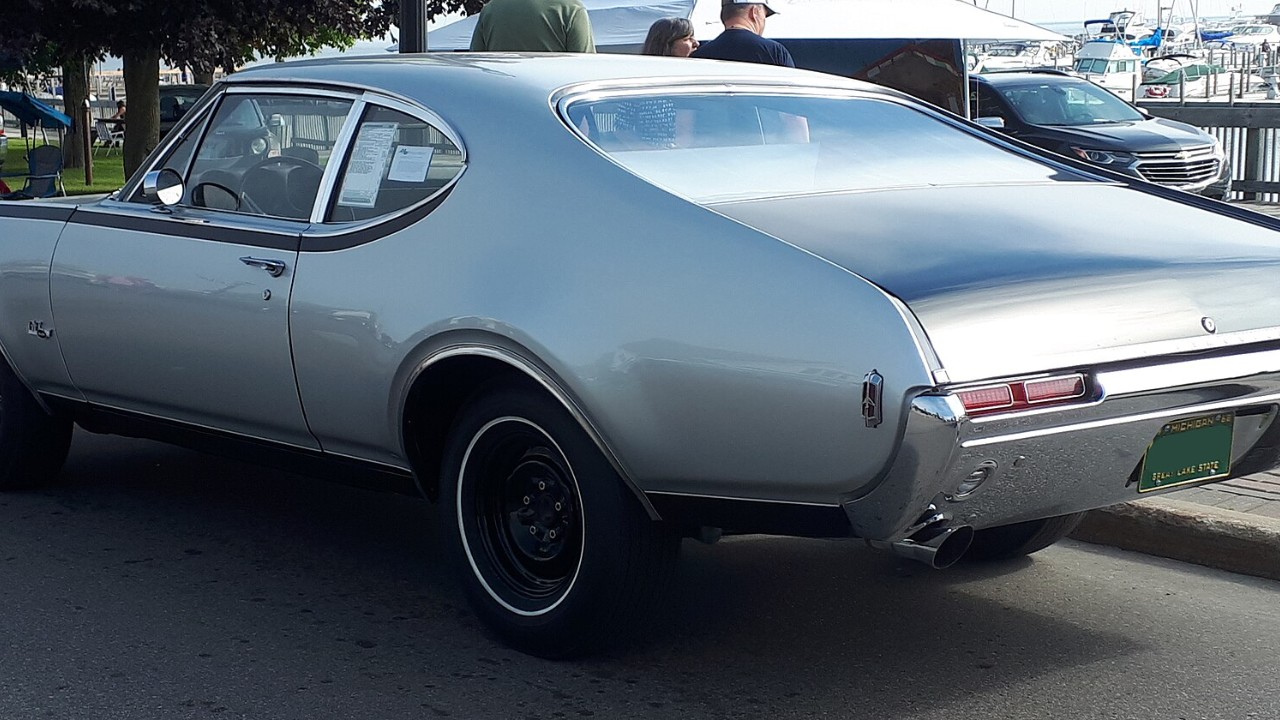
General Motors would not let Oldsmobile put its 455 in the 442, according to Old Cars Weekly. However, that didn’t stop George Hurst from trying it on his own. Old Cars Weekly says John Demmer of Lansing then assembled copies of Hurst’s car in his own facility.
The result had a 455 rated at 390 horsepower and 500 lb-ft of torque, a modified Turbo Hydra-Matic and a Hurst Dual-Gate shifter. Old Cars Weekly counts 515 cars for 1968. Of those, 451 started as 442 Holiday hardtops and 64 as 442 coupes, all with silver-and-black trim.
2. 1968 Dodge Dart Hemi (LO23)

Dodge built 80 of these drag cars, and all of them came from the Hamtramck Assembly Plant in Michigan, according to Dodge’s own history of the LO23 Darts. The cars then went to the Hurst facility in Madison Heights for conversion. There, Dodge says, the cars took heavy hammer blows to clear the Hemi’s right-side valve cover.
The 426 race Hemi ran a 12.5:1 compression ratio and two Holley 770-cfm four-barrels. Meanwhile, Dodge fitted fiberglass fenders and a fiberglass hood, deleted the heater and rear seat, and swapped the window cranks for seatbelt straps. As a result, Dodge lists a race-ready curb weight of 3,020 pounds. Dodge sold them “as is” without any warranty, and Plymouth had a Hemi Barracuda sister car.
3. 1969 AMC SC/Rambler
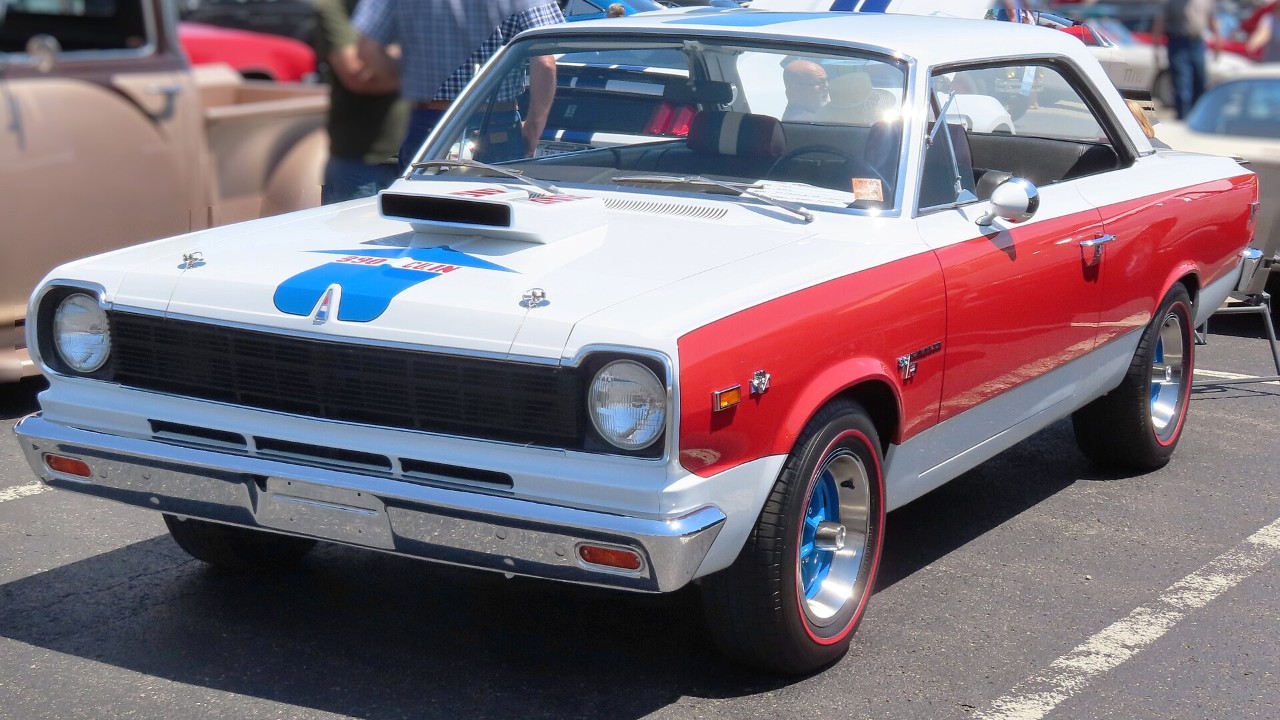
AMC’s loudest compact was Hurst’s idea. As Old Cars Weekly puts it, “Hurst actually thought up the idea and AMC bought it.” For power, the car packed a 390 V8, listed in the magazine’s spec table at 315 horsepower and 425 lb-ft.
Power went through a Borg Warner four-speed with a Hurst shifter to a 3.54:1 Twin-Grip rear axle. A huge hood scoop carried a blue arrow and the word “AIR.” AMC built 1,512, first in “A” trim and then in a mostly white “B” trim. On the track, Road Test magazine ran the quarter mile in 14.4 seconds at 100.44 mph.
4. 1970 Chrysler 300 Hurst Edition
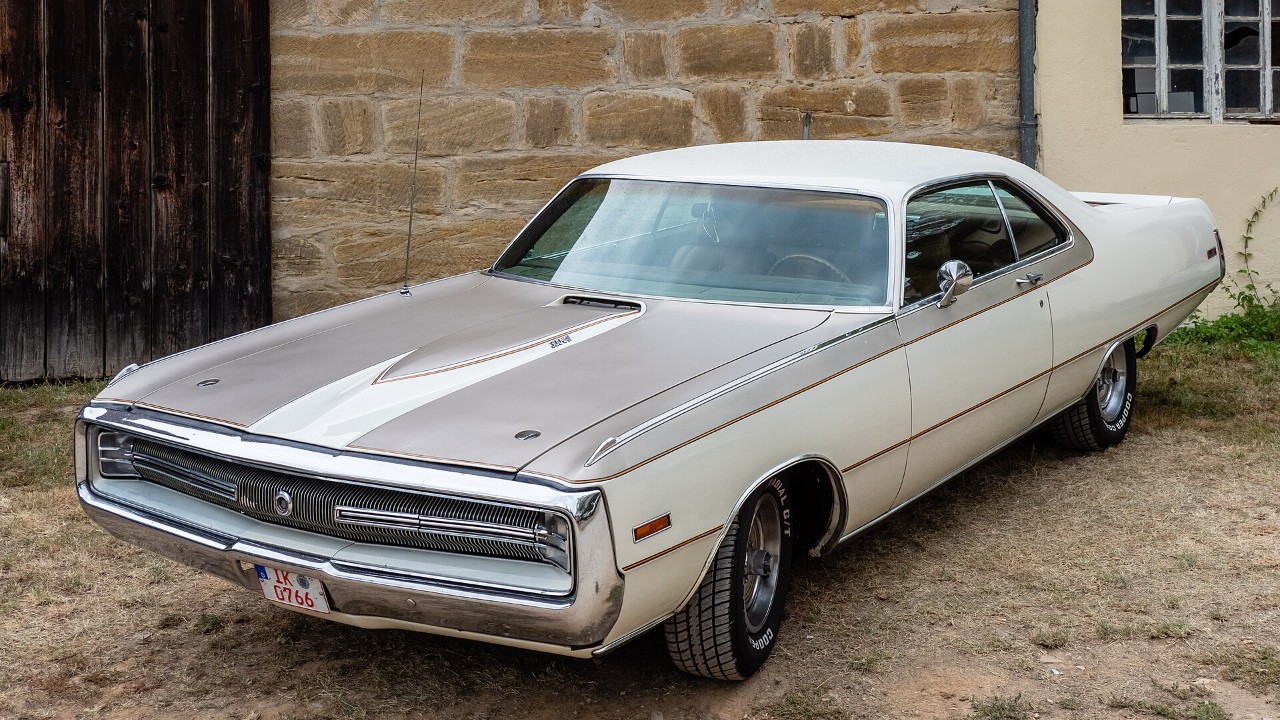
Chrysler built these coupes at its Jefferson Avenue plant in Detroit, according to Street Muscle. Then it shipped them to Hurst’s shop in Warminster, Pennsylvania. Every car started out Spinnaker White, and Hurst added Satin Tan accents on the hood, beltline, trunk and sides.
In addition, Hurst fitted a fiberglass hood with twist locks and a non-functional scoop, plus a deck lid with an integrated spoiler. Inside, all cars also had satin tan leather. Under the hood sat a 440 TNT rated at 375 horsepower with a TorqueFlite automatic. The consensus, Street Muscle says, is 501 built, at an MSRP of $5,939 before options.
5. 1970–1972 Pontiac Grand Prix SSJ
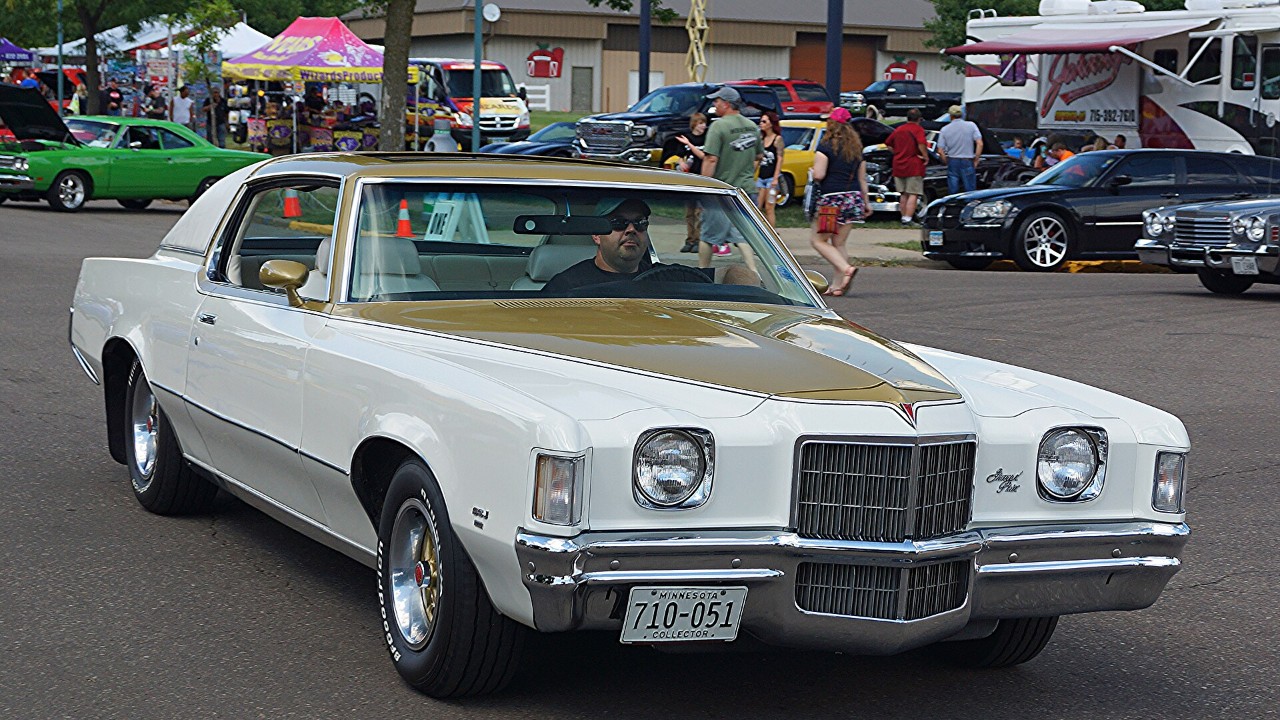
Pontiac built and painted these cars, then shipped them to Hurst for conversion. According to Old Cars Weekly, the work happened at a Hurst plant in Southfield, Michigan. Each SSJ wore Cameo White or Starlight Black with frost gold accents on the hood, window frames, roof and Rally II wheels.
Hurst then installed a landau-style half-top and an electric steel sunroof. By 1972, the hot engine was a 455 rated at 300 horsepower. Prices ran from about $5,132 in 1970 to around $5,617 in 1972. However, totals are soft: Old Cars Weekly says most sources suggest fewer than 500 in all, including only about 60 for 1972.
6. 1972 Hurst/Olds Indianapolis 500 pace car

Hurst came back to Oldsmobile for 1972, and this time the car led the field at Indianapolis. A Sports Car Market report says George Hurst stepped up to sponsor the pace car. It adds that Hurst was the first parts maker to get its name in the pace car title.
Meanwhile, production cars wore Cameo White with Fire Frost Gold reflective decals. Street Muscle lists 220 sunroof hardtops, 279 hardtops and 130 convertibles. That adds up to 629, which matches the total in the Sports Car Market report. Street Muscle rates the 455 at 270 net horsepower, or 300 with the W-30 package.
7. 1983 Hurst/Olds 15th Anniversary
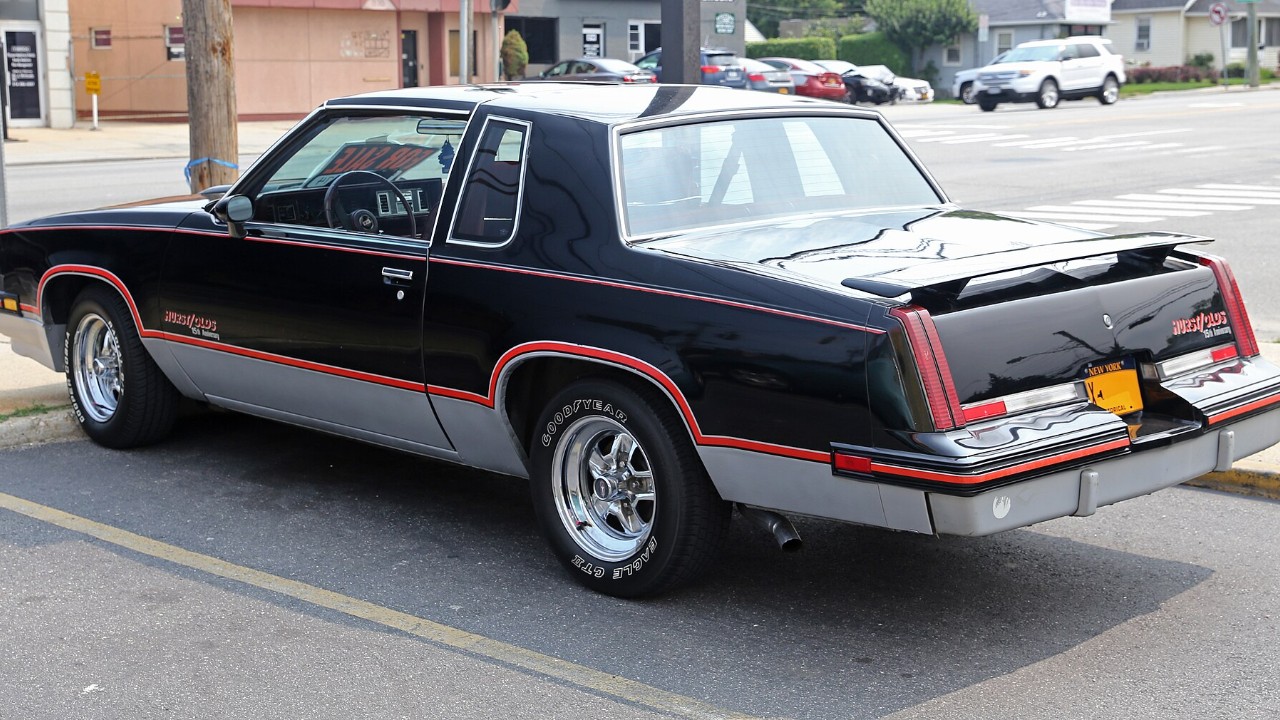
The Hurst/Olds returned in 1983 as a 15th Anniversary Edition. According to Silodrome, it carried a black and silver paint scheme with red accents. Its most famous part was the Hurst Lightning Rods shifter, with three levers that let the driver pick gears in the automatic by hand.
Under the hood sat a 307 High-Output V8 rated at 180 horsepower, plus 3.73 gearing. Demand also outran the plan. Silodrome says Oldsmobile first planned 2,500 cars, then capped the run at 3,001, while Street Muscle rounds it to 3,000. Finally, the Hurst/Olds came back once more for 1984.
More from Fast Lane Only
- Unboxing the WWII Jeep in a Crate
- 15 rare Chevys collectors are quietly buying
- 10 underrated V8s still worth hunting down
- Police notice this before you even roll window down
This article was created with the help of AI and was reviewed and edited by Fast Lane Only editors before publication.