Hybrid vehicles have gained traction in the automotive market, celebrated for their fuel efficiency and reduced environmental impact. As consumers consider these greener options, many are keen to understand the longevity of one of the vehicle’s most crucial components: the hybrid battery. Here, we explore the factors that influence hybrid battery life and what owners can realistically expect over the lifespan of their vehicle.
Understanding Hybrid Batteries
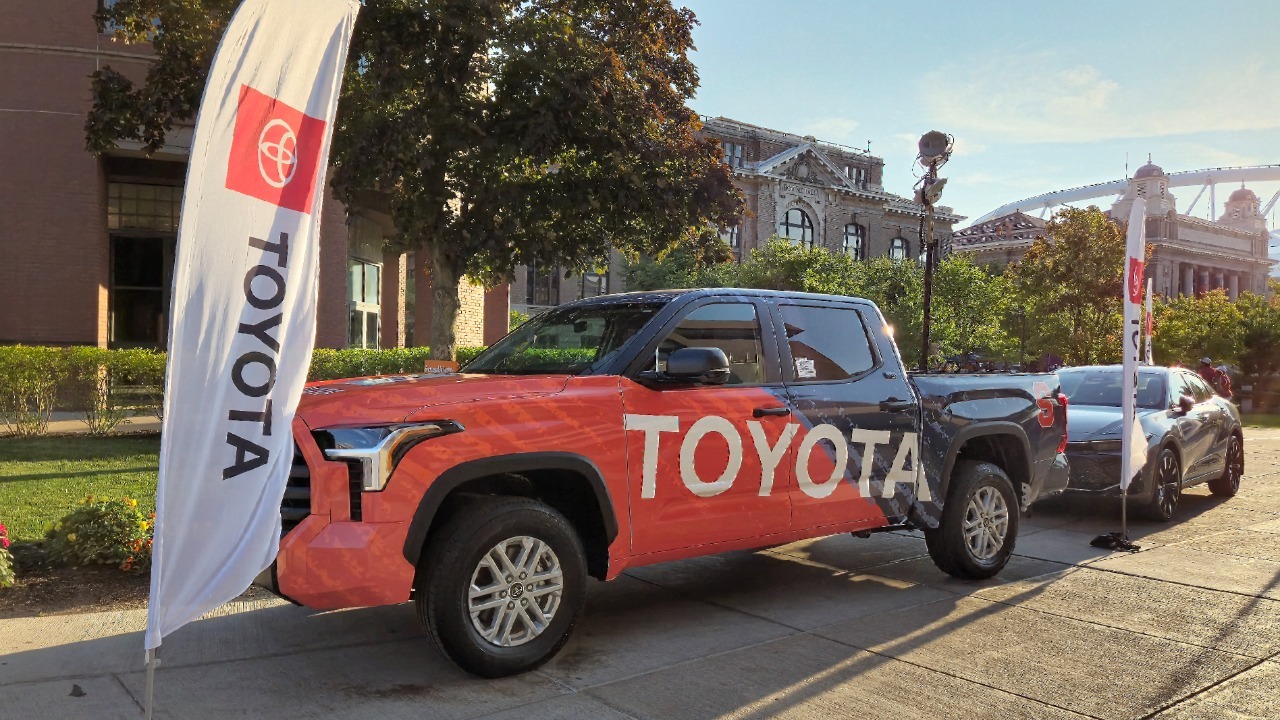
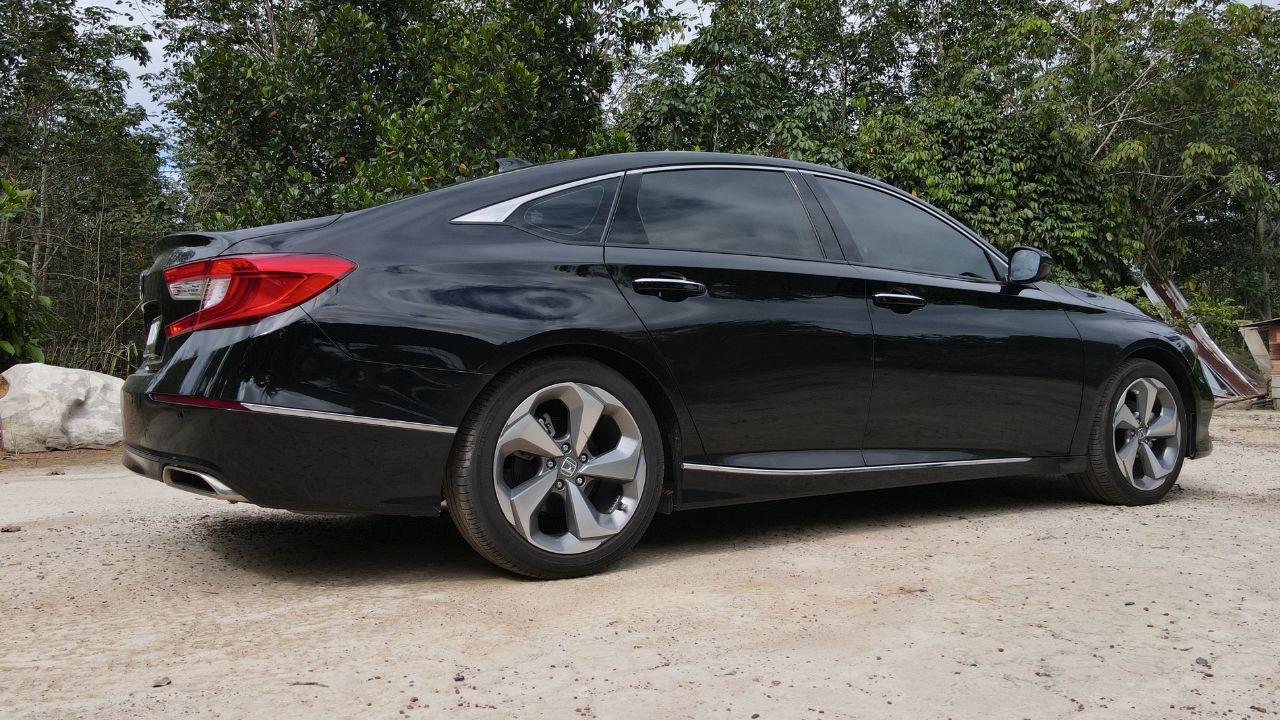
Hybrid vehicles primarily use two types of batteries: Nickel-Metal Hydride (NiMH) and Lithium-Ion (Li-ion). The Toyota Prius, for example, has long used NiMH batteries, which are known for their durability and reliability. On the other hand, models like the 2020 Honda Accord Hybrid employ Li-ion batteries, which are lighter and offer higher energy density, improving overall vehicle efficiency.
These batteries function in tandem with traditional gasoline engines, providing power for electric components and assisting in propulsion. In a model like the 2019 Ford Fusion Hybrid, the battery can drive the car at low speeds and assist the engine at higher speeds, optimizing fuel usage. Key components of hybrid batteries include cells that store energy, a cooling system to manage temperature, and a battery management system to ensure efficient operation and safety.
Factors Affecting Battery Life
Driving habits significantly impact hybrid battery longevity. For instance, frequent short trips or aggressive driving can reduce battery life due to the constant cycles of charging and discharging. The 2021 Toyota Camry Hybrid, when driven conservatively and maintained well, can see its battery last longer than average.
Environmental conditions, such as extreme temperatures, also play a crucial role. Batteries in regions with harsh winters or scorching summers, like a 2018 Hyundai Ioniq Hybrid operating in Arizona, may degrade faster. Regular maintenance, including checking the battery cooling system and ensuring software updates, is vital in extending battery life. Keeping the battery at optimal charge levels and avoiding full discharges can also help prolong its lifespan.
Manufacturer Warranties and Expectations
Most manufacturers offer warranties that provide peace of mind for hybrid battery life. Toyota, for example, offers an 8-year or 100,000-mile warranty on hybrid batteries, ensuring coverage for models like the 2017 Toyota RAV4 Hybrid. However, warranties can vary, with some manufacturers offering up to 10 years or 150,000 miles, reflecting confidence in their battery technology.
In practice, many hybrid batteries, such as those in the 2016 Chevrolet Volt, can last well beyond their warranty periods, often reaching up to 150,000 miles or more under ideal conditions. Manufacturers continue to innovate, with advancements such as improved battery chemistry and enhanced thermal management systems, aiming to extend battery life even further. The 2023 Kia Niro Hybrid, for instance, benefits from such innovations, offering drivers more confidence in battery longevity.
Signs of Hybrid Battery Degradation
As hybrid batteries age, certain signs can indicate declining efficiency. Reduced fuel economy, decreased electric-only range, or frequent charging are common indicators. A 2022 Ford Escape Hybrid may show these signs as its battery nears the end of its useful life.
Diagnostic tools, such as the Hybrid Assistant app, can be used to assess battery health, providing detailed information on battery performance and potential issues. When a hybrid battery begins to degrade significantly, it may be time to consider replacement, especially if the vehicle, like a 2015 Lexus CT 200h, starts exhibiting performance issues or fails to hold a charge effectively.
Cost Implications of Battery Replacement
Replacing a hybrid battery can be a significant investment, with costs ranging from $1,000 to $6,000, depending on the make and model. For instance, replacing the battery in a 2020 Hyundai Sonata Hybrid might be more affordable than in a luxury hybrid model. It’s essential to weigh the costs against the benefits of continued vehicle use, considering factors like improved fuel economy and reduced emissions.
Alternative solutions, such as battery reconditioning or recycling, can offer cost-effective options for extending battery life. Reconditioning, which involves restoring battery capacity, can be a viable option for models like the 2025 Toyota Sienna Hybrid, providing a balance between cost and performance. Recycling initiatives also contribute to sustainable practices, reducing the environmental impact of battery disposal.
More from Fast Lane Only: