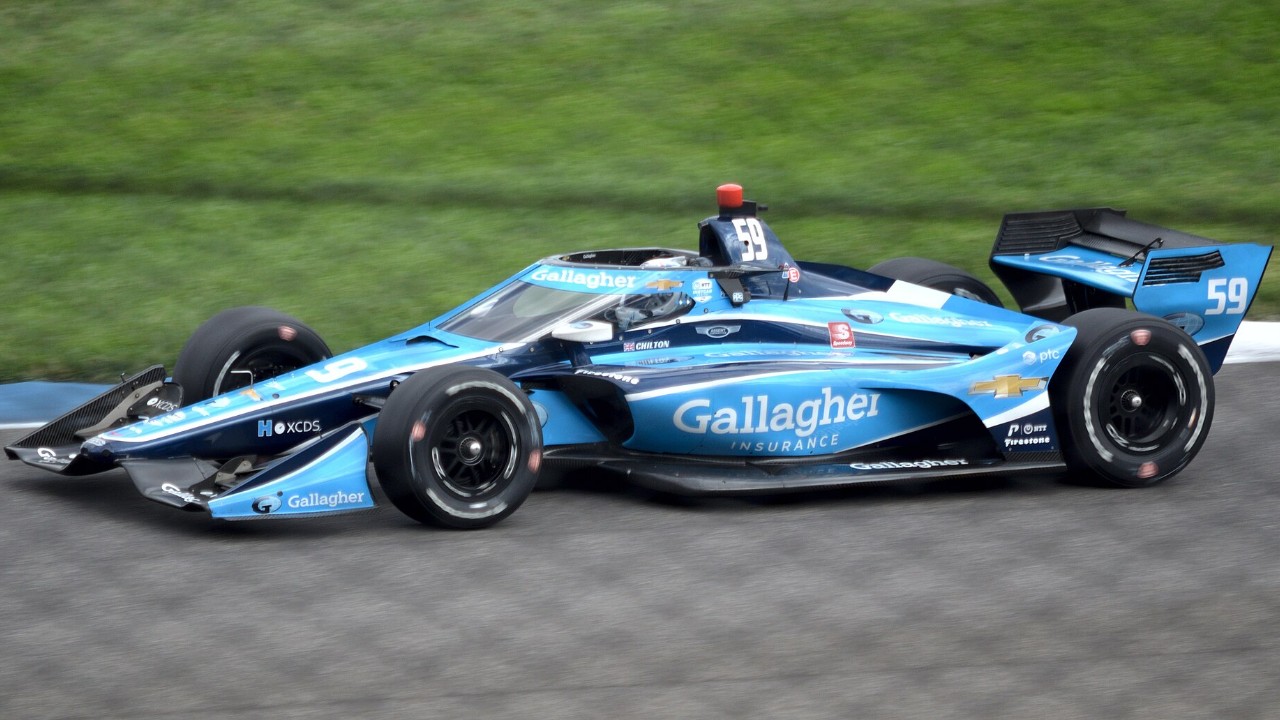
IndyCar’s next car has left Indianapolis for the first time. The IndyCar IR-28 ran 177 laps over two days at Sebring International Raceway in Florida on October 12 and 13. Meanwhile, Dallara has started building production chassis for the 2028 season.
The 177 figure is a simple sum of two official numbers. Alex Palou ran 43 laps on Monday, October 12, and Alexander Rossi turned 134 more on Tuesday, October 13. They are the only two series drivers to have tested the car so far.
Sebring was a deliberate choice. Its bumpy mix of asphalt and concrete is a stand-in for the temporary street circuits. Those made up about a third of the 2026 schedule.
Why the IndyCar IR-28 went to Sebring
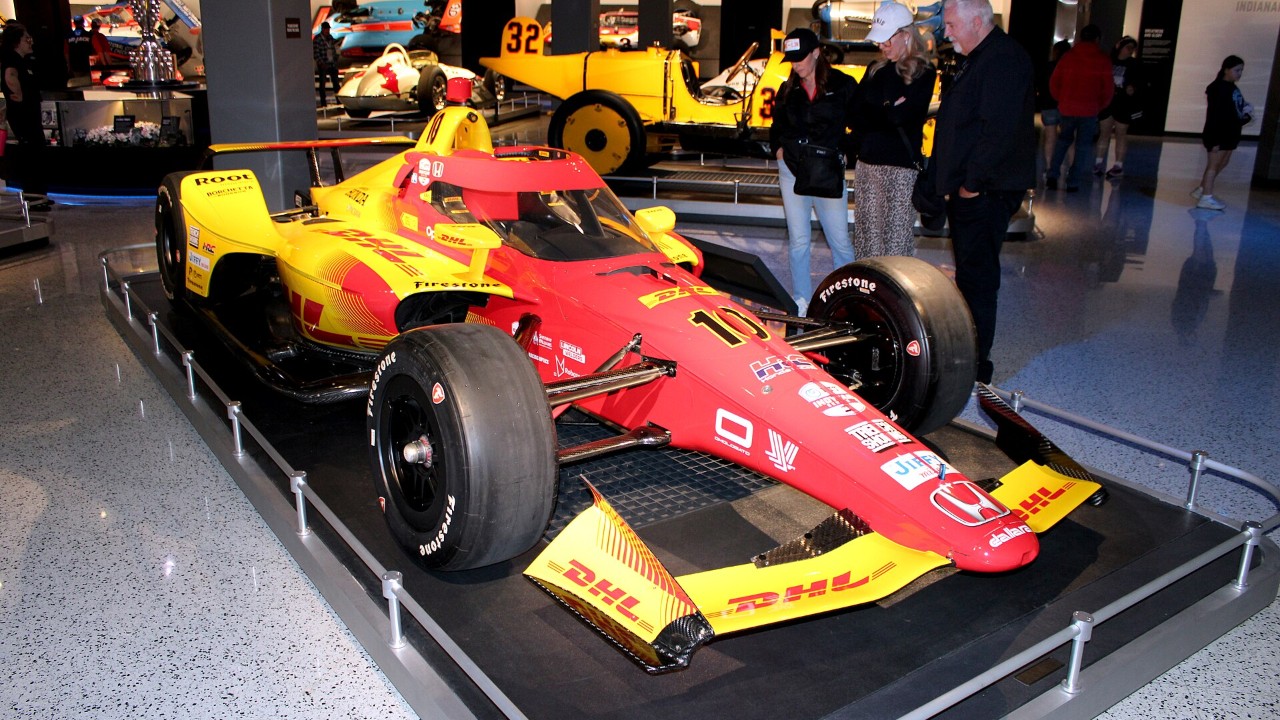
Until October 12, every IndyCar IR-28 test had run at Indianapolis Motor Speedway. According to IndyCar’s report on Rossi’s day, the car ran there in August and September. It used both the 2.439-mile, 14-turn road course and the 2.5-mile oval.
At Sebring, the job changed. Earlier tests confirmed that the systems worked. Now the focus moved to how the package holds up over long runs on a rough surface. Palou put it plainly. He wanted to “test it as tough as we can” and “see what breaks so we can fix it,” he told IndyCar.com.
Sebring also brings a lot of data. Teams test there often, so engineers can compare the new car against years of laps in the current one. According to IndyCar, all systems performed as expected.
Cooling, comfort and a first pass
Cooling was a major focus. The current car got extra ducting in 2020, when the aeroscreen arrived. By contrast, the IR-28 has its ducts designed into the original bodywork. Palou pointed to a large front duct and called the cooling gain since the Indianapolis tests a “huge step.”
Rossi agreed the next day. “Cooling-wise, we made a pretty big step in this test, in particular,” he said. He also described the difference in cockpit comfort and drivability as “night-and-day.” In addition, he said the car “generates more grip in high-speed corners.”
Palou’s day also produced a small milestone. Kyle Kirkwood of Andretti Global was at Sebring in a current car, testing Firestone tires with Team Penske’s Scott McLaughlin. Palou passed Kirkwood, which was the IR-28’s first on-track pass. It was not scripted, though. The two drivers agreed at lunch to run together that afternoon, so they could see how the new car handled traffic.
The drivers behind the testing
The two test drivers come from rival camps. Palou is the five-time and reigning IndyCar champion, driving Honda-powered cars for Chip Ganassi Racing. Rossi, the 2016 Indianapolis 500 winner, drives full-time for Chevrolet-powered ECR. IndyCar picked the same pair for both Indianapolis tests.
Palou said his earlier feedback on driver comfort and braking had been acted on. He also said he likes how the car looks. Beyond that, he believes it is safer and will let drivers follow each other more closely. “This car, in so many ways, is a pretty big upgrade from what we have,” Rossi added.
Dallara starts IR-28 production
The build has also begun. Dallara has started production of the IndyCar IR-28, RACER’s Marshall Pruett reported on October 15. Six tubs are complete, with more in progress. The tub is the main structure that holds the driver and carries the drivetrain and suspension.
Chevrolet and Honda expect their first cars in November, RACER says. However, neither will run them on track until next spring. Both makers will use new 2028-spec 2.4-liter twin-turbo V6 engines. Until then, testing uses a 2022-era Ilmor engine as a mule. That engine retires once Chevrolet and Honda start their own track work.
Most of the car has now been validated at Indianapolis and Sebring, according to RACER. Meanwhile, straight-line runs on a two-mile runway in Florida continue. A few small parts can still be redesigned. “Honda and Chevy will be getting cars soon,” said Mike O’Gara, IndyCar’s vice president of competition and race engineering.
When the new car races
The IR-28 replaces the DW12. Still, fans have a wait ahead. Palou said he wishes it were already 2027, but he said the extra time allows more development.
IndyCar has more scheduled testing still to come. The car makes its race debut at the start of the 2028 NTT IndyCar Series season, according to the series.
More from Fast Lane Only
- Unboxing the WWII Jeep in a Crate
- 15 rare Chevys collectors are quietly buying
- 10 underrated V8s still worth hunting down
- Police notice this before you even roll window down
This article was created with the help of AI and was reviewed and edited by Fast Lane Only editors before publication.