The 1968 Chevelle SS sits at a crossroads of muscle car history and modern collector money, which makes the line between authentic Super Sport and convincing clone more important than ever. I want to walk through how buyers can separate real SS cars from tribute builds, protect their budgets, and still enjoy the driving experience that made these Chevelles legends in the first place.
Why 1968 Chevelle SS values push buyers toward clones
Market prices for genuine 1968 Chevelle SS cars keep climbing, so many shoppers now face a choice between a documented Super Sport and a well executed clone. I see that shift reshaping expectations, because buyers who once insisted on factory SS equipment now often prioritize condition, drivability, and visual impact over pedigree. Rising values for original big block cars, especially those with strong documentation, encourage owners to treat them as investments, which pushes enthusiasts who want to drive hard toward less expensive tributes that still look and feel like an SS on the road.
That split in the market creates two parallel paths, and each path demands a different mindset. A real SS with matching numbers and paperwork usually attracts collectors who care about originality and long term appreciation, while a clone often appeals to drivers who want the sound and stance without the six figure price tag. I find that tension shapes negotiations, because sellers of clones sometimes lean on cosmetic upgrades to justify near SS money, even when the underlying car started life as a modest Malibu. Careful buyers respond by asking sharper questions about documentation, driveline authenticity, and how closely the build follows factory SS specifications, then they use those answers to anchor realistic offers that reflect the car’s true status.
Core identifiers that separate a real SS from a tribute
The first step in sorting real from clone involves decoding the basic identifiers that Chevrolet used in 1968, starting with the VIN and cowl tag. I always begin with the VIN plate on the driver side A pillar, because it tells me the assembly plant and body style, then I compare that information with the cowl tag on the firewall to confirm that the body configuration matches the VIN description. That cross check helps reveal rebody jobs or swapped tags, which sometimes appear on cars that claim SS heritage but show inconsistent build information once you decode the numbers.
After I verify the basic identity, I move to the drivetrain and look for matching numbers on the engine pad and transmission case. A true 1968 Chevelle SS 396 should carry a big block engine with a suffix code that aligns with SS applications, and the partial VIN stamp on the block should match the car’s VIN sequence. I also inspect the rear axle code, since Chevrolet used specific ratios and carriers on SS cars, especially those ordered with performance packages. When those codes line up with period correct SS data, and the casting dates fall shortly before the build date on the cowl tag, I gain confidence that the car retains its original or at least correctly dated components rather than later replacements.
Factory SS equipment and visual tells buyers should know
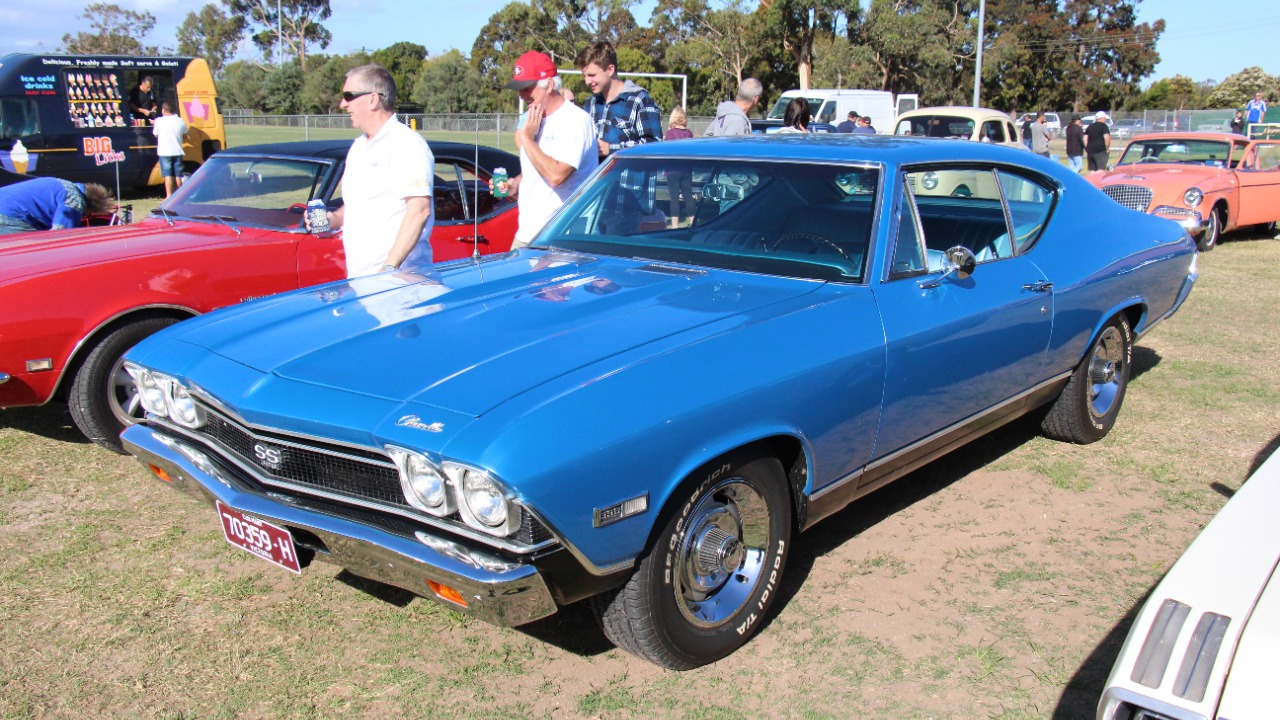
Beyond numbers, the 1968 Chevelle SS carried distinct hardware that helps me judge authenticity, even when paperwork looks thin. I pay close attention to the front suspension and brakes, because real SS cars often received heavier duty springs, specific sway bars, and power front disc brakes that many base models lacked. Inside the cabin, I look for details like the correct round gauge cluster, SS badging on the dash and door panels, and trim combinations that match the build date and plant, since mismatched interiors can signal a color change or parts swapping during a clone build.
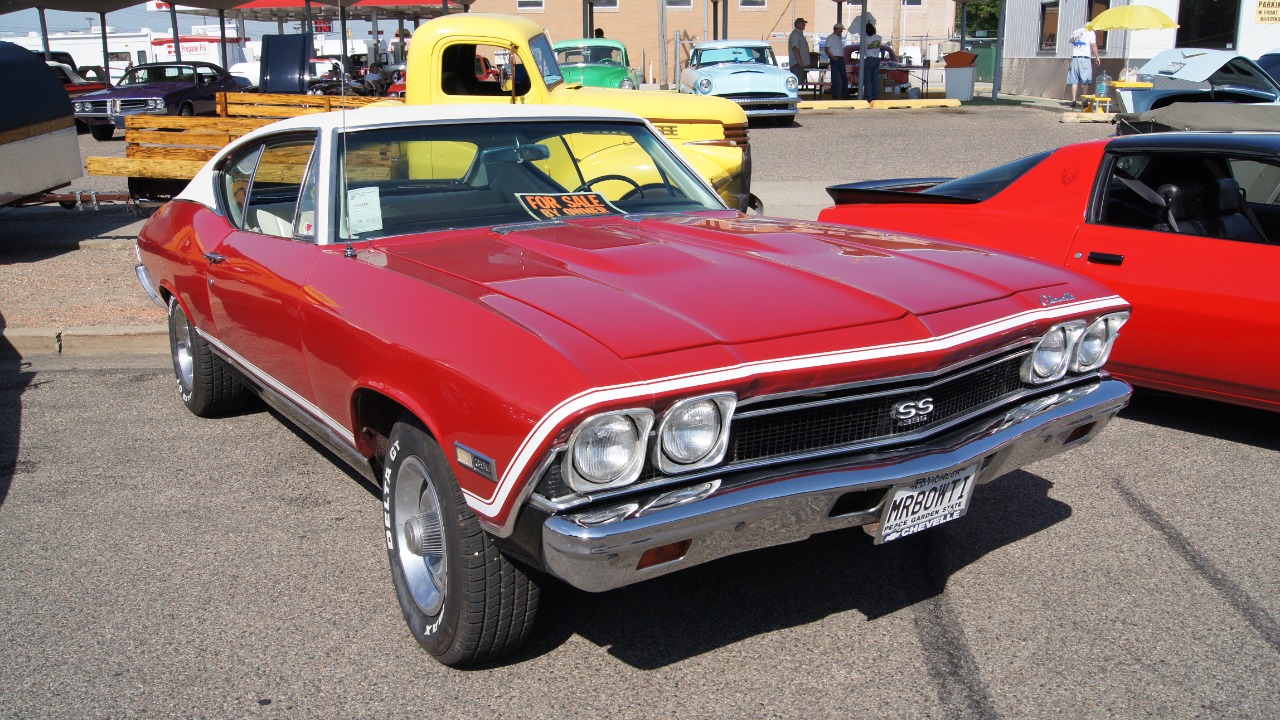
Exterior cues also tell a detailed story when I slow down and study them. The SS 396 package in 1968 included unique hood treatment, emblems, and wheel options that tribute builders sometimes approximate but rarely duplicate perfectly. I check emblem placement and mounting holes from the back side of the panels, because factory punched holes usually differ from hand drilled clone work. Paint lines around the tail panel, rocker moldings, and wheel openings can reveal whether the car started life as a lower trim model that later gained SS stripes and badges. When those visual details align with the mechanical evidence, the case for a genuine Super Sport grows stronger.
Documentation, provenance, and the limits of paperwork
Paperwork can elevate a 1968 Chevelle SS from desirable to truly blue chip, but I treat every document as a starting point rather than final proof. I look for original sales invoices, build sheets, warranty booklets, and period registrations that show the car’s VIN and options, then I compare those records against the physical tags and components on the car. A build sheet that lists the SS 396 package, correct color codes, and matching axle ratios carries real weight, especially when it surfaces from a credible location like under the rear seat or inside a seat back rather than appearing as a loose photocopy with no origin story.
Even strong paperwork has limits, so I always cross reference provenance claims with inspection findings. A seller might present a stack of restoration photos and club awards, but if the engine pad shows restamping marks or the cowl tag rivets look disturbed, I treat the car as a potential clone or at least a heavily altered example. I also consider ownership history, since long term stewardship by a small number of enthusiasts often correlates with better documentation and fewer title gaps. When the narrative, the documents, and the physical evidence all align, I feel comfortable treating the car as a legitimate SS, but when they diverge, I adjust my valuation and my expectations accordingly.
Pricing strategy and negotiation tactics for real SS and clones
Once I understand whether a 1968 Chevelle presents as a real SS or a tribute, I tailor my pricing approach to match that identity. For documented Super Sport cars with matching numbers and strong provenance, I expect to pay a premium that reflects both rarity and collector demand, and I focus my negotiation on condition details like paint quality, rust repair, and mechanical freshness rather than arguing the core authenticity. I also factor in originality of components such as carburetors, distributors, and interior pieces, because those items influence top tier value even when the big ticket drivetrain remains intact.
Clones require a different mindset, since their value rests on build quality and parts selection rather than factory pedigree. I treat them like modified Malibus or non SS Chevelles, then I assign additional value only when the workmanship, parts list, and driving experience justify it. A tribute with a strong big block, upgraded suspension, and clean bodywork can deliver tremendous enjoyment at a fraction of real SS money, but I never let cosmetic SS badges alone push the price into authentic territory. Clear communication during negotiation helps, so I state directly that I recognize the car as a clone and that my offer reflects that status, which often resets expectations and leads to more realistic deals.
How to enjoy a clone without pretending it is an SS
Many enthusiasts now embrace clones as a practical way to experience 1968 Chevelle performance without risking a high dollar original, and I see real value in that approach when everyone stays honest about the car’s roots. A well built tribute lets owners drive aggressively, upgrade components freely, and personalize styling without worrying about hurting collector value, which can feel liberating compared with the responsibility that comes with a rare documented SS. That freedom often encourages thoughtful performance upgrades, such as modern disc brakes, improved cooling, and overdrive transmissions that make highway cruising more relaxed.
Transparency remains the key to keeping clones enjoyable and respected within the community. I encourage owners to document their builds carefully, keep receipts, and photograph major work so future buyers understand exactly what they are getting. Clear labeling in listings, accurate descriptions of the original trim level, and honest conversations at shows help maintain trust and protect the reputation of both real SS cars and tribute builds. When buyers and sellers treat clones as what they are, rather than as shortcuts to SS prices, the market gains a healthy middle ground where enthusiasts can drive hard, modify boldly, and still respect the history of the 1968 Chevelle Super Sport.