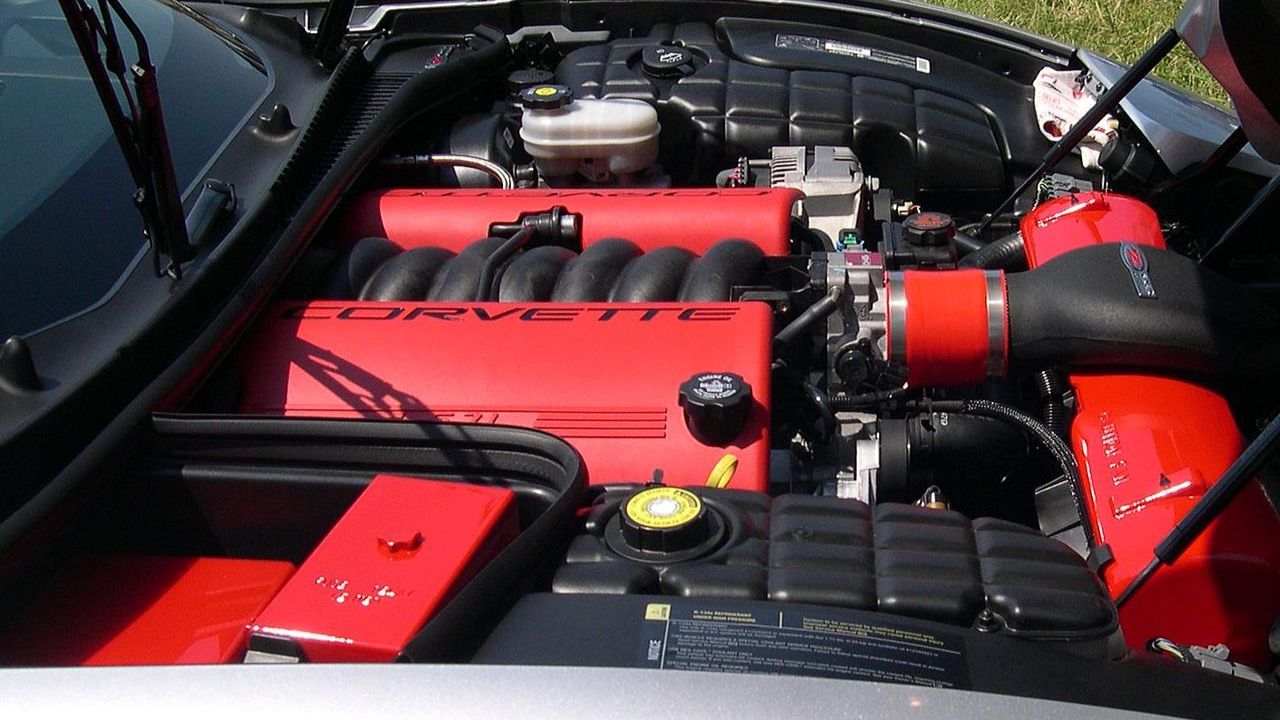
The Chevrolet LS6 V8 has become a legendary engine in the automotive world, celebrated not only for its impressive specifications but also for consistently delivering more power than it was officially rated. With its roots in the early 1970s muscle car era, the LS6 has left an indelible mark on car culture and engineering, making it a coveted piece of automotive history.
Historical Context of the LS6 V8
The LS6 V8 was introduced in 1970, a time when the American muscle car market was at its peak. This era was defined by high-performance vehicles that boasted massive horsepower and aggressive styling. The LS6 was Chevrolet’s answer to the growing demand for speed and power, showcasing a 454-cubic inch (7.4-liter) engine that was marketed with an official rating of 450 horsepower. Positioned against fierce competitors like the Ford Mustang and the Plymouth Road Runner, the LS6 aimed to establish Chevrolet as a dominant force in the muscle car segment.
During this time, horsepower ratings were a pivotal aspect of marketing strategies. Automakers often competed to claim the title of the most powerful engine, leading to inflated figures that were sometimes more about perception than reality. The LS6’s 450-horsepower rating was significant, yet many enthusiasts discovered that the engine often exceeded this figure in real-world test conditions, solidifying its reputation as a powerhouse.
Engineering Specifications
The LS6 V8 is a marvel of engineering, boasting impressive specifications that have earned it a place in automotive history. With a displacement of 454 cubic inches, the engine features a bore of 4.00 inches and a stroke of 4.00 inches, resulting in a robust design capable of producing an astounding torque rating of 500 lb-ft. The LS6 utilized a solid-lifter camshaft, an aluminum intake manifold, and a Holley four-barrel carburetor, which contributed to its exceptional performance.
When compared to its predecessors, such as the 396 cubic inch (6.5-liter) engine, the LS6 represented a significant leap in performance. While earlier V8 engines delivered respectable power, the LS6’s advanced design and components were tailored for maximum output. The combination of high compression ratios, efficient airflow, and optimized combustion processes set the LS6 apart in a competitive landscape.
Performance Beyond Advertised Numbers
One of the most fascinating aspects of the LS6 V8 is its real-world performance metrics, which often exceeded the official horsepower ratings. Numerous tests conducted by automotive experts revealed that the LS6 frequently produced upwards of 500 horsepower, a remarkable feat that enthusiasts often celebrated. This phenomenon was attributed to various factors, including the engine’s tuning and the inherent characteristics of its design. The LS6 was known for its responsiveness and ability to deliver power seamlessly across the rev range.
Automotive experts and enthusiasts alike have shared testimonials regarding the LS6’s performance. Many have described the engine as a “sleeper,” capable of surprising competitors with its acceleration and speed. The power delivery was notably linear, allowing for effortless driving experiences whether on the street or the track. The LS6’s performance consistently validated its reputation as a formidable force in the muscle car world, earning it a dedicated following among collectors and racing enthusiasts.
Innovative Technologies in the LS6
The LS6 was not just about brute force; it also incorporated innovative technologies that set it apart from its contemporaries. The engine featured a unique carburetion system that optimized fuel delivery, maximizing performance. The Holley four-barrel carburetor was a key component, providing the necessary fuel flow to sustain the engine’s impressive power output. Additionally, the camshaft design played a crucial role in enhancing the engine’s performance, allowing for increased lift and duration that contributed to better airflow and combustion efficiency.
Engine management systems also played a pivotal role in the LS6’s performance. While the LS6 predated modern electronic systems, its mechanical setup was meticulously designed to ensure optimal performance. The influence of Chevrolet’s racing heritage was evident in the LS6’s engineering approach, with many components drawing inspiration from lessons learned on the racetrack. This connection to racing not only enhanced performance but also solidified the LS6’s place in the pantheon of American muscle cars.
Impact on Chevrolet’s Brand Image
The performance of the LS6 V8 significantly reinforced Chevrolet’s reputation in the muscle car segment. With its impressive horsepower and torque ratings, the LS6 became a symbol of power and performance. Chevrolet’s marketing strategies capitalized on this perception, promoting the LS6 as the pinnacle of muscle car engineering. Advertisements often highlighted the engine’s capabilities, showcasing not just raw power but also the engineering finesse that went into its design.
Culturally, the LS6 has made its mark in popular media, featuring in films and music that celebrate the golden age of muscle cars. Movies like “Junkyard Dog” and songs from the classic rock era often referenced the raw power of V8 engines, with the LS6 serving as a quintessential example. This cultural significance has helped maintain the LS6’s status as an icon in the automotive world, ensuring that its legacy endures even decades after its production ceased.
Challenges and Controversies
Despite its many accolades, the LS6 faced challenges during its production. The early 1970s were marked by growing emissions regulations, which posed difficulties for manufacturers striving to meet increasingly stringent requirements. These regulations forced automakers, including Chevrolet, to navigate a delicate balance between performance and compliance, leading to some compromises in engine tuning and performance capabilities.
Controversies surrounding horsepower ratings also emerged during this era. The LS6’s advertised 450 horsepower was often scrutinized, as many enthusiasts believed the engine produced more power than officially stated. The methods used to calculate these ratings were sometimes inconsistent, leading to debates about accuracy. Additionally, the oil crisis of the early 1970s severely impacted consumer demand for high-performance vehicles, placing added pressure on the LS6’s production and availability.
Collector’s Market and Value
The LS6 remains a highly sought-after engine in the collector’s market, with vehicles equipped with this powerhouse commanding impressive prices at auctions. Factors contributing to the desirability of the LS6 include its limited production numbers and its status as a high-performance icon. Classic car auctions often feature LS6-equipped vehicles, such as the 1970 Chevrolet Chevelle SS, which have become collector’s items due to their historical significance and performance pedigree.
Notable examples of LS6-equipped vehicles that have gained attention in the collector’s market include the 1970 Chevrolet Corvette and the 1970 Chevrolet El Camino SS. These vehicles not only showcase the LS6’s engineering prowess but also represent a slice of automotive history that appeals to enthusiasts and collectors alike. As demand for classic muscle cars continues to grow, the LS6’s value is likely to appreciate, solidifying its status as a prized possession.
Future of the LS6 and Chevrolet V8s
As the automotive industry shifts toward electric and hybrid technologies, the future of V8 engines, including the LS6 lineage, remains a topic of speculation. However, Chevrolet has indicated a commitment to maintaining high-performance V8 engines in their lineup. The potential development of a new LS6 variant for future models, such as the Corvette, hints at the brand’s dedication to performance while adapting to changing consumer preferences.
Incorporating advanced technologies and engineering practices, Chevrolet aims to balance performance and efficiency in upcoming engine designs. While the LS6 may represent a bygone era, its influence on modern engineering is undeniable. As Chevrolet continues to innovate, the legacy of the LS6 will undoubtedly inspire future generations of performance vehicles, ensuring that the spirit of the V8 lives on.
More from Fast Lane Only