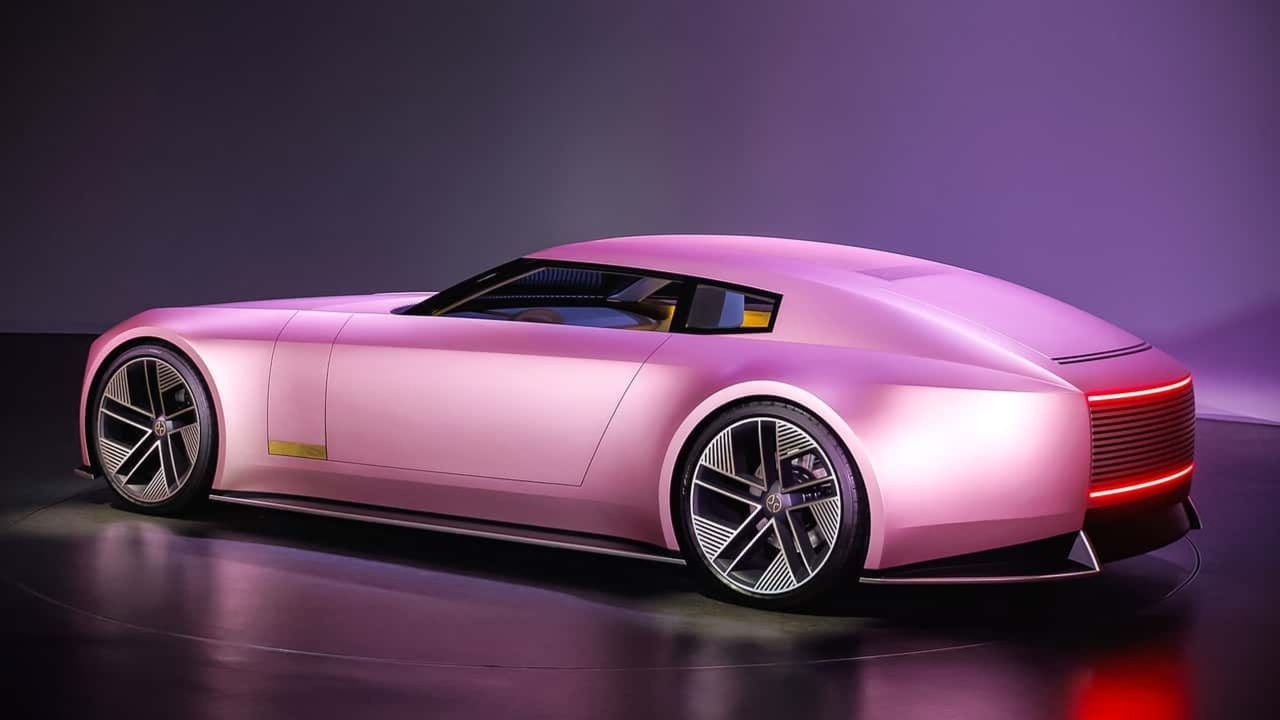
Jaguar is attempting one of the most radical reinventions in modern automotive history, walking away from gasoline engines and mass-market volumes to chase ultra-luxury margins with a fully electric lineup. The company is shutting the door on nearly a century of combustion performance and recasting itself as a low-volume maker of expensive grand tourers and crossovers aimed at the same rarefied buyers who shop bespoke European badges. The gamble is simple and stark: fewer cars, far higher prices, and a brand identity rebuilt around electric excess rather than heritage nostalgia.
From volume ambitions to ultra-premium margins
For years Jaguar tried to compete head-on with German premium brands, filling showrooms with sedans and crossovers that chased volume rather than scarcity. That strategy is now being dismantled. Executives have signaled that Jaguar will abandon volume sales and instead pursue ultra-premium margins, with the first model in this new era positioned as a roughly $180,000 electric flagship that uses a tri-motor setup rated at 1,000 horsepower. The pivot is not just about price, it is about reframing Jaguar as a brand that sells rarity and theater rather than incremental upgrades over a BMW or Mercedes.
This shift is part of a broader New Strategic Direction For Jaguar Land Rover that seeks to simplify lineups and focus on high-margin luxury experiences instead of chasing every niche. Internal messaging has emphasized client experience and desirability, with Jaguar Land Rover describing a reset that moves the marque away from mainstream competition and toward a more curated, almost boutique presence. In that context, the decision to prioritize a 1,000 horsepower halo EV as the opening statement of the new era is less about raw speed and more about sending a clear signal that the company is no longer interested in being a volume player.
Closing the combustion chapter after 90 years
The strategic reset is anchored by a symbolic break with Jaguar’s past: the company has finished building its last gas-powered car. After decades of inline‑6s, V8s, and V12s, Jaguar has quietly ended internal combustion production, a move that closes what one report framed as Closing The Chapter On 90 Years Of Combustion Cars. The final internal-combustion model was a black F-Pace SVR, described as the last ICE-powered Jaguar, which has been retired to the Jaguar Daimler Heritage Trust as a rolling bookend to the brand’s gasoline era. That decision underlines how serious the company is about an all-electric future, not as a side project but as its entire identity.
The historical weight of that moment is hard to overstate. Jaguar, which was spun off from British Leyland and listed on the London Stock Exchange before being acquired by Ford, built its reputation on charismatic engines as much as on design. Yet the company has now ceased production of its remaining combustion models, including the Pace on 19 December 2025, and is already testing electric prototypes that will define its next chapter. The move answers the question posed by those asking Is Jaguar Only Making EVs with a definitive yes, and it aligns the brand with other luxury makers that are phasing out combustion, although Jaguar is moving faster and more completely than many of its peers.
An all-electric GT as the new brand statement
The clearest expression of Jaguar’s new philosophy is a dramatic four-door grand tourer that will serve as the first of its reborn EVs. The GT is described as a low-slung luxury EV with bold proportions and a design intended to reset expectations of what a modern Jaguar represents. Rather than replacing an existing sedan or coupe, it is conceived as a clean-sheet flagship that sits above the brand’s former mainstream models and acts as a rolling manifesto for the new design language and technology stack. Early guidance suggests pricing will Start at around $130,000, placing it squarely in the ultra-luxury bracket and signaling that Jaguar is comfortable leaving traditional premium price bands behind.
The project has not been without turbulence. Jaguar Pushes Back Reveal of its Polarizing Electric Grand Tourer to 2026, a delay that underscores both the ambition of the car and the pressure on the company to get it right. Internally, the GT is framed as a radical new era, a vehicle that must carry the weight of the brand’s repositioning while also convincing skeptical buyers that Jaguar can compete with established electric leaders and storied luxury names. The combination of a high starting price, polarizing styling, and the responsibility of being the first car in a new strategy makes the GT one of the most consequential launches in Jaguar’s modern history.
Type 00 and the art of deliberate scarcity
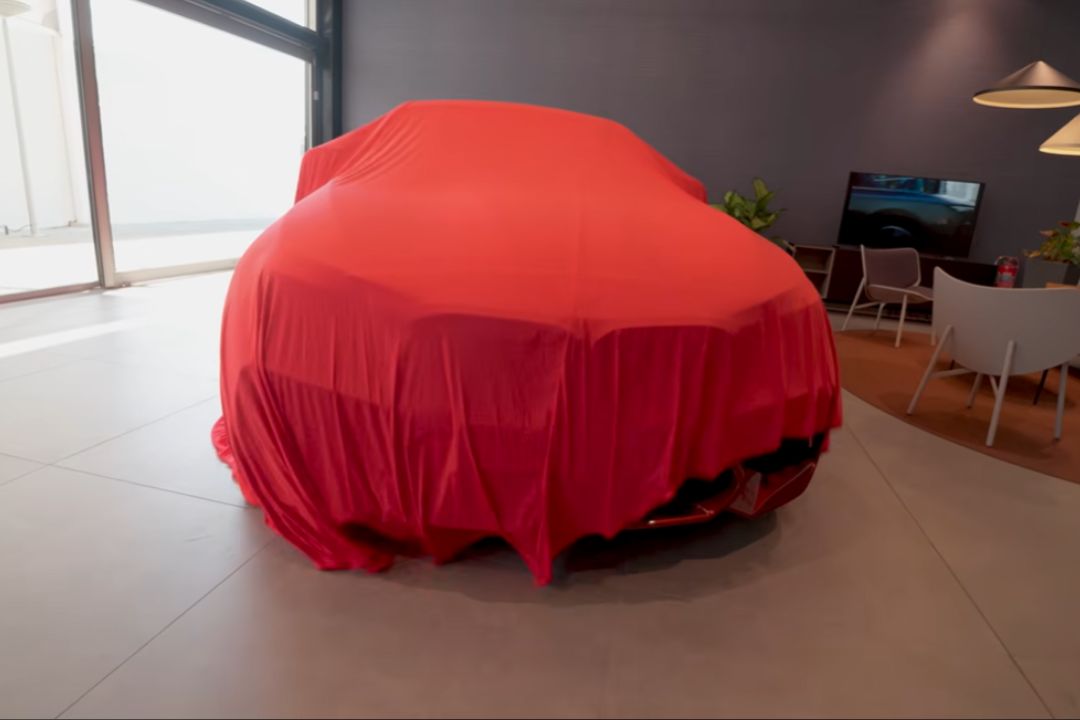
If the GT is the manifesto, the Jaguar Type 00 is the proof that the company is serious about scarcity as a business model. Jaguar’s new 2026 EV is described as extremely rare and a “special occasion” for anyone who spots one, with the Jaguar EV luxury sedan positioned as a statement piece rather than a common sight. Reporting on the Type 00 emphasizes that it is part of a different strategy for the brand, one that treats each car as an event and leans into low production volumes as a feature, not a flaw. The story of Jaguar’s Type 00 has already become one of the most talked-about EV narratives, in part because it so clearly rejects the logic of scale that has dominated the electric transition.
The deliberate rarity of the Type 00 dovetails with Jaguar’s broader decision to abandon volume sales and chase ultra-premium margins. By limiting how many cars it builds and pricing them at the very top of the market, Jaguar is betting that exclusivity will rebuild its cachet faster than any advertising campaign. Analysts note that this approach places the brand in the orbit of ultra-luxury rivals that have long used scarcity to maintain mystique, even as they electrify their own lineups. For Jaguar, which once tried to match German rivals model for model, the Type 00 is a clear signal that the company now sees more value in being one of the most intriguing premium electric launches than in being a common presence on suburban driveways.
Rebuilding the brand and repositioning in the EV hierarchy
Behind the product headlines sits a deeper branding effort that aims to reposition Jaguar in the electric hierarchy. The company’s rebrand, described as Jaguar Hits the Reset Button and Emerges as a Completely New Brand, is framed around a New Strategic Direction For Jaguar Land Rover that prioritizes desirability and client experience over raw sales numbers. Internal documents speak of Navigating market uncertainties in 2021-2023 and conclude that the previous approach was not working, prompting a wholesale rethink of how Jaguar presents itself and which customers it targets. The goal is to move the marque out of the shadow of its corporate sibling Land Rover and give it a distinct, electric-first identity.
Part of that repositioning involves confronting what some observers have called Jaguar’s “BMW complex,” the long-standing tendency to benchmark itself against German premium brands rather than charting its own path. By committing to an ultra-luxury electric strategy, Jaguar hopes a high-end electric model will change how buyers see the brand, shifting perceptions from “alternative to the usual suspects” to “destination for those who want something rarer and more theatrical.” The company is already testing prototypes of its new EVs, and early positioning suggests that Jaguar wants to sit closer to ultra-luxury names such as Bentley and Rolls-Royce than to the premium mainstream. Whether that ambition is realized will depend on how convincingly the new GT, the Type 00, and subsequent models deliver on the promise of a completely reimagined Jaguar.
More from Fast Lane Only