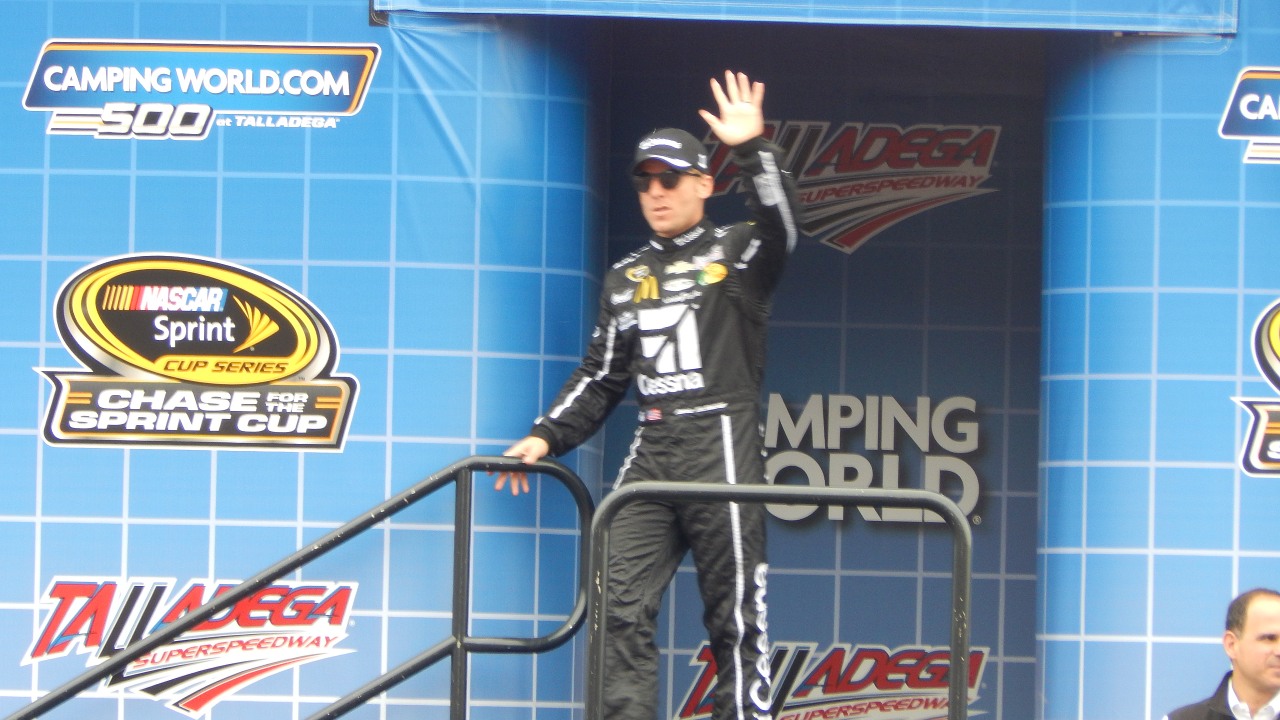
Jamie McMurray never fit the mold of a generational superstar, yet his résumé is stacked with the kind of trophies that define entire careers. He turned a solid, workmanlike run in the NASCAR Cup Series into a highlight reel of crown-jewel upsets, and that is exactly why his biggest wins still feel larger than his overall stat line.
When you look past the raw numbers and trace how a kid from Joplin, Missouri, ended up owning some of stock car racing’s most coveted races, you start to see how thoroughly he outpaced what most people expected of him. His story is less about volume and more about timing, impact, and a knack for showing up when the lights were brightest.
From Joplin kid to big-race closer
I always start Jamie McMurray’s story with where he came from, because it explains a lot about how he raced. Born James Christopher McMurray in Joplin, Missouri, he did not arrive with the fanfare that follows some modern prospects, but he built his craft the old-fashioned way, growing up in the regional racing scene and working his way into national stock cars. Biographical notes list him as James Christopher, with a listed Weight of 150 lb (68 kg) and an age of 49, a reminder that he was never the imposing physical presence, just a lean, focused driver who relied on feel and race sense rather than brute strength.
That Joplin, Missouri, background shows up across multiple profiles of his life and career, from simple fact sheets that spell out that he was Born James Christopher to more narrative accounts that describe how JAMIE CHRISTOPHER MCMURRAY came out of that same town and grew up racing go-karts. Even entertainment-focused bios, which highlight his appearance in Talladega Nights, circle back to the same origin point in Joplin, Missouri, USA. The consistency of that thread matters, because it frames him not as a polished, prepackaged star, but as a racer who had to learn how to punch above his weight in every sense.
Seven wins, but the right seven
On paper, seven victories in the NASCAR Cup Series is a respectable but not overwhelming total, especially across a long career. Jamie McMurray’s stat line, which includes those seven Cup Series wins along with 63 top-five finishes and a deep stack of top tens, paints him as a steady, upper-mid-tier performer rather than a week-in, week-out dominator. That is exactly why his win list jumps off the page: the quality of those seven is wildly disproportionate to the quantity.
Context from long-time observers backs up that idea that he will not go into the NASCAR record books as one of the all-time great volume winners, yet they also point out that he kept adding one impressive notch in his belt after another. When you line up his victories, they are not random midseason stops. They cluster around the sport’s biggest stages, the events that drivers circle in red. That pattern is what turns a “slightly above average driver but not elite,” as one fan discussion once put it, into someone whose highlight reel can stand next to almost anyone’s.
The crown-jewel season that changed his legacy
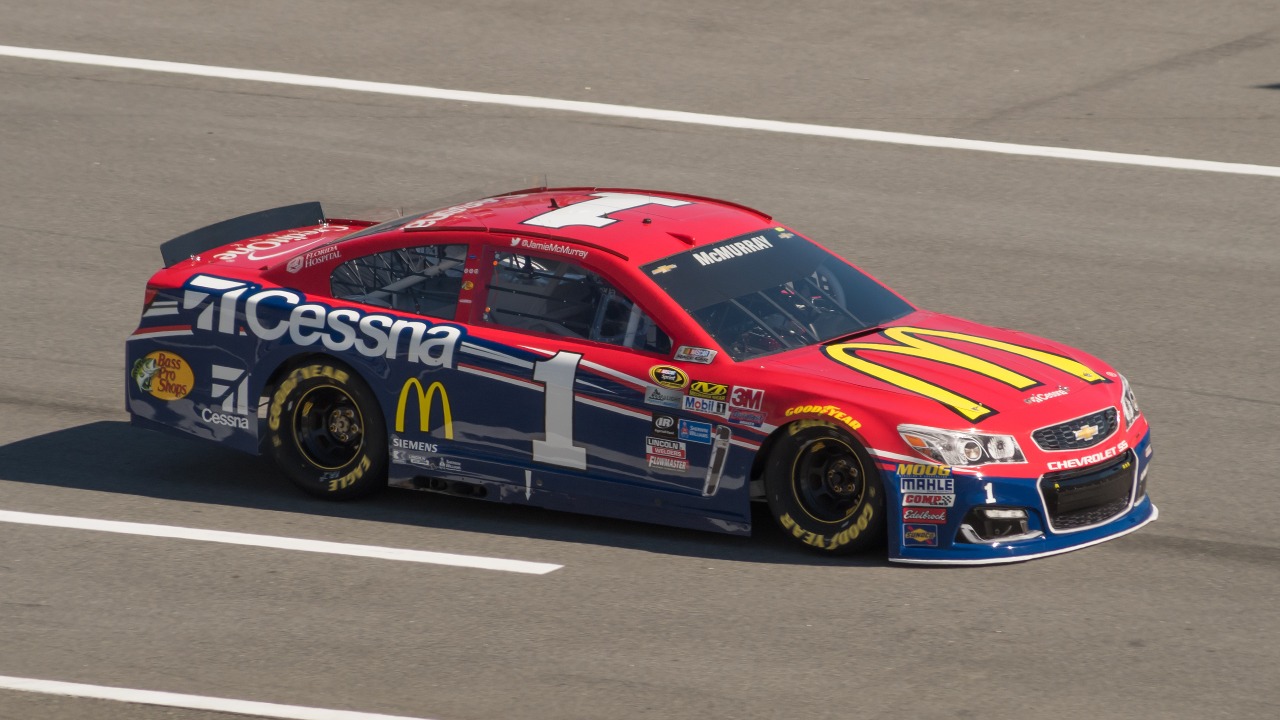
If there is a single stretch that explains why Jamie McMurray is still such a lightning rod in NASCAR debates, it is his crown-jewel run in the early 2010s. Fans still look back at that season and ask if he actually put together the best big-race campaign anyone has ever had, because his performance in the sport’s marquee events was on another level in 2010. The argument is not that he suddenly became the fastest driver every week, but that he repeatedly delivered when the stakes and the spotlight were at their highest.
That crown-jewel conversation keeps resurfacing in fan circles, where people revisit Did Jamie McMurray actually have the best crown-jewel season ever and stack his wins against other great years. The consensus in those debates is revealing: even those who see him as a solid racer, not a bust, concede that his ability to rise in the biggest races was special. When you combine that perception with highlight packages that rank the Top 7 Jamie McMurray Wins and emphasize how his seven NASCAR Cup Series wins translated into some of the most spectacular moments in Victory Lan, you start to understand why that one season in particular reshaped how people talk about his entire career.
Why fans and insiders say he beat the odds
What fascinates me most about McMurray is the gap between how he was projected and how he is remembered. In long-running fan threads, you see people describe Jamie as a slightly above average driver but not elite, and they openly puzzle over why a powerhouse like Roush ever invested so heavily in him. They say His tenure at Roush always confused me, then in the next breath admit that he turned into a solid racer, not a bust. That tension, between skepticism and respect, is the backdrop for any conversation about him exceeding expectations.
Insider commentary from the garage adds another layer. Analysts have pointed out that while Jamie will not be etched into the sport’s statistical pantheon, he repeatedly found ways to win big, especially in events that define careers. One veteran observer framed it bluntly, noting that Jamie will not go into the NASCAR record books as one of the all-time legends, then immediately pivoted to how he kept stacking those impressive notches in his belt. When you weigh that against his seven Cup Series wins and 63 top-five finishes, the picture that emerges is of a driver who squeezed more legacy out of his opportunities than the raw numbers alone would suggest.
The complicated way he looks back on it all
For all the external praise, Jamie McMurray’s own view of his career is surprisingly introspective. He has been candid that his biggest regret is not enjoying it more while it was happening, a striking admission for someone who reached the top level of NASCAR and won some of its most coveted races. That kind of reflection hints at how much pressure and second-guessing can live behind even the most triumphant highlight reels, especially for a driver who was constantly fighting to prove he belonged among the elite.
When he talks about those seven NASCAR Cup Series wins and the 63 top-five finishes that came with them, he does not sound like someone who is satisfied just to have checked boxes. Instead, there is a sense that the grind of chasing results, contracts, and respect sometimes drowned out the joy of pulling into Victory Lan. Paired with the way fans still debate Did Jamie and revisit his crown-jewel season, his regret about not savoring the ride becomes part of the story of why he outperformed expectations: he was so locked in on maximizing every chance that he did not always pause to appreciate how far that kid from Joplin, Missouri, had already come.
More from Fast Lane Only: