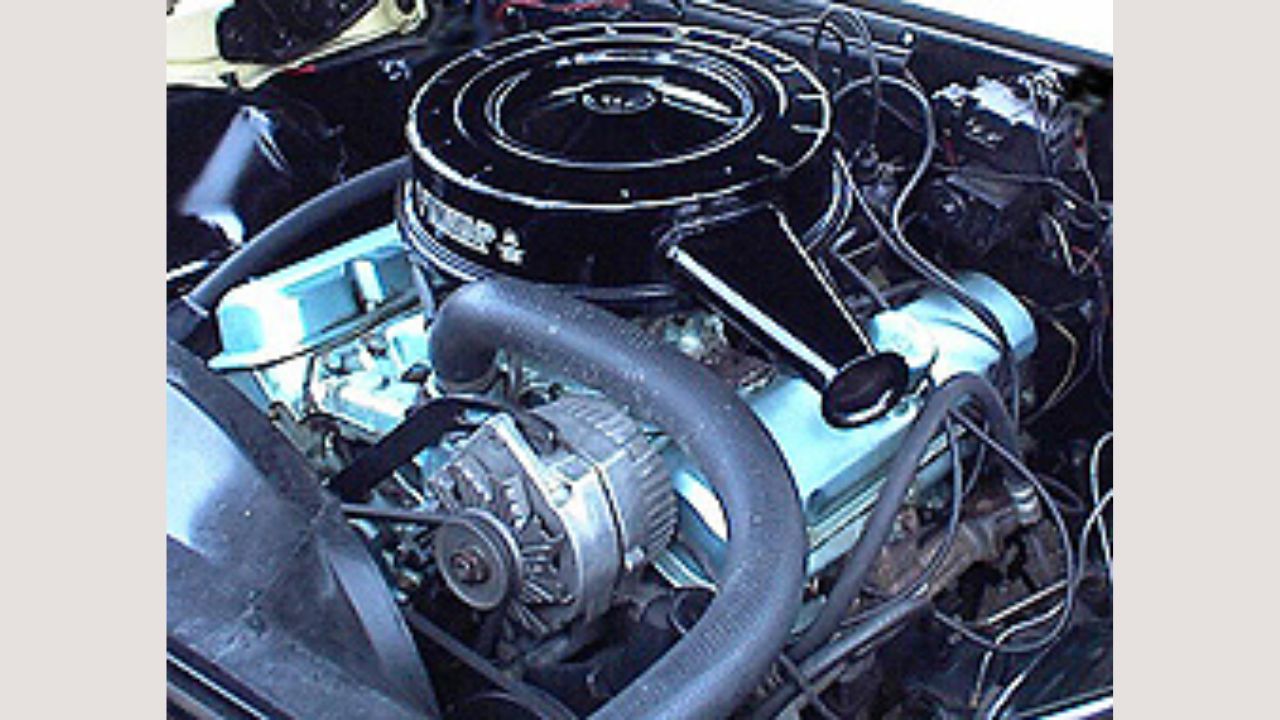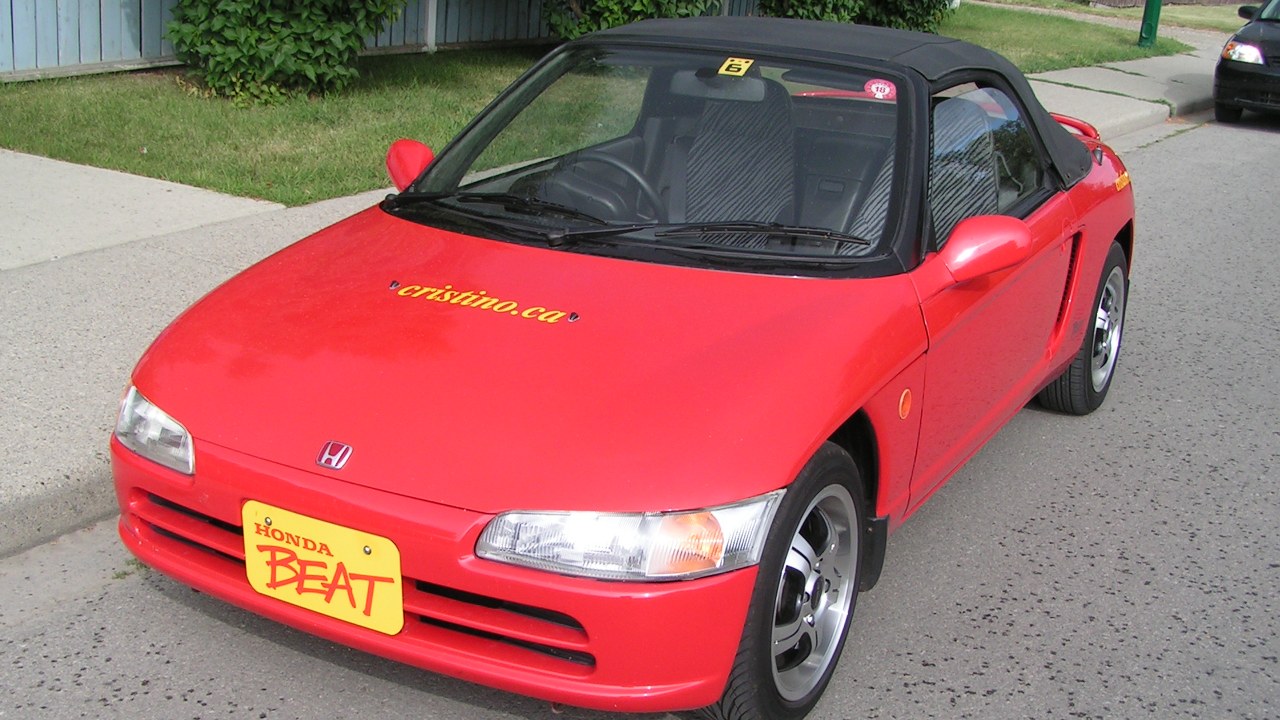
Kei cars, or “kei jidōsha,” are a unique segment of the Japanese automotive industry known for their compact size, fuel efficiency, and affordability. These small vehicles have played an essential role in shaping Japan’s car culture, offering a practical solution to urban transportation while also reflecting the country’s innovative spirit. This article explores the history, features, and cultural impact of kei cars in Japan.
Historical Background of Kei Cars
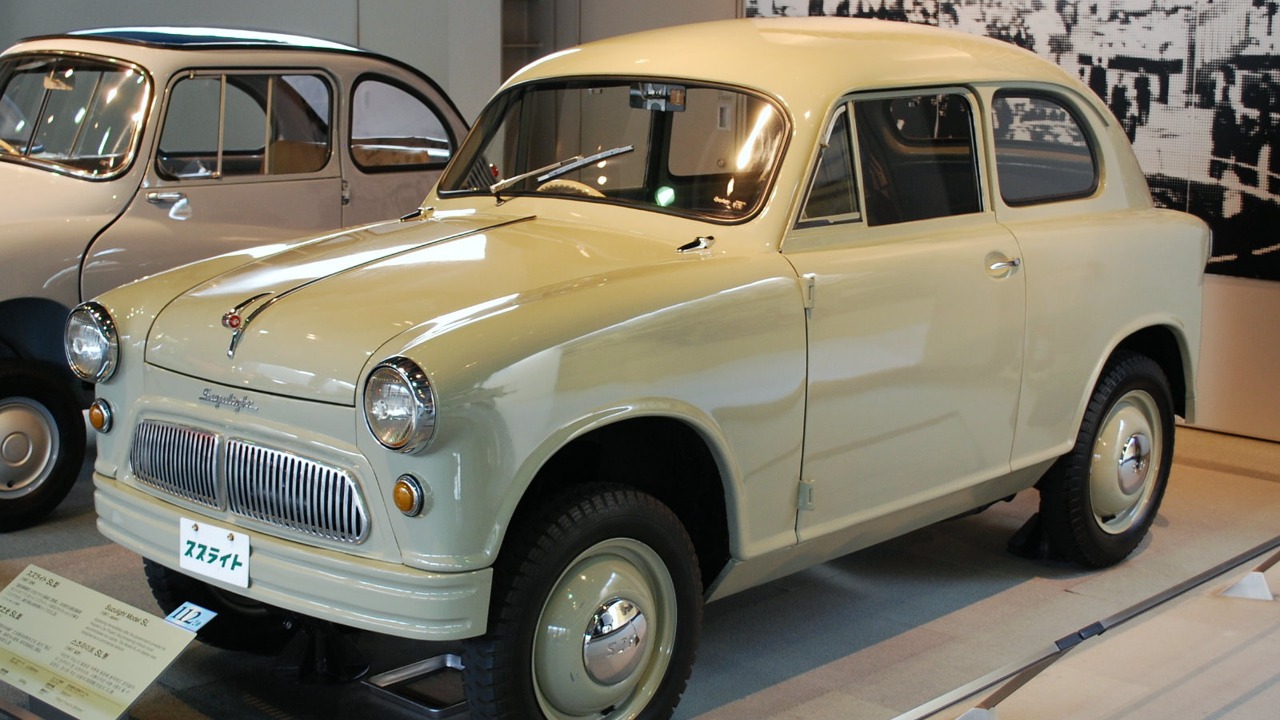
The origins of kei cars can be traced back to the post-war economic conditions in Japan. In the aftermath of World War II, Japan faced significant economic challenges, including a need for affordable and efficient transportation. The government introduced regulations in 1949 to encourage the production of small, economical vehicles, leading to the birth of the kei car segment. These regulations specified limits on engine displacement and vehicle dimensions, which have evolved over time to accommodate advancements in technology and consumer needs.
Key milestones in the development of kei cars include the introduction of iconic models such as the 1955 Suzuki Suzulight, which was among the first to meet the kei car specifications. Over the decades, the segment has grown significantly, with manufacturers continuously innovating to meet changing regulations and consumer preferences. Influential manufacturers like Suzuki, Daihatsu, and Honda have been pivotal in the kei car market, each contributing unique models that have become staples in Japanese car culture.
Key Features and Specifications
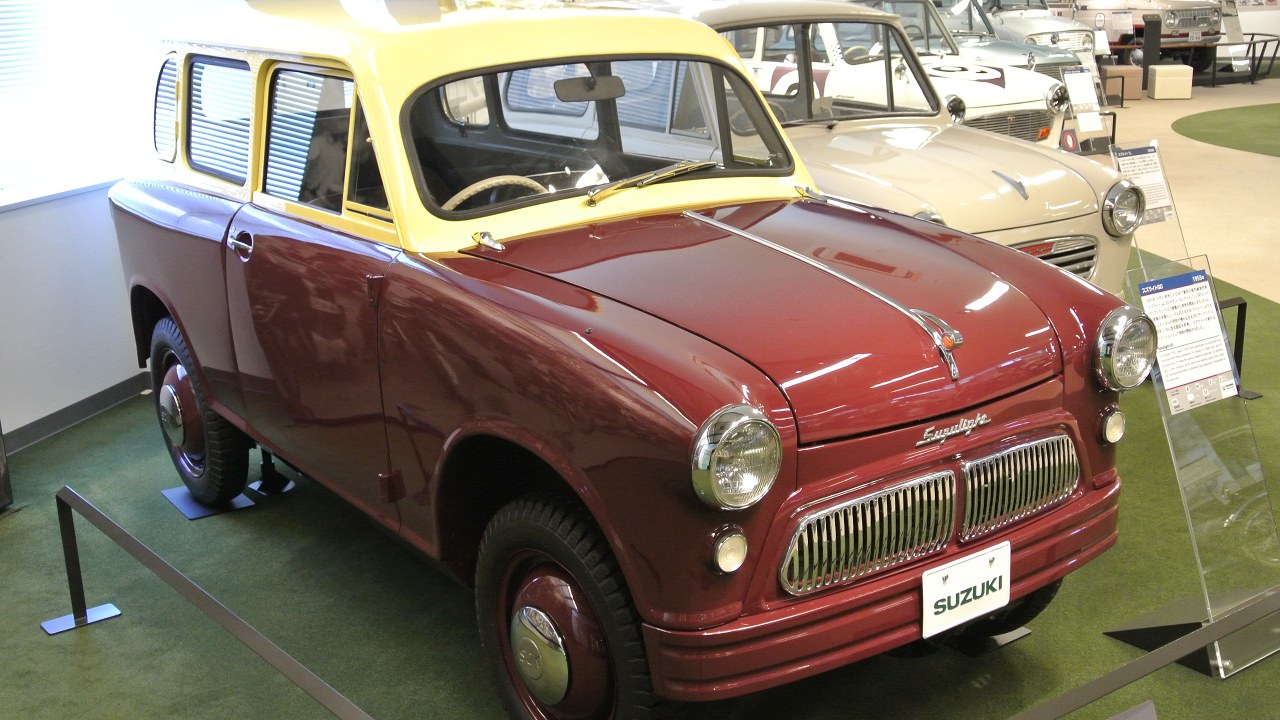
Kei cars are defined by specific size and engine requirements. As of the latest regulations, these vehicles must not exceed 3.4 meters in length, 1.48 meters in width, and 2 meters in height, with an engine capacity limited to 660cc. These restrictions ensure that kei cars remain compact and efficient, making them ideal for navigating Japan’s crowded urban environments.
The design and aesthetics of kei cars often reflect a blend of practicality and creativity. Many models feature quirky and innovative styles, with manufacturers experimenting with bold colors and unique shapes to appeal to a wide range of consumers. Technological innovations have also played a crucial role in the evolution of kei cars, with advancements such as turbocharging and hybrid technology enhancing performance and efficiency without compromising the vehicles’ compact nature.
Economic and Environmental Impact
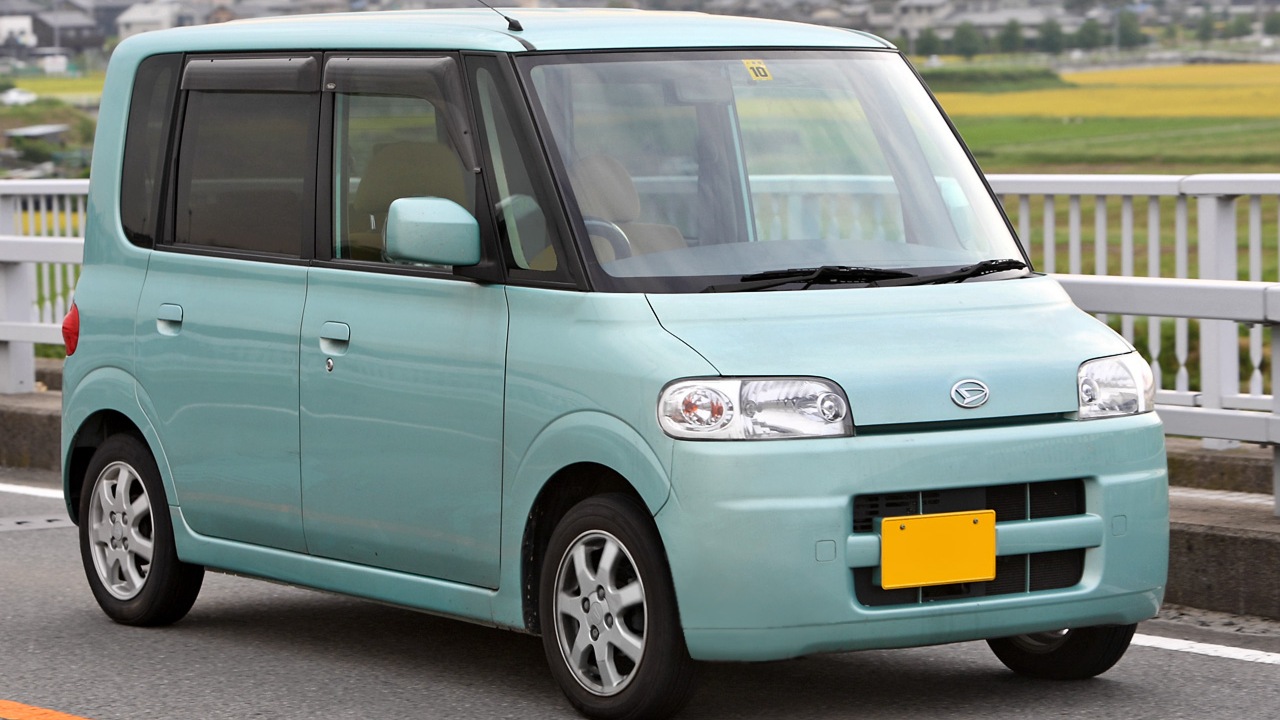
Kei cars are known for their cost-effectiveness, making them an appealing choice for a broad demographic in Japan. Their affordability is not only due to their smaller size and engine but also because of the various government incentives that support their purchase. These incentives include tax breaks and reduced insurance premiums, which significantly lower the overall cost of ownership.
In addition to their economic benefits, kei cars offer substantial environmental advantages. Their small engines and lightweight design contribute to exceptional fuel efficiency and reduced emissions, making them a sustainable option for urban transportation. As cities around the world grapple with pollution and congestion, the kei car model presents a viable solution for reducing the environmental impact of personal vehicles.
Kei Cars in Japanese Pop Culture
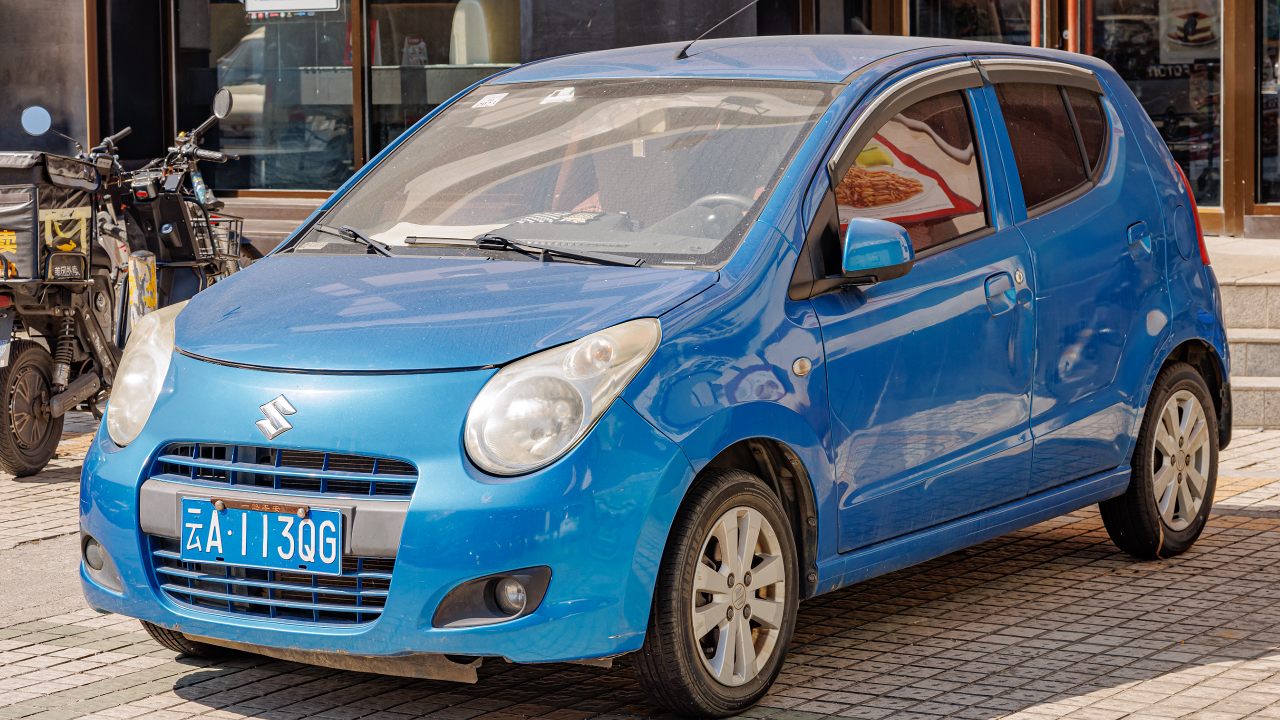
Kei cars have made a significant impact on Japanese pop culture, often featured in movies, anime, and advertisements. They symbolize practicality and innovation, resonating with audiences who appreciate their unique charm and functionality. Popular media often highlights the role of kei cars in everyday Japanese life, further cementing their status as cultural icons.
Car enthusiast communities have also embraced kei cars, with numerous clubs and events dedicated to celebrating these vehicles. Enthusiasts often engage in personalization and customization, modifying their kei cars to reflect individual tastes and creativity. This trend not only showcases the versatility of kei cars but also fosters a sense of community among owners who share a passion for these distinctive vehicles.
The Future of Kei Cars
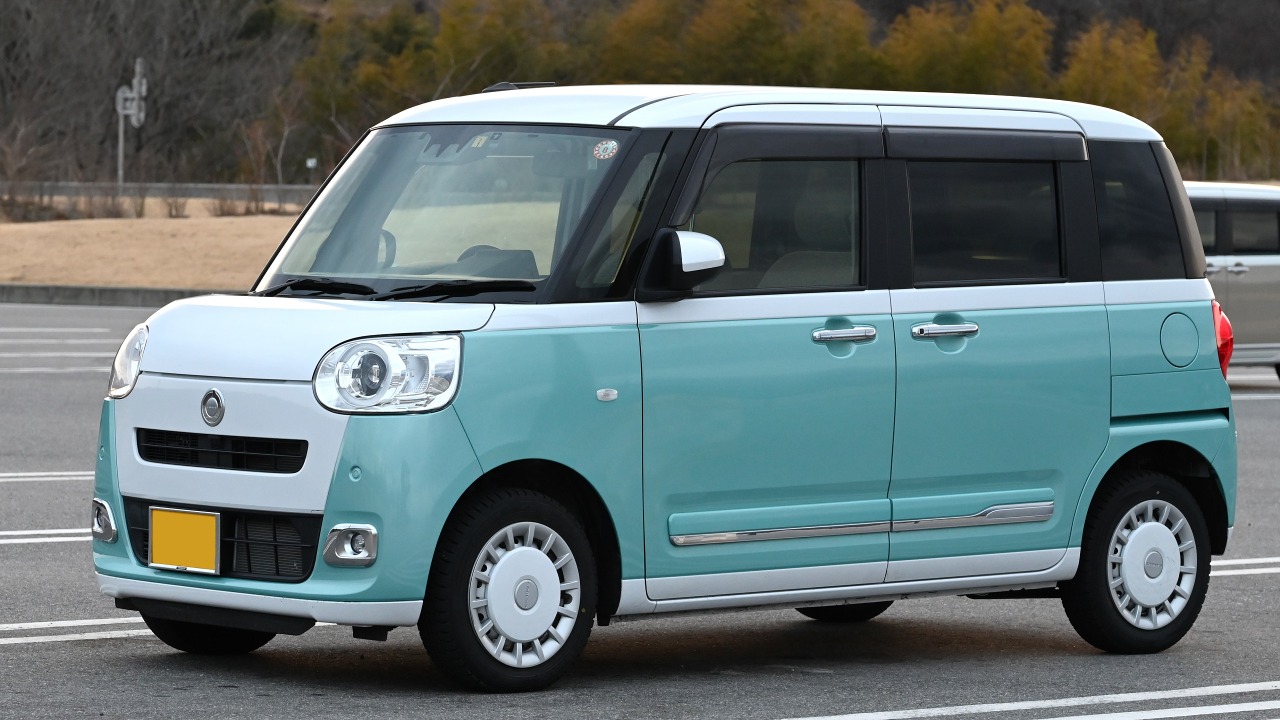
The future of kei cars is poised to be shaped by technological advancements, particularly in the realms of electric and autonomous vehicles. As manufacturers explore these technologies, kei cars are likely to evolve in design and functionality, offering even greater efficiency and convenience. The integration of electric powertrains could further enhance their environmental benefits, aligning with global efforts to reduce carbon emissions.
Market trends indicate that consumer preferences are shifting towards more sustainable and technologically advanced vehicles. As such, the kei car market may see increased competition and innovation as manufacturers strive to meet these demands. Despite these changes, the cultural significance of kei cars in Japan is expected to endure, as they continue to provide a practical and economical solution to urban transportation challenges.
Like Fast Lane Only’s content? Be sure to follow us.
Here’s more from us:
*Created with AI assistance and editor review.