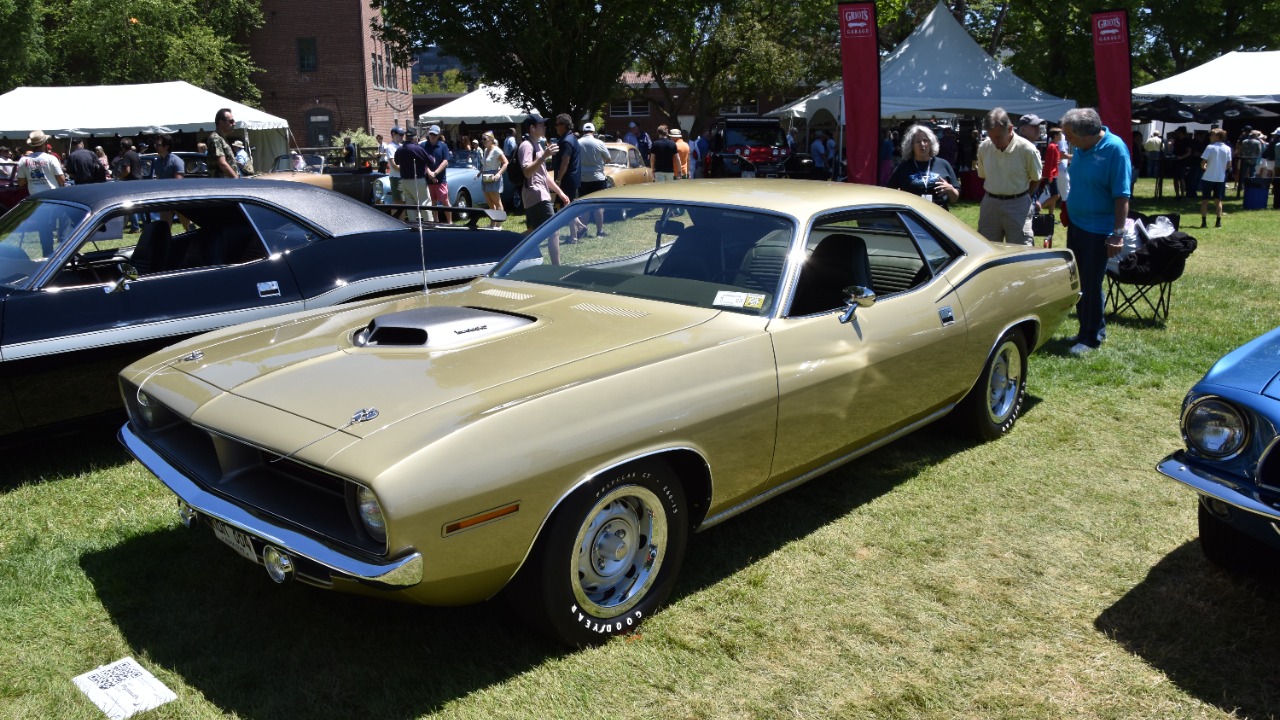
The Interstate Highway System transformed American travel, making road trips more accessible and enjoyable. During this era, several automobiles not only defined the landscape but also captured the spirit of freedom and adventure associated with long drives. Here’s a look at ten iconic vehicles that played a crucial role in making this period unforgettable.
1956 Chevrolet Bel Air
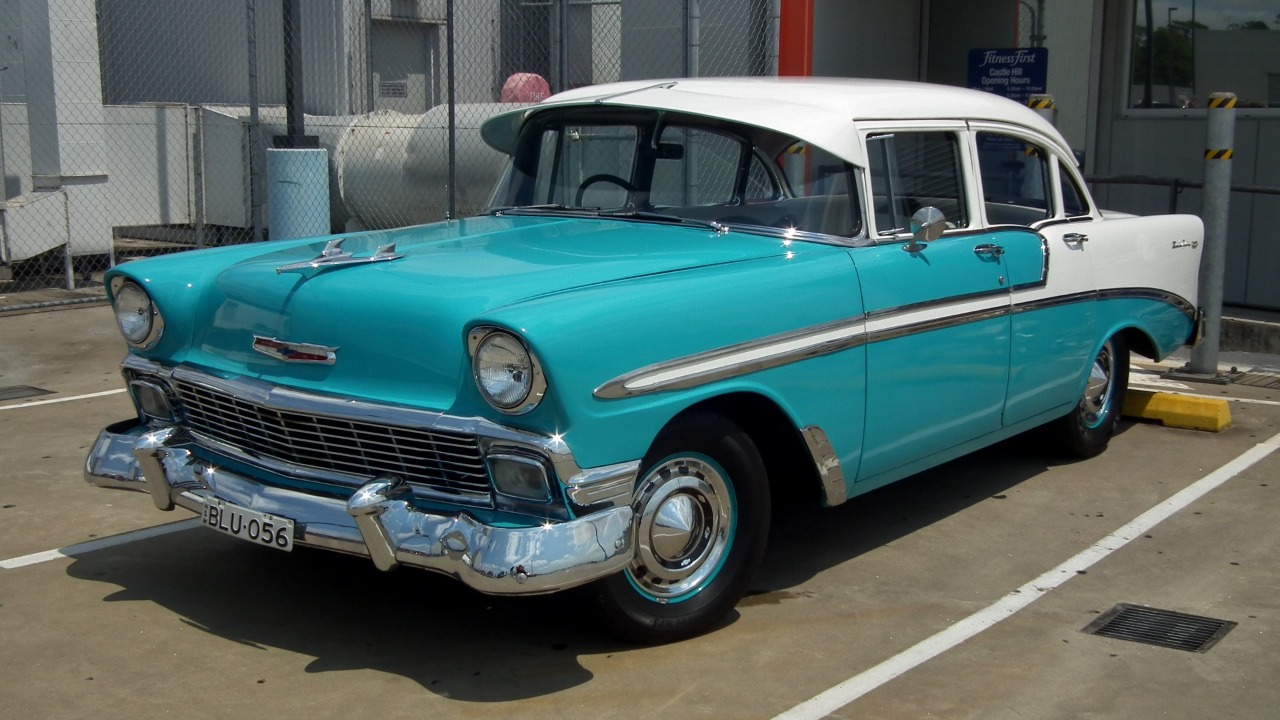
The 1956 Chevrolet Bel Air is often celebrated as one of the quintessential American cars of the 1950s. With its bold fins and vibrant colors, it encapsulated the optimism of post-war America. Its V8 engine offered a powerful driving experience, making it a favorite for those looking to cruise the open highways. The Bel Air also became a cultural icon, frequently appearing in movies and music, which helped solidify its place in American automotive history. Its design and performance set a standard for future generations of vehicles.
Notably, the Bel Air was not just a car; it was a lifestyle symbol. The combination of style, power, and affordability made it accessible to many families. As the National Highway Traffic Safety Administration notes, vehicles like the Bel Air contributed to the growing popularity of the Interstate system, allowing families to embark on memorable road trips across the country. If you’re interested in exploring more about the impact of cars like the Bel Air, check out this book.
1964 Ford Mustang
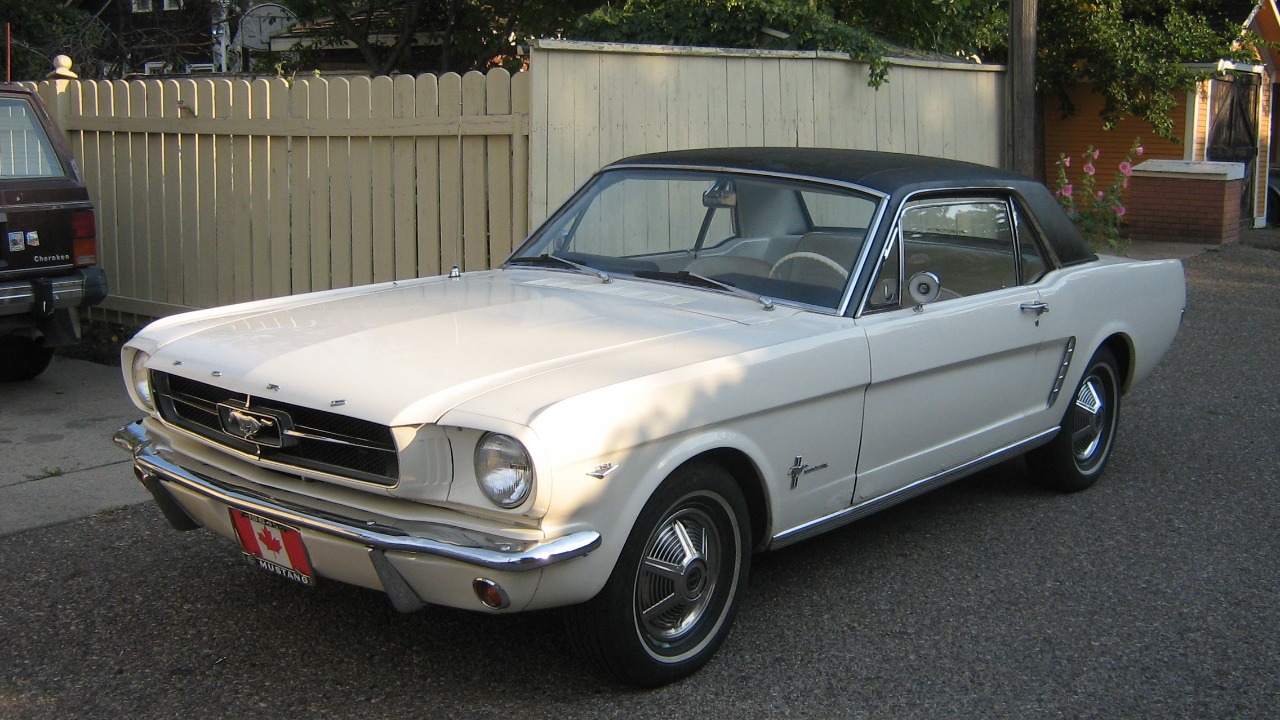
The introduction of the 1964 Ford Mustang marked a significant shift in American automotive culture. Marketed as a “pony car,” it combined sporty performance with an affordable price, quickly becoming a symbol of youthful rebellion. Its sleek design and powerful engine options appealed to a new generation of drivers eager to hit the highways. As the first vehicle to really capture the imagination of the masses, the Mustang helped shape the muscle car era and solidified its role as an American icon.
The Mustang’s success was so profound that it inspired a whole segment of the automotive market. It encouraged other manufacturers to develop their own sporty models, thus enhancing competition and innovation. The Mustang’s legacy continues today, as it remains a top choice for car enthusiasts. To learn more about the Mustang’s enduring influence, check out this interesting resource.
1970 Plymouth Barracuda
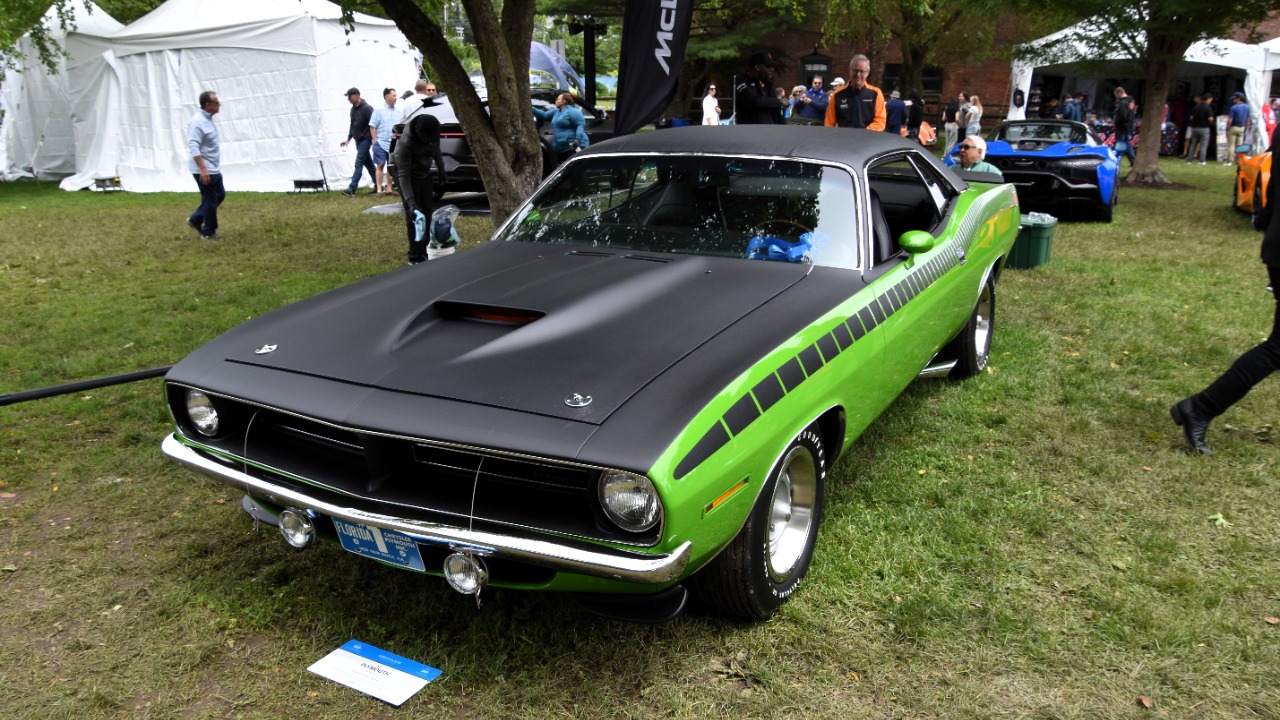
The 1970 Plymouth Barracuda is often remembered for its aggressive styling and high-performance variants. With options for powerful engines like the 426 Hemi V8, it became a favorite among speed enthusiasts. The Barracuda represented the height of muscle car performance during a time when the Interstate system was flourishing, allowing drivers to truly unleash the power of their vehicles on long stretches of highway.
Its sleek design and innovative features, such as the fastback body style, made it stand out on the road. Unfortunately, the oil crisis of the 1970s marked the decline of the muscle car era, but the Barracuda remains a beloved classic. For insights into how muscle cars like the Barracuda affected American car culture, this book is a great read.
1973 Volkswagen Beetle
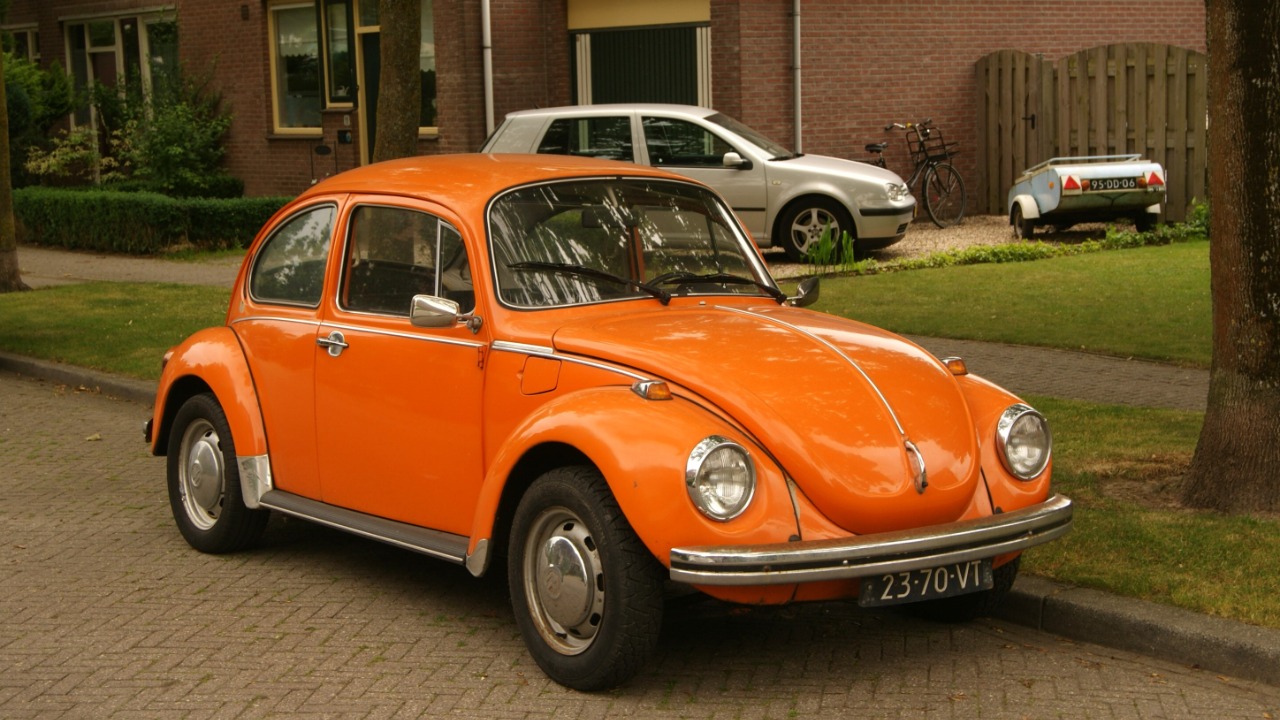
The 1973 Volkswagen Beetle is more than just a car; it’s a cultural icon that defined an era. With its unique design and economical performance, it became a popular choice among young drivers and families alike. The Beetle’s compact size made it easy to maneuver, making it ideal for city driving as well as road trips on the Interstate. Its reliability and low maintenance costs contributed to its widespread appeal.
The Beetle also played a significant role in the counterculture movement of the 1960s and 70s, symbolizing freedom and individuality. As the Interstate Highway System expanded, the Beetle became synonymous with the road trip experience, representing a more laid-back approach to travel. Its influence is still felt today, as it paved the way for many compact cars that followed.
1983 Honda Accord
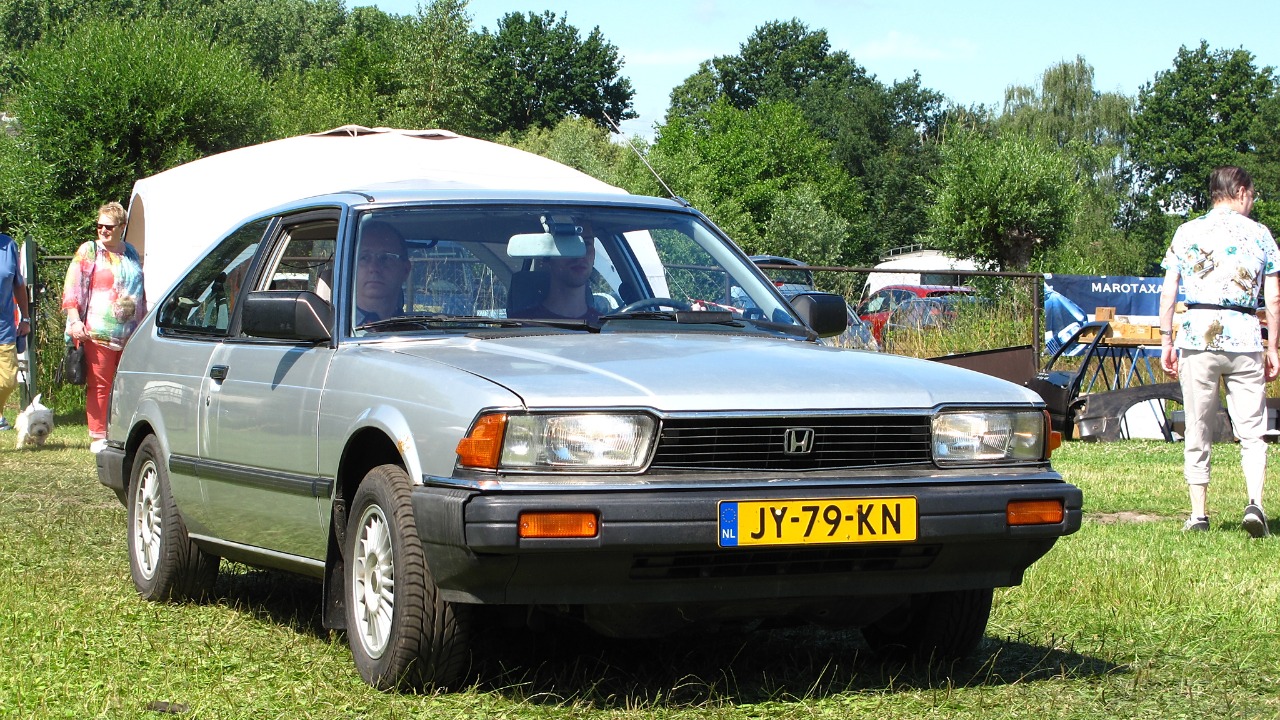
The 1983 Honda Accord was a game-changer in the midsize car segment. With its blend of reliability, fuel efficiency, and innovative design, it quickly gained popularity among American consumers. As gas prices surged during the 1970s and early 80s, the Accord stood out as a practical option for families looking to save on fuel while enjoying the benefits of the Interstate system.
The Accord was one of the first Japanese cars to be manufactured in the U.S., marking a significant shift in the automotive industry. Its success helped to establish Honda as a major player in the American market. The model’s reputation for reliability and longevity solidified its status as a top choice for drivers, making it a staple on highways across the country.
1991 Jeep Cherokee
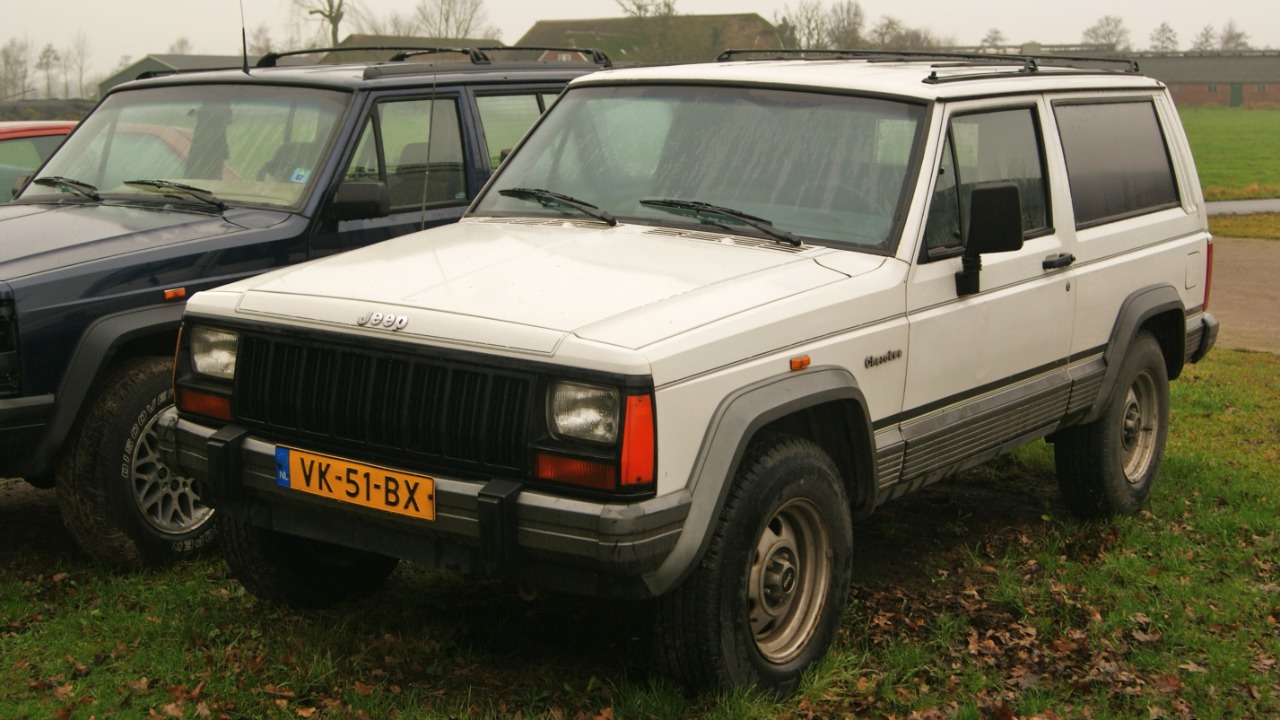
The 1991 Jeep Cherokee was a pioneer in the SUV market, offering a perfect blend of off-road capability and on-road comfort. Its rugged design and versatile performance made it an ideal choice for adventurous families looking to explore both city streets and remote trails. With the Interstate system facilitating long-distance travel, the Cherokee became a popular option for weekend getaways and family vacations.
Equipped with four-wheel drive and spacious interiors, the Cherokee redefined what an SUV could be. Its popularity helped to spark the SUV craze of the 1990s, influencing countless models that followed. This vehicle’s legacy is still evident today, as the Cherokee remains a beloved choice for outdoor enthusiasts.
1994 Dodge Ram 1500
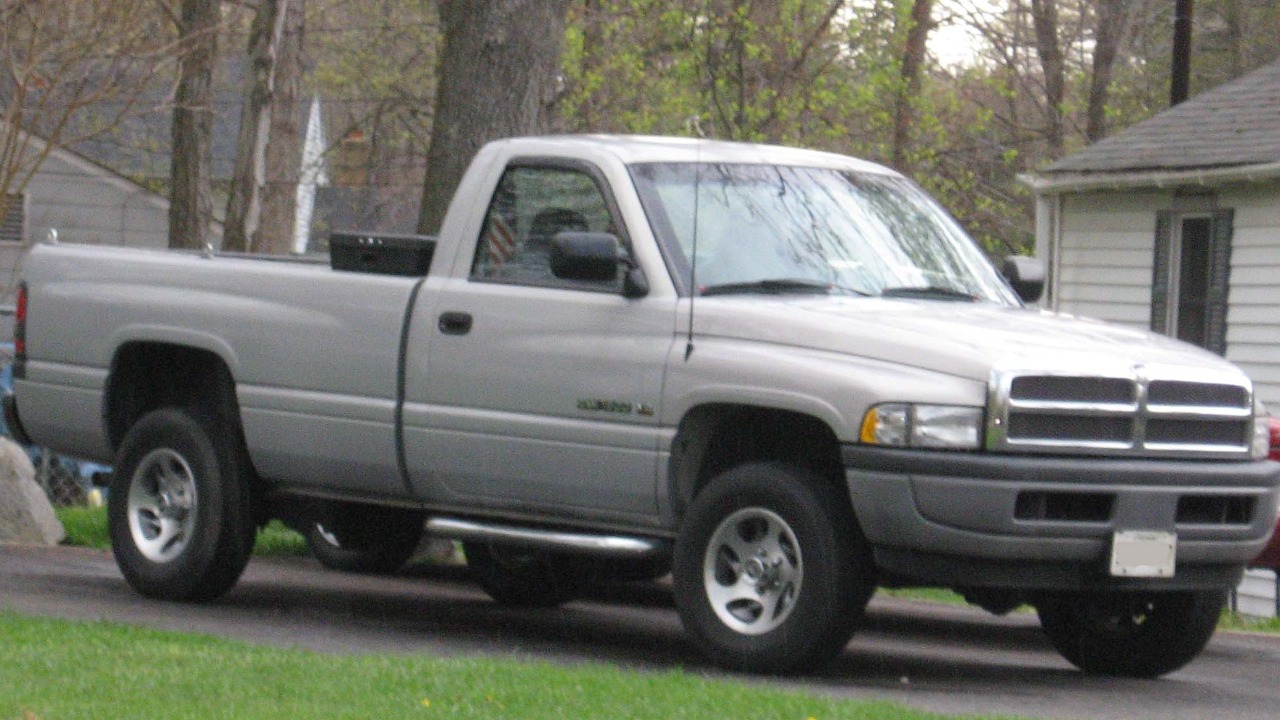
The 1994 Dodge Ram 1500 introduced a bold new design that transformed the pickup truck market. With its aggressive styling and powerful V8 engine options, it quickly gained traction among truck enthusiasts. The Ram was not just a workhorse; it also catered to a growing demographic of drivers who wanted both utility and style. Its spacious cabin and comfortable ride made it a great option for long trips on the Interstate.
The Ram 1500’s success contributed to the rise of the full-size pickup truck segment, which has remained popular in the U.S. ever since. As families began to gravitate toward larger vehicles for their road trips and daily needs, the Ram 1500 set a new standard for capability and comfort, paving the way for future innovations in the truck market.
2000 Toyota Prius
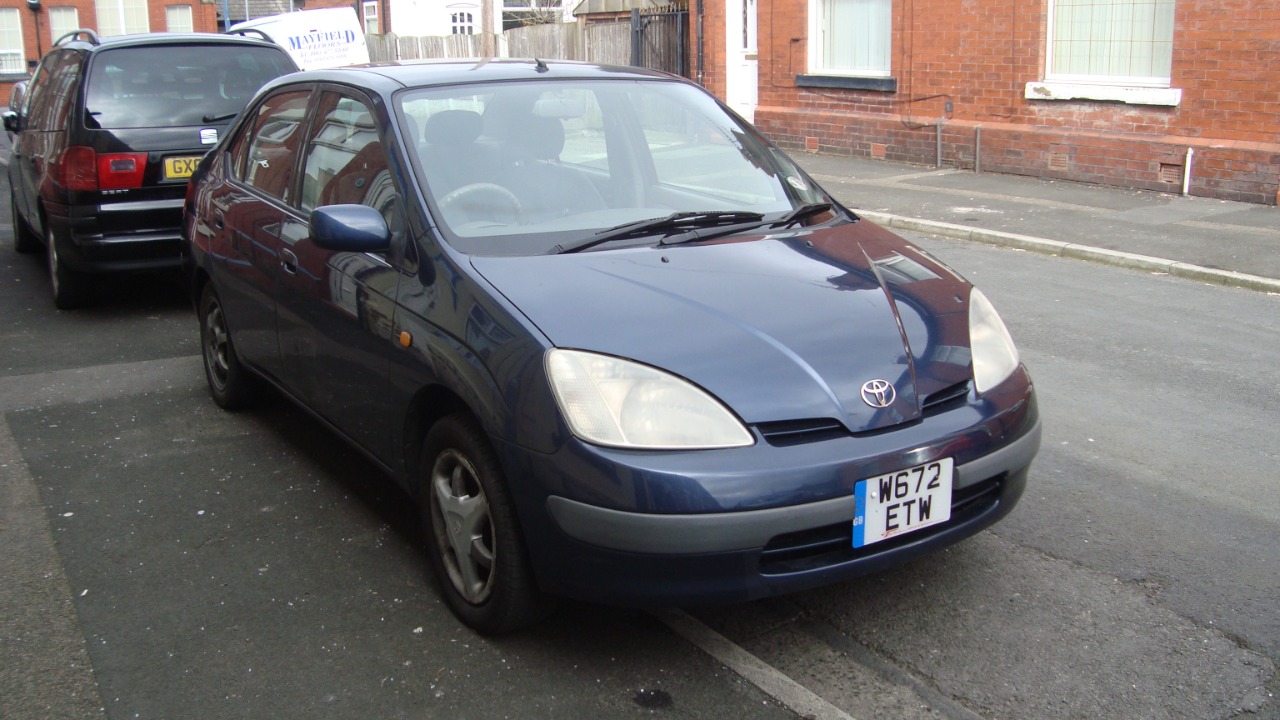
Launched in 2000, the Toyota Prius was the first mass-produced hybrid vehicle and marked a significant shift towards eco-friendly driving. With its fuel-efficient design and innovative technology, the Prius appealed to environmentally conscious consumers who wanted to save on gas while traveling long distances. The Prius became synonymous with green driving, especially as the Interstate system expanded, making it easier to embark on longer trips with fewer stops for fuel.
The Prius’s success inspired other manufacturers to develop their own hybrid models, leading to a more sustainable approach to automotive design. Its impact continues today, as the demand for eco-friendly vehicles grows. The Prius not only changed perceptions of what a car could be but also encouraged the industry to prioritize fuel efficiency.
2004 Ford F-150
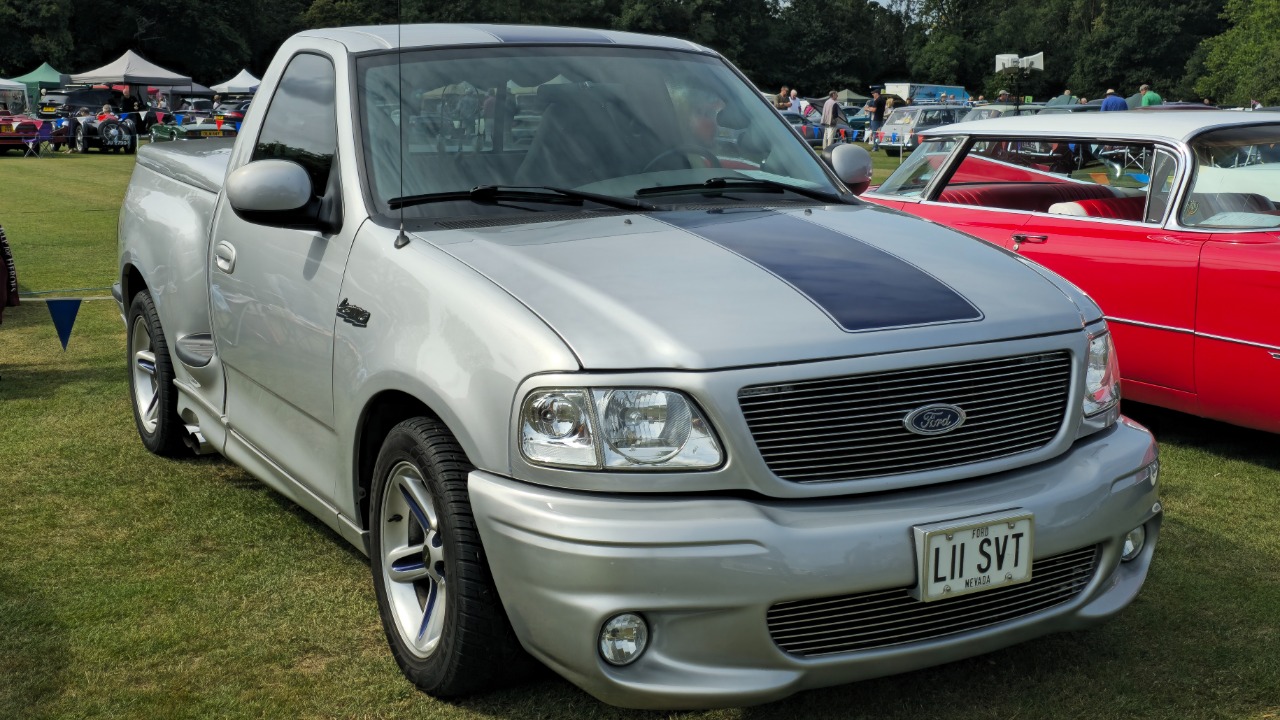
The 2004 Ford F-150 is often recognized as one of the best-selling vehicles in America. Its combination of ruggedness, versatility, and advanced features made it a favorite among truck buyers. With a spacious interior and robust towing capacity, the F-150 was perfectly suited for both work and play, making it a staple for families and contractors alike. As the Interstate system connected more cities and towns, the F-150 became an essential tool for those needing to transport goods or embark on road trips.
The 2004 model introduced significant improvements in safety and technology, enhancing the driving experience. Its popularity helped to solidify the F-Series’s legacy as a dominant force in the pickup truck market. Today, the F-150 remains a testament to Ford’s commitment to quality and innovation.
2015 Tesla Model S
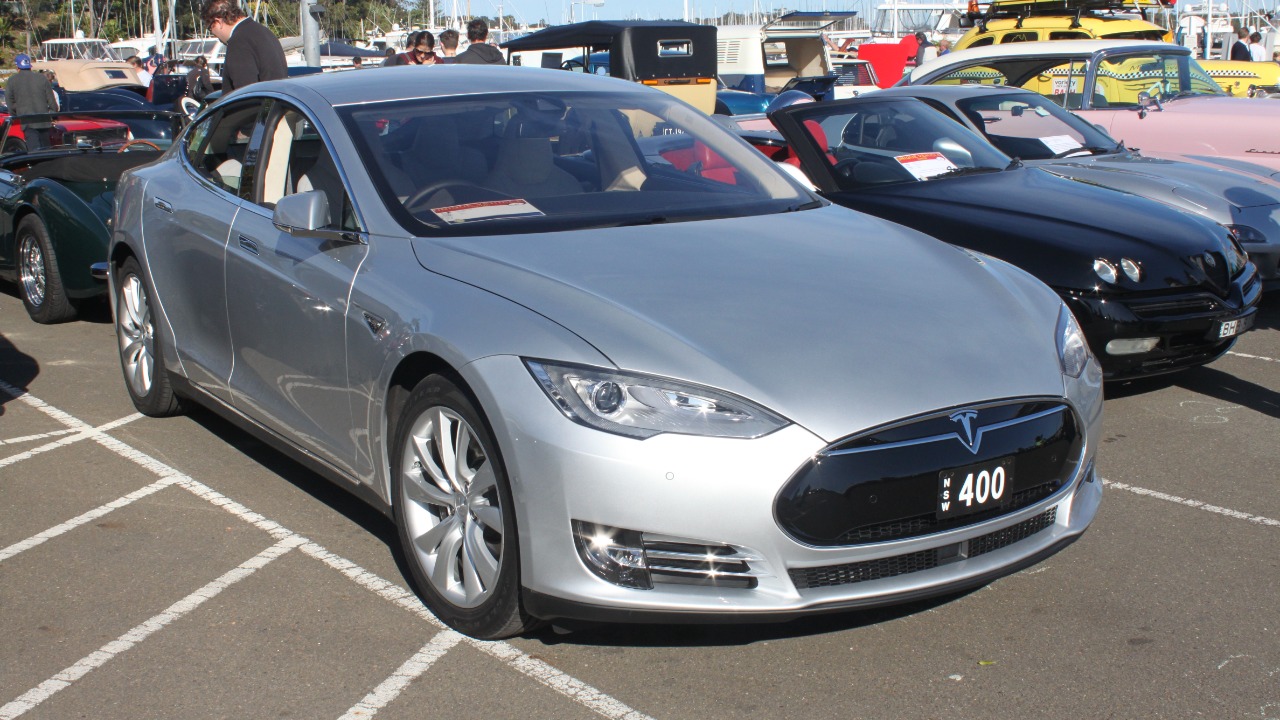
The 2015 Tesla Model S represents a paradigm shift in the automotive industry, showcasing the potential of electric vehicles. With its impressive range and cutting-edge technology, it has redefined what consumers expect from a car. The Model S’s ability to travel long distances on the Interstate without frequent charging has made it a viable option for road trips, appealing to a new generation of environmentally conscious drivers.
Additionally, the Model S features advanced autopilot capabilities, enhancing safety and convenience during long drives. Its sleek design and high performance have garnered numerous awards, making it a standout in the luxury electric vehicle market. The influence of the Model S is evident as more manufacturers embrace electric technology, paving the way for a more sustainable future in automotive travel.
More from Fast Lane Only
- Unboxing the WWII Jeep in a Crate
- 15 rare Chevys collectors are quietly buying
- 10 underrated V8s still worth hunting down
- Police notice this before you even roll window down
*Research for this article included AI assistance, with all final content reviewed by human editors.