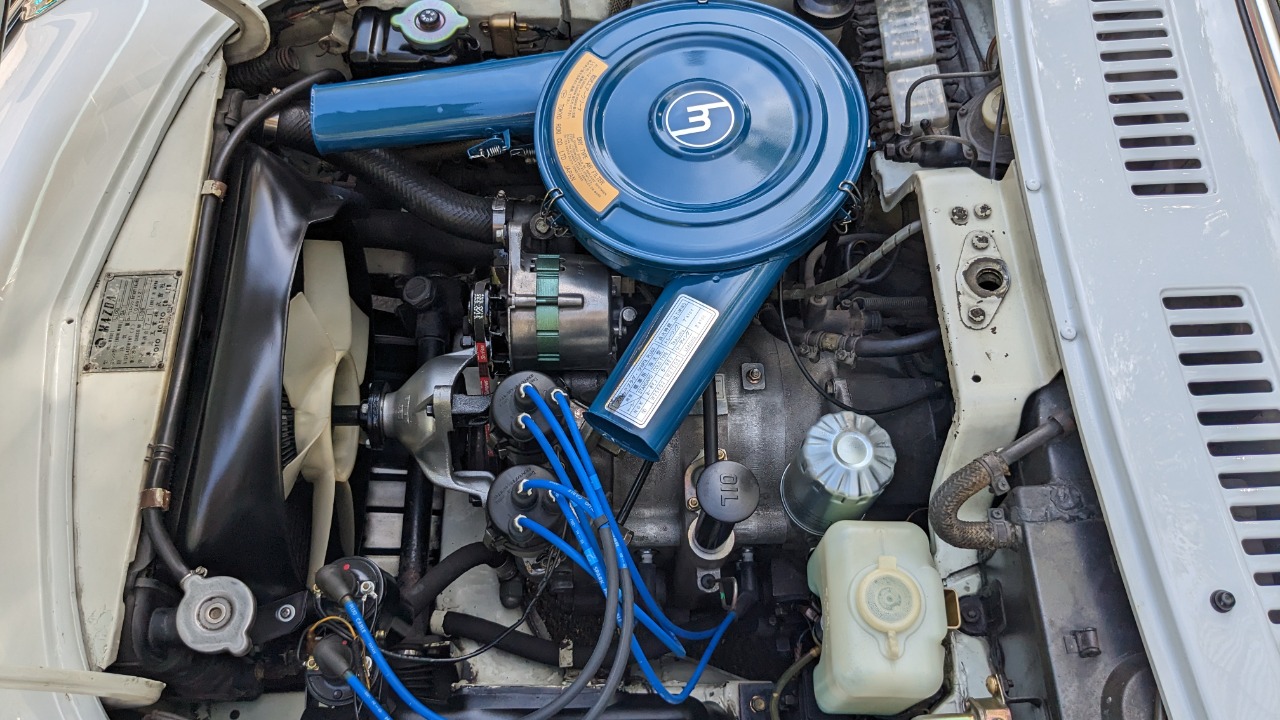
In the world of automotive engineering, certain powerplants often fade into the background despite their impressive capabilities. These engines have made significant contributions to performance and innovation but rarely receive the recognition they deserve. Here’s a look at eight forgotten car powerplants that truly deserve a spotlight.
Chrysler 426 HEMI: The Unsung Hero of Muscle Cars
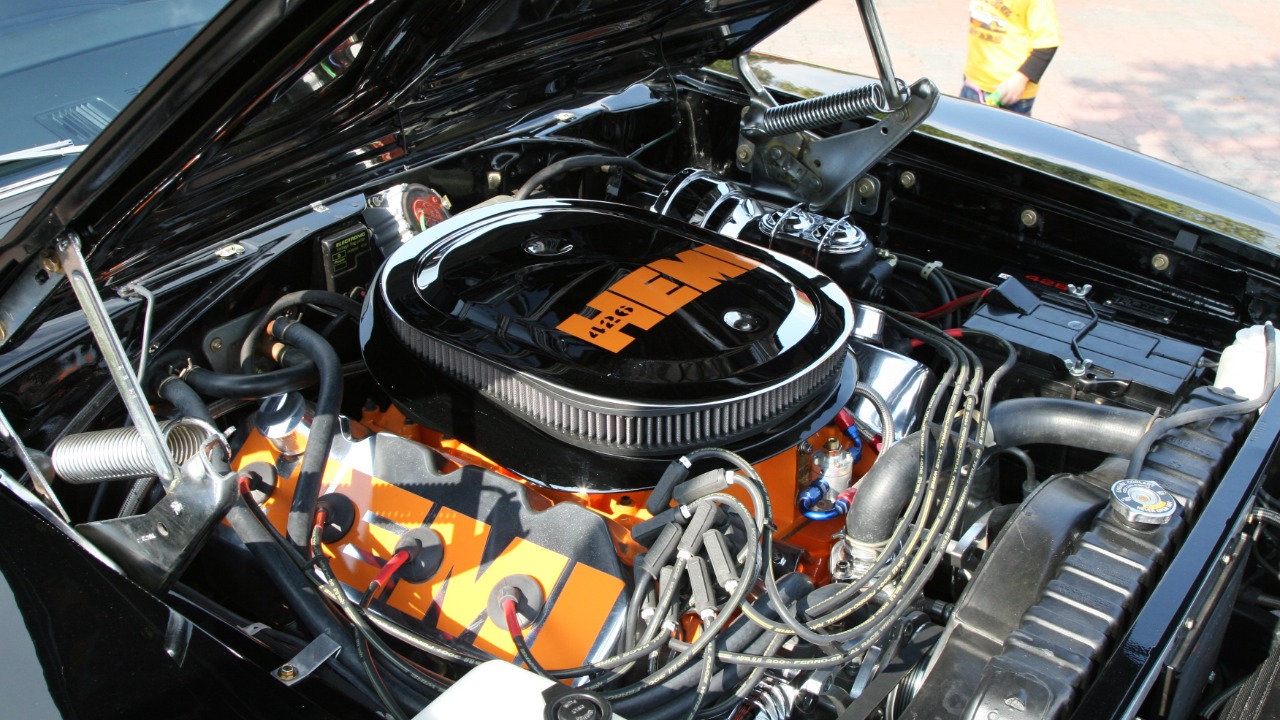
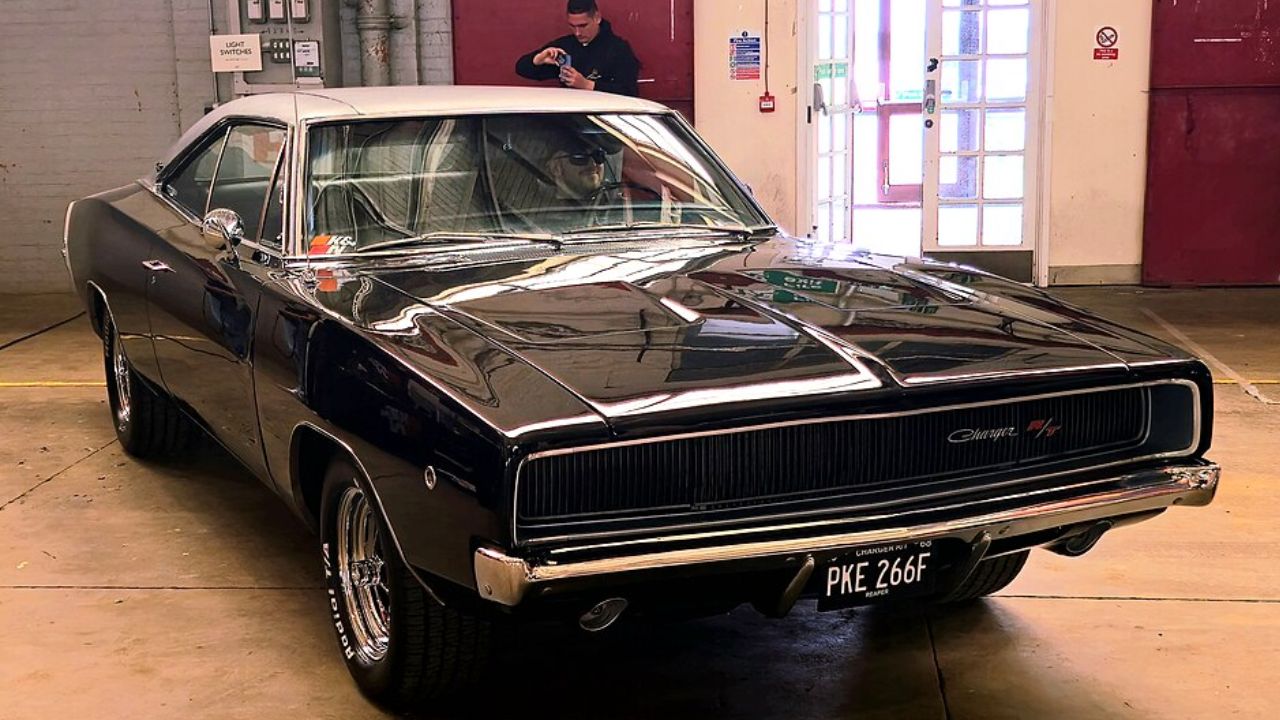
The Chrysler 426 HEMI, introduced in 1964, is often overshadowed by its more famous counterparts in the muscle car era. This engine’s hemispherical combustion chamber design allowed for better airflow and more power, making it a formidable force in drag racing and street performance. Vehicles like the Dodge Charger and Plymouth Superbird showcased its prowess, but it never gained the universal acclaim it deserved.
In racing, the HEMI dominated the NASCAR circuit, with its power and reliability leading to numerous victories. However, as emissions regulations tightened in the 1970s, the HEMI was retired from production, leaving a legacy that has often been forgotten in favor of more modern technologies.
Mazda Wankel Rotary Engine: The Quirky Powerhouse
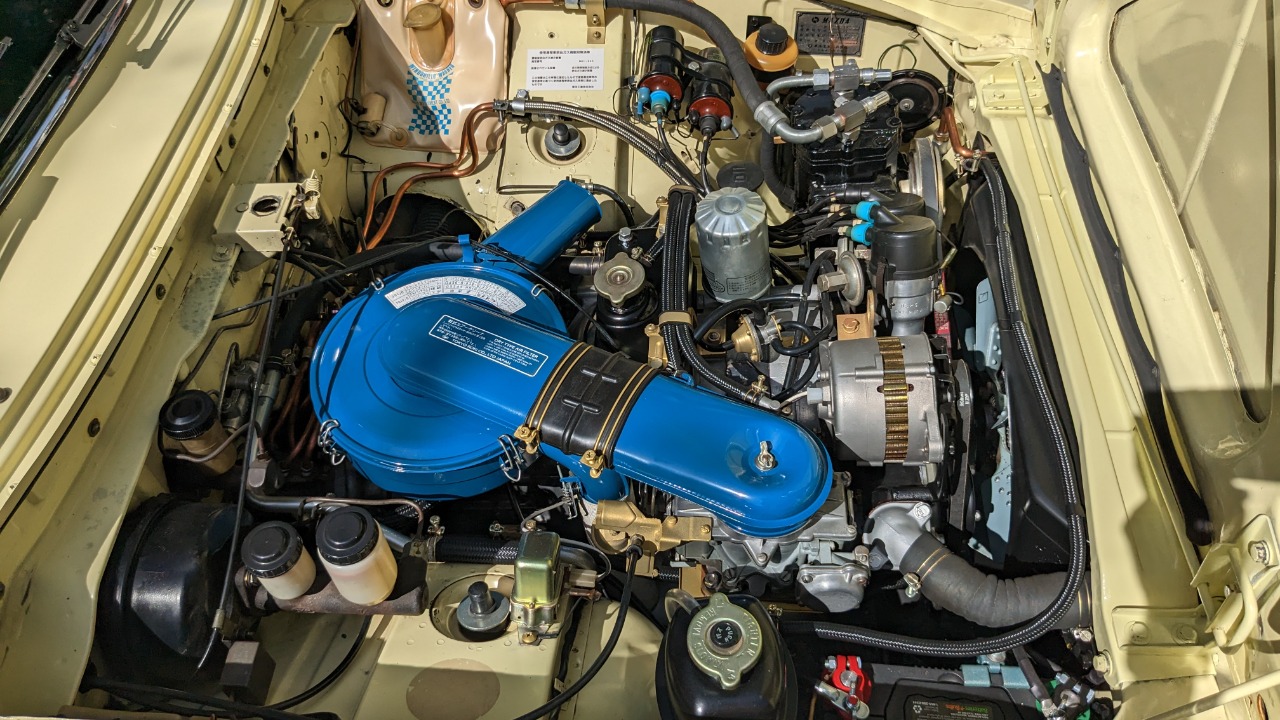
The Mazda Wankel rotary engine is one of the most distinctive engine designs to ever hit the automotive market. First introduced in the 1967 Mazda Cosmo, the rotary engine utilized a triangular rotor that moved in an elliptical chamber, producing smooth power delivery and a compact design. Despite its unique advantages, including lightweight construction and a high power-to-weight ratio, it struggled with fuel efficiency and emissions compared to traditional piston engines.
The rotary engine found a loyal following, especially in the Mazda RX series, but it never achieved the mainstream success it could have. Today, it remains a fascinating engineering marvel that deserves more recognition in the realm of performance engines.
Ford 427 SOHC: The Engine That Could Have Changed Racing
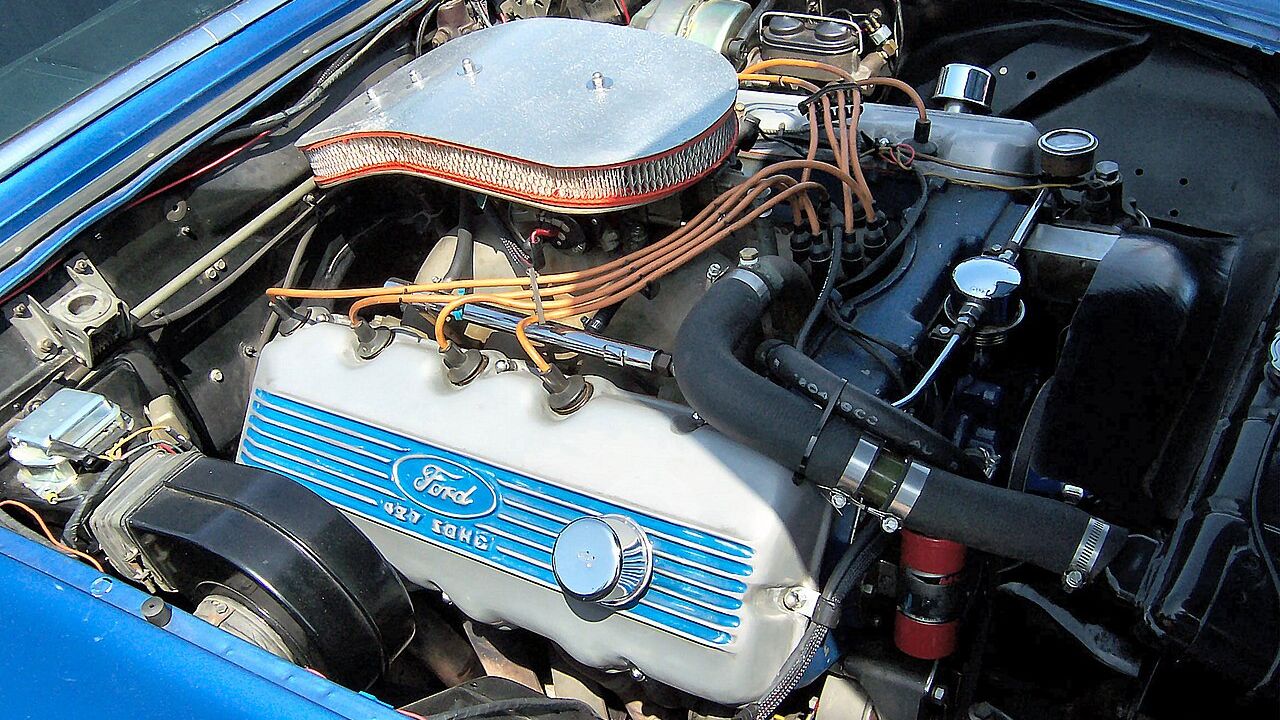
The Ford 427 SOHC (Single Overhead Cam) engine was developed for NASCAR racing in the 1960s, but it never fully realized its potential on the track due to regulatory issues. This engine was capable of producing over 600 horsepower and was a powerhouse in the muscle car scene, powering iconic models like the Ford GT40.
However, the SOHC faced stiff competition and was ultimately sidelined when NASCAR changed its rules to favor engines with smaller displacements. As a result, the 427 SOHC became a footnote in racing history, despite its engineering excellence and incredible potential.
Toyota 2JZ-GTE: The Legendary Turbocharged Inline-Six
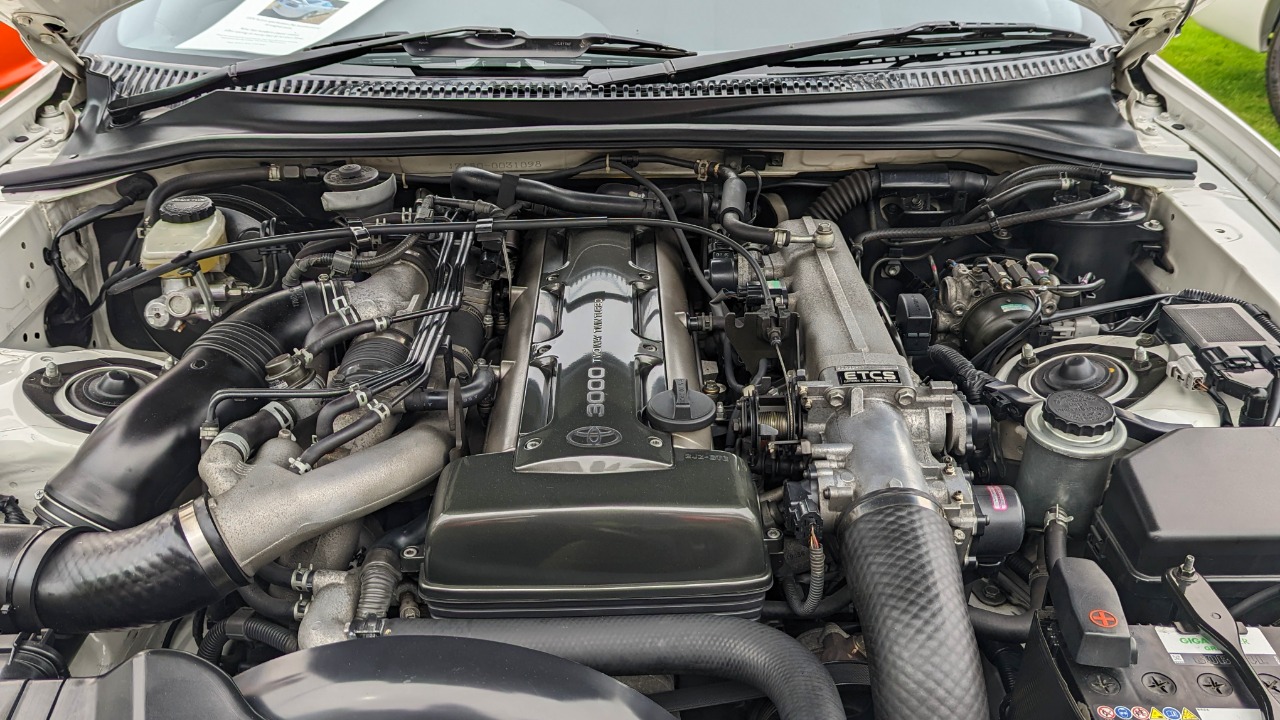
The Toyota 2JZ-GTE is a turbocharged inline-six engine that gained fame for its role in the Toyota Supra Mk4. Known for its bulletproof reliability and incredible tuning potential, the 2JZ-GTE could easily exceed 1,000 horsepower with the right modifications. This made it a favorite among car enthusiasts and tuners alike.
Despite its popularity, the 2JZ-GTE often gets overshadowed by newer turbocharged engines that have emerged in recent years. However, its legacy in the street racing and tuning communities remains strong, representing a high point in Toyota’s engineering prowess.
BMW M88: The Engine Behind the Iconic M1
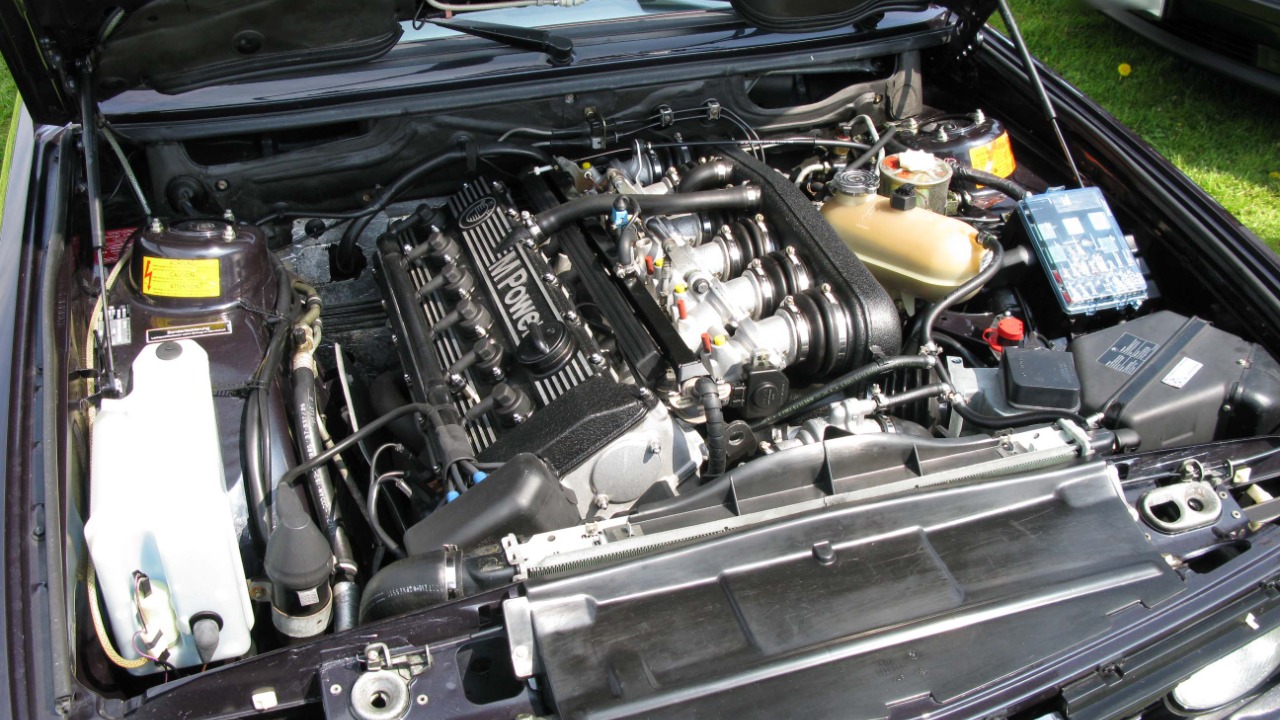
The BMW M88 engine, produced in the late 1970s, powered the legendary BMW M1 sports car. This inline-six engine featured a DOHC design and was capable of producing up to 277 horsepower, making the M1 one of the fastest cars of its time. The M88 was also derived from the engine used in the BMW 3.0 CSL racing car, showcasing its performance pedigree.
Despite its impressive capabilities, the M88 has faded from public consciousness, often overlooked in favor of later BMW engines like the S50 and S54. However, its contribution to the success of the M1 and its influence on future BMW performance models cannot be understated.
Nissan SR20DET: The Boosted Inline-Four That Built a Scene
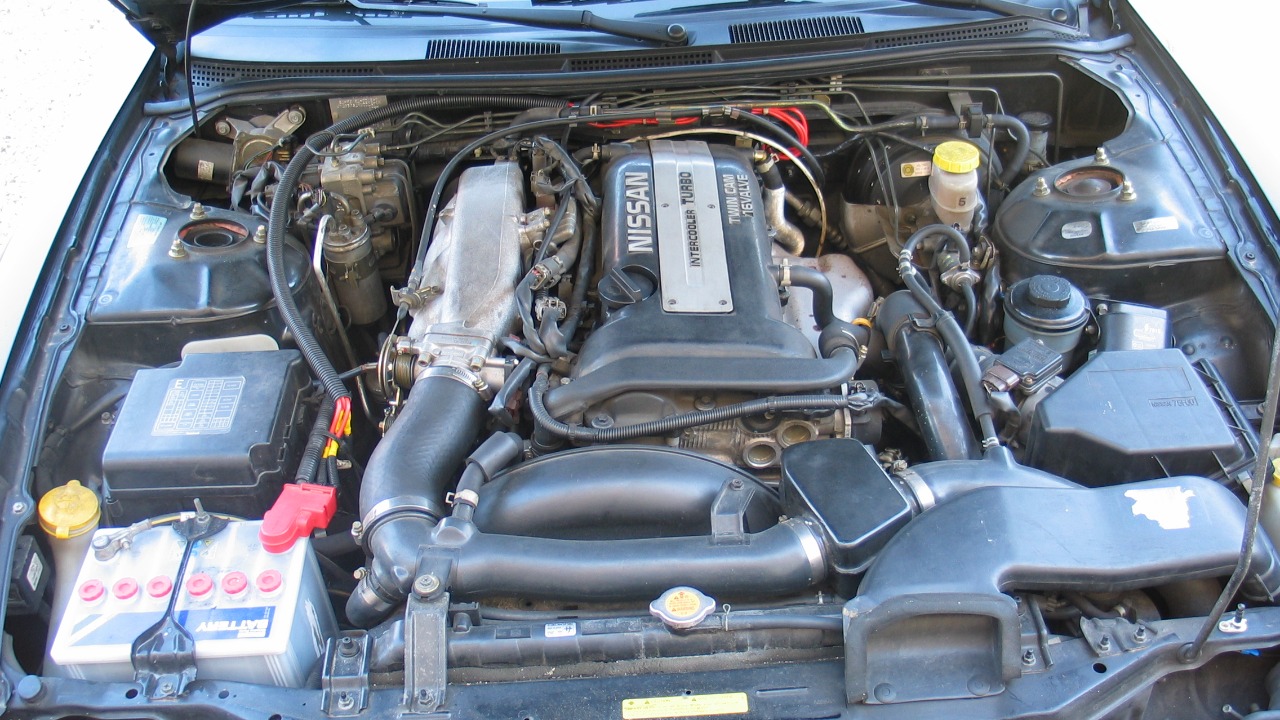
The Nissan SR20DET is an inline-four engine that became a staple in the drifting and tuning communities during the 1990s. First introduced in the Nissan Silvia, this engine offered a combination of turbocharging and solid performance at an affordable price point. Its popularity soared among car enthusiasts, leading to a vibrant aftermarket scene.
While the SR20DET may not have the same iconic status as other engines, it played a crucial role in defining the drifting culture and remains a favorite among tuners. Its reliable performance and tuning potential have made it a key player in the evolution of performance cars.
Porsche 917 Flat-12: The Heart of Endurance Racing Glory
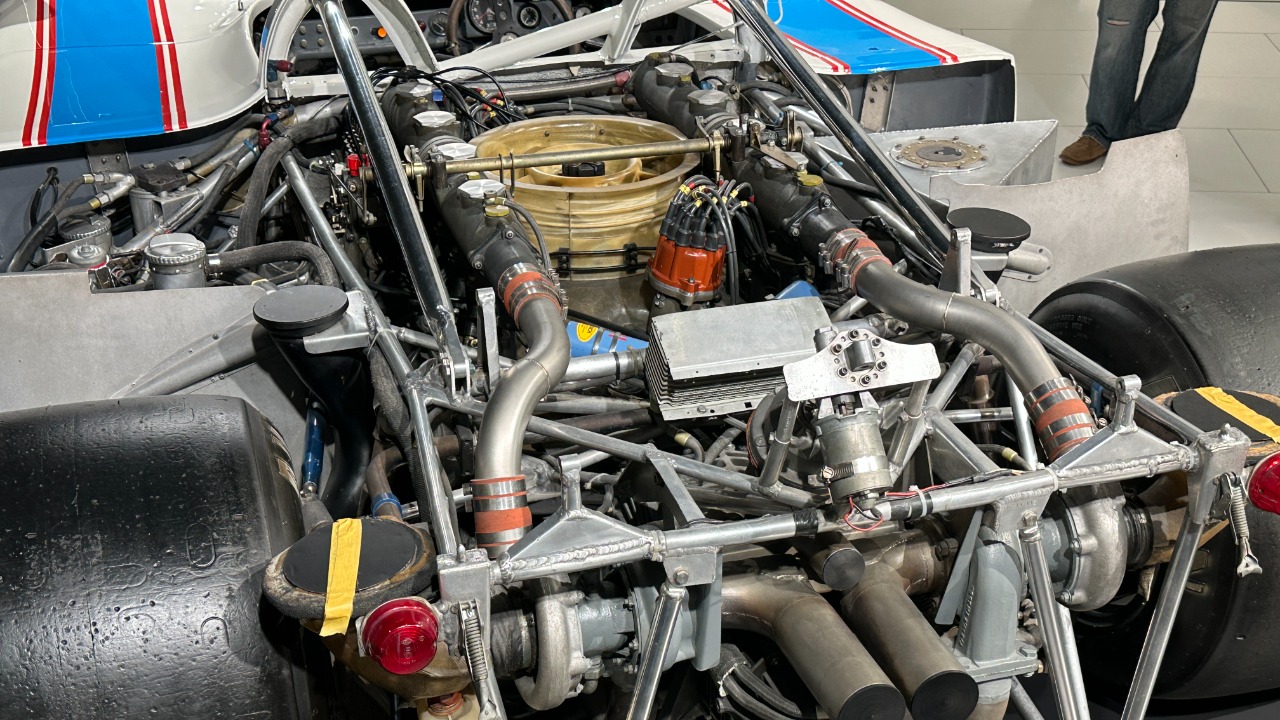
The Porsche 917 was powered by a flat-12 engine that became synonymous with endurance racing in the early 1970s. Capable of producing over 600 horsepower, this engine helped Porsche secure multiple victories at the 24 Hours of Le Mans. The 917’s unique design allowed for a low center of gravity, contributing to its incredible handling.
Despite its racing success, the 917 flat-12 is often overshadowed by more modern engines in Porsche’s lineup. However, its engineering brilliance and racing achievements remain a testament to Porsche’s commitment to performance and innovation.
Buick 3.8-Liter V6: The Overlooked Performer of American Muscle
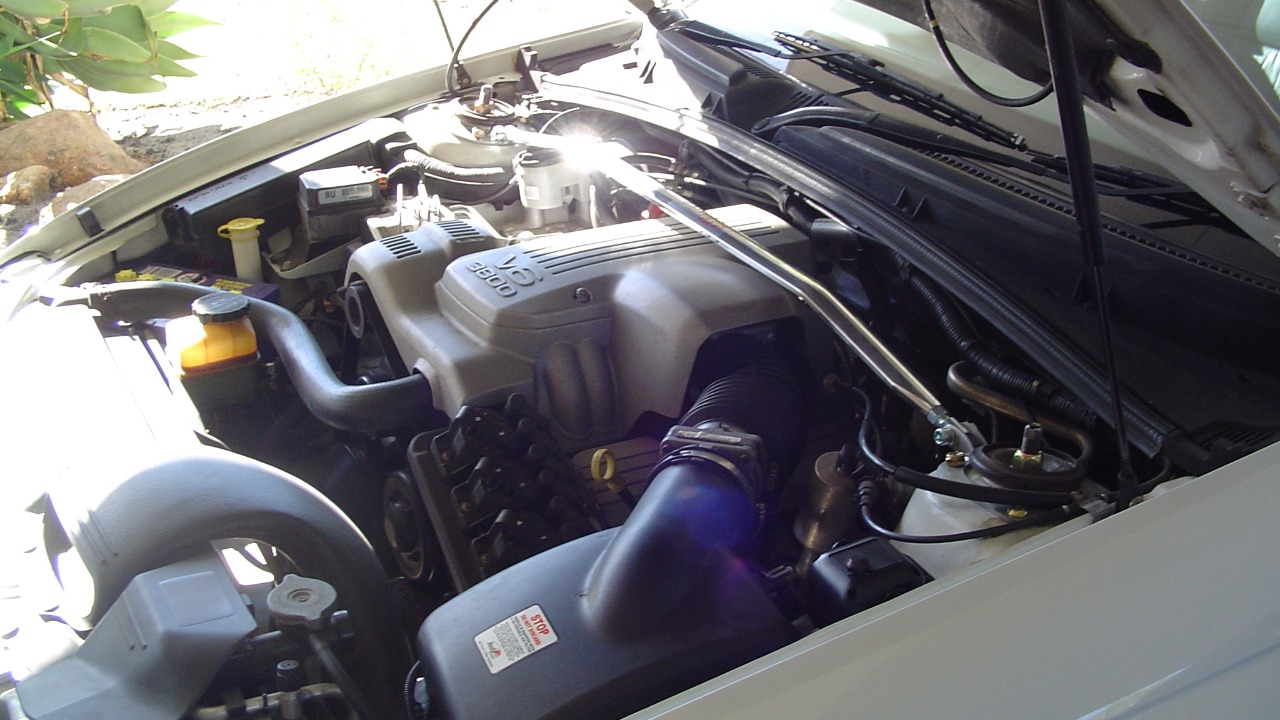
The Buick 3.8-liter V6 engine often gets overshadowed by its V8 counterparts in the muscle car era. Introduced in the 1960s, this engine offered impressive power and torque, especially in models like the Buick Grand National. Its turbocharged variant could produce over 300 horsepower, making it a serious contender against V8 muscle.
Despite its capabilities, the 3.8-liter V6 remains relatively unknown compared to the more celebrated V8s. However, its performance in the right applications demonstrates that it deserves more recognition in the history of American muscle cars.
More from Fast Lane Only
- Unboxing the WWII Jeep in a Crate
- 15 rare Chevys collectors are quietly buying
- 10 underrated V8s still worth hunting down
- Police notice this before you even roll window down
*Research for this article included AI assistance, with all final content reviewed by human editors.