The Interstate era transformed American travel, making road trips more accessible and appealing than ever before. A range of iconic automobiles emerged during this period, each contributing to the culture of freedom and exploration on the open road. Here’s a look at ten unforgettable vehicles that defined this automotive revolution.
1956 Ford Thunderbird
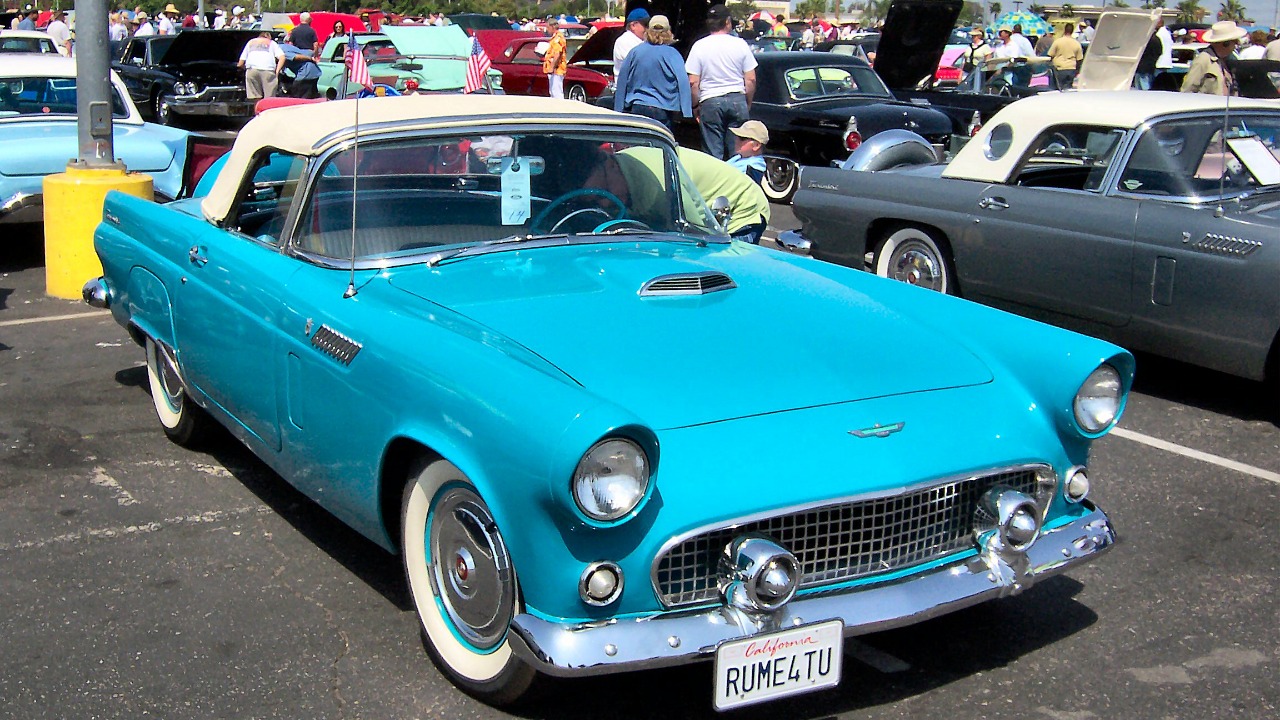
The 1956 Ford Thunderbird marked a significant shift in American car design, introducing a sporty yet luxurious coupe that appealed to a wide audience. With its sleek lines and powerful V8 engine, the Thunderbird quickly became a symbol of post-war prosperity. Its innovative features, such as electric windows and a removable hardtop, set new standards for comfort and style. I often think of how this car embodied the spirit of adventure, encouraging drivers to hit the highways with confidence.
Not only did it appeal to enthusiasts, but the Thunderbird also showcased Ford’s ability to innovate and meet consumer demands. It paved the way for future models and helped solidify Ford’s reputation in the automotive industry. The Thunderbird’s legacy continues to influence car designs today, reminding us of a time when automobiles were more than just a means of transportation.
1964 Chevrolet Malibu
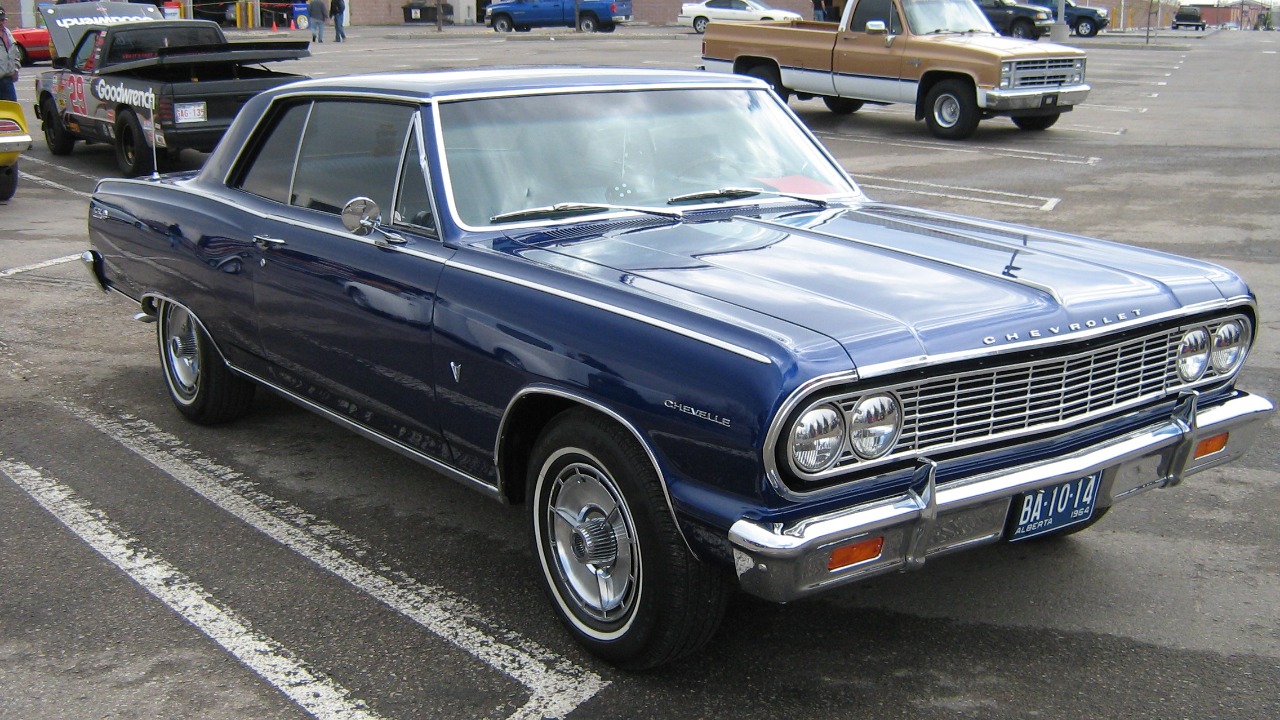
The 1964 Chevrolet Malibu represented the birth of the mid-size car segment in America, combining practicality with performance. With its stylish design and range of engine options, it quickly became a favorite among families and young drivers alike. I often recall how the Malibu made road trips more enjoyable, offering enough space for passengers while delivering a spirited driving experience.
This model helped to popularize the concept of the “muscle car,” with its powerful V8 variants appealing to those looking for thrills on the open road. The Malibu’s success set a precedent for Chevrolet’s future offerings, establishing a legacy that persists in the brand’s lineup today.
1970 Plymouth Road Runner
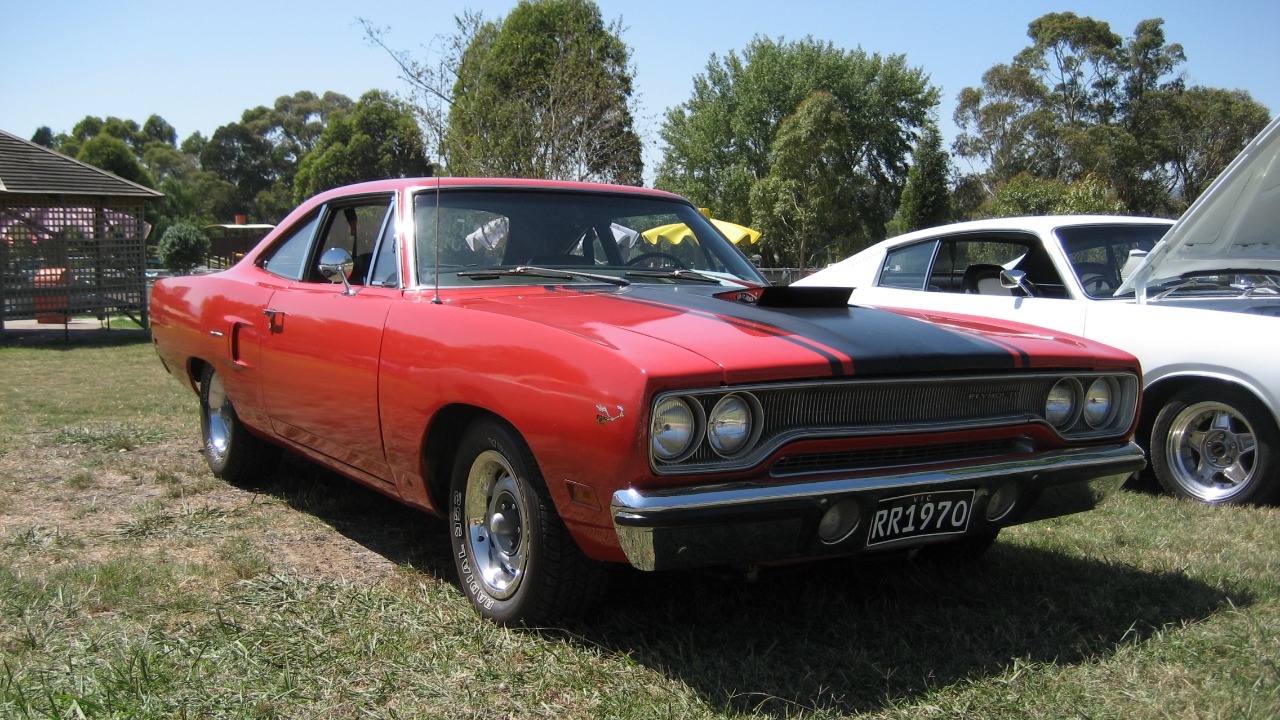
The 1970 Plymouth Road Runner is a classic example of American muscle, designed for performance enthusiasts who craved speed and power. With its lightweight body and robust V8 engine options, the Road Runner quickly earned a reputation as a street and strip contender. I admire how Plymouth managed to deliver a no-frills car that focused purely on performance, appealing to a generation eager to experience the thrill of the Interstate.
Its distinctive styling, featuring the iconic “beep-beep” horn, made it instantly recognizable. The Road Runner not only captured the essence of the muscle car era but also laid the groundwork for future performance vehicles that prioritize speed and excitement over luxury.
1965 Volkswagen Beetle

The 1965 Volkswagen Beetle is one of the most recognizable cars in the world, known for its unique design and reliability. This compact vehicle gained a cult following in the United States during the 1960s, appealing to a generation seeking affordable and efficient transportation. I often reflect on how the Beetle became a symbol of counterculture, embodying the spirit of freedom that defined the road trip experience.
Its simple mechanics made it easy to maintain, while its quirky design attracted a diverse range of drivers. The Beetle’s enduring popularity has been a testament to its charm and practicality, influencing countless other models over the decades.
1973 Dodge Charger
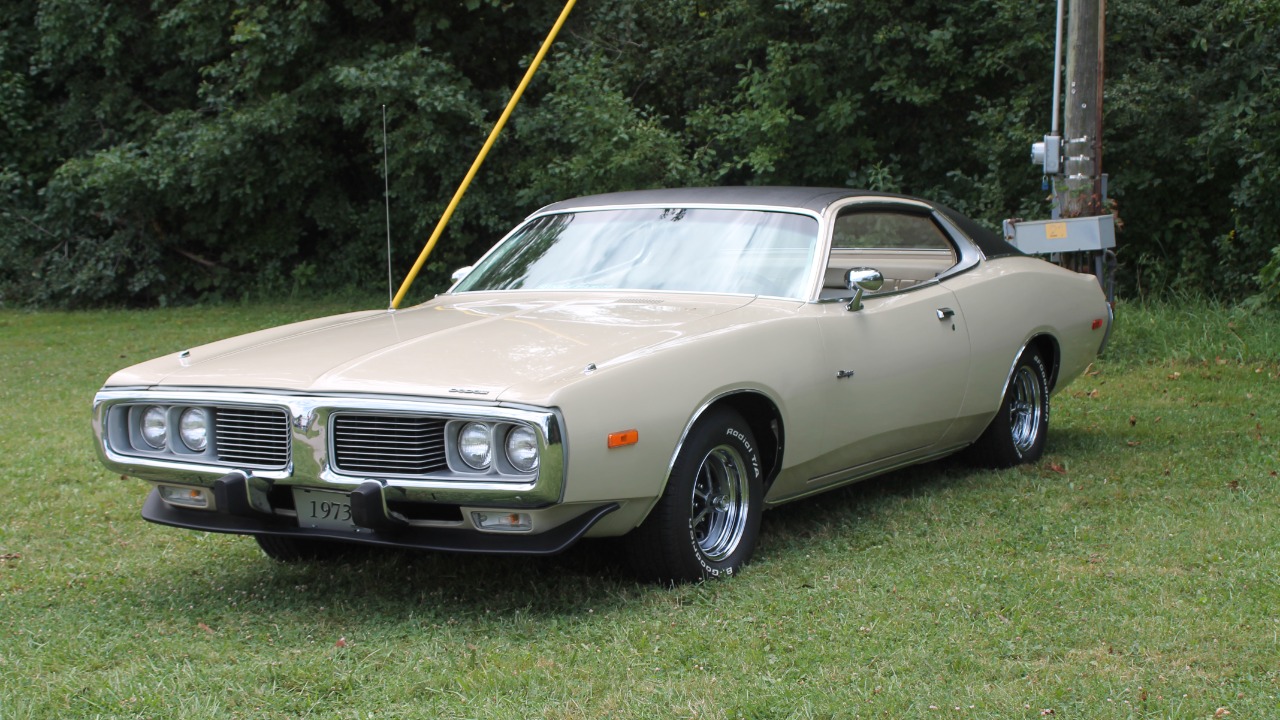
The 1973 Dodge Charger is often associated with the golden age of American muscle cars, combining bold styling with powerful performance. Featuring a long hood and a fastback design, it was a head-turner on the highways. I appreciate how the Charger managed to blend aesthetics with speed, appealing to those who wanted a car that could make a statement while delivering an exhilarating drive.
Despite the challenges of the oil crisis, the Charger maintained its status as a beloved vehicle for enthusiasts. Its legacy continues to inspire modern muscle cars, proving that a powerful engine and striking design can create an unforgettable driving experience.
1983 Chevrolet Corvette C4
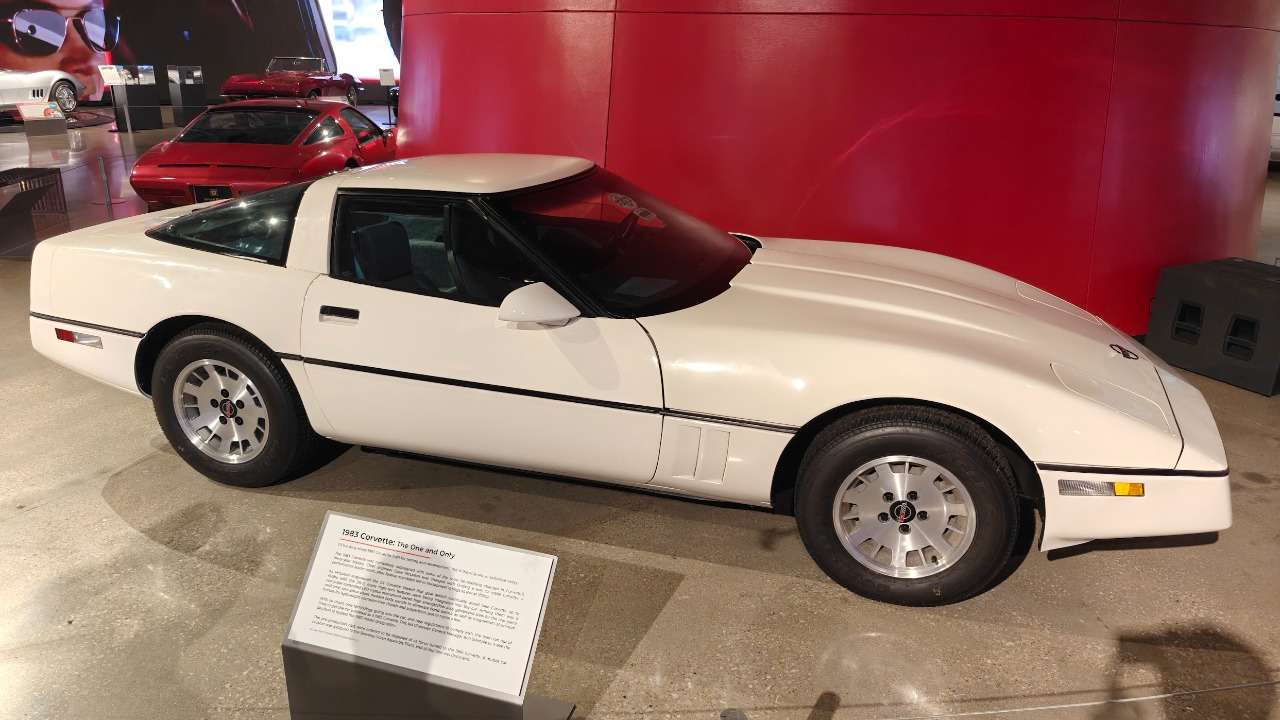
The 1983 Chevrolet Corvette C4 marked a new era for America’s sports car, emphasizing technology and performance. Featuring a sleek, aerodynamic design, the C4 was equipped with advanced features that made it stand out in the automotive landscape. I find it fascinating how this model embraced innovation, offering improved handling and fuel efficiency compared to its predecessors.
As one of the first Corvettes to utilize a digital dashboard, the C4 attracted tech-savvy drivers and set the stage for future advancements in automotive technology. Its legacy is evident today, as the Corvette remains a symbol of American engineering excellence.
1977 Pontiac Trans Am
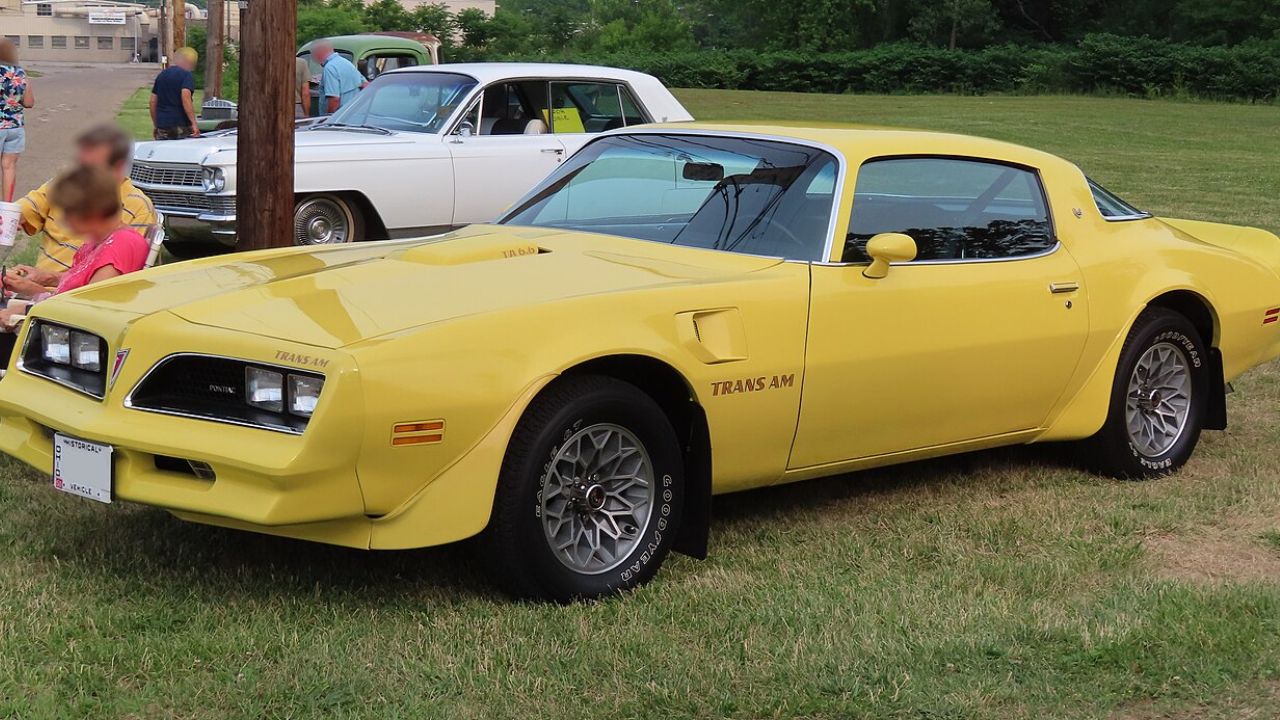
The 1977 Pontiac Trans Am is synonymous with the muscle car culture of the late 1970s. Famous for its bold styling and powerful V8 engines, the Trans Am captured the imagination of car enthusiasts and casual drivers alike. I often think of the car’s role in pop culture, particularly its appearance in films like “Smokey and the Bandit,” which solidified its status as an American icon.
The Trans Am’s iconic “screaming chicken” hood decal and aggressive stance made it a standout on the road. Its blend of performance and style helped define an era, ensuring that the Trans Am remains a cherished classic among collectors and fans today.
1984 Chrysler Minivan
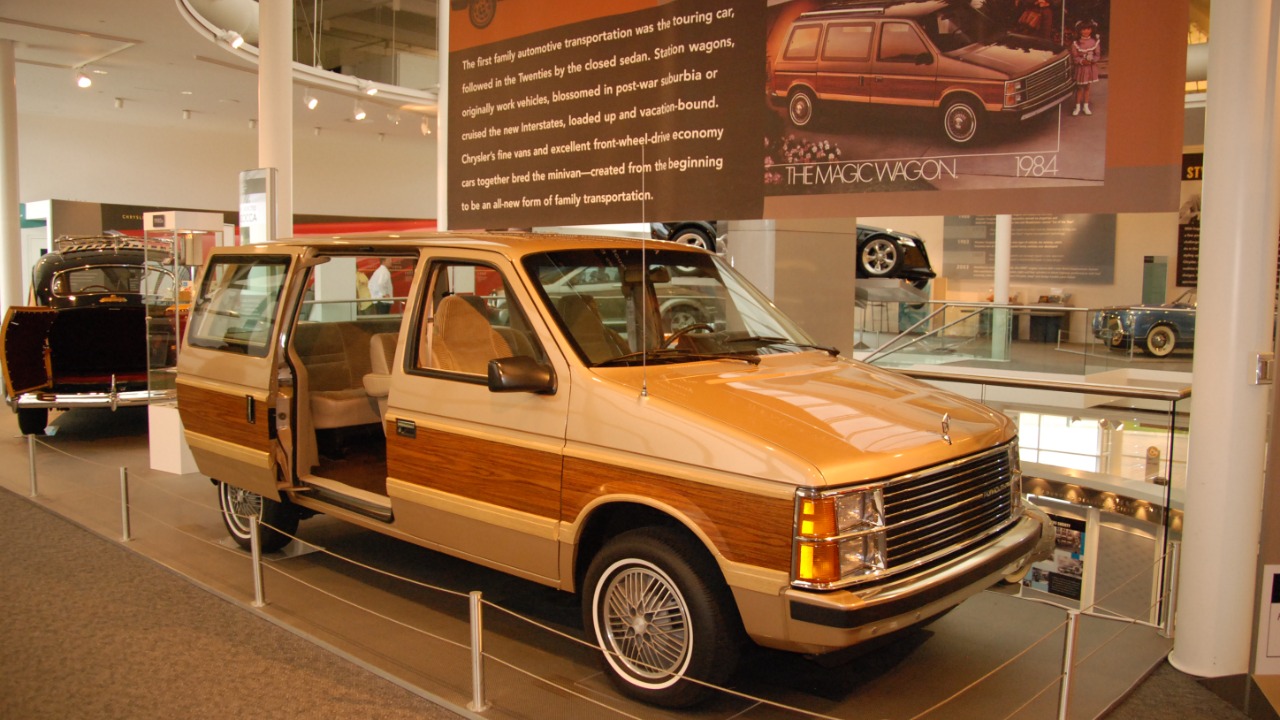
The 1984 Chrysler minivan revolutionized family travel by introducing a new class of vehicles that prioritized space and versatility. With its innovative design, this minivan offered ample room for passengers and cargo while maintaining a car-like driving experience. I appreciate how this model transformed family road trips, making them more comfortable and enjoyable for everyone involved.
By combining practicality with affordability, Chrysler’s minivan quickly became a staple for families across America. Its success prompted other manufacturers to follow suit, leading to the widespread popularity of minivans that we see on the roads today.
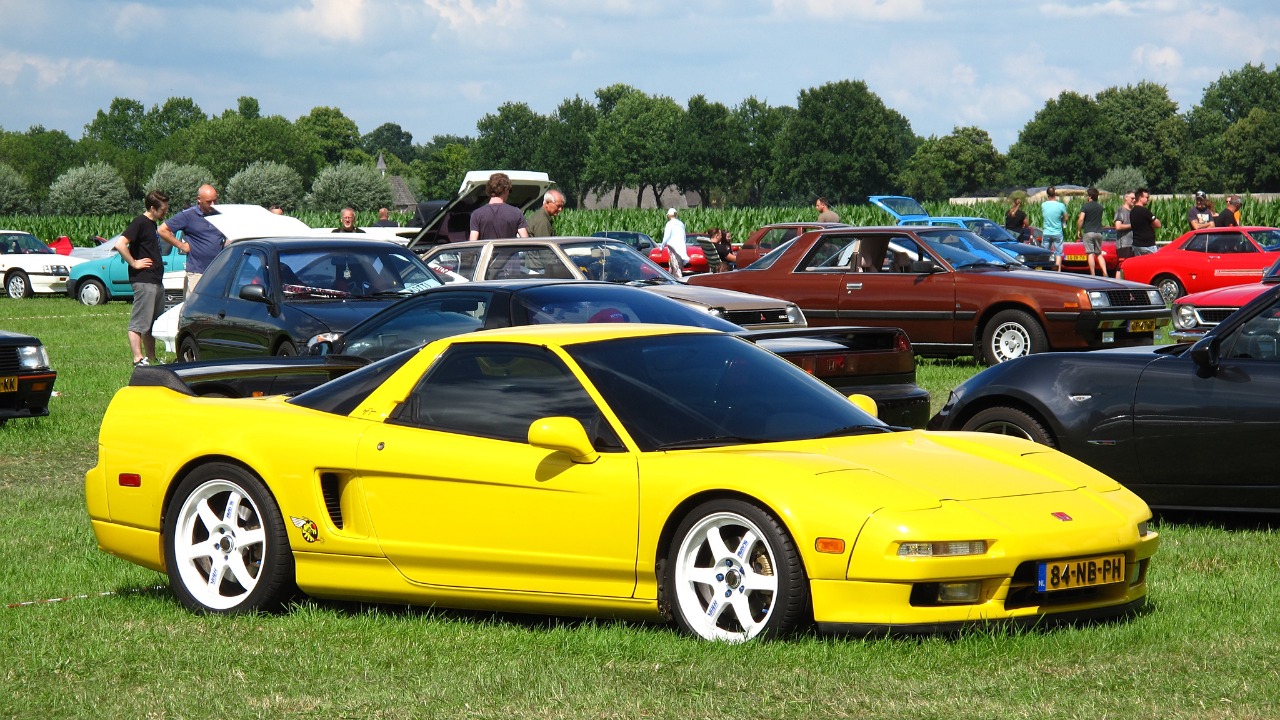
1991 Acura NSX

The 1991 Acura NSX was a game-changer in the sports car world, combining Japanese engineering with Italian-inspired design. It was one of the first cars to utilize an all-aluminum body, making it lightweight and agile on the road. I find it remarkable how the NSX challenged established European brands by offering exceptional performance at a more accessible price point, appealing to a broader audience of sports car enthusiasts.
With its mid-engine layout and balanced handling, the NSX became a favorite among drivers seeking a thrilling driving experience. Its legacy continues to influence modern supercars, demonstrating the impact that this groundbreaking model had on the automotive industry.
2001 Ford Escape

The 2001 Ford Escape marked Ford’s entry into the burgeoning compact SUV market, blending the versatility of an SUV with the practicality of a car. Its spacious interior and robust performance made it an ideal choice for families and adventurers alike. I admire how the Escape catered to the growing demand for vehicles that could handle both urban commutes and weekend getaways.
This model helped to redefine the concept of personal transportation in the early 2000s, as more drivers sought vehicles that offered a balance of comfort, space, and performance. The Escape’s success paved the way for the SUV craze that continues to dominate the automotive market today.
More from Fast Lane Only
- Unboxing the WWII Jeep in a Crate
- 15 rare Chevys collectors are quietly buying
- 10 underrated V8s still worth hunting down
- Police notice this before you even roll window down
*Research for this article included AI assistance, with all final content reviewed by human editors.