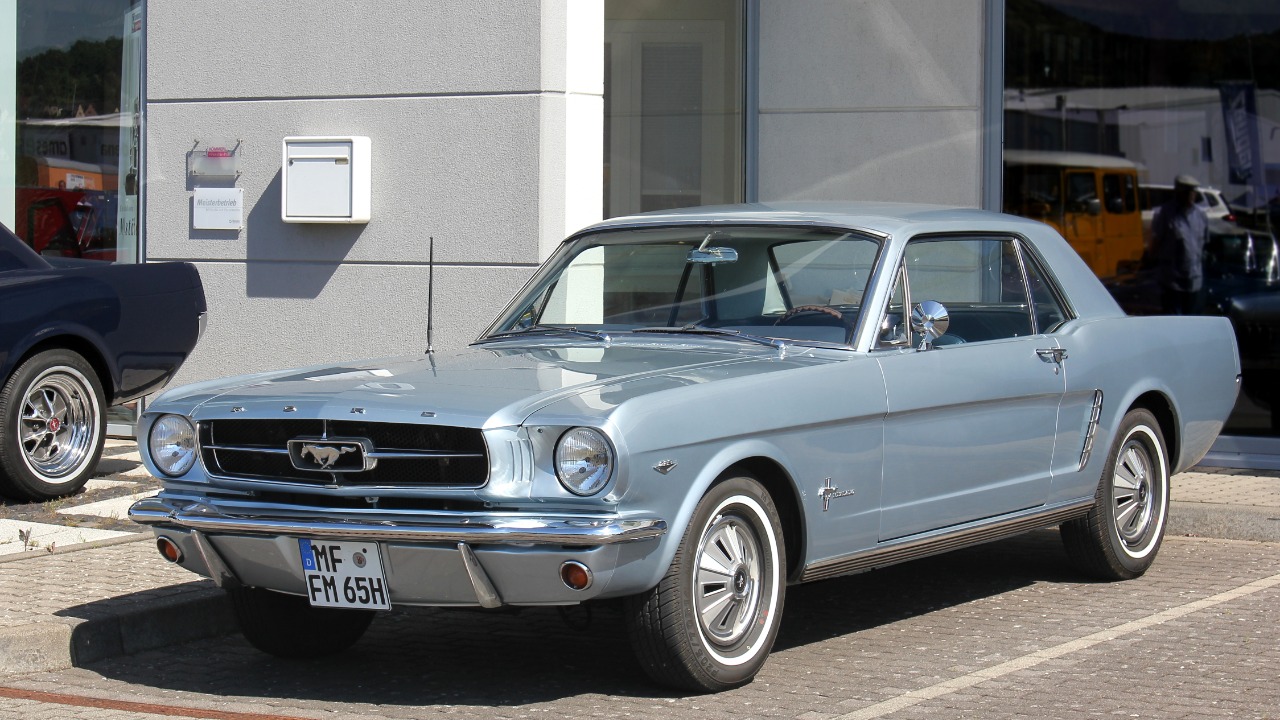
The post-World War II era was a time of significant change and growth, especially in the automotive industry. As Americans returned from war, the demand for vehicles surged, symbolizing newfound prosperity and freedom. Here are nine vehicles that not only defined this transformative period but also reflected the spirit and aspirations of the time.
1946 Willys Jeep
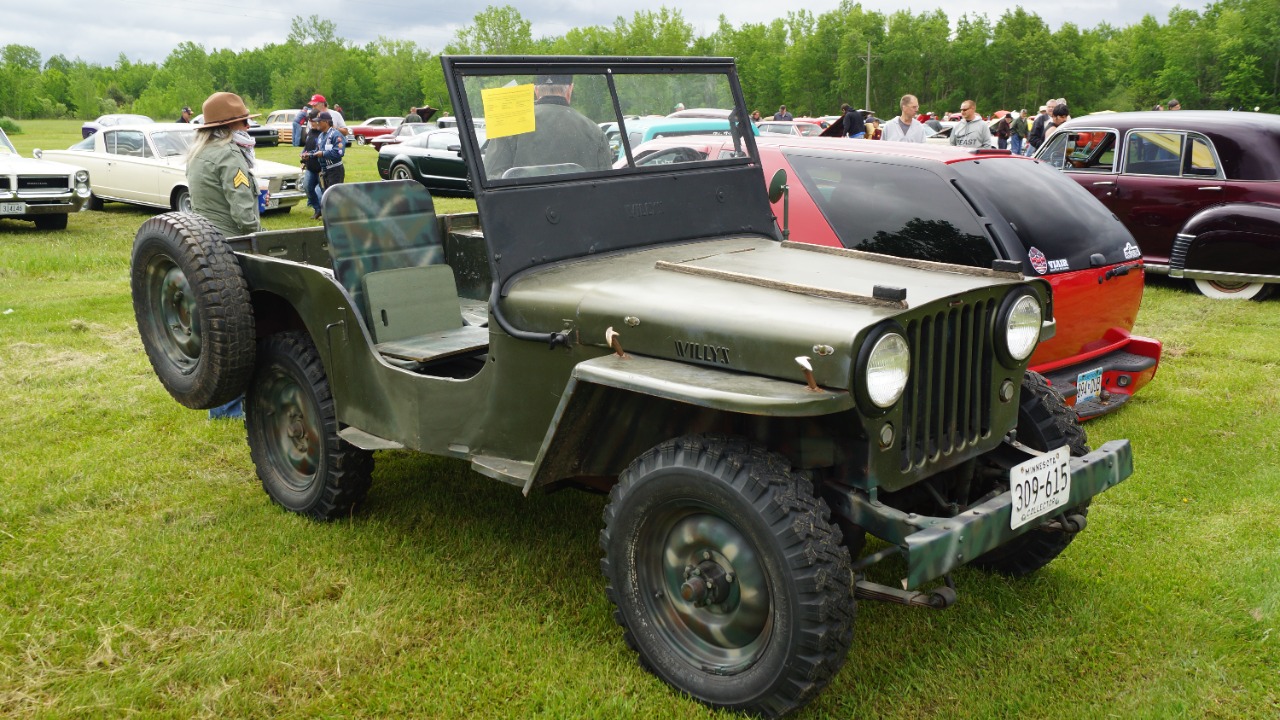
The 1946 Willys Jeep is perhaps the most iconic military vehicle to transition into civilian life. Originally designed for the U.S. Army during World War II, the Jeep became a symbol of rugged American resilience. Its compact size and off-road capabilities made it perfect for both work and play, appealing to the growing suburban lifestyle. By offering versatility, the Willys Jeep embodied the spirit of adventure that characterized the postwar era.
Moreover, its design influenced countless SUVs and off-road vehicles that followed. The Jeep’s ability to conquer various terrains made it a favorite among outdoor enthusiasts, solidifying its place in American culture. As the nation rebuilt and expanded, the Willys Jeep became a testament to the possibilities that lay ahead.
1949 Cadillac Series 61
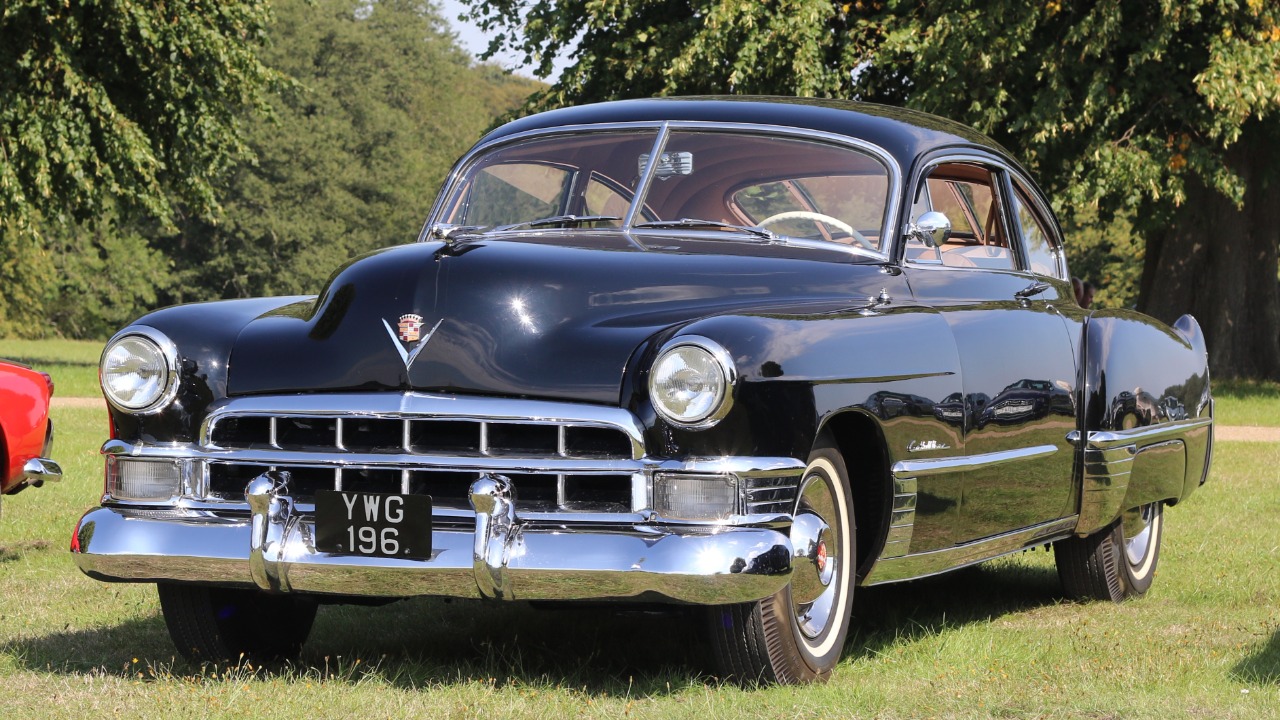
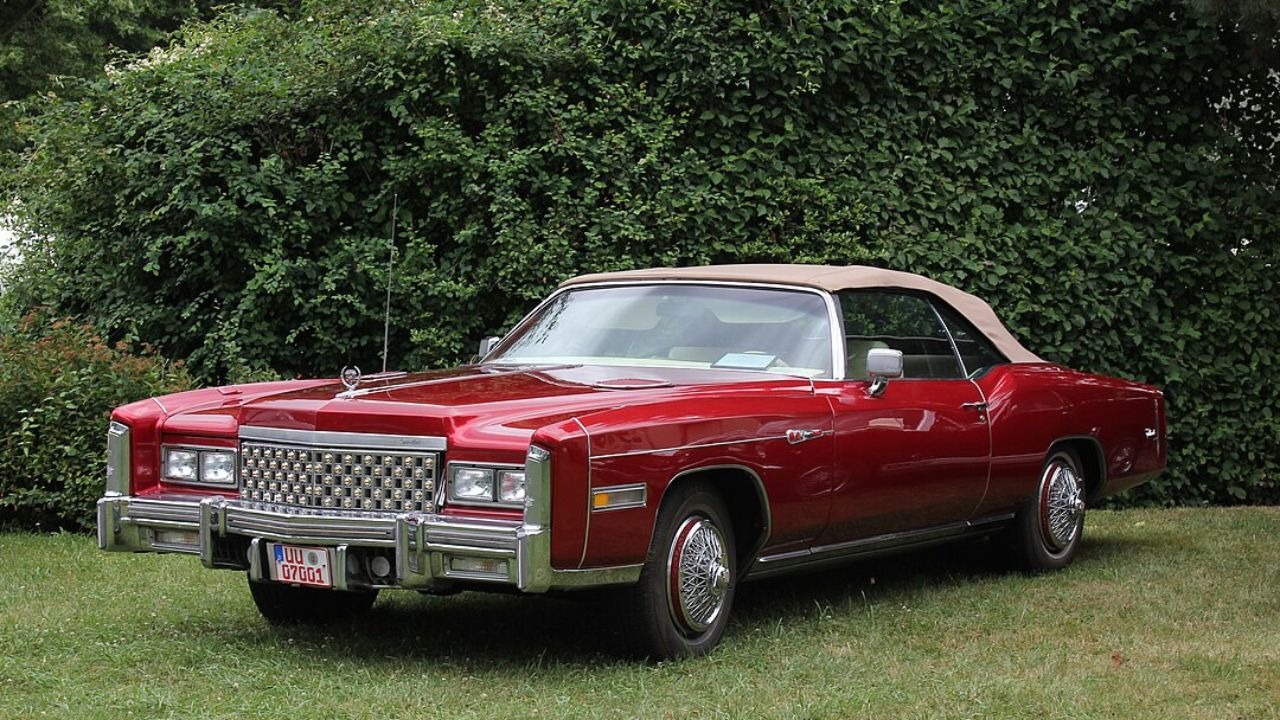
The 1949 Cadillac Series 61 was a dazzling representation of luxury and style during the postwar boom. Featuring sleek lines and an impressive V8 engine, this model captured the essence of American aspiration. Cadillac’s reputation for elegance made it a popular choice among the affluent, symbolizing the newfound wealth and consumerism of the time.
What set the Series 61 apart was its commitment to innovation, with features like a fully automatic transmission and power windows, which were groundbreaking for the era. The car was not just a means of transportation but a status symbol, reflecting the American dream of prosperity and success in the postwar landscape.
1950 Volkswagen Beetle
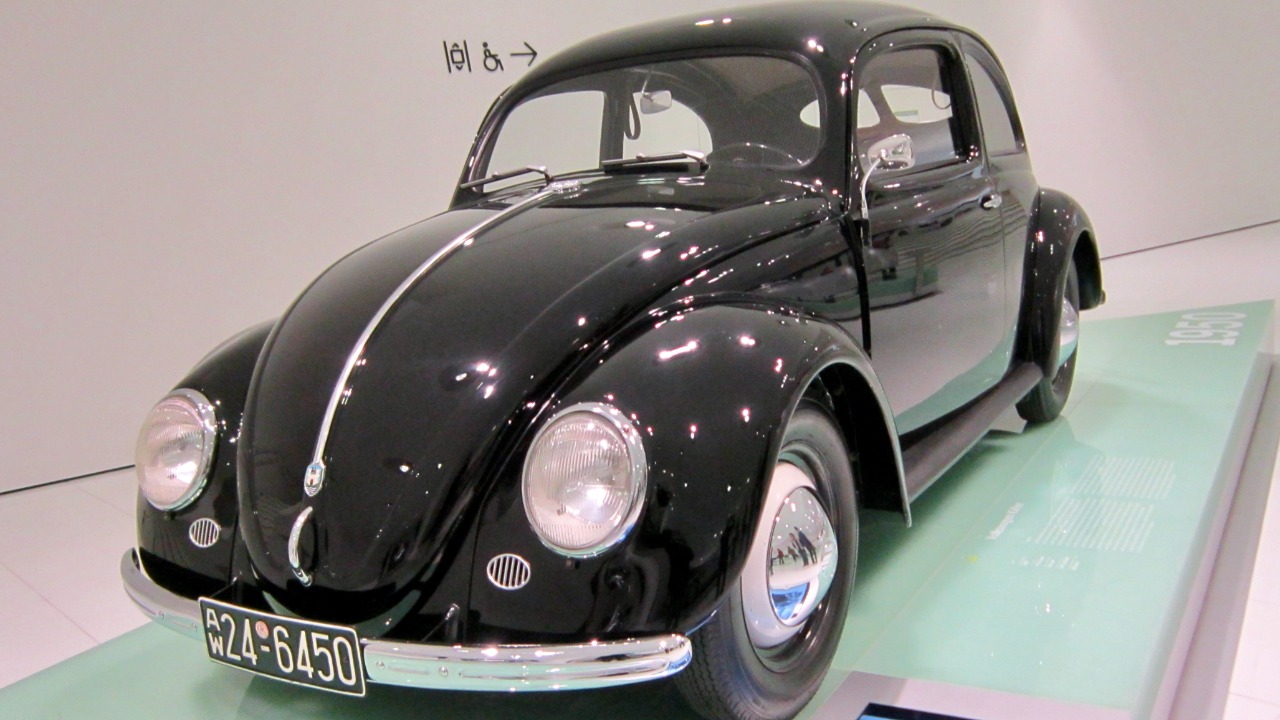
The 1950 Volkswagen Beetle is often celebrated as one of the most recognizable cars in history. Originally designed in Germany, its introduction to the U.S. market post-World War II coincided with a desire for affordable, reliable transportation. The Beetle’s whimsical design and fuel efficiency made it an instant hit among American drivers seeking practicality without sacrificing style.
This car epitomized the shift towards compact automobiles in a rapidly changing economy. The Beetle became not just a vehicle but a cultural icon, influencing countless adaptations and imitations. Its durability and affordability allowed it to thrive during a time when many families were looking to invest in their first cars.
1955 Ford Thunderbird
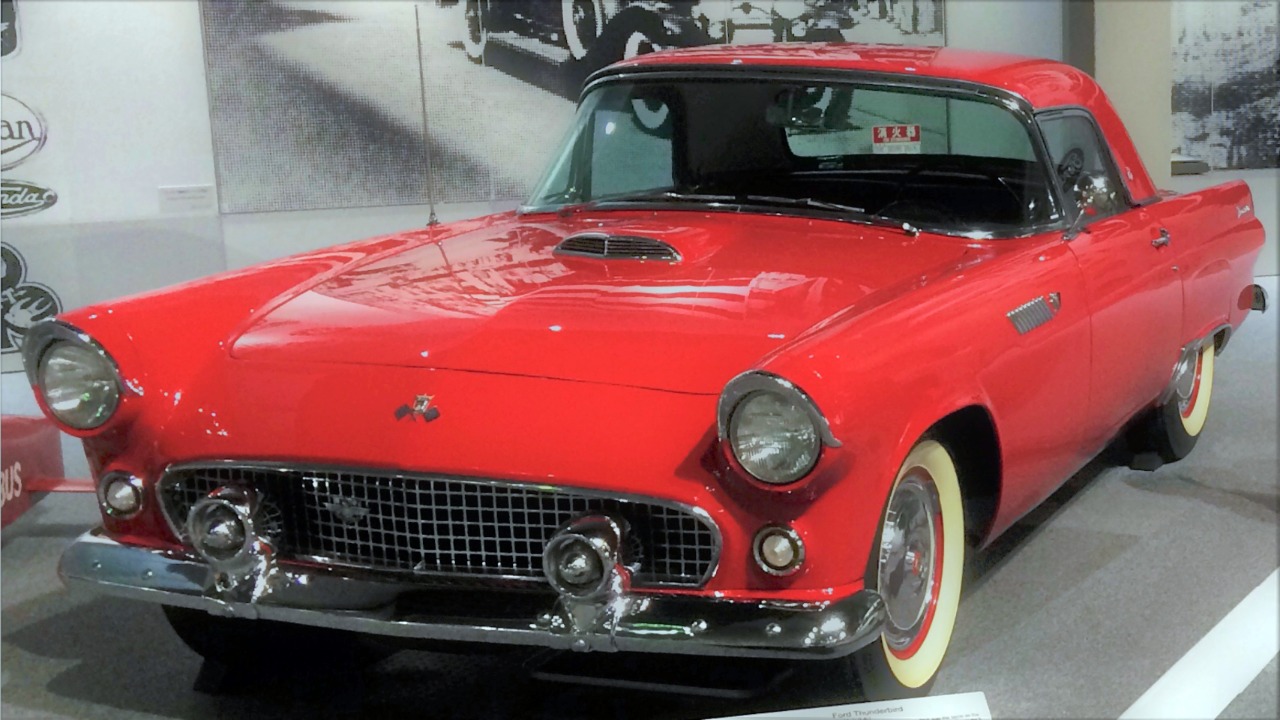
The 1955 Ford Thunderbird marked the birth of the personal luxury car. With its elegant design and powerful V8 engine, the Thunderbird was aimed squarely at the affluent American consumer. It was a vehicle that represented leisure and status, appealing to those who wanted more than just a mode of transport.
Its introduction heralded a new era in automotive design, emphasizing stylishness alongside performance. The Thunderbird’s success also highlighted changing consumer preferences, as more Americans began to prioritize comfort and aesthetics, paving the way for future luxury vehicles.
1960 Chevrolet Impala
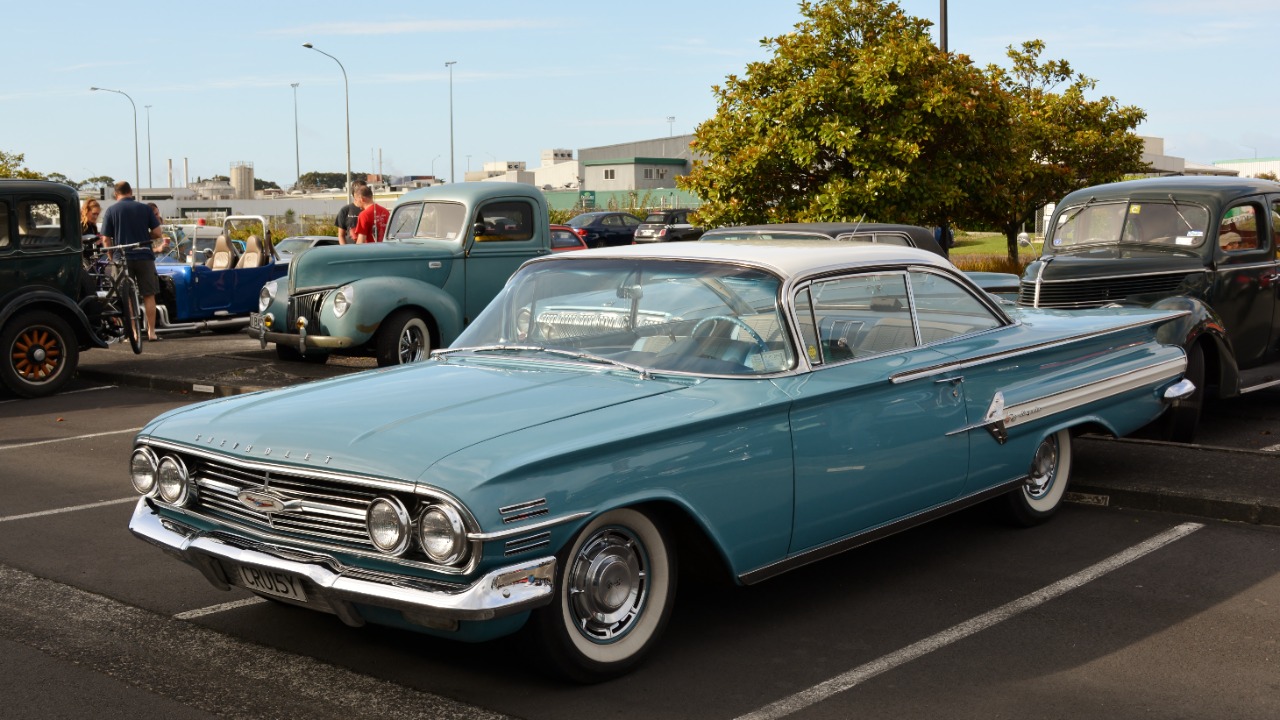
The 1960 Chevrolet Impala epitomized the classic American car with its spacious interior and stylish tailfins. As one of Chevrolet’s flagship models, the Impala became synonymous with family travel and road trips during the prosperous 1960s. Its longevity and popularity reflected the growing middle class and their desire for a reliable, stylish vehicle.
The Impala was more than just a car; it was a cultural phenomenon. Its appearance in various films and music, particularly in the 1960s, solidified its place in American pop culture. The model’s blend of affordability and luxury made it an ideal choice for families eager to embrace the freedom of the open road.
1965 Ford Mustang
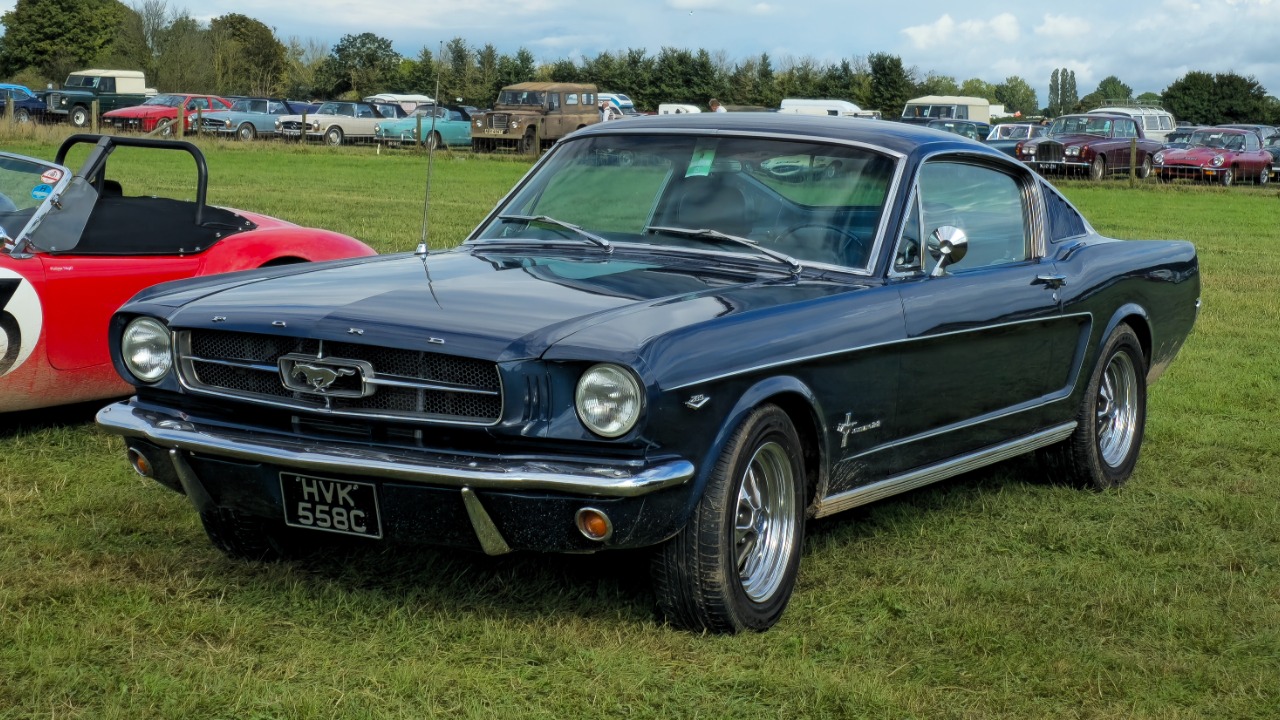
The 1965 Ford Mustang revolutionized the automotive landscape with its sporty design and affordable price. Often credited with igniting the pony car craze, the Mustang appealed to a younger demographic, representing freedom and individuality. Its launch coincided with a cultural shift towards youth-centered marketing, making it a symbol of the American spirit.
The Mustang’s performance and style set a new standard for American cars, inspiring a generation of drivers. With its customizable options and performance enhancements, the Mustang became a canvas for personal expression, resonating deeply with the ideals of the postwar generation.
1966 Pontiac GTO
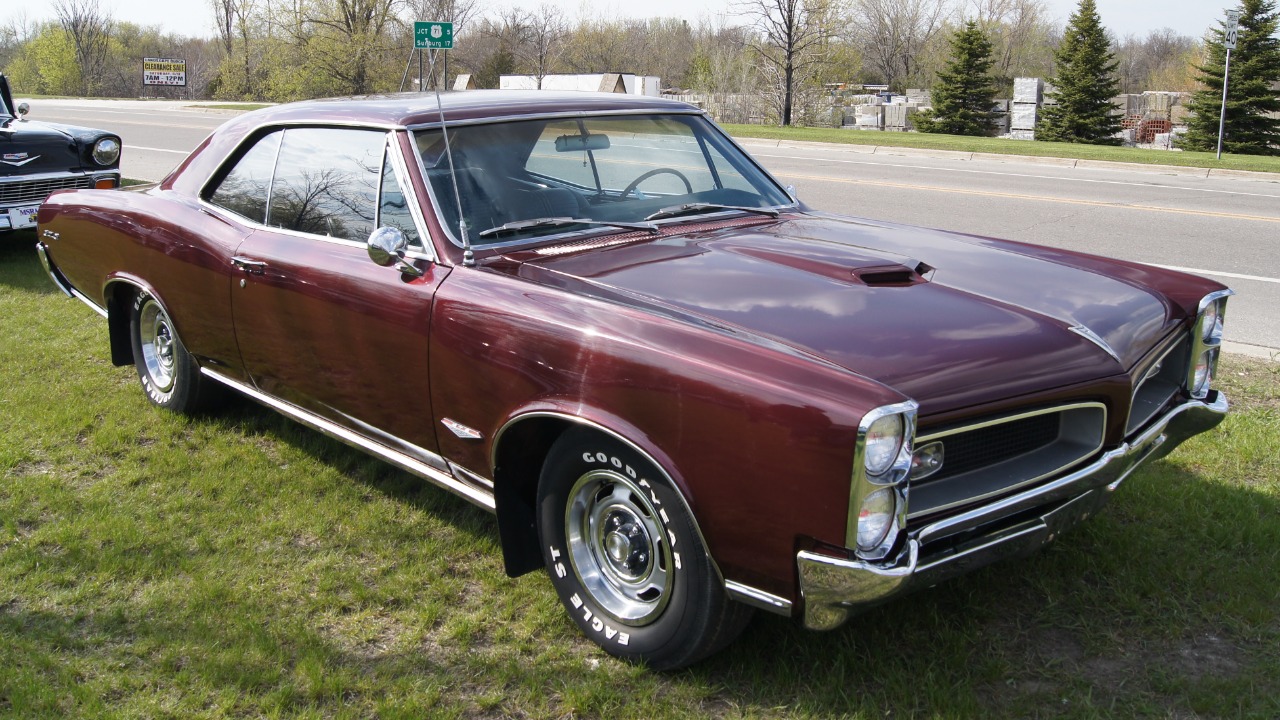
The 1966 Pontiac GTO is often considered the original muscle car, combining power with style. Its robust V8 engine and aggressive styling captivated enthusiasts, making it a staple of American automotive culture. The GTO was designed for speed and performance, appealing to buyers who wanted a thrilling driving experience.
This model not only represented the growing interest in high-performance vehicles but also reflected a shift in consumer preferences towards sportier options. The GTO’s influence can still be seen today in modern muscle cars, solidifying its legacy as a symbol of postwar prosperity.
1973 Mercedes-Benz 450SL
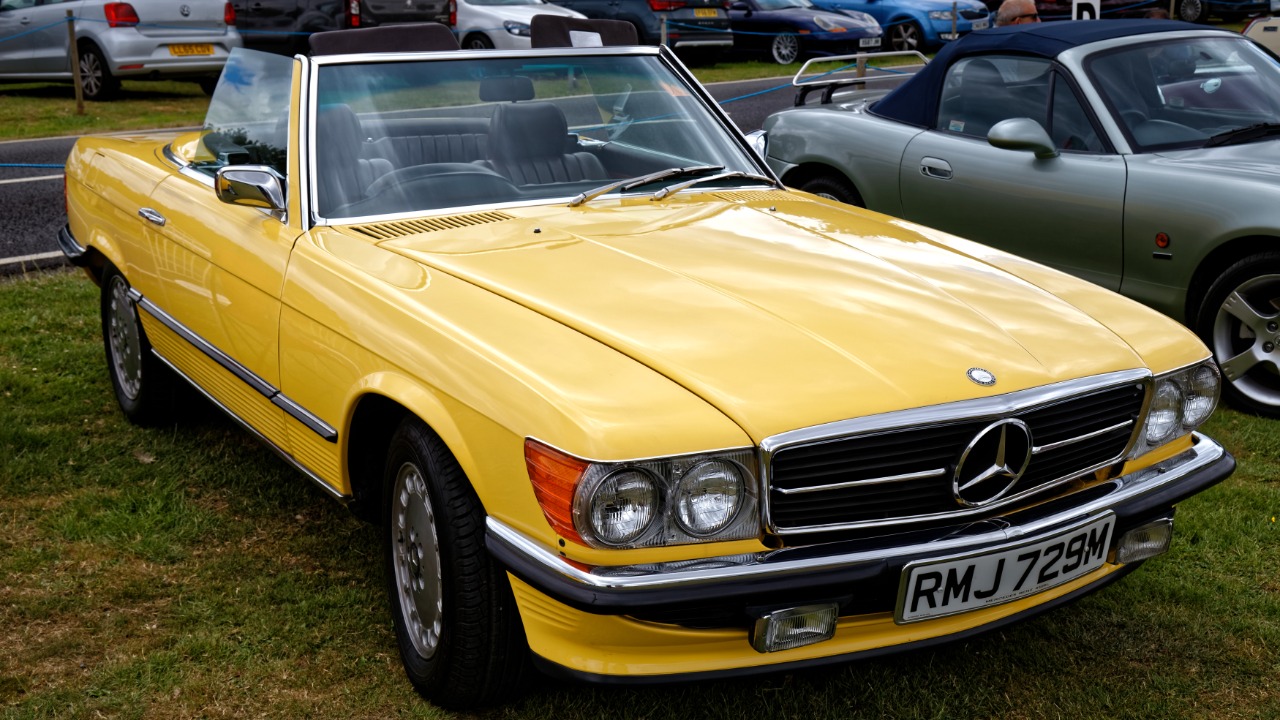
The 1973 Mercedes-Benz 450SL was a luxurious roadster that epitomized the high-end automotive market of the 1970s. Renowned for its engineering excellence and style, the 450SL appealed to affluent buyers looking for both performance and prestige. Its design featured a sleek silhouette and advanced safety features, making it a desirable choice for those who valued luxury.
As the car became synonymous with success and sophistication, it marked a shift in automotive culture towards more premium offerings. The 450SL was not just about getting from point A to B; it was about making a statement on the road.
1985 Chrysler LeBaron
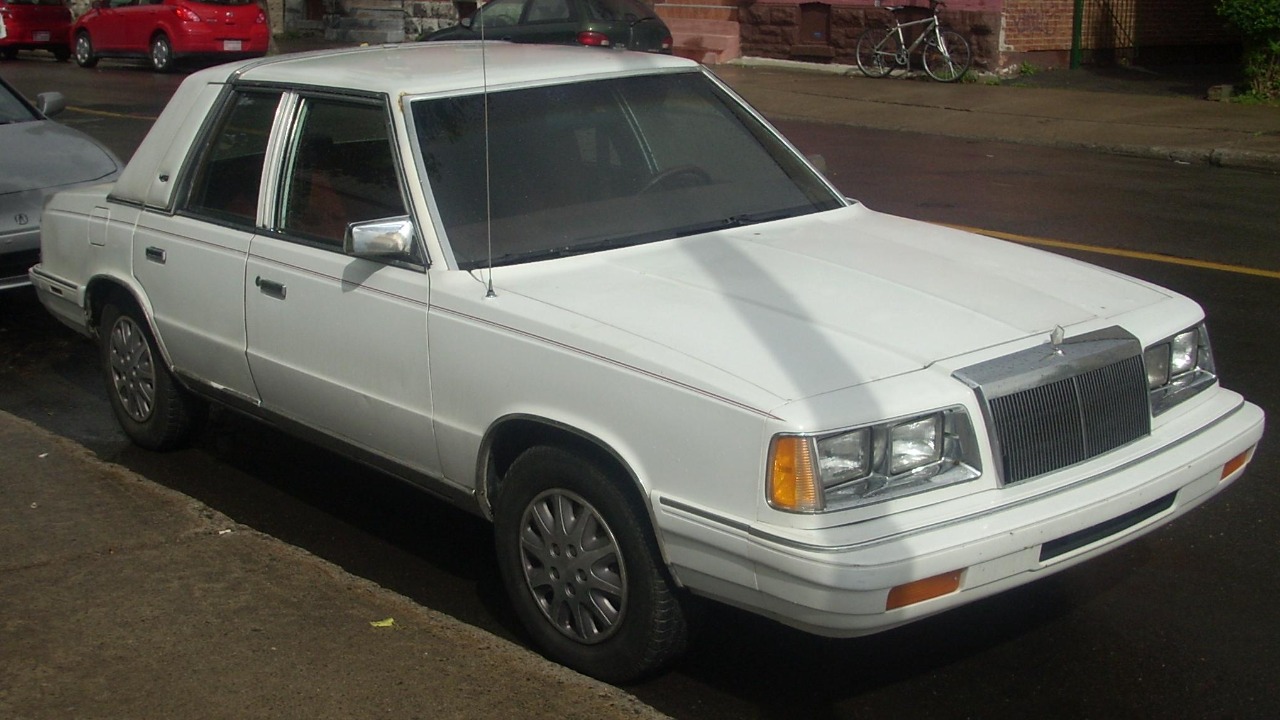
Chrysler LeBaron represented a shift towards more compact and efficient vehicles in the mid-1980s. With its stylish design and range of features, the LeBaron appealed to families and individuals seeking a reliable yet affordable option. Its introduction signified the changing landscape of the American auto market, where practicality began to take precedence. By focusing on comfort and efficiency, the LeBaron showcased how the automotive industry was adapting to evolving consumer needs. Its success represented a new chapter in American car culture, where affordability and efficiency were becoming just as important as style and performance.
More from Fast Lane Only
- Unboxing the WWII Jeep in a Crate
- 15 rare Chevys collectors are quietly buying
- 10 underrated V8s still worth hunting down
- Police notice this before you even roll window down
*Research for this article included AI assistance, with all final content reviewed by human editors.