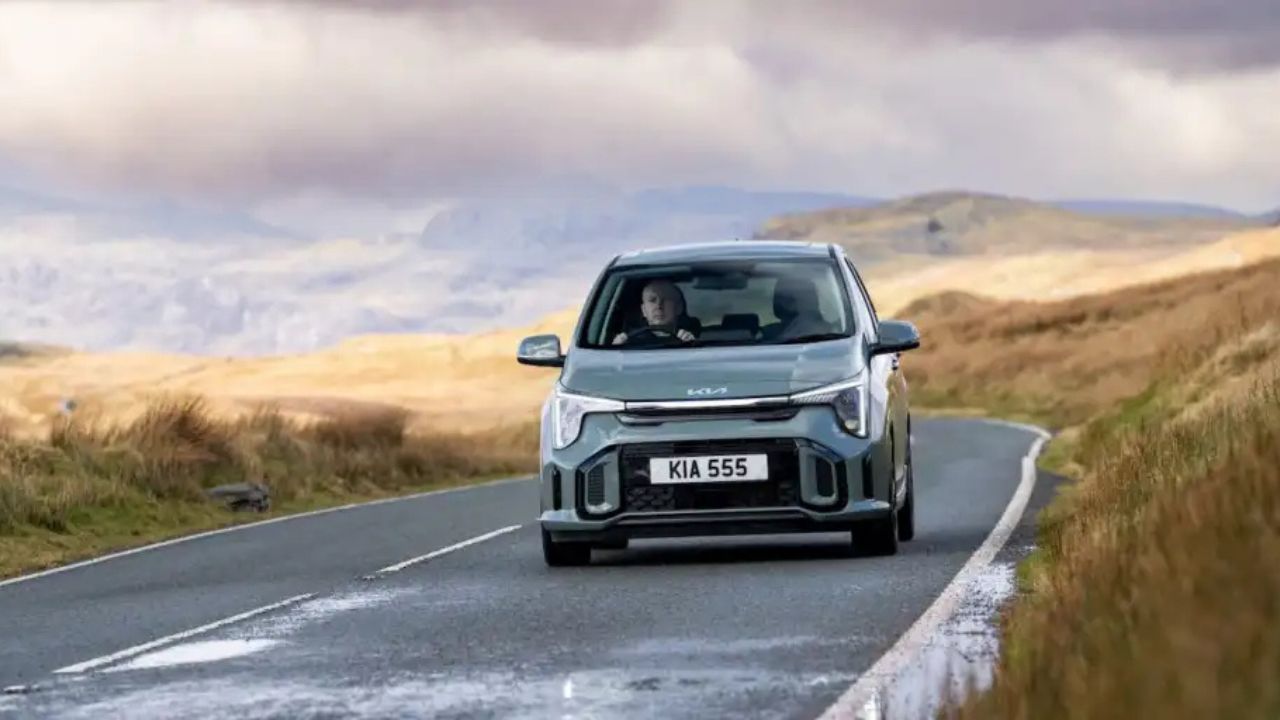
Kia is reportedly preparing to phase out one of its most affordable gasoline-powered models as part of a broader shift toward electrification, replacing it with a new entry-level electric vehicle aimed at budget-conscious buyers entering the EV market.
The move reflects how automakers are gradually reshaping their lowest-priced segments as electric vehicles become more cost-competitive and central to long-term product strategies.
What happened
Kia is planning to discontinue its cheapest internal combustion engine (ICE) model in certain markets, making room for a new small electric vehicle designed to occupy the same entry-level price bracket. The decision is part of the company’s wider strategy to streamline its lineup and prioritize EV development over traditional gasoline offerings.
The outgoing model has historically served as an affordable gateway into Kia ownership, appealing to first-time buyers and urban drivers looking for low-cost transportation. However, rising emissions requirements, shifting consumer demand, and tightening profit margins on small ICE cars have made these models increasingly difficult to sustain.
The replacement EV is expected to target similar buyers but with a different value proposition: lower running costs, reduced maintenance, and eligibility for incentives in markets where EV subsidies are available. While upfront pricing may still be higher than the outgoing gas model, total ownership costs are expected to narrow the gap over time.
Why it matters
This transition highlights a major turning point in the automotive industry: the gradual disappearance of ultra-low-cost gasoline vehicles. For decades, entry-level compact cars have been the foundation of automakers’ sales volume, but they are becoming less profitable as emissions rules tighten and development costs rise.
Electric vehicles are increasingly filling that space, especially in urban markets where short daily driving ranges and access to charging make them practical replacements for small gas cars. For manufacturers like Kia, shifting entry-level buyers into EVs also helps accelerate overall electrification targets and fleet-wide emissions reductions.
The change also reflects broader pricing pressure in the industry. As technology becomes more standardized across EV platforms, manufacturers can scale down battery sizes and features to create more affordable models without completely sacrificing profitability.
However, affordability remains a key challenge. Even entry-level EVs often cost more than the cheapest gasoline cars they replace, meaning incentives, financing options, and long-term savings will play a major role in consumer adoption.
What to watch next
The success of Kia’s strategy will depend on how competitively it prices its new entry-level EV and how quickly it can scale production to reduce costs. Battery pricing and supply chain stability will be critical factors in determining whether affordable EVs can truly replace low-cost gas models at mass-market levels.
It will also be important to watch consumer response in emerging and cost-sensitive markets, where price remains the most important factor in vehicle choice. If adoption slows, automakers may be forced to extend the life of certain gasoline models longer than planned.
Overall, Kia’s decision reflects a wider industry shift: the entry-level segment is no longer defined by gasoline affordability, but by the race to make electric mobility accessible to the mass market.
More from Fast Lane Only