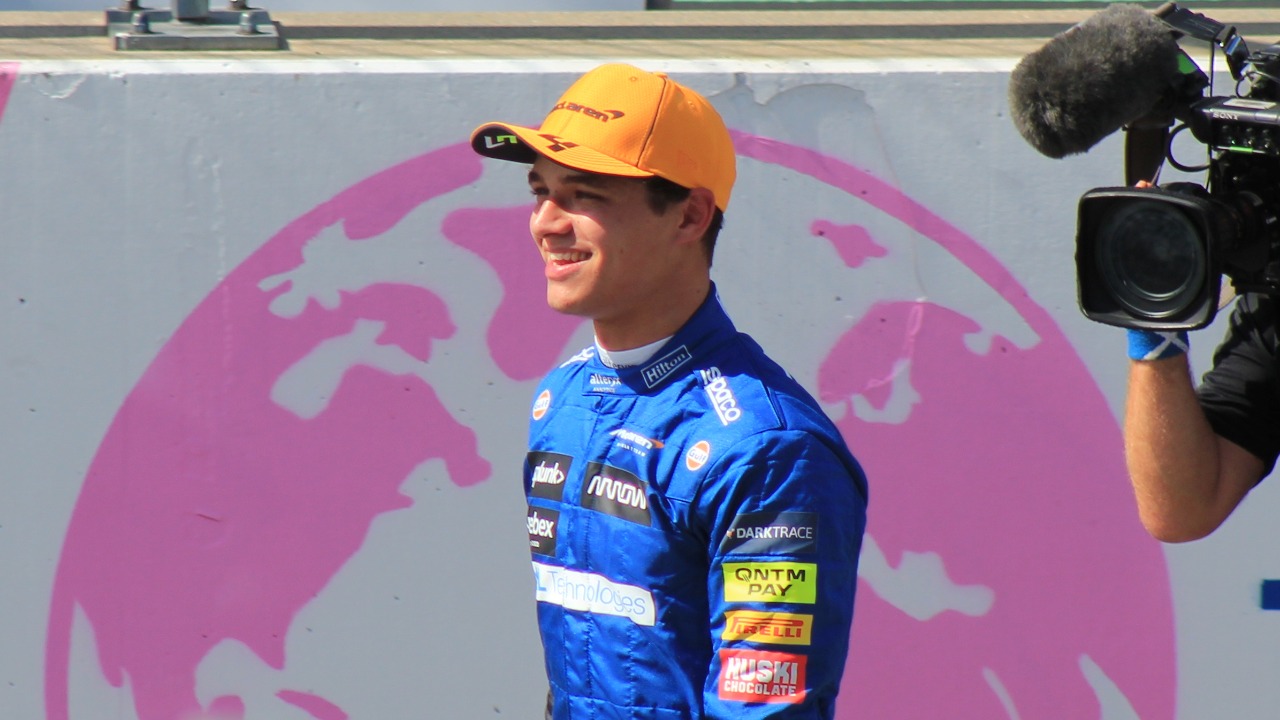
Lando Norris has gone from McLaren’s long-term project to the driver who finally turned potential into a Formula 1 world championship. His rise has been less about a single lightning-bolt season and more about a carefully managed evolution that aligned raw speed, emotional maturity and a team rebuilt around his strengths. What looks like a breakout year is really the culmination of a partnership that has been years in the making.
To understand how Norris became McLaren’s new standard-bearer, I need to trace the arc from his junior promise to his first laps in orange, then through the setbacks, the internal battles and the title fight that ultimately reshaped the team’s identity around him.
From karting prodigy to McLaren lifer
Norris did not arrive in Formula 1 as a surprise package; he was earmarked early as one of the most complete young drivers of his generation. His karting success and rapid progress through the junior single-seater ladder convinced McLaren to bring him into their young driver programme and then lock him into a long-term relationship that framed him as a future cornerstone rather than a short-term gamble. That continuity, from simulator sessions to private tests, meant that by the time he reached the grid he already understood the culture, expectations and technical language of the team that would define his career.
McLaren’s own account of the story of Lando Norris and McLaren underlines how early that bond was forged and how deliberately it was nurtured. The team’s official profile of Lando Norris presents him not just as a driver who joined in 2019, but as a central figure in a long-term rebuild that spanned multiple car generations and leadership changes. Even before his debut, Formula 1’s own introduction to McLaren’s F1 debutant framed him as a highly rated prospect with a strong junior résumé, reinforcing that his eventual breakthrough at the front of the grid was the logical endpoint of a carefully plotted path rather than an overnight shock.
Learning years and the making of a team leader
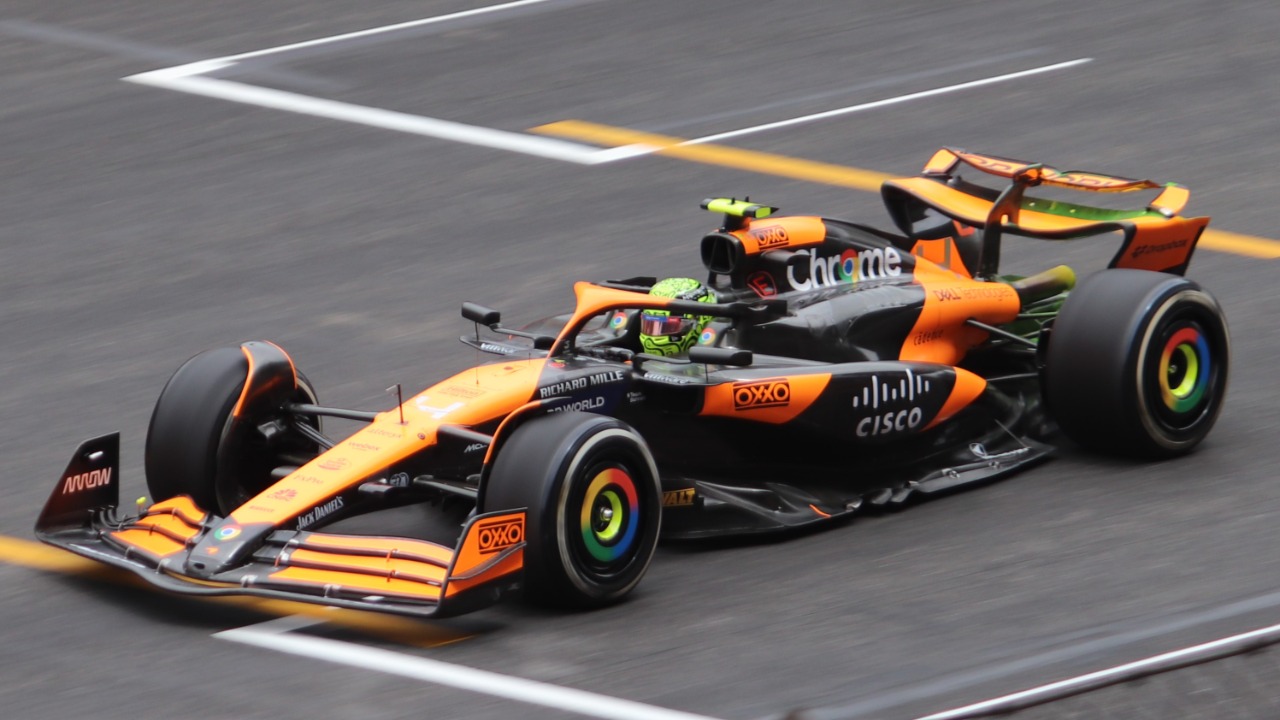
What set Norris apart in his early F1 seasons was not just speed, but how quickly he translated promise into consistent points and podium threats in cars that were rarely the class of the field. He built a reputation for clean racecraft, sharp qualifying laps and an ability to extract performance on circuits where McLaren’s package should not have been competitive, which quietly shifted how engineers and strategists weighed his feedback. Those years of incremental gains, often in the shadow of more dominant machinery elsewhere, hardened him into a driver who could carry a team through lean weekends without losing confidence or composure.
That evolution is central to how he ultimately became McLaren’s reference point. Detailed analysis of how he became McLaren’s star driver highlights the way his performances and attitude gradually pulled the operation around him, from car development priorities to race-day strategy calls. Long-form coverage of Norris as F1 world champion reinforces that his leadership style is collaborative rather than dictatorial, rooted in detailed debriefs and a willingness to shoulder blame when things go wrong. By the time McLaren produced a car capable of fighting at the front, he was already functioning as the de facto team leader, with the authority and trust that status demands.
Beating the benchmark rivals
Norris’ breakout as a genuine title contender hinged on how he handled the two most important measuring sticks in his career: his team-mate and the dominant champion of the era. Inside McLaren, the arrival of Oscar Piastri created a clear internal benchmark, and Norris’ ability to consistently edge that battle under pressure reinforced his status as the driver the team should build around. On the wider stage, taking on Max Verstappen in equal or near-equal machinery became the ultimate test of whether Norris was simply quick or truly elite.
Reporting on how Formula 1 “got a new kind of champion” details how Norris, in a decisive campaign, beat both Oscar Piastri and Max Verstappen over a full season, not just in isolated races. That shift from occasional giant-killing drives to sustained superiority over such high-calibre opposition is what transformed his reputation from promising talent to complete champion. The season-long duel chronicled in coverage of his world title shows a driver who learned to manage points, accept second place when necessary and strike decisively when the opportunity for victory appeared, a strategic maturity that had been missing in earlier near-misses.
The title year and McLaren’s new identity
When McLaren finally delivered a car capable of challenging for both championships, Norris was ready to convert that opportunity into silverware. His title season was defined less by a single dominant streak and more by a relentless accumulation of podiums, smart tyre calls and a refusal to let setbacks spiral into slumps. That steadiness under pressure, especially in weekends where qualifying did not go to plan, allowed McLaren to stay in the fight against rivals who often had similar raw pace but less consistency.
In-depth accounts of Norris’ championship run describe how his relationship with his race engineer and the broader technical group became a competitive advantage, with strategy calls increasingly tailored to his strengths in tyre management and late-race aggression. The narrative of McLaren’s journey with Norris frames the title as a shared vindication for a project that survived regulation changes, power unit shifts and internal restructuring. By the end of that campaign, McLaren was no longer a team trying to claw its way back to relevance; it was a front-running operation whose identity, from car philosophy to marketing, was inseparable from its champion driver.
Personality, openness and the modern F1 star
Part of what makes Norris stand out in the current grid is how his public persona diverges from the traditional, guarded image of a Formula 1 champion. He has embraced a level of openness about his emotions and mental health that would have been unthinkable for previous generations, using streaming, social media and candid interviews to build a direct relationship with fans. That visibility has not always been comfortable, but it has helped turn him into a figure who resonates beyond hardcore F1 followers, especially among younger audiences who expect authenticity rather than polished corporate soundbites.
Video features such as behind-the-scenes content and more reflective pieces like long-form interviews show a driver willing to discuss pressure, self-doubt and the realities of life at the top of the sport. Written analysis of how F1 gained a more open champion argues that this transparency has not weakened his competitive edge, but instead helped him process setbacks and maintain perspective across a long season. In a paddock where image is tightly managed, Norris’ willingness to show vulnerability has become part of his competitive identity, reinforcing the sense that his success is rooted in being fully himself rather than conforming to an old template.
What comes next for McLaren’s number one
With a world title secured and his status inside McLaren cemented, the next phase of Norris’ career is about sustaining success and shaping the team’s future direction. The decision for him to run the number one on his car in 2026 is more than a cosmetic change; it is a statement that he and McLaren intend to defend their position at the top rather than treat the championship as a one-off peak. That choice carries both symbolic weight and practical pressure, since every rival will now measure their own progress against the driver who wears the sport’s most coveted digit.
Reporting on McLaren’s plans confirms that the new champion will run the number one on his car, a move that aligns with the team’s broader effort to present him as the face of its next era. Detailed breakdowns of his rise to star status and the official team profile both suggest that McLaren’s technical and commercial strategies are now built around maximising his prime years. For Norris, the breakout that turned him into a champion is only the starting point; the real test will be whether he can turn that first crown into an era, and whether McLaren can keep evolving fast enough to match the ambitions of the driver who has become its defining figure.