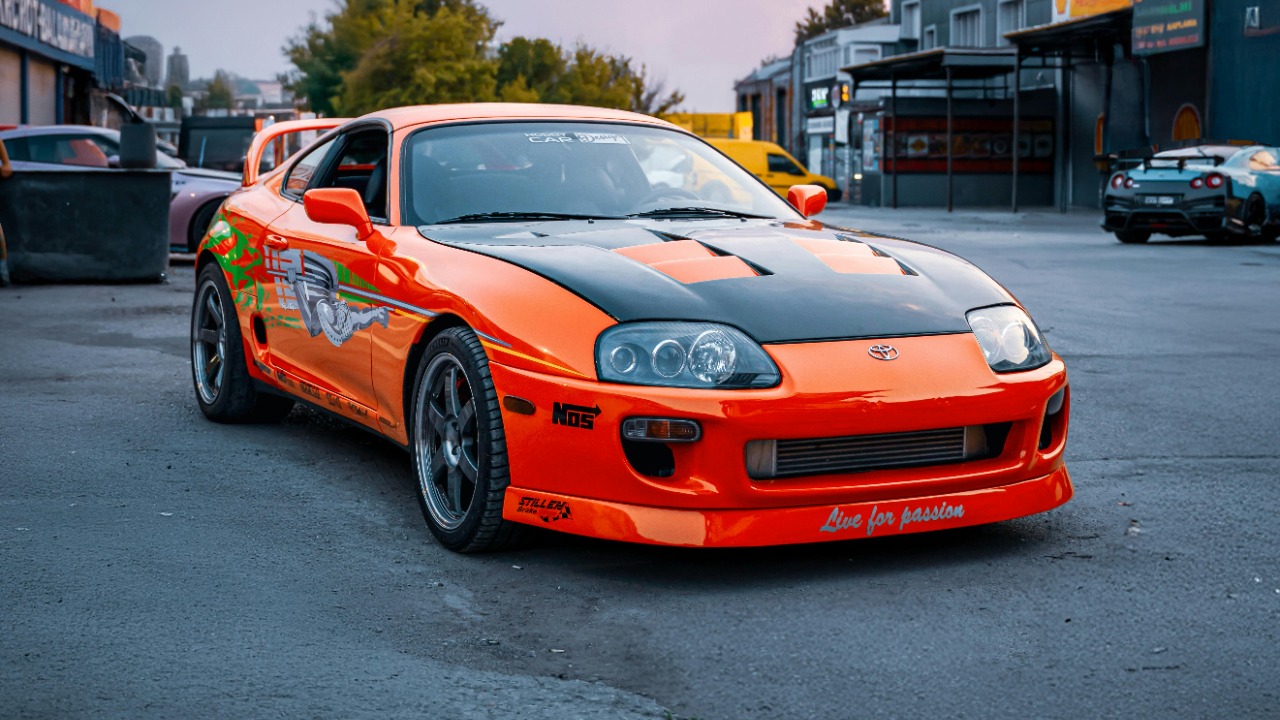
The fourth-generation Toyota Supra did not simply arrive in showrooms, it detonated into tuner culture with a mix of engineering excess and cinematic timing that turned a single car into an overnight legend. What began as a focused evolution of a Japanese grand tourer became the A80 benchmark that every new performance coupe is still measured against, especially once owners discovered just how far its straight-six could be pushed.
When people talk about a Supra that changed everything in a single build, they are really talking about the moment the Mk4 platform proved it could leap from showroom respectability to four-figure horsepower without losing its composure. I see that transformation as the point where one well-executed project car crystallized what the chassis, the engine and the community were capable of, and from there the legend of the A80 stopped being a niche obsession and became global shorthand for limitless tuning potential.
The A80 foundation that made instant legends possible
The overnight mythos around a single Mk4 only makes sense once you understand how deliberately the A80 was engineered. Toyota treated the fourth-generation Toyota Supra as a halo project, giving it a rigid chassis, sophisticated suspension and a layout that could comfortably handle far more power than it was sold with from the factory. That careful overbuilding is why enthusiasts still talk about the A80 as a platform that feels unflustered even when power levels climb far beyond stock expectations.
Contemporary analysis of The Legendary A80 Toyota Supra 1993 to 1998 – Why It So Popular highlights exactly what attributes made the MkIV Supra so revered, from its balanced proportions to its robust driveline. When I look at those engineering choices, I see a car that was effectively pre-approved for extreme modification, with Toyota doing the hard work of durability and refinement so tuners could focus on extracting performance. That is the bedrock that allowed one standout build to jump from local curiosity to global reference point almost overnight.
The 2JZ GTE: the engine that rewrote tuning rules
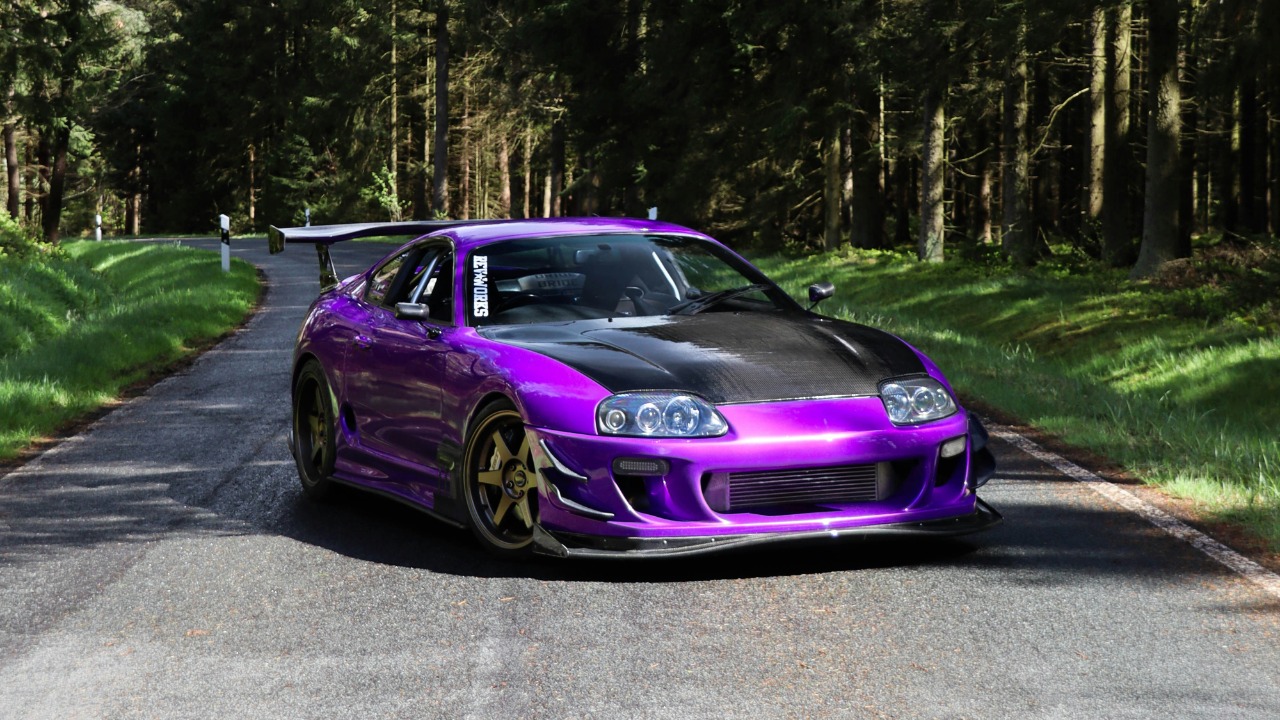
No single component did more to turn the Mk4 into a tuning legend than its twin-turbo straight-six. The 2JZ GTE was not just powerful for its time, it was overengineered in a way that tuners quickly recognized as a gift. Thick iron block walls, stout internals and conservative factory tuning meant that owners could dramatically increase boost and fueling without immediately opening the engine, a rarity in an era when most performance cars were already close to their mechanical limits.
Technical breakdowns of the Mk IV GTE configuration underline how the fourth generation A80 solidified its status with a bulletproof twin turbo inline six that embedded the Toyota Supra deeply in tuner culture. Detailed reporting on what made the legendary Mk4 Supra so special goes further, noting that the immortal 2JZ engine could be pushed to around 1,000 horsepower without requiring any internal modifications, a figure that would have sounded outlandish for a showroom coupe when the car was new. When I consider that capability, it is clear why a single high-profile build could shock the scene: the hardware was already waiting, and all it needed was someone bold enough to turn the boost up.
The build that showed what a Supra could really do
Every enthusiast community has a moment when theory becomes reality, and for the Mk4 that moment arrived when one Supra owner treated the 2JZ not as a modestly tuned factory engine but as a blank canvas. The leap from bolt-ons to a fully reimagined turbo system, fuel delivery and engine management proved that the car could move from quick to genuinely supercar-fast while retaining the drivability that made it usable on real roads. That combination of brutal acceleration and everyday manners is what turned a single project into a benchmark others felt compelled to chase.
Technical accounts of the legendary Mk4 Supra emphasize how the 2JZ architecture allowed tuners to stack on larger turbos, more aggressive fueling and sophisticated boost control while still relying on stock internals, a point underscored in coverage of how the legendary Mk4 Supra was propelled to fame by that very flexibility. When I trace the arc of that first truly extreme build, I see a car that validated every rumor about the platform in one stroke, jumping from dyno sheets to street stories and then into the wider imagination of anyone who cared about going fast.
How tuner culture turned one car into a global reference
Hardware alone does not create a legend, and the Supra’s rapid ascent owed as much to the culture around it as to its engineering. Once one Mk4 demonstrated that four-figure horsepower was not a fantasy, forums, early video clips and track-day anecdotes spread the story far beyond the local scene that first witnessed it. The car became a rolling proof of concept that a Japanese coupe could embarrass exotic machinery, and that narrative resonated with a generation of enthusiasts who saw in the Supra a path to supercar performance without supercar gatekeeping.
Analyses of why the A80 Toyota Supra became so popular point to a feedback loop between its mechanical strengths and the way owners documented their builds, with The Legendary framing of the A80 era capturing how quickly the car’s reputation grew once people saw what it could do in the wild. When I look at that period, I see a community that seized on one spectacular Mk4 as both inspiration and blueprint, using its success to justify their own ambitious projects and, in the process, cementing the Supra’s place as a generation-defining icon rather than just another fast car from the 1990s.
Why the “overnight” legend still matters today
Decades after the A80 left production, the story of the Supra that became a tuning legend in a single build still shapes how enthusiasts think about modifying modern cars. The benchmark set by that Mk4, and by the 2JZ GTE at its core, established expectations that a true performance platform should tolerate radical power increases without constant mechanical drama. When I compare newer turbocharged engines to that standard, it is clear that the Supra’s legacy continues to influence what tuners demand from manufacturers and from their own projects.
Current retrospectives on the A80 era, from detailed breakdowns of What Attributes made it special to social media reels that revisit how the fourth generation A80 (Mk IV) solidified its legend, all circle back to the same idea: one car proved the concept, but the platform made it sustainable. That is why the tale of a single Mk4 that went from street build to instant icon still resonates. It captures the moment when engineering foresight, tuner ingenuity and a hungry audience aligned, turning the Toyota Supra from a respected sports car into the definitive symbol of how far a factory chassis can be pushed when everything comes together.