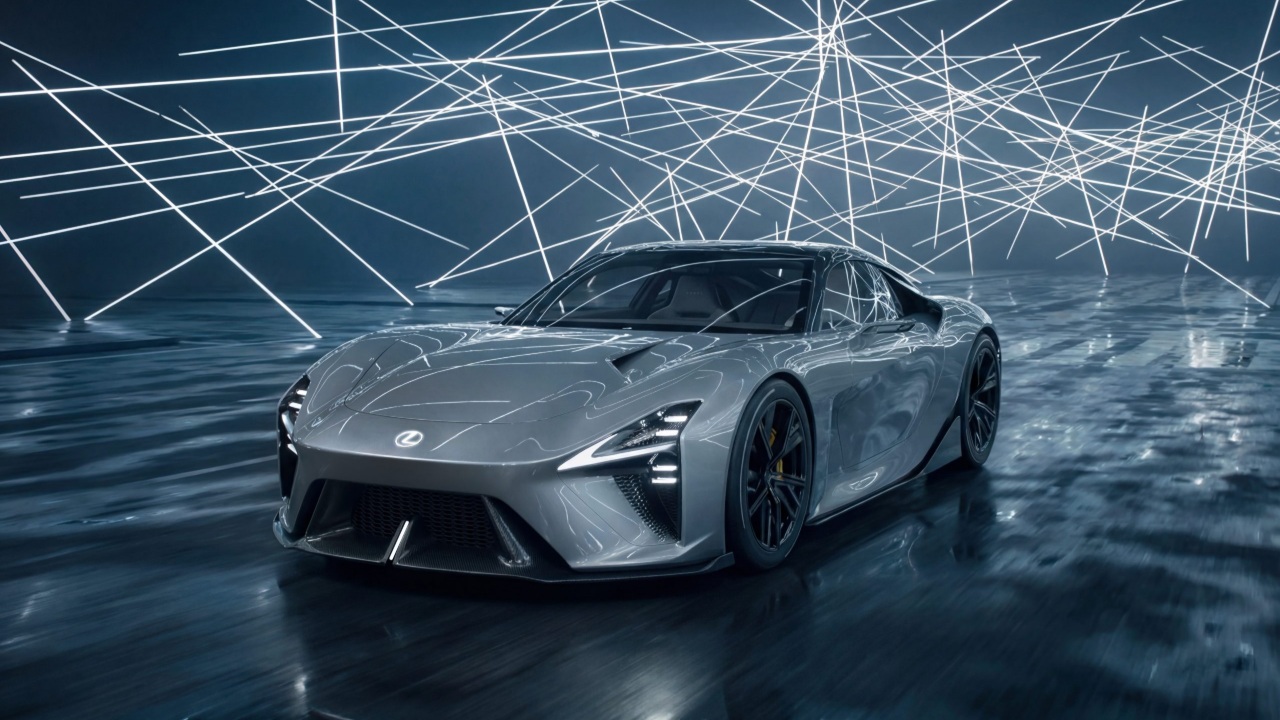
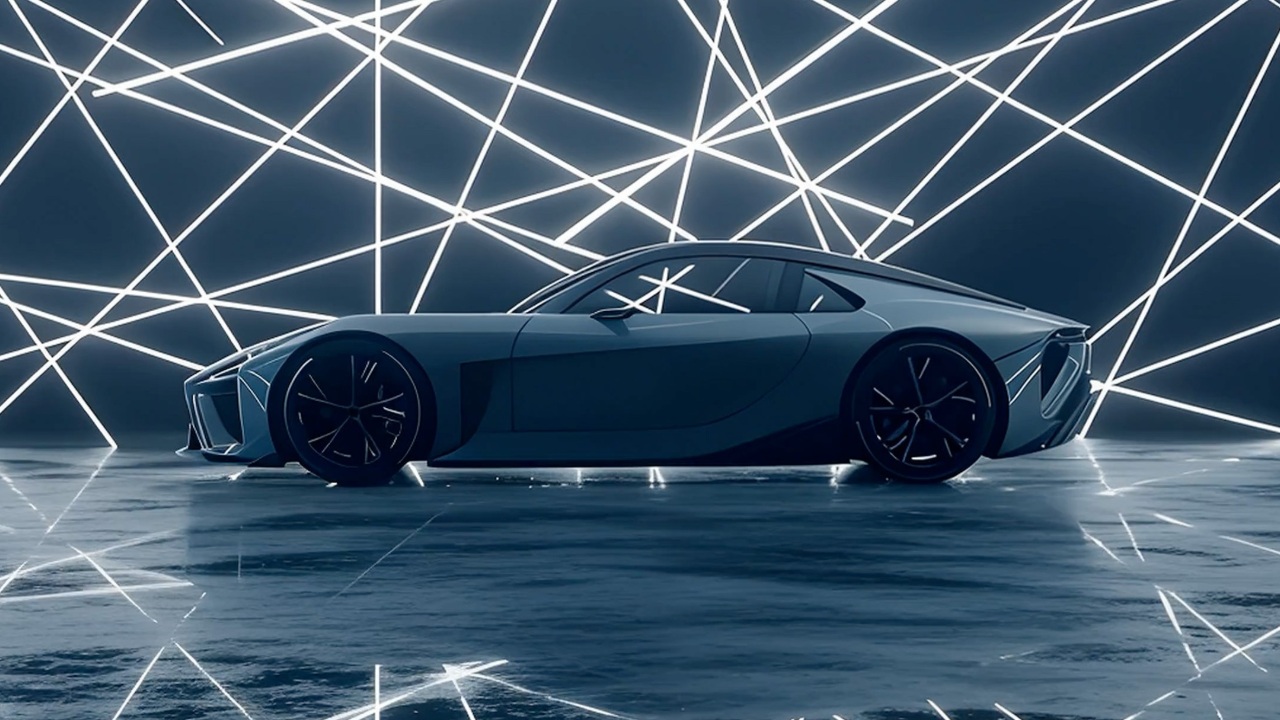
The LFA nameplate has returned, not with a screaming V10 but as a fully electric supercar concept that treats silence as another performance variable to engineer. Lexus is using the new Lexus LFA Concept to test how far an EV can go in recapturing the drama, precision, and theater that made the original a cult icon, even as the powertrain shifts to batteries and motors.
Instead of chasing nostalgia, the company is turning the LFA into a laboratory for sound design, chassis technology, and aerodynamics that are native to electric performance. The result is a car that aims to be louder in character even as its drivetrain runs almost silent, a deliberate attempt to prove that emotional engagement in a supercar does not have to die with internal combustion.
The LFA legend meets a fully electric future
The original LFA earned its reputation on the back of a high-revving V10 and obsessive engineering, so turning it into a battery-powered flagship is a calculated risk. With the Lexus LFA Concept, Lexus is positioning the car as a low-volume halo EV that carries the same focus on precision and driver feel, only now with electric propulsion at its core, as detailed in early looks at the Lexus LFA Concept. The company is not simply electrifying a familiar silhouette, it is using the LFA badge to signal that this is the sharp end of its EV strategy, where cost and complexity are secondary to making a statement about what an electric Lexus can be.
That intent shows up in how closely the new car is tied to Toyota’s broader performance push. Reporting on the project notes that the LFA Concept shares its aluminum chassis with Toyota’s new GR GT, a pairing that turns the two cars into a one-two punch for the group’s performance ambitions and confirms that the LFA is not a styling exercise but a structural twin to a serious sports car platform, as described in coverage of the LFA Concept and the Toyota GR GT. By tying the LFA to a lightweight, high-rigidity all-aluminum body frame that is optimized for electric power, Lexus is signaling that the car is meant to be driven hard, not just admired on a stand.
Design evolution: from V10 sculpture to EV aero weapon
Visually, the new LFA trades some of the original car’s organic curves for a more technical, aero-led shape that reflects the realities of high-performance EV packaging. Reports on the New Lexus LFA Successor describe a body that lowers height and stretches length to balance stability with agility, while adopting EV-specific aerodynamics that move away from the old front-engine proportions and toward a more cab-forward stance, as seen in analysis of the New Lexus LFA Successor Revealed. The result is a car that still reads as a low-slung supercar but now wears its efficiency work on its sleeve, with surfaces and vents that appear tuned as much for cooling batteries and motors as for feeding a combustion engine.
Inside and out, the Lexus LFA Concept is framed as a continuation of the brand’s high-end coupe lineage, picking up where the Lexus LC leaves off while pushing further into EV-specific design. Coverage of how the electric LFA stacks up to its predecessor notes that the new car builds on lessons from the LC and earlier Sport Concept work, but uses the freedom of an electric platform to refine proportions and packaging in ways the V10 layout never allowed, as outlined in comparisons of the electric Lexus LFA Concept. By shifting to a dedicated EV structure, Lexus can lower the center of gravity, open up new cabin layouts, and integrate aero elements more cleanly, all while preserving the sense that this is still a sculpted object meant to be appreciated from every angle.
Engineering the silence: crafted sound instead of fake drama
The most controversial decision around the electric LFA is not the loss of the V10, it is how Lexus plans to fill the acoustic void that comes with electric motors. Engineers working on the Lexus LFA EV have confirmed that the car will feature a crafted artificial soundtrack, a deliberately composed layer of sound that responds to driver inputs and vehicle speed, rather than a simple amplification of motor whine, as detailed in reporting on the Lexus LFA EV. The goal is to create a sonic identity that is as intentional as the original car’s exhaust note, but rooted in the possibilities of digital sound design rather than mechanical resonance.
Crucially, Lexus appears determined to avoid the more theatrical side of EV gimmickry. While some brands have experimented with simulated gearshifts and exaggerated engine noises, coverage of the project indicates that the LFA team is focused on a soundscape that enhances feedback without resorting to arcade-style tricks, even as other reports describe how The Electric Lexus LFA Will Have Fake Engine Noise and Maybe Even Fake Shifts, with Fake sound already under development for the brand’s EVs, as noted in analysis of The Electric Lexus LFA Will Have Fake Engine Noise and Maybe Even Fake Shifts. The tension between those two approaches, a carefully tuned soundtrack versus overtly simulated powertrain behavior, will define how purists respond to the car once it moves from concept to production intent.
Shared DNA with Toyota GR GT and the wider Lexus EV push
Under the skin, the electric LFA is not an isolated experiment but part of a broader architecture strategy inside Toyota and Lexus. Reports on the Toyota GR GT & Lexus LFA Concept describe how the two cars share an aluminum chassis and a focus on lightweight, high-rigidity construction, with the LFA using that structure to maximize the potential unique to electric power, as highlighted in coverage of the Toyota GR GT and the electrified iteration of the LFA Sport Concept that is built on a lightweight, high-rigidity all-aluminum body frame, as detailed in analysis of the next LFA Sport Concept. This shared DNA allows Lexus to amortize the cost of advanced materials and manufacturing while still tailoring the LFA’s tuning and character to its role as a flagship.
Strategically, the car also anchors Lexus in the upper tier of the electric performance conversation. Coverage of the brand’s EV roadmap frames the LFA as a bold new electric supercar that signals how future Lexus models will blend luxury with high-output electric drivetrains, with phrases like Lexus LFA Returns and Bold New Electric Supercar used to describe the reveal of the project, as seen in reporting on how Lexus LFA Returns. By placing a full EV supercar at the top of the range, Lexus is sending a message that its electric ambitions are not limited to crossovers and sedans, but extend to the kind of halo products that shape brand perception for years.
Balancing heritage, hype, and hard numbers
For all the emotional weight attached to the LFA badge, Lexus is also navigating the realities of modern EV expectations, from range and charging to digital interfaces. While detailed performance figures remain unverified based on available sources, the emphasis on a lightweight, high-rigidity all-aluminum body frame and shared architecture with the Toyota GR GT suggests that efficiency and structural integrity are being treated as seriously as outright speed, as indicated in technical descriptions of the electrified LFA Sport Concept. That approach mirrors how other high-end EVs, from the Porsche Taycan to the Audi e-tron GT, have prioritized repeatable performance and thermal management over headline-grabbing top speed claims.
The hype around the car is already measurable, even in small details. One early report on the project notes that coverage of the Lexus LFA being back as a 100 percent electric model drew 25 Comments, with the byline listing Peter Johnson and a reference to the number 54 in the article metadata, as seen in analysis of how Lexus is bringing the sports car back. That level of attention for a concept underscores how much weight the LFA name still carries, and how closely enthusiasts are watching to see whether the production version can honor the original while embracing an electric future.
Why this electric LFA matters beyond Lexus
The decision to revive The Lexus LFA as a fully electric supercar concept has implications that reach beyond a single model line. When a brand that once built a limited-run V10 halo car pivots that legacy into a Full EV, it sends a signal to the wider industry that emotional, high-end performance is no longer the exclusive domain of combustion engines, as emphasized in coverage that describes how The Lexus LFA has returned as a new fully electric Lexus supercar concept and highlights the Electric focus of the project alongside references to The Lexus LF as part of the brand’s evolving lineup, as detailed in reporting on how The Lexus LFA has returned. In that context, the LFA’s transformation becomes a bellwether for how other legacy performance badges might navigate the same transition.
There is also a narrative continuity that Lexus is carefully cultivating. Earlier this year, the company showed its Sport Concept at Monterey Car Week with minimal technical detail, effectively hiding the future LFA in plain sight as a design study before revealing its full EV intent later, as described in accounts of how Earlier in the year Lexus used the Sport Concept at Monterey Car Week as a preview of what would become the LFA Concept, as outlined in analysis of the Sport Concept. By threading those appearances together, Lexus has turned the electric LFA into a multi-stage story about where its performance brand is headed, one that treats silence not as an absence but as a canvas for a new kind of automotive theater.