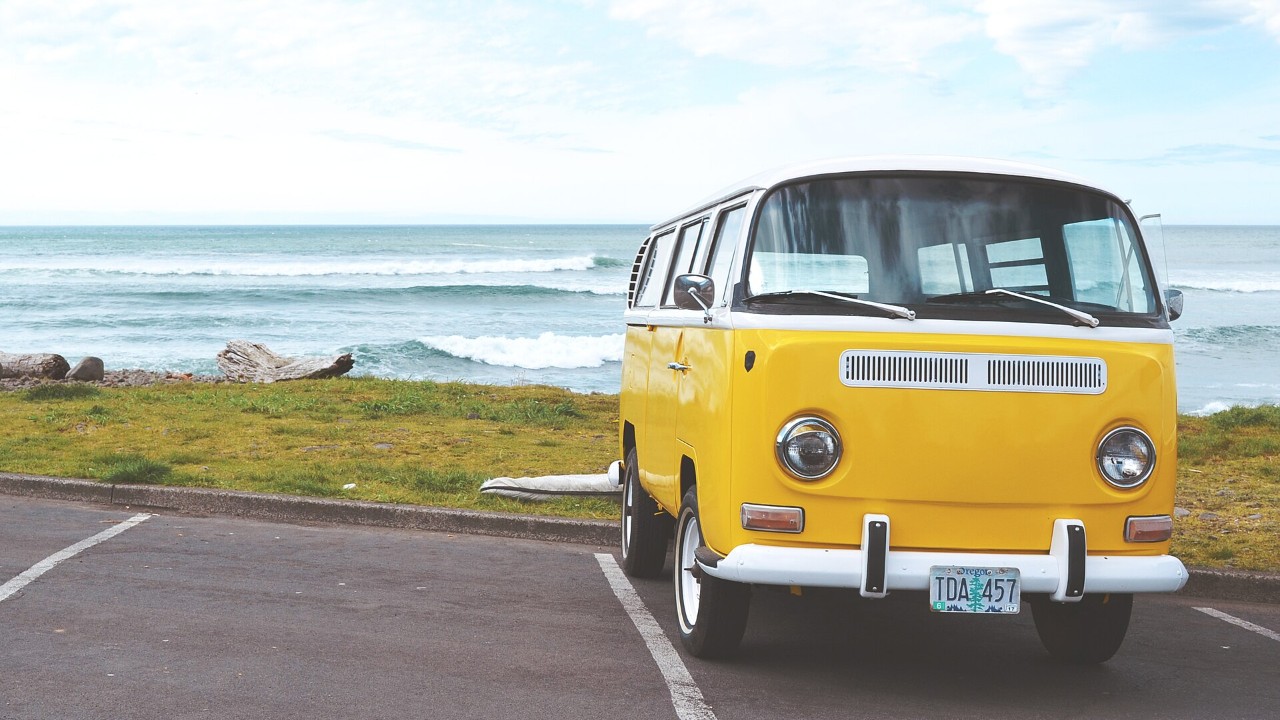
The Little Miss Sunshine bus is a bright-yellow Volkswagen with a broken clutch, and that one mechanical failure drives half the comedy in the 2006 film. Once the clutch goes, the family can only get moving by pushing the bus, then running alongside and jumping in. The routine became the film’s signature image.
The movie follows a family on a long road trip so their youngest daughter can compete in a beauty pageant. Their two cars are too small for everyone, so the old Volkswagen gets the job. By the end, the bus feels like a member of the family.
The directors, Jonathan Dayton and Valerie Faris, have written and spoken about the van in detail. Their accounts, plus the American Film Institute’s records, show how much real Volkswagen experience went into it.
How the clutch gives out
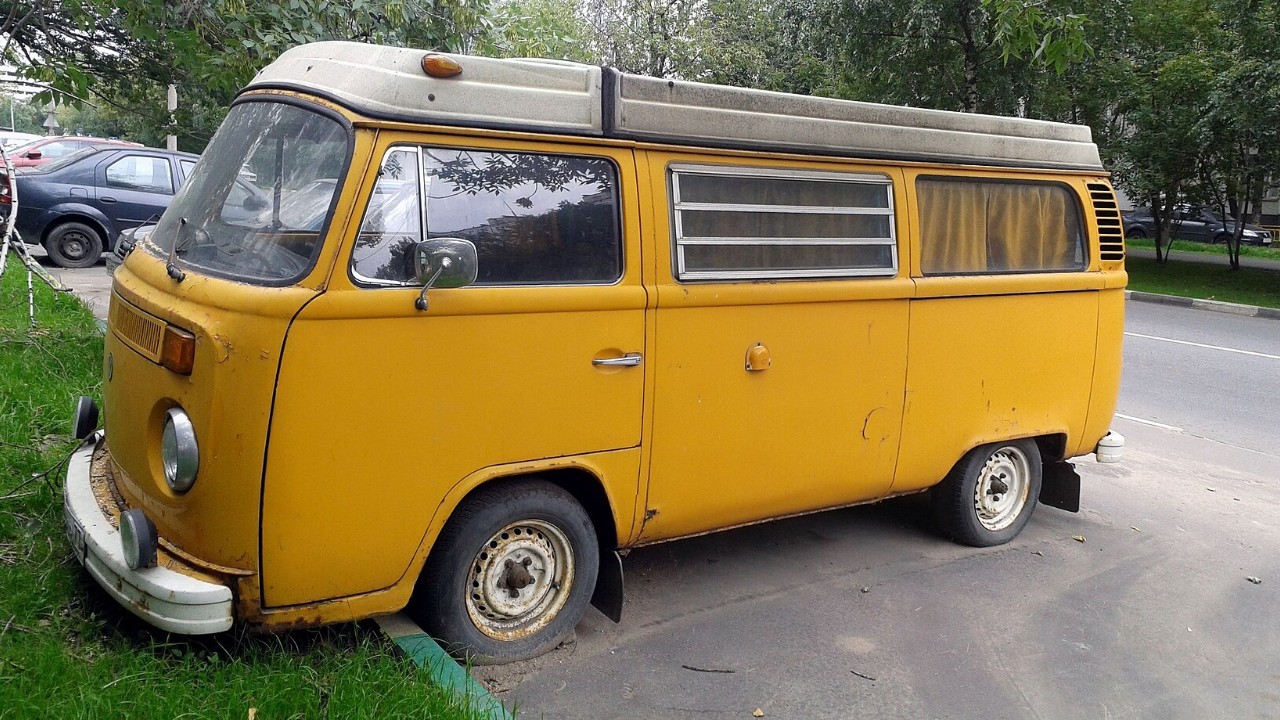
The American Film Institute’s catalog entry lays out the breakdown. Sheryl’s attempt to learn to drive a stick shift destroys the clutch. A roadside mechanic then explains that the clutch only matters for the shift from first to second. So, he says, the bus should be fine on the freeway if they can start it in third gear.
That advice creates the routine. The family pushes the bus until Richard can put it in gear, and then everyone runs alongside and jumps into the moving van. In fact, the AFI synopsis closes with the family happily push-starting the honking bus for the trip home. Film critic Stuart Klawans, writing in The Nation in August 2006, called it a running joke built on “strenuous group effort.”
The horn is the other gag. According to the AFI, Richard honks at a car that cuts them off, and the horn sticks. After that, it sounds off on its own for the rest of the trip.
Five matching buses from Craigslist
Behind the camera there was more than one van. In a 2018 piece for DGA Quarterly, Dayton and Faris wrote that production designer Kalina Ivanov’s team collected a fleet of five late-’70s VW buses from Craigslist. Each one got the exact same details, down to matched bug splats and bird droppings.
Two of the five became camera rigs. The directors say they built two buses with removable panels and large Plexiglas screens. Then they shot the driving scenes for real, on open highways at 50 mph, with two highway patrol officers escorting the convoy. Often the crew rode in the back with handheld cameras while Greg Kinnear drove.
The directors also admit to one trick. Every single horn honk, they wrote, was added in post-production. The rig rattled hard at most speeds, too, although they found that it settled down at certain speeds.
Real Volkswagen stories behind the script
The writers and directors all had bus history. According to the AFI, screenwriter Michael Arndt’s family had a VW bus when he was growing up. In an interview with MovieWeb, Faris said she crossed Europe in a VW camper with her parents. She also recalled a passenger van that broke down and had to be pushed.
Faris added that Arndt swears the door fell off his own van, and that’s where the film’s door gag came from. Meanwhile, Dayton said he owned a VW van when the couple started dating. He also said the team realized early on that the van was another character in the film.
Not every detail on screen was what it seemed. Faris said Kinnear drove most of the time, and “sometimes it was a stick, sometimes it was an automatic.” Interestingly, Dayton said the original ending didn’t have the family pushing the van at all.
What year is the Little Miss Sunshine bus?
No single answer holds up, and we won’t pretend otherwise. The directors’ own DGA account says the five buses were late-’70s models. By contrast, The Nation described a Volkswagen “of 1960s vintage.” When Volkswagen promoted the film’s Oscar run in 2007, Autoblog reported that Kinnear had thanked the company’s engineers for building “a beautiful vehicle back in 1969.”
That Autoblog story also lists the clutch in Volkswagen’s own words. Its press release spoke of a broken clutch and a stuck horn. The film then went on to four Academy Award nominations, including Best Picture.
At the ceremony, the film won two. The AFI records Oscars for Alan Arkin as Best Supporting Actor and for Michael Arndt’s original screenplay. The production shot the film in less than a month on an $8 million budget, the AFI says, with many of the bus scenes filmed near Palmdale, California.
More from Fast Lane Only