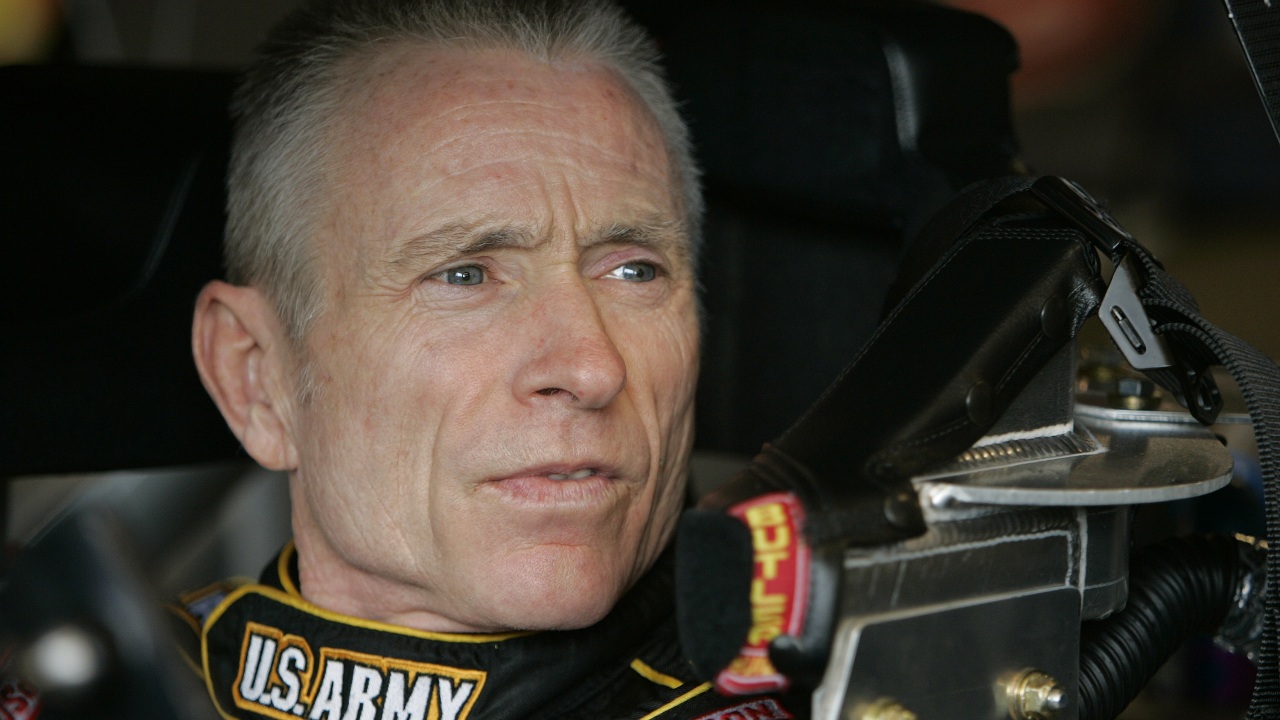
NASCAR once packed grandstands and delivered some of the strongest television audiences in American sports, yet its grip on fans has slipped as the sport has chased new formats, new markets, and new technology. Few people are as blunt about why that happened as Mark Martin, who spent decades in the garage and now argues that the problems are less about horsepower and more about mindset. I want to unpack how he believes NASCAR lost its way and what specific fixes he says could reconnect the series with both classic loyalists and the next generation.
From packed grandstands to empty seats
To understand Martin’s critique, I start with the contrast he draws between the early 2000s and today. He points back to a time when NASCAR grandstands were routinely full and television numbers ranked among the strongest in sports, a period when the product on track felt familiar and the connection between drivers, teams, and fans was straightforward. In his view, the subsequent decline in ratings and attendance is not a mystery but the predictable result of a series of choices that chipped away at that bond, from constant format tweaks to pricing fans out of the experience, all while assuming the audience would simply follow along.
Martin has said that the sport has experienced a consistent decline in ratings and that the empty seats visible at many tracks are a symptom of deeper issues rather than the core problem. He argues that the sanctioning body spent too much time chasing new viewers instead of reinforcing what already worked for the people who built the sport’s popularity. When he talks about putting people back in the stands and even suggests cutting ticket prices as part of that effort, he is tying economics directly to loyalty, insisting that the path back to those early 2000s crowds runs through a fan-first approach to both the show and the cost of admission, not just another marketing campaign.
A mindset problem, not a machinery problem
One of Martin’s sharpest points is that NASCAR’s biggest issue is not the cars, it is the mindset guiding the sport. He has said that after roughly two decades of chasing new fans, the series has drifted away from the core values that made stock car racing compelling in the first place. I read his argument as a warning that constant reinvention, from rules to race formats, has created a culture where decision makers are more focused on short-term buzz than on building a coherent, season-long narrative that rewards consistency and craftsmanship.
In a short video that has circulated widely, Martin stresses that the sport’s leadership has been “chasing them for 20 years,” referring to elusive new audiences, and that this pursuit has not delivered the hoped-for payoff. He frames this as a failure of priorities rather than engineering, pushing back on the idea that simply redesigning the car will fix the disconnect with fans. When he talks about the mindset, he is calling for a reset in how NASCAR thinks about its product: less emphasis on gimmicks and reactive changes, more emphasis on respecting the intelligence of fans who want to follow a clear, credible championship fight from the first green flag to the last.
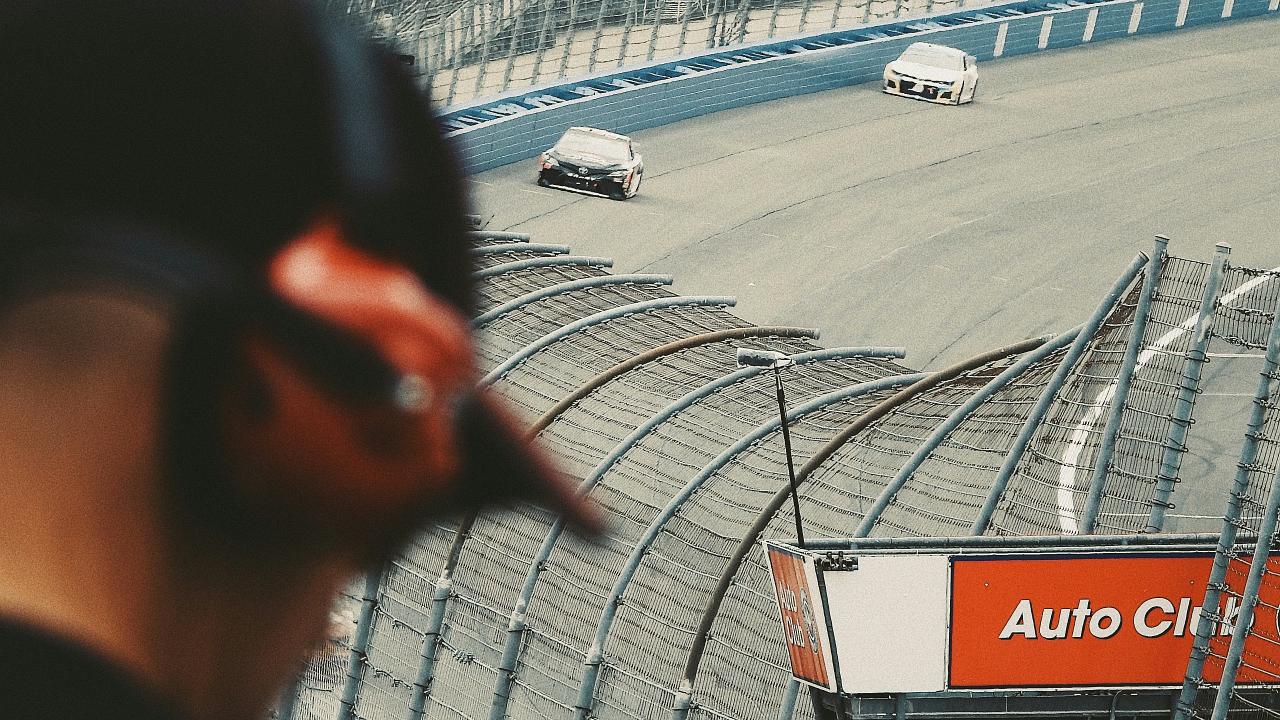
How the playoff era alienated classic fans
Nowhere is Martin’s frustration clearer than in his criticism of the current championship format. He has publicly called out the playoff system and the people who support it, arguing that the shift away from a full-season points race has alienated classic fans who grew up tracking every lap and every position in the standings. From his perspective, the playoff structure, with its elimination rounds and winner-take-all finale, might create drama in the short term but undermines the legitimacy that long-time followers expect from a motorsports championship.
Martin has gone so far as to say that NASCAR has “alienated classic fans,” and he has absorbed a massive backlash on social media for saying so, which only reinforces how emotional this issue has become. He has repeatedly advocated for returning to the original season-long championship format, where every race and every point matters equally from start to finish. In conversations about potential changes, he has noted that a traditional points format has been discussed inside the sport, and he has challenged the current system directly, using his platform as a retired NASCAR driver to argue that the playoff era has traded away too much of the sport’s competitive integrity for a television-friendly storyline that does not resonate with the people who built the fan base.
Building better cars that look and feel right
Even as he insists the mindset is the core problem, Martin has also been specific about what he thinks NASCAR got wrong with the cars themselves. He has talked about walking away from driving when he felt the direction of the series no longer matched his instincts about what stock cars should be. When he later climbed back behind the wheel at Laguna Seca years after retirement, he used that experience to reflect on how much the feel and character of race cars matter to both drivers and fans, and how modern designs can drift away from that sweet spot if the focus is only on parity and cost control.
Martin has emphasized that cars need to look right to fans, not just perform well in a wind tunnel or on a simulator. He has raised concerns that some recent design choices have made the vehicles harder to race in traffic and less visually connected to the street models that fans recognize. In his view, building better cars means striking a balance between safety, competition, and aesthetics, so that when a fan sees a car on track, it feels like a genuine stock car rather than a generic silhouette. He believes that if the sport can align the technical package with that visual and emotional expectation, it will be easier to sell the overall product without relying on constant format changes to manufacture excitement.
Winning back fans with simple, fan-first fixes
For all his criticism, Martin is not just diagnosing problems, he is offering concrete, often surprisingly modest solutions. He has argued that it is time to start truly selling tickets again, not just assuming that fans will show up regardless of price or experience. That includes putting people back in the stands by making events more accessible, and he has explicitly mentioned cutting ticket prices as one way to lower the barrier for families who might otherwise stay home. I read this as a call to treat race weekends as community events again, where the value proposition is obvious and the atmosphere feels welcoming rather than exclusive.
Martin has also talked about an “Easy and Inexpensive” fix to help NASCAR win over young fans, framing it as the easiest and most convenient way to reconnect with a generation that has plenty of entertainment options. While he has several concerns about the current direction, he keeps coming back to the idea that not every solution has to be a massive rules overhaul or a costly technology upgrade. Instead, he suggests focusing on straightforward improvements that make the racing easier to follow, the drivers more accessible, and the at-track experience more engaging, so that younger fans have a reason to invest their time and attention.
When I put his ideas together, a consistent blueprint emerges. Martin wants NASCAR to reset its mindset, reconsider the playoff system in favor of a full-season championship, refine the cars so they look and race like the stock machines fans expect, and adopt simple, fan-first measures like more affordable tickets and targeted outreach to younger audiences. He is not promising a quick fix to two decades of drift, but he is arguing that the path back to packed grandstands and strong ratings runs through respecting the people who already love the sport and giving them a product that feels authentic, coherent, and worth showing up for.
More from Fast Lane Only: