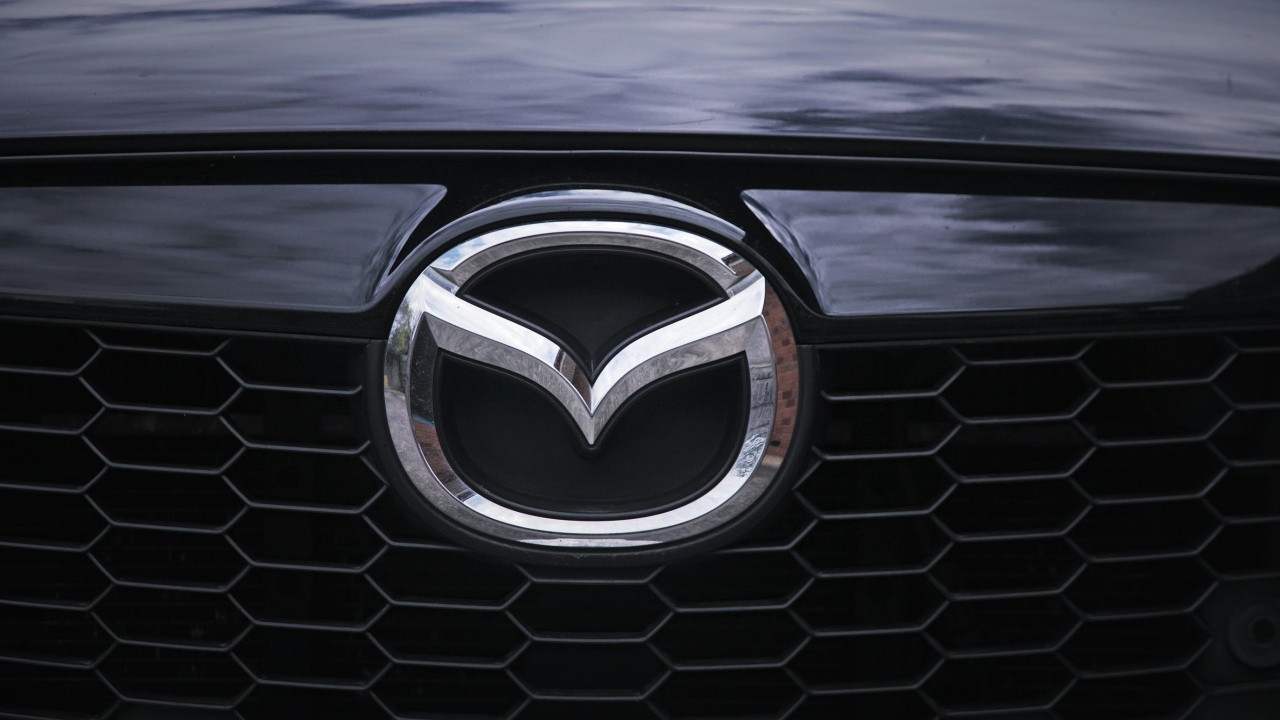
Mazda’s next purpose-built electric vehicle is no longer a near-term prospect. The company has quietly shifted its first dedicated EV onto a much longer timeline, with internal targets now pointing to 2029, and is instead pouring its energy into hybrids and plug-in hybrids. The move reflects not only Mazda’s own cautious engineering culture but also a broader cooling in global EV demand that is forcing automakers to rethink how quickly they abandon combustion engines.
For consumers, the delay means Mazda loyalists who want a fully electric model designed from the ground up will be waiting through most of the decade. For the industry, it is another signal that the first wave of EV optimism is giving way to a more sober phase, where profitability, infrastructure and regional policy all weigh heavily on product plans.
A dedicated EV slips to the end of the decade
The central shift is straightforward: Mazda has reportedly pushed back the launch of its first dedicated electric vehicle to 2029, roughly two years later than earlier internal targets. Instead of rushing a clean-sheet battery platform to market, the company is choosing to extend its current strategy of electrified combustion models, particularly hybrids and plug-in hybrids, as its main response to tightening emissions rules. Reporting on Mazda’s product roadmap indicates that the next EV launch window has moved from the late 2020s to the very end of the decade, and that the company is comfortable letting that gap widen while it refines its technology and cost base.
This delay sits on top of an already revised schedule for Mazda’s underlying electric architecture. Separate coverage of the company’s engineering plans notes that Mazda has again postponed its first in-house EV platform, now targeting a debut in 2028 rather than earlier in the decade. In practice, that means the dedicated EV arriving in 2029 would be the first full product built on that homegrown base, following a year of platform rollout and validation. The combination of a 2028 platform and a 2029 model launch underscores how deliberately Mazda is moving, prioritizing incremental electrification of existing nameplates over a rapid pivot to stand-alone battery vehicles.
From bold EV promises to hybrid pragmatism
The new timeline marks a notable change in tone from Mazda’s earlier public ambitions. In Nov, the company outlined a multibillion dollar plan to increase the share of electric vehicles in its global mix by 2030, signaling that it would ramp up investment in batteries, software and new architectures. That strategy presentation framed EVs as a central pillar of Mazda’s future, with executives highlighting a significant financial commitment to electrification and previewing concept vehicles that hinted at a more aggressive rollout.
Today, the emphasis has shifted toward what Mazda sees as a more commercially reliable bridge technology. Reports on the revised plan describe a clear pivot to hybrids, with the company choosing to expand gasoline-electric offerings across its lineup rather than accelerate pure EV launches. The focus on hybrids and plug-in hybrids allows Mazda to leverage its existing Skyactiv powertrains and manufacturing footprint while still cutting fleet emissions. It also buys time for battery costs to fall and charging infrastructure to mature, reducing the risk that a costly dedicated EV would arrive into a market not yet ready to absorb it at scale.
A global EV market losing some heat
Mazda’s caution does not exist in a vacuum. Across the industry, automakers are confronting a reality in which early adopters have largely been served and the next wave of EV buyers is proving more price sensitive and infrastructure dependent. Reporting on new EV registrations in the United States points to a slowdown in growth, with demand no longer keeping pace with the aggressive capacity expansions many manufacturers had planned. That softer trajectory has left some companies with excess inventory and has forced a reassessment of how quickly consumers are willing to abandon internal combustion, especially in markets where charging networks remain patchy.
Other major players are making similar adjustments. One analysis of General Motors’ financial outlook describes a $1.6 billion setback tied to its electric program, noting that while GM has not formally scaled back its long-term electrification targets, it is clearly moderating the pace of new EV launches to better match current demand. Another report on Ford details how the company is backing away from some of its more ambitious electric-vehicle plans as demand chills, with Several large Companies slowing EV investments and rebalancing toward hybrids in response to high prices, economic uncertainty and infrastructure gaps. Against that backdrop, Mazda’s decision to delay its next EV looks less like an outlier and more like part of a broader industry recalibration.
Regional realities and Mazda’s current lineup
Geography also shapes Mazda’s calculus. The company already sells an electric sedan, the EZ-6, in China, but detailed coverage of that model makes clear that it is not a global solution. The EZ-6 is described as a “global” EV in name only, with no indication that it will be offered in North America. Analysts point to the tariff environment and the structure of EV incentives in the United States as major obstacles to importing a China-built Mazda EV, suggesting that the car is tailored to local joint-venture conditions rather than designed as a universal flagship.
In North America, Mazda’s showroom is anchored by crossovers such as the 2026 MAZDA CX-5 and the 2025 MAZDA CX-50, which are highlighted in the New Mazda Model Lineup as core products. Marketing language that describes the CX-5 as MADE FOR WHAT MOVES YOU underscores how the brand continues to lean on its traditional strengths of driving dynamics and design, with electrification layered in gradually rather than as a wholesale reset. Hybrids and plug-in hybrids can be integrated into these familiar nameplates more easily than a radical new EV, allowing Mazda to maintain continuity for dealers and customers while still nudging buyers toward lower-emission options.
What the delay signals for Mazda’s future
For Mazda, pushing its next EV to 2029 is as much a statement about identity as it is about timing. The company has long positioned itself as a smaller, engineering-led brand that prefers measured evolution over headline-grabbing bets. By prioritizing hybrids and delaying a dedicated EV, Mazda is signaling that it intends to stay profitable and technically conservative while the EV market works through its growing pains. The revised schedule for its in-house EV platform, now targeting 2028, suggests that when Mazda does commit to a full battery vehicle, it wants the underlying technology to be thoroughly developed and aligned with clearer demand.
The risk is that this patience could leave Mazda trailing rivals if EV adoption re-accelerates or if regulators tighten rules faster than expected. Yet the broader context of slowing New EV registrations, GM’s multibillion dollar EV setback and Ford’s decision to temper its own electric rollout indicates that caution is no longer a fringe position. Instead, Mazda’s quiet delay looks like part of a second phase in the EV transition, one in which automakers balance climate goals with financial discipline and regional realities. For drivers, the message is clear: those who want a Mazda badge on a ground-up electric car will need to wait until the end of the decade, while those open to hybrids will see more choices much sooner.
More from Fast Lane Only