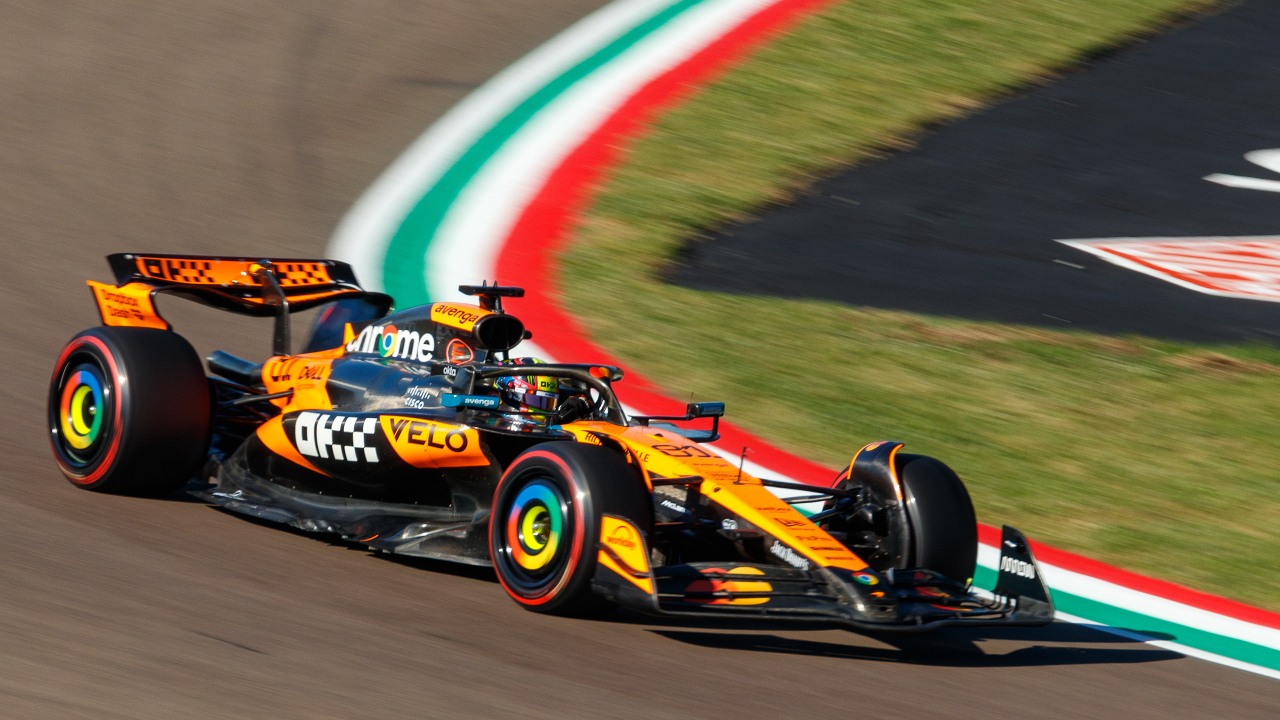
McLaren is turning its most coveted assets into financial fuel, using high-end auctions of both historic and future race cars to help bankroll its next phase in Formula 1. Instead of relying only on traditional sponsorship and investor capital, the team is inviting ultra-wealthy collectors directly into its competitive program, selling access to cars that have not yet turned a wheel.
It is a bold move that blends motorsport, finance, and luxury culture, and it signals how far modern F1 operations will go to fund performance gains. By monetizing both its heritage and its future machinery, McLaren is testing whether the market for rare experiences can meaningfully support the cost of chasing podiums.
The Triple Crown auction that rewrites the rulebook
The clearest expression of McLaren’s new strategy is a package built around its so-called Triple Crown, the combination of Formula 1, the 24 Hours of Le Mans, and the Indianapolis 500 that defines the team’s most prestigious racing achievements. At RM Sotheby’s inaugural Abu Dhabi Collectors’ Week sale, McLaren Racing offered three yet-to-be-built racing cars as a single, ultra-premium lot, a move described as THE McLAREN TRIPLE CROWN and framed as a unique auction moment that bundled future machinery, privileged access, and factory visits for the winning bidder. That structure turned the sale into more than a car purchase, it became a long-term partnership between a collector and the race team, with the buyer effectively underwriting a slice of McLaren’s multi-series program.
The financial stakes were significant. Reporting around the event highlighted that $19.9 Million was raised by McLaren in an F1, Le Mans, and Indy 500 Auction, with the MP Pod describing the total as $19.9 M and explicitly noting $19.9 Million in proceeds tied to the Triple Crown concept and related experiences. By tying the sale of future race cars to this $19.9 Million figure, McLaren converted its Triple Crown mythology into hard capital that can be redirected into engineering, operations, and driver support across its Formula 1, Le Mans, and Indy efforts, while the buyer gains a level of access that standard hospitality packages cannot match.
Selling tomorrow’s F1 car today
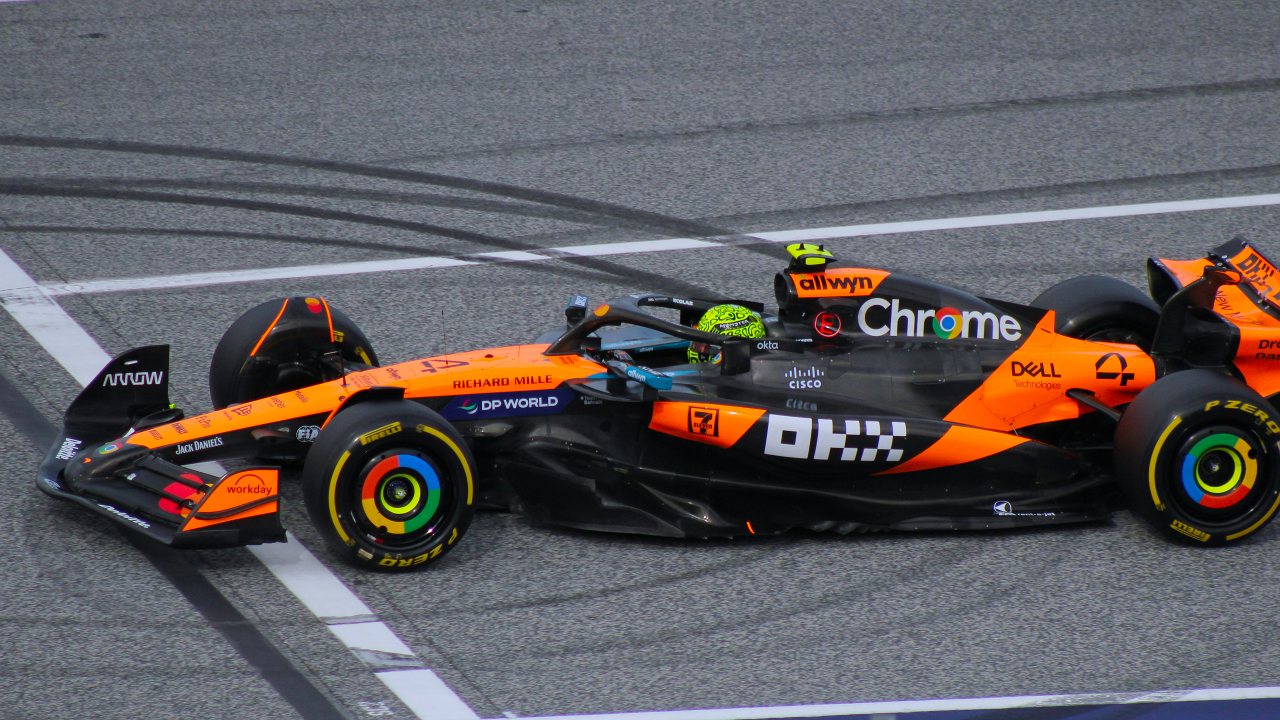
McLaren has not stopped at a single Triple Crown package. Earlier this year, the team moved to auction off its 2026 Formula 1 car before it ever turns a lap, effectively selling a future chassis as a collectible and experience bundle. Coverage of the plan stressed that the world has seen plenty of historic Formula 1 cars auctioned in the past, but that no team had previously put a car up for sale before it had even raced, with McLaren planning to do exactly that through a sale hosted by RM Sotheby’s on the weekend of the 24 Hours of Le Mans. The car in question, identified as the 2026 McLaren MCL40A F1 car, was reported on enthusiast forums as having been sold at auction, with details that the physical car will be delivered to the owner in early 2028 and that the agreement includes the ability to lease the 2025 show car on a temporary basis.
The commercial logic is straightforward. By teaming up with RM Sotheby’s, McLaren Racing is using a celebrated auction house to offer a unique opportunity to purchase a future Formula 1 car, with the collaboration described as a first-of-its-kind auction of a future chassis that folds in access and involvement with the team. Additional reporting framed the initiative as McLaren offering its 2026 F1 car for sale in a unique auction, with McLaren Racing and RM Sotheby joining forces for an unprecedented sale that turns a future race asset into an immediate revenue stream. In effect, McLaren is pulling forward the value of a car that would traditionally sit on the balance sheet as a cost center, transforming it into a cash-generating product years before it races.
From heritage sell-offs to structured capital
This is not the first time McLaren has turned to its garage to fund development, but the scale and sophistication have changed. Earlier in the decade, the company began selling off cars from its impressive heritage collection to support road-car projects, with reporting noting that McLaren sold some historic cars to fund Artura development and that Viknesh Vijayenthiran December described how the company had already drawn on its museum-grade assets in the past. Those sales were essentially one-off disposals of existing cars, a way to unlock cash quickly by parting with pieces of history that had already been built and raced.
In parallel, McLaren has also brought in outside investment to stabilize and grow its racing arm. The team sold a significant minority stake in its Formula 1 operation in a £185 million deal, with McLaren Group Executive Chairman Paul Walsh stating that Bringing partner capital and expertise into McLaren Racing would support the next chapter of growth and success. That transaction, combined with the earlier heritage sell-offs, laid the groundwork for the current auction strategy, which now blends equity capital, asset sales, and experiential offerings into a more deliberate funding model for the racing program.
Why collectors are buying into McLaren’s future
For ultra-high-net-worth buyers, the appeal of these auctions goes far beyond owning a physical car. The Triple Crown package was marketed as Representing a unique auction moment that included privileged access and factory visits, turning the purchase into a multi-year immersion in McLaren Racing rather than a simple acquisition. The future F1 car auction follows a similar pattern, with reports explaining that while the auction date comes before the cars ever turn a lap, the buyer will receive the completed 2026 Formula 1 car later and can enjoy a 2025 show car on lease in the meantime, effectively gaining a rolling presence in McLaren’s world from the moment the hammer falls.
McLaren Racing has been explicit that it is teaming up with RM Sotheby’s to create a unique opportunity, and the language around the Triple Crown sale and the 2026 car emphasizes exclusivity, access, and the chance to be embedded with the team. One report on McLaren’s broader plan described how McLaren Racing is preparing to do something no major team has tried before, with Three race cars from future seasons to be sold as part of a historic sale that underlines why this move stands out. For collectors, that combination of rarity, narrative significance, and behind-the-scenes involvement is precisely what justifies eight-figure spending, and McLaren is leaning into that psychology to turn fandom into direct capital for its racing projects.
What this funding model means for McLaren’s F1 push
Structurally, these auctions give McLaren a way to diversify its income at a time when Formula 1 budgets are tightly scrutinized and performance gains are increasingly expensive. By converting future race cars into financial instruments, the team can secure funding for design, simulation, and manufacturing long before the first test session, smoothing cash flow and reducing reliance on more volatile revenue sources. The $19.9 Million raised around the Triple Crown concept, combined with the sale of the 2026 McLaren MCL40A F1 car and the broader Three-car future package, represents a meaningful injection of capital that can be targeted at aerodynamic development, power unit integration, and race operations across multiple series.
There are also strategic branding benefits. By positioning itself at the intersection of elite motorsport and high-end collecting, McLaren reinforces its image as a maker of rare, technologically advanced objects that belong in the same conversation as blue-chip art and classic Ferraris. The earlier decision to sell historic cars to fund Artura development, the equity deal that brought partner capital into McLaren Racing, and the current collaboration with RM Sotheby’s all point to a team that is comfortable treating its cars as financial assets as much as sporting tools. If the Triple Crown auction and the 2026 F1 car sale deliver sustained performance improvements on track, other teams may feel pressure to follow, but for now McLaren is the one testing how far the auction block can carry a modern Formula 1 campaign.