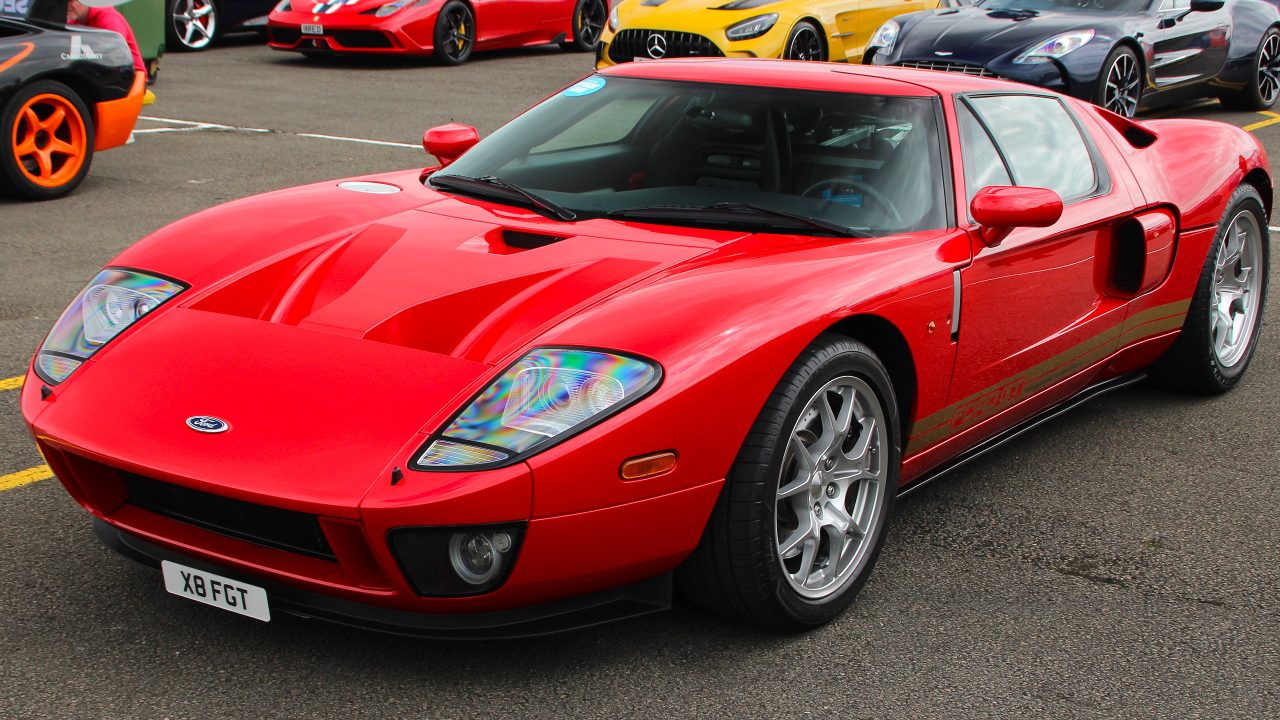
Paul Walker’s old Ford GT just reminded the market how expensive nostalgia can be, with a hammer price that pushed well into modern supercar money. The result underscored how a relatively young analog exotic, tied to a beloved movie star, can command a premium that goes far beyond its original sticker.
I see the sale as a clear signal that collectors are willing to pay heavily for the right mix of provenance, rarity, and old-school driving feel, even when newer and faster machinery is available for less. The numbers attached to this particular Ford GT show how far that appetite now stretches.
What actually sold, and for how much?
The car in question is a 2005 Ford GT that once belonged to Paul Walker, part of the late actor’s “Always Evolving Collection” of performance machinery. The mid‑2000s GT is already a coveted modern classic in its own right, but the Walker connection turned this example into a headline lot, identified as Lot 222,117 on a major online auction platform. According to the auction record, the car sold for $627,000 before fees, a figure that sits well above what a standard, non-celebrity GT typically brings in similar condition.
That $627,000 hammer price is only part of the story, because high‑end auctions routinely add a buyer’s premium that pushes the final bill even higher. In the world of collectible assets, that extra layer can be substantial: a famous bottle of Macallan 1926 Scotch, for instance, reached 2,187,500 pounds, or $2,714,250, once the premium was added on top of the sale price. The same principle applies here. While the auction listing for the ex‑Paul Walker Ford GT highlights the $627,000 result, the all‑in cost to the winning bidder climbs once fees are factored in, which is how the total outlay can effectively land in the mid‑$600,000 range and justify describing the car as a roughly $634,000 indulgence.
Inside the ex‑Paul Walker Ford GT
On its own merits, this 2005 Ford GT is the kind of car that already excites serious enthusiasts. The model revives the spirit of the original GT40 with a supercharged V8, a manual gearbox, and a layout that prioritizes driver engagement over digital assistance. The auction listing details a car that stays true to that brief, with the classic mid‑engine configuration, the signature bodywork, and the kind of mechanical hardware that appeals to buyers who want a rawer experience than most current supercars offer. That foundation is part of why the GT has become such a strong performer in the secondary market.
The Walker provenance adds another layer. The car came out of the Always Evolving Collection, the enthusiast-focused stable that reflected Paul Walker’s reputation as a genuine gearhead rather than a celebrity dabbling in cars. Social media posts promoting the sale highlighted that this specific Ford GT was part of that legendary collection and emphasized its low mileage and clean presentation. One widely shared post from Dec showed the car attracting 14,961 likes, a reminder that the cultural pull of Walker’s name still resonates strongly with fans of both the Fast and Furious franchise and analog performance cars. That kind of attention helps explain why bidders were prepared to stretch beyond typical GT money for this particular chassis.
Why this Ford GT is so coveted
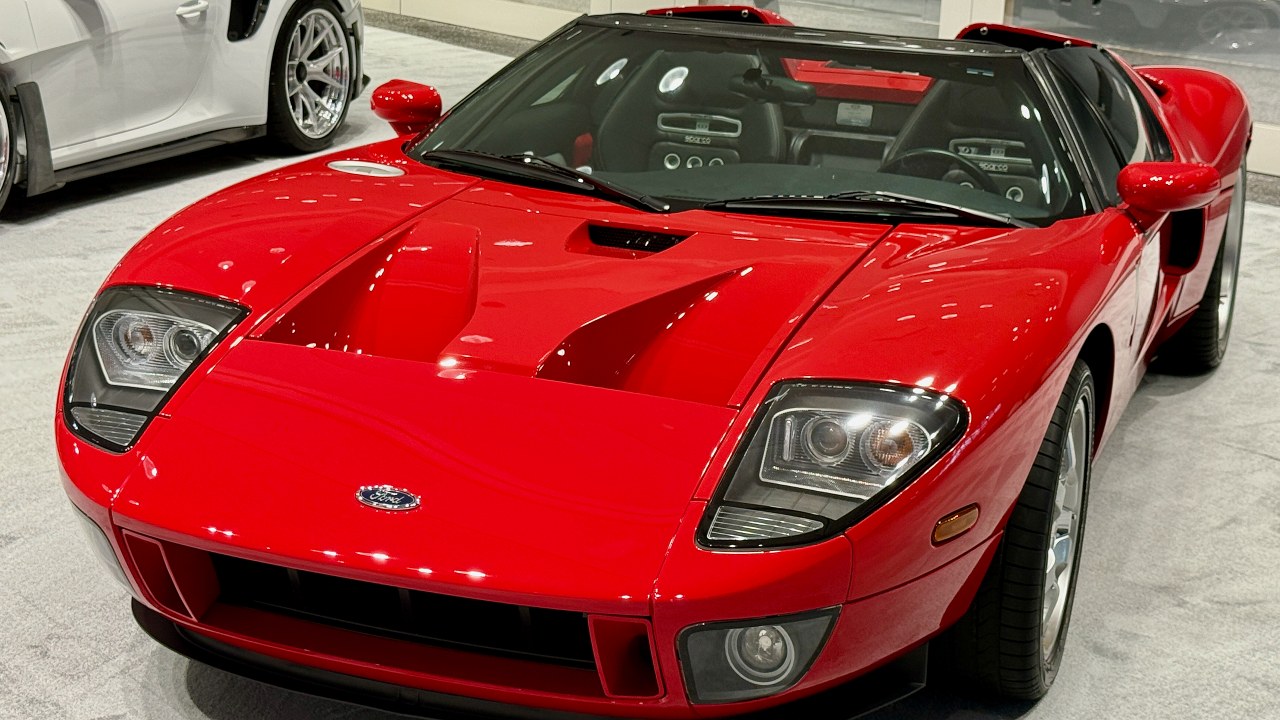
Even without a Hollywood backstory, the mid‑2000s Ford GT has become one of the most sought‑after analog supercars of its era. The car’s design channels the original GT40’s racing heritage, but its engineering focuses on a simple, driver‑centric layout that stands apart from the increasingly complex electronics in newer exotics. Reporting on the model’s appeal points to an interior that follows a straightforward, function‑first philosophy, with controls and feedback tuned to keep the driver connected to the mechanicals rather than filtered through layers of software. That approach has aged well, especially as more recent performance cars lean heavily on configurable drive modes and digital dashboards.
Market observers note that the strong sale of Paul Walker’s Ford GT is likely to lift values for the broader GT population. Analysis of the result frames it as a “sky‑high” benchmark that could reset expectations for clean, low‑mile examples, particularly those with rare options or special histories. The car’s paint and overall condition, described in detail in the auction listing, reinforce that this was not just a famous name attached to a tired chassis, but a well‑preserved, highly original GT. When a car that already sits near the top of its segment in terms of desirability adds celebrity provenance and top‑tier presentation, the market tends to respond with aggressive bidding, and that is exactly what happened here.
The power of Paul Walker’s legacy
Paul Walker’s connection to performance cars runs deeper than his on‑screen role in Fast and Furious, and that authenticity is a big part of why his name still moves the market. The Always Evolving Collection was known among enthusiasts as a serious gathering of high‑performance machinery, not a casual assortment of toys. When a car emerges from that context, it carries a kind of cultural verification that the previous owner genuinely cared about driving. In the case of this Ford GT, the association with Walker’s enthusiast persona, rather than just his celebrity status, helps justify the premium buyers were willing to pay.
The social media response to the sale underlines that emotional connection. The Dec post spotlighting Paul Walker’s 2005 Ford GT from the Always Evolving Collection, and noting that it was crossing the auction block, drew 14,961 likes, a sizable number for a single car listing. That level of engagement shows how Walker’s legacy continues to energize fans and collectors, turning a well‑regarded supercar into a piece of shared cultural memory. When bidders step into that environment, they are not only chasing a rare Ford GT, they are also buying into a story that blends movie history, personal passion, and the broader nostalgia around an era when big‑power, manual‑gearbox supercars still ruled the road.
What this sale says about today’s collector market
From my perspective, the ex‑Paul Walker Ford GT result is part of a broader pattern in the high‑end collector world, where buyers are increasingly drawn to assets that combine scarcity with a strong narrative. The same dynamic that pushes a bottle of Macallan 1926 to 2,187,500 pounds, or $2,714,250, once premiums are included, is at work here: people with the means are paying for stories as much as for objects. In cars, that often means low‑production models with clear historical hooks, whether it is a racing pedigree, a famous owner, or a role in pop culture. The Ford GT checks several of those boxes, and the Walker connection amplifies them.
I also see the sale as a reminder that analog performance cars from the 2000s are entering their prime collecting years. The 2005 Ford GT offers a manual transmission, a supercharged V8, and a relatively simple interior that prioritizes driving focus and mechanical feedback, a philosophy that stands in contrast to the heavily digitized experience of many current supercars. As more enthusiasts with disposable income look back fondly on that era, cars like the GT are likely to keep climbing, especially when they come with documented histories and low mileage. The roughly mid‑$600,000 all‑in price for this ex‑Paul Walker example may look steep today, but in the context of where the market is heading, it could end up being remembered as an early marker of just how valuable nostalgia, and the right name on the title, can become.