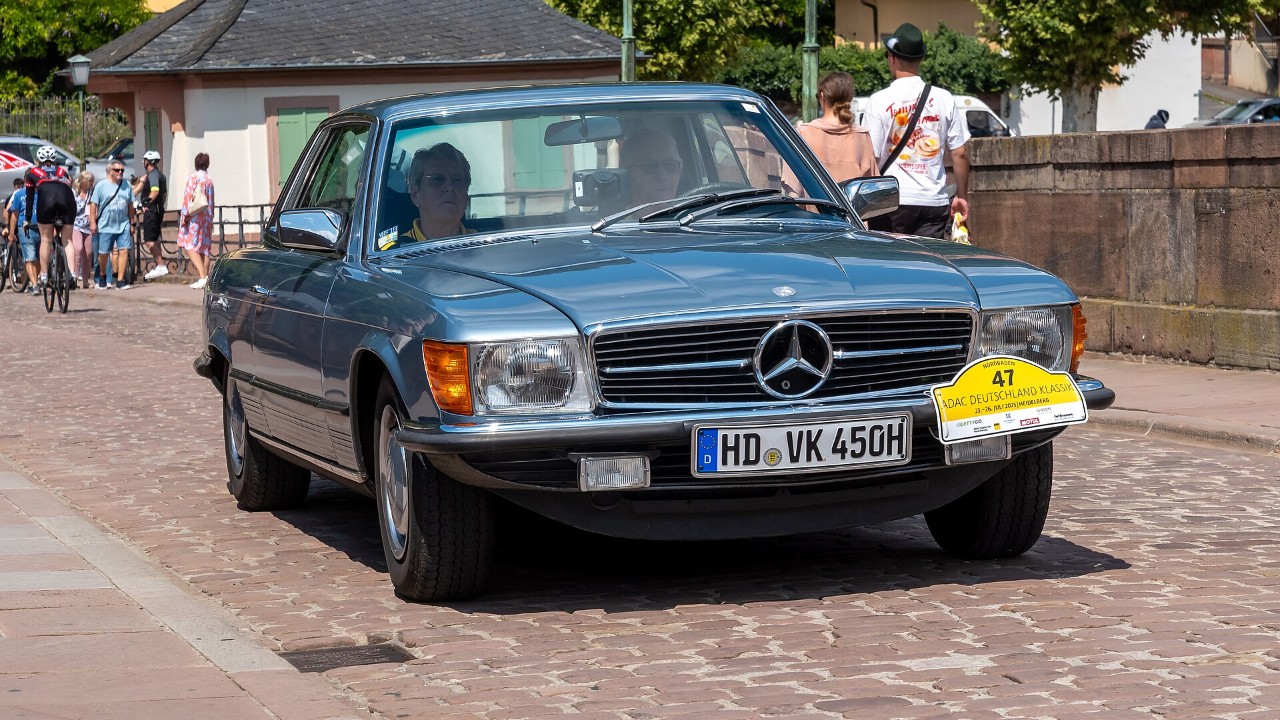
The Mercedes-Benz 450 SLC looks like a simple job: a solid German coupe with a tough V8 and good parts supply. Yet even this car hides a few costly traps. Grand tourers often work that way, because they pack big engines, rich interiors and plenty of gadgets into one body.
A GT car is built to cross a continent in comfort. That brief means more wiring, more trim, more weight and often a hand-built body. Every one of those things adds up when a tired example finally reaches a workshop.
These are our picks: eight GT cars we think are harder to restore than they appear. The verdicts are our opinion and are meant to be fair, since every car here is worth saving. However, the years, engines, known faults and figures come from buyer’s guides, auction records and reference sources we read for this story.
1. Mercedes-Benz 450 SLC
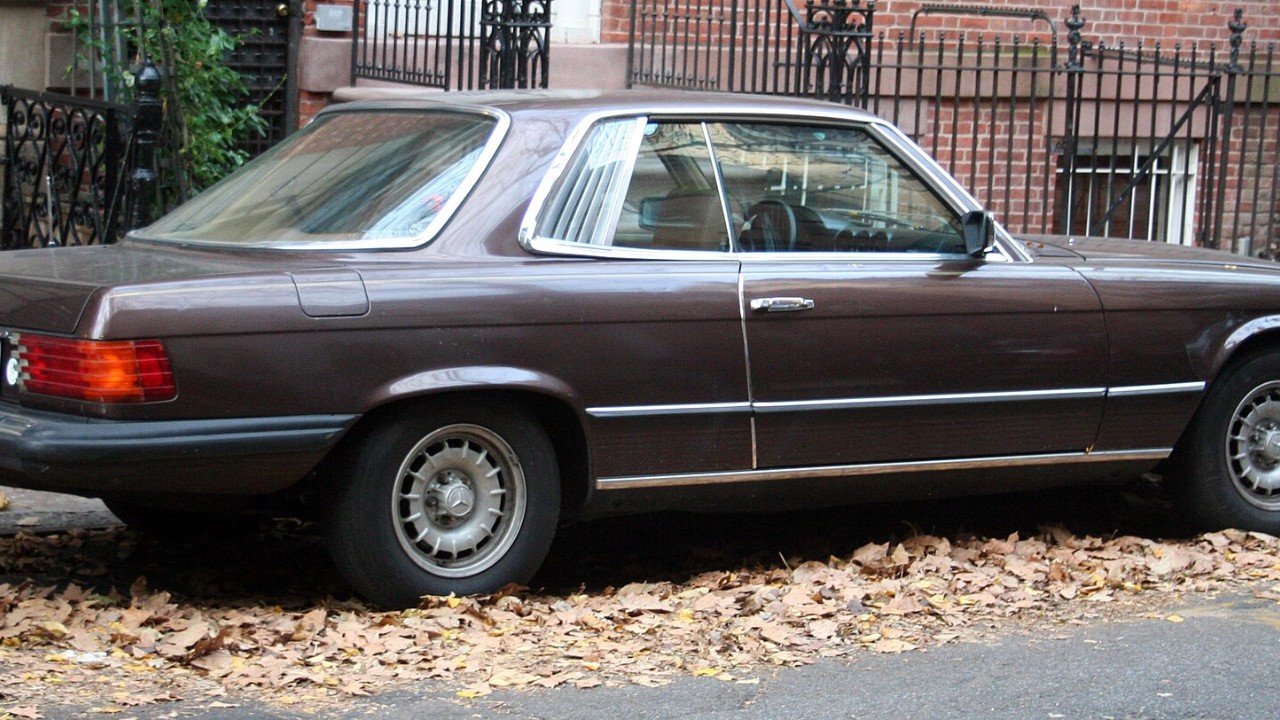
The 450 SLC was the fixed-roof coupe built from the SL roadster, sold from 1973 to 1980. Mercedes stretched the wheelbase by 360 mm to fit two rear seats, and it raised the roofline slightly. Power came from a 4.5-liter fuel-injected V8 with single overhead camshafts, paired with a three-speed automatic. The car was tough enough to go rallying, too, as our story on the 450 SLC 5.0’s 1979 Rallye Bandama sweep shows.
So where is the catch? According to CarsGuide’s used-car review, rust is not a major problem overall, but the car is known to rust under the passenger-side guards. The lower control arm mounts can crack, and a sun-cracked dash pad is costly to repair. Cars imported from England in the 1980s may also hide severe rust.
In our view, the Mercedes-Benz 450 SLC is the friendliest car on this list, which is exactly why buyers underestimate it. Our advice: lift the passenger-side carpet before you buy, because damp there points to a serious repair bill.
2. Jensen Interceptor III
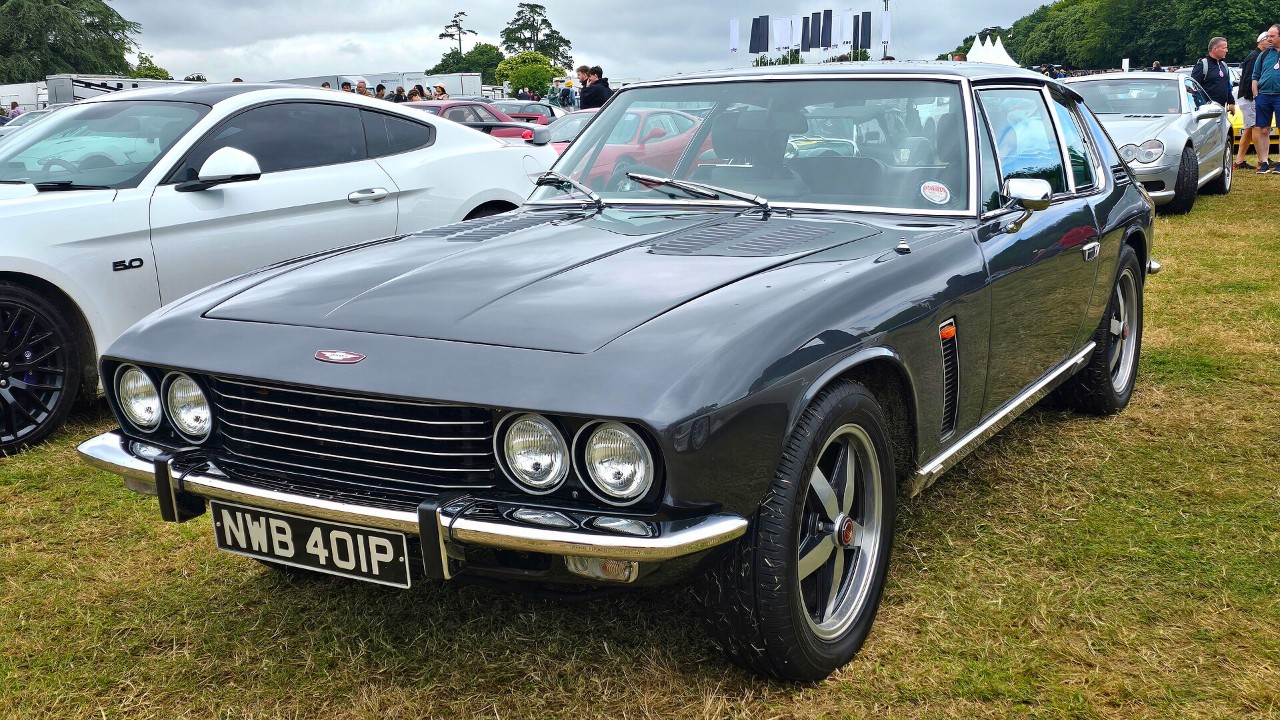
Jensen built the Interceptor in West Bromwich, England, from 1966 to 1976, and made 6,408 of them. Carrozzeria Touring designed the steel body, and Vignale built the early shells in Italy. The Mk III arrived in 1971 with GKN alloy wheels and standard air conditioning. That same year, the Chrysler 440 replaced the 383 V8.
The Chrysler engine is the easy part. According to Hagerty’s Interceptor buyer’s guide, Vignale’s build quality and rustproofing “left much to be desired,” and replacement panels are limited. Wiring and under-bonnet heat are the two most common complaints. Heat can also cook the front of the harness and perish fuel lines. Meanwhile, Interceptor-specific trim and glass are expensive, especially the big rear window.
We’d still call the Interceptor one of the great Anglo-American GTs. However, a full restoration can cost far more than the finished car is worth. Our advice: buy the best body you can afford, and walk away from a rusty one.
3. 1982 Ferrari 400i
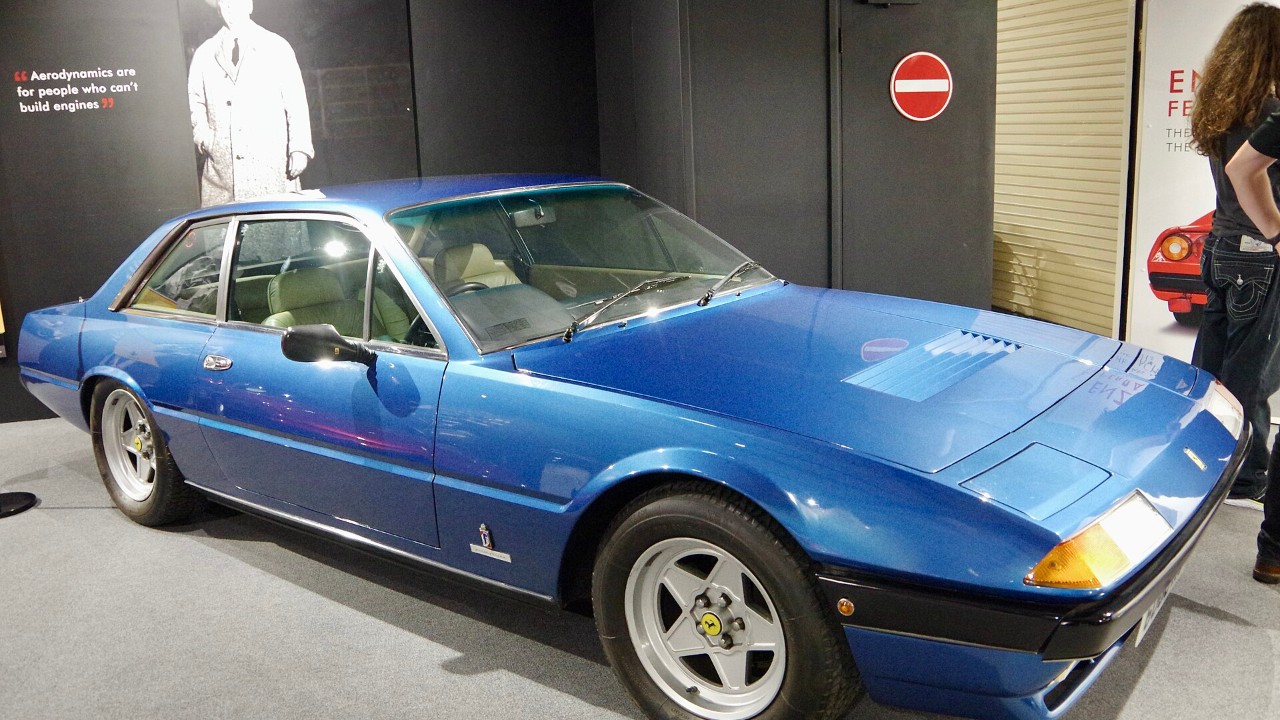
The 400i was Ferrari’s four-seat V12 grand tourer. In 1979, Bosch K-Jetronic fuel injection replaced the carburetors, and that change helped the car meet US emissions rules. The 4,823 cc quad-cam V12 made 310 PS at first. Then, in late 1982, new camshafts and exhaust headers raised it to 315 PS. Ferrari built 1,305 of the 400i, and 883 of them were automatics using a GM three-speed gearbox.
The trouble came in the lean years. According to Hagerty’s valuation verdict on the 400 and 412, these cars reached a point where “the annual service costs more than the car.” As a result, many were neglected, and rust was often patched or left to bubble through the paint.
Values have turned since then. Hagerty reports that a 1981 400i sold for €92,000, double its top estimate. In our view, that makes a neglected car tempting, but a twelve-cylinder Ferrari never gets cheaper to fix. Our advice: pay for a specialist inspection of the engine and body before you bid.
4. 1979 Lancia Gamma Coupé
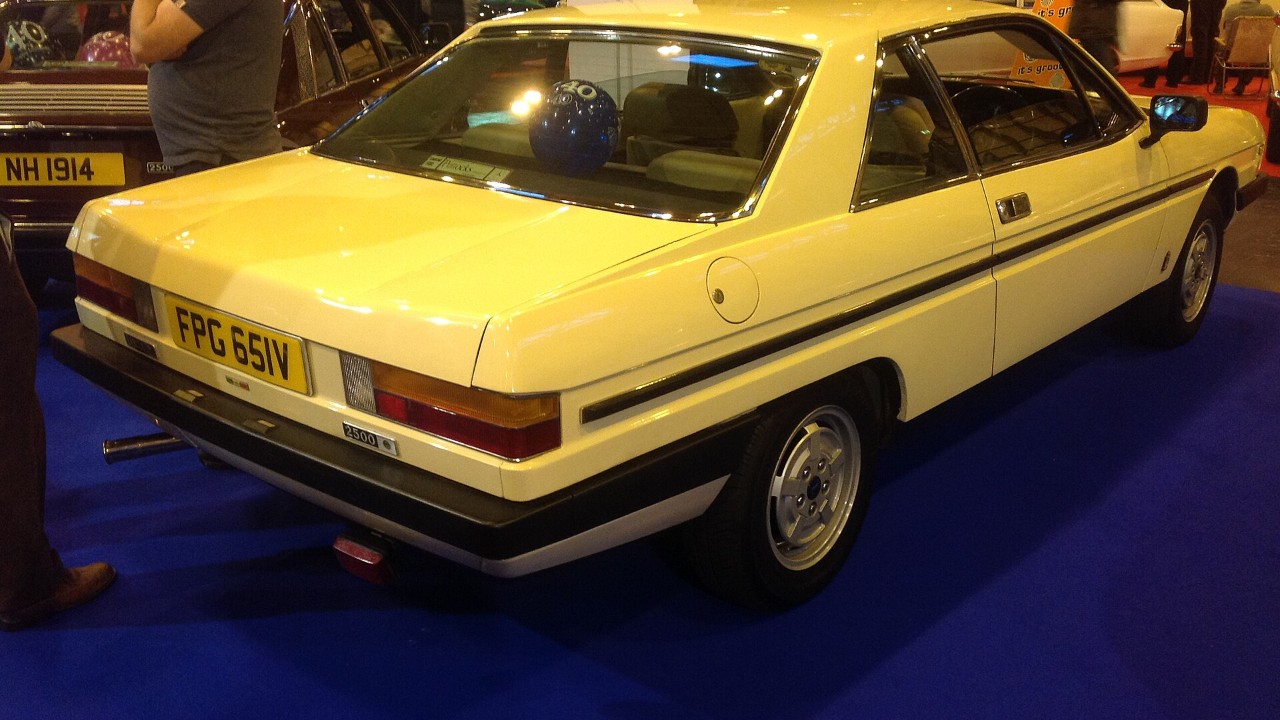
Pininfarina’s chief stylist, Aldo Brovarone, drew the Gamma Coupé. Its flat-four engine let him drop the hood line and rake the windshield steeply. Lancia sold the coupe from 1977 to 1984, and Pininfarina’s records show 6,790 were built. The bigger 2.5-liter engine made 140 PS in the first series.
Among Lancia fans, the Gamma’s weak spot is famous. The power steering pump runs directly off the left camshaft rather than from an accessory belt. As a result, a heavy load on the pump, such as starting the engine or turning to full lock, can make the timing belt skip or snap. That can cause serious engine damage.
In our view, the Gamma Coupé is one of the most elegant shapes of its era. However, its engine layout and its rarity make it a job for a Lancia specialist. Our advice: insist on a recent timing belt service, and avoid holding the wheel at full lock.
5. 1971 Monteverdi High Speed 375L
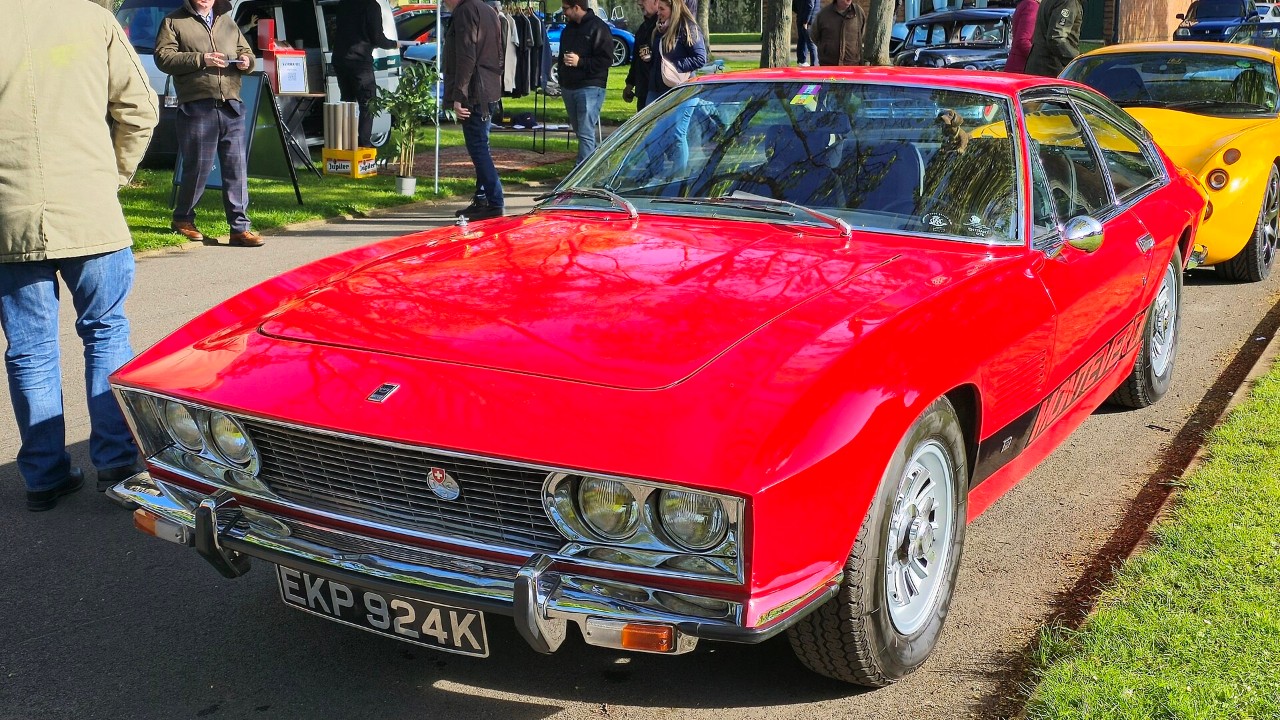
Peter Monteverdi was Ferrari’s Swiss importer before he built his own cars. The High Speed 375L paired Italian design with American power. Frua styled it, and Carrozzeria Fissore built the body. According to RM Sotheby’s catalog for a 1971 car, it used a 375-bhp Chrysler 440 V8 with a three-speed TorqueFlite and a de Dion rear axle.
RM also notes that Monteverdi built limited runs by hand, and the catalog gives no exact production figure. That is the core problem for a restorer. The Chrysler drivetrain is easy to service, yet the hand-shaped body and the trim belong to a tiny run of cars. So any missing piece may need to be made from scratch.
The RM car sold for £156,800 in 2016, after decades of careful upkeep. In our view, that kind of history is worth more than any restoration. Fans of forgotten GT cars will love the 375L, but buy a complete one, not a project.
6. BMW 635 CSi E24
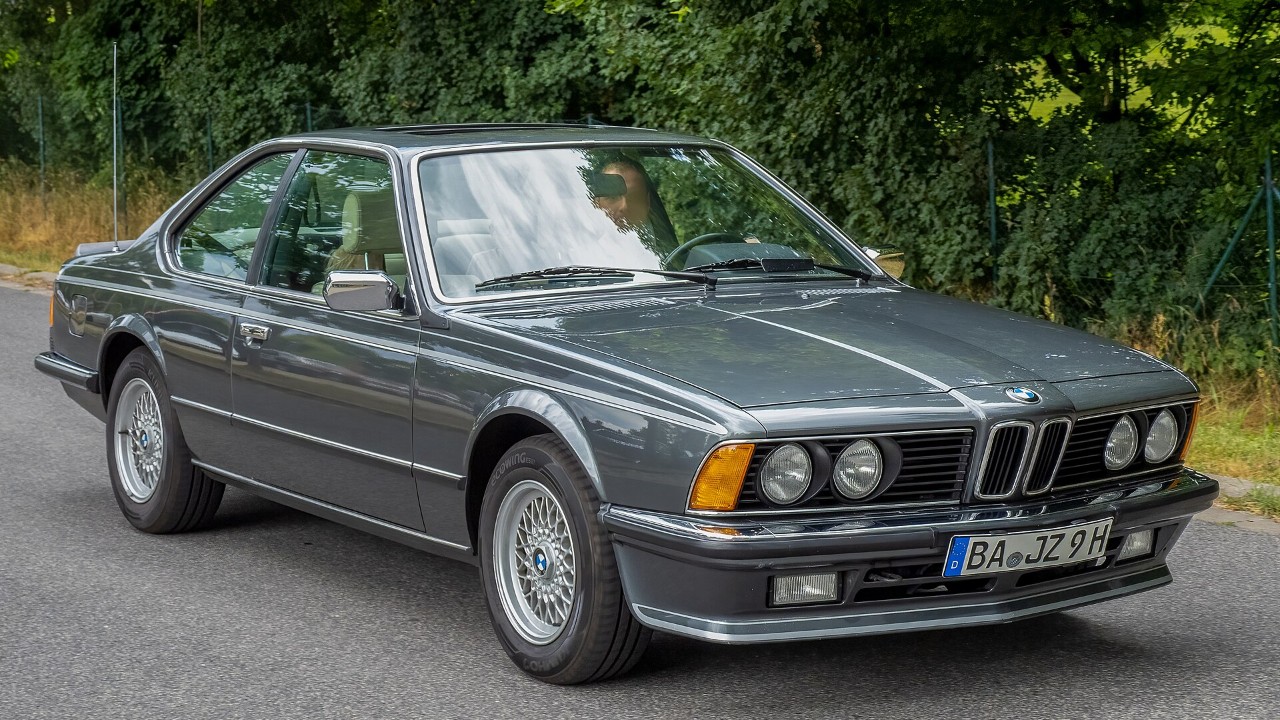
Paul Bracq designed the E24 coupe, and BMW sold the 635 CSi from 1978 to 1989. From 1982 to 1987, it used a 3.4-liter M30 straight-six with 218 PS in European trim. BMW built 86,216 E24 coupes in all. The car also won the European Touring Car Championship in 1981, 1983 and 1986.
The body is where the work hides. Karmann built the early cars, and from August 1977 it supplied only the steel shells for BMW to finish at Dingolfing. Then the 1982 facelift considerably improved rust protection, which tells you the earlier cars needed it. A big coupe with that much steel can rust in places a quick look will miss.
We think the 635 CSi is one of the best-looking BMWs ever made, and the M30 engine is sturdy. Even so, a shiny 635 can be hiding a costly body repair. Our advice: favor a post-1982 car and have it checked on a lift.
7. 1989 Jaguar XJ-S V12 Coupé
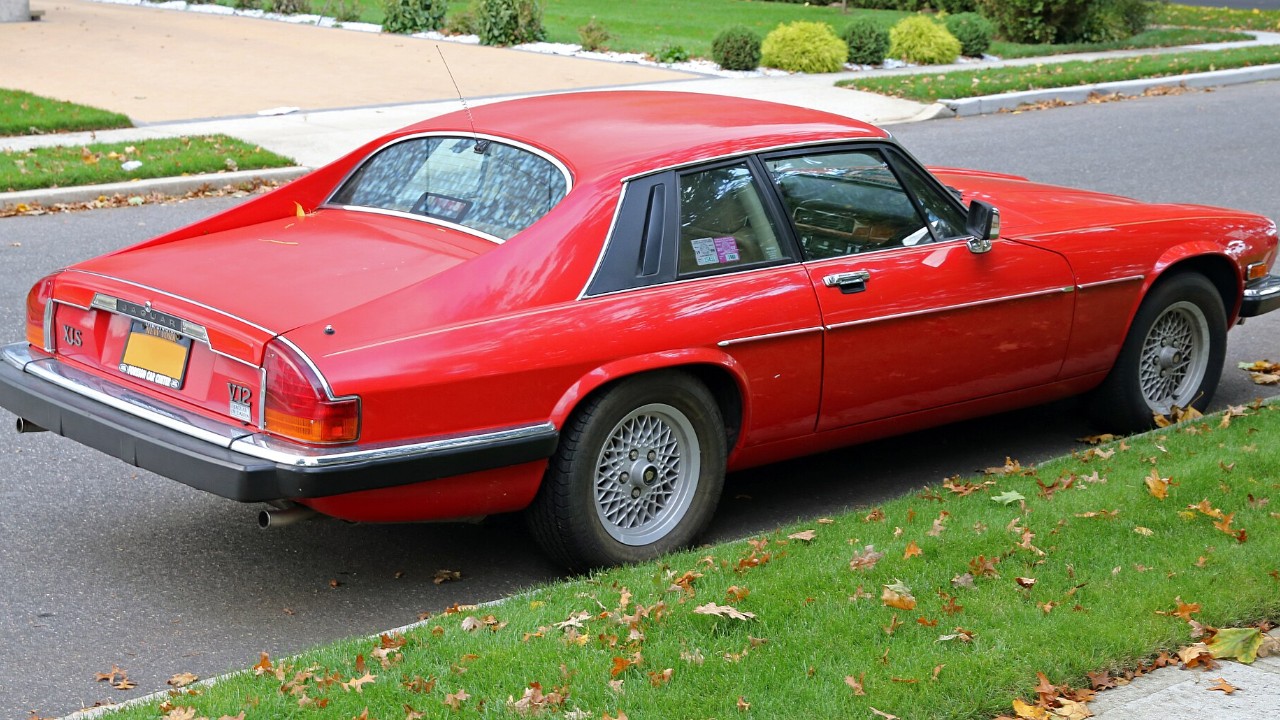
Jaguar launched the XJ-S in September 1975, and from 1981 it used the High-Efficiency V12. That engine’s “Fire Ball” combustion chamber, designed by Michael May, improved economy and raised output. According to Hagerty’s look at XJ-S values, Jaguar sold 84,104 coupes during the car’s 1975–1996 run.
Hagerty also warns that “repairing a V-12 Jaguar can be almost as expensive as a comparable Ferrari.” Overheating was a known V12 problem, and the inboard rear brakes were hard to service until Jaguar moved them outboard in 1993. Meanwhile, Practical Classics notes that the rearmost spark plugs can only be changed after hours of dismantling. Floors, sills and wheel wells also rust.
In our view, the V12 XJ-S is a superb long-distance car. However, the low purchase price fools people into thinking the upkeep will be low too. Our advice: confirm both cylinder heads have been rebuilt, and check the rear brakes before you buy.
8. 1990 BMW 850i
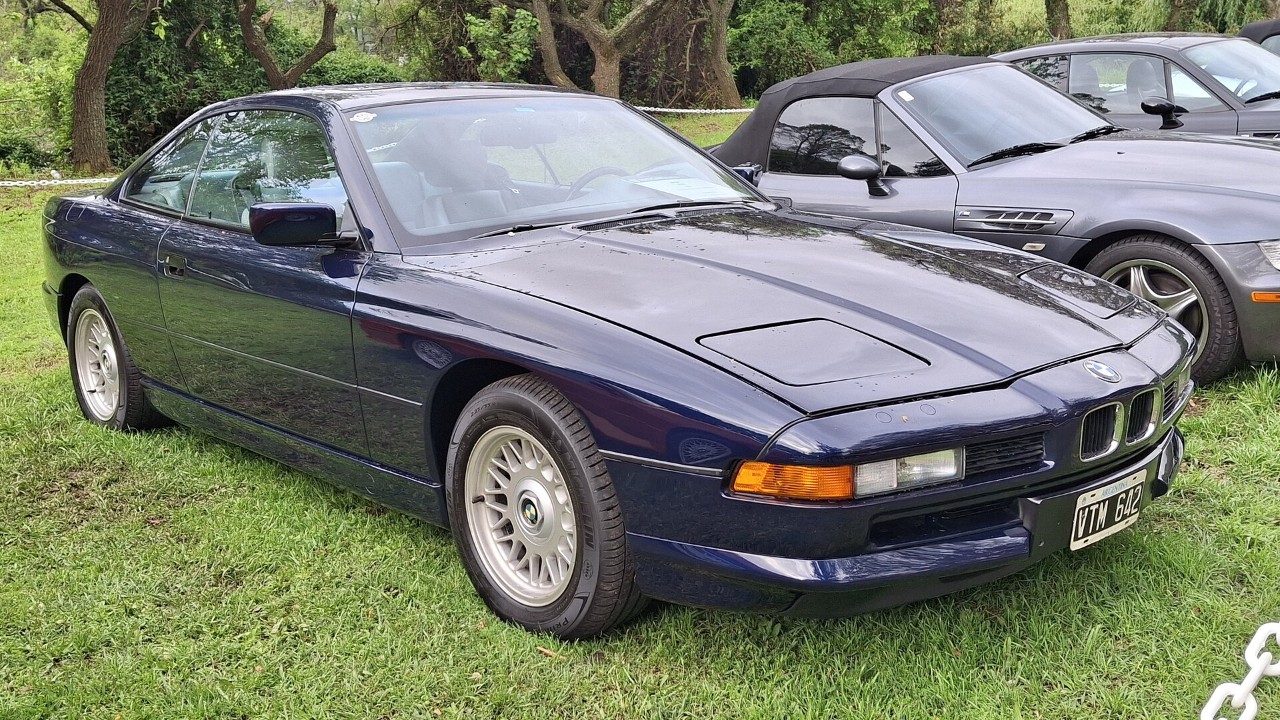
BMW showed the 8 Series at the 1989 Frankfurt show and launched the 850i in 1990. Its 5.0-liter M70 V12 made 296 hp. The 850i was also the first road car to pair a V12 with a six-speed manual. BMW spent more than 1.5 billion Deutsche Marks developing the car and built 20,072 of the M70 cars.
That money bought a lot of technology, and the technology is what a restorer pays for now. Hagerty’s 8 Series buyer’s guide lists electric windows, seats, the digital dash and ventilation motors as items to check. It notes that reaching the digital dash “takes time and patience.” Good used front bumpers are scarce and expensive, and replacing worn rear axle bushes is costly at a specialist.
We’d happily own an 850i, because the V12 itself gives little trouble when it runs smoothly. However, a car with many small faults can drain a budget fast. Our advice: test every electric function before you buy, and budget for a fresh cooling system.
More from Fast Lane Only