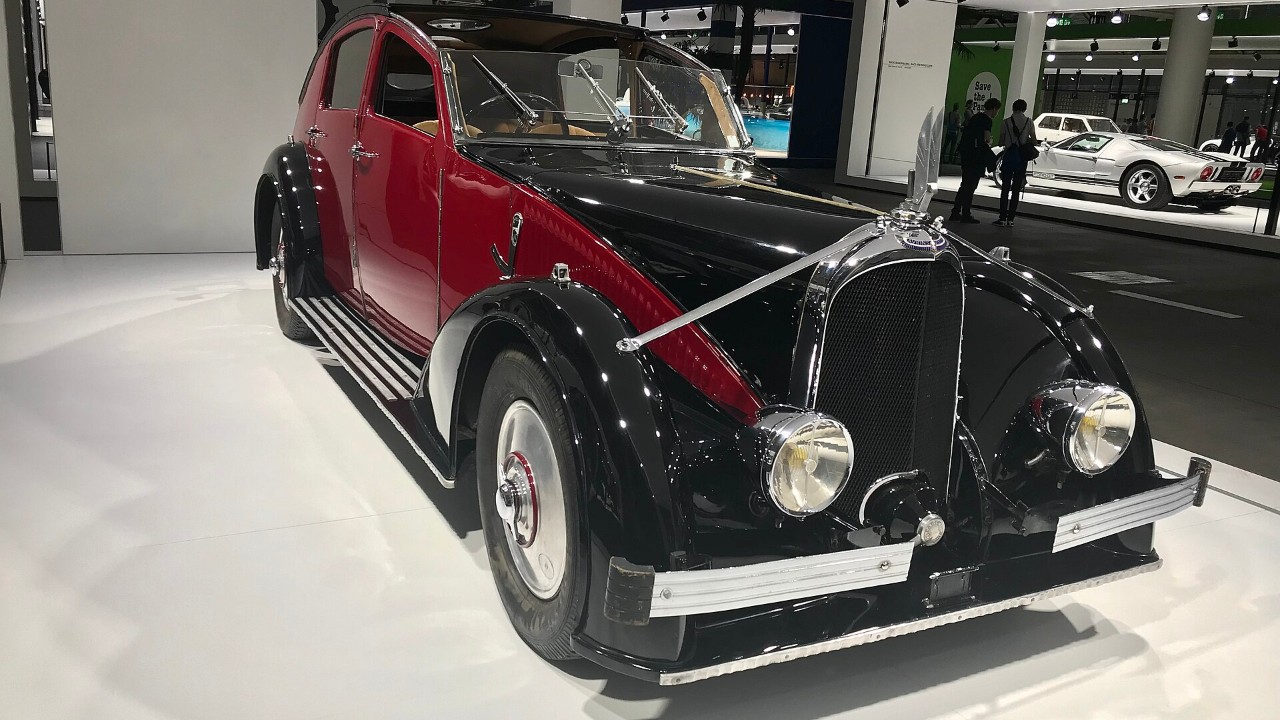
Gabriel Voisin built airplanes before he built cars, and his Voisin C25 Aerodyne looks it. Only a handful left his works in the mid-1930s. That makes it a fitting start for a list of prewar machines that almost never come up for sale.
The 1930s were a strange decade for luxury cars. The Depression wiped out buyers, yet the best makers kept building bigger engines and wilder bodies. Many of those cars were made in tiny numbers. Plenty of them also went to owners who never let go, and later to museums.
These are our picks for 12 cars from that decade so rare they rarely turn up at auction. That verdict is our opinion, based on how few were built and how few remain. The production numbers come from museum records, auction catalogs and period figures, and we left out any number we couldn’t check.
1. 1935 Voisin C25 Aerodyne
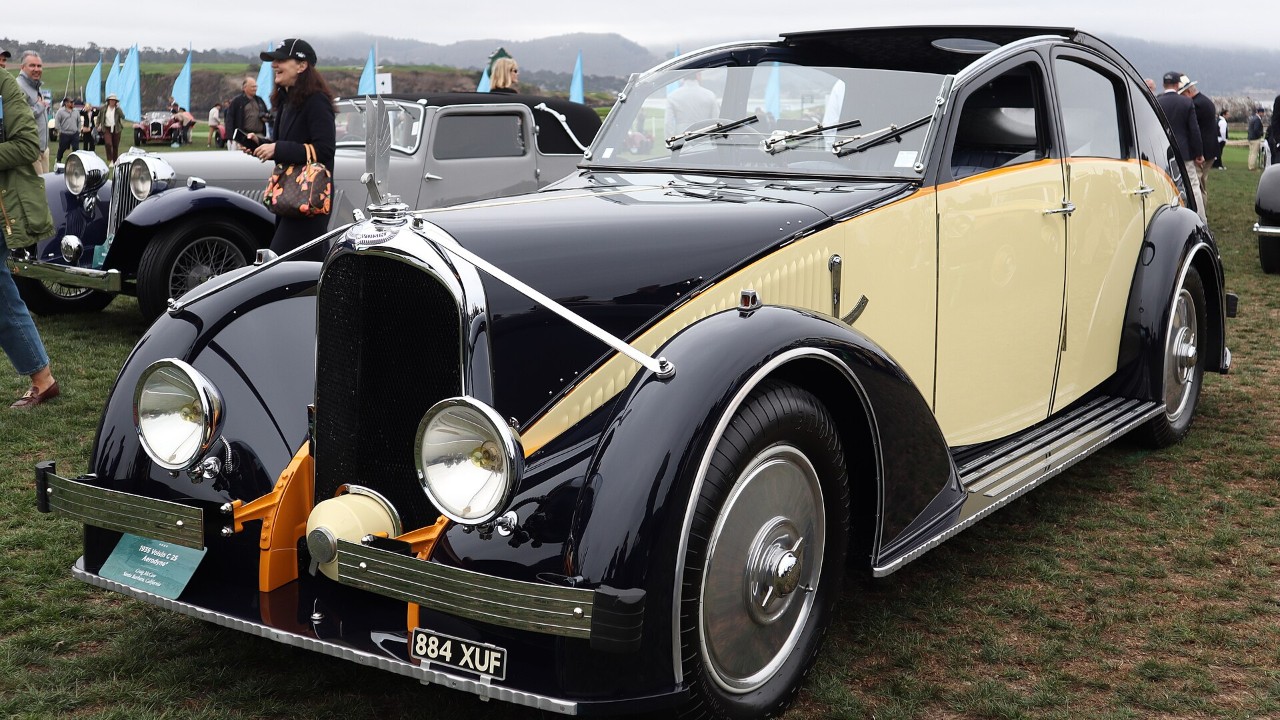
Voisin made just 28 C25s in all, and only eight of them were Voisin C25 Aerodyne models, according to Hagerty. Some sources put that figure at six. Either way, Hagerty counts only three or four surviving Voisin C25 Aerodyne cars. The car’s party trick was its roof. Porthole windows sat in a hardtop that slid back on pneumatic power.
Underneath, the Voisin C25 Aerodyne kept the quiet sleeve-valve engines its maker favored. It also added an electromagnetic preselector gearbox. Meanwhile, the flat sides, wraparound fenders and skirted rear wheels came straight from his aviation thinking. In fact, Hagerty notes that a Voisin airplane took off under its own power back in 1907.
Voisin called the C25 Aerodyne “the car of the future,” and it cost 88,000 francs when new. When Gooding & Company later offered chassis 50023 at Amelia Island, Hagerty reported a pre-sale estimate of $2 million to $2.5 million. In our view, that’s the kind of car a collector keeps for decades.
2. 1932 Duesenberg SJ
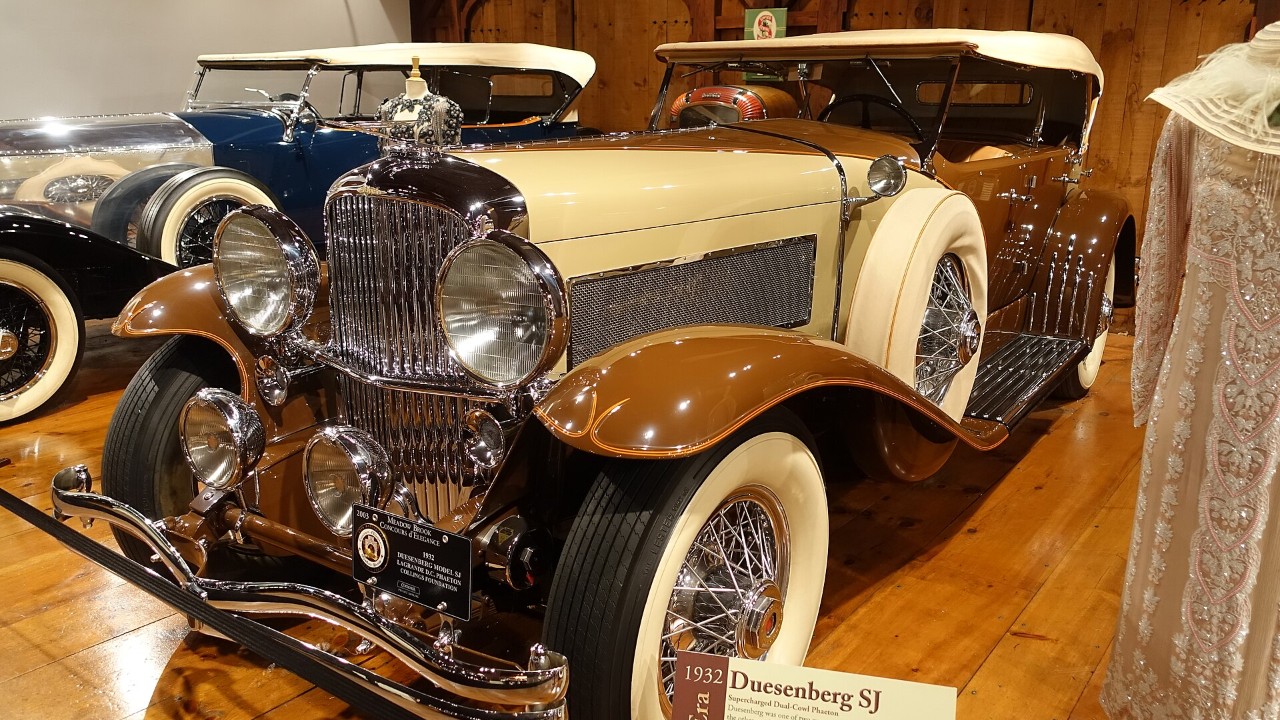
Duesenberg showed the Model J in New York on December 1, 1928. However, the SJ didn’t arrive until May 1932. That year its supercharger pushed the Lycoming-built straight-eight from 265 hp to 320 hp. Lycoming belonged to E. L. Cord, who also owned Duesenberg, so the whole drivetrain stayed in the family.
The chassis cost $8,500 at first, and the price rose to $9,500 after 1932. Bodies came from outside coachbuilders, so the cars vary a great deal. Some of the most famous came from the East Coast coachbuilders who dressed Duesenbergs, Packards and Lincolns.
Duesenberg built 481 Model J cars of every type between 1928 and 1937. Only 36 of those were SJs. After that, the company went bankrupt in 1937 and the factory closed. Our take: with a total that small, an SJ change of hands is a rare event.
3. 1937 Talbot-Lago T150C SS
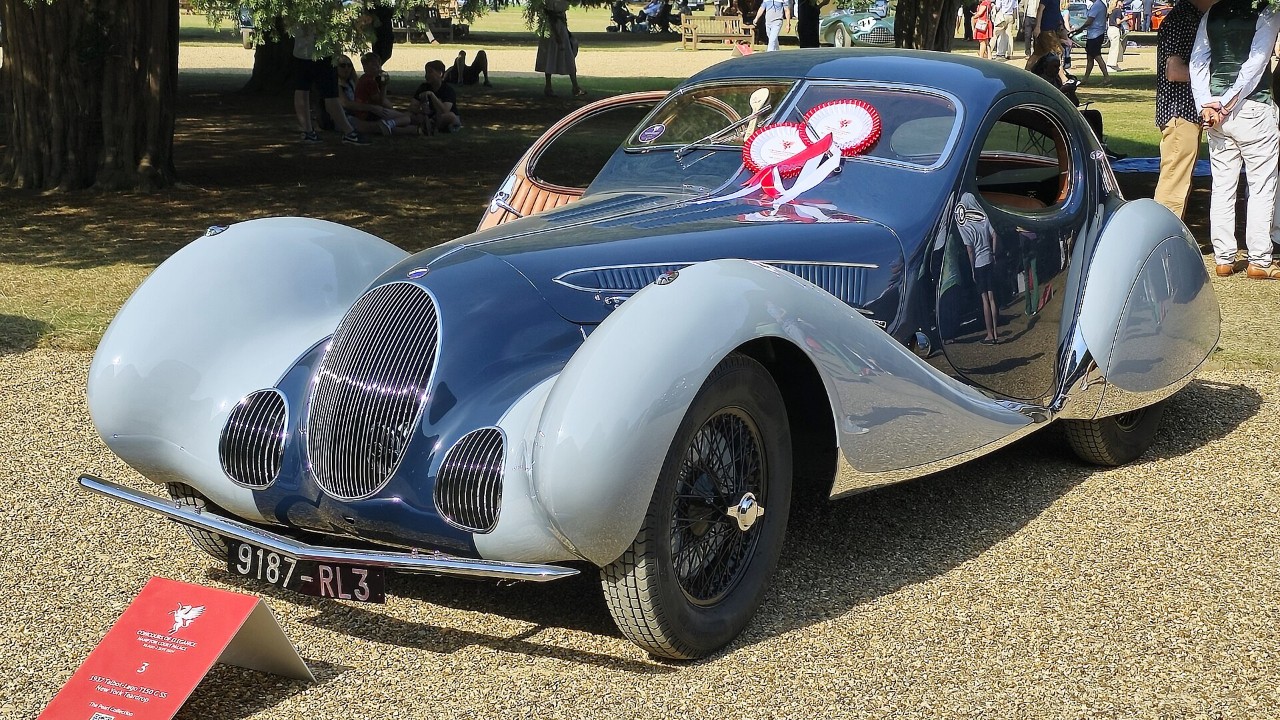
The T150C SS used a short, lightweight sports-racing chassis. On top of it, Figoni et Falaschi built some of the most daring bodies of the decade. Their teardrop coupe, known in French as the “Goutte d’Eau,” became the car’s calling card.
When RM Sotheby’s sold chassis 90110 at Villa Erba in 2017, the price reached €3,360,000. The catalog called that car “one of only two examples” of its Goutte d’Eau design with fully enclosed front fenders. It also kept its original chassis, engine and drivetrain. Still, it had worn a 1946 Graber convertible body for years before a three-year rebuild restored the teardrop shape.
The house described that coupe as the first authentic teardrop offered in recent years. That line tells the story. In our view, a T150C SS appears for sale so seldom that each one becomes news.
4. 1930 Maybach Zeppelin DS8
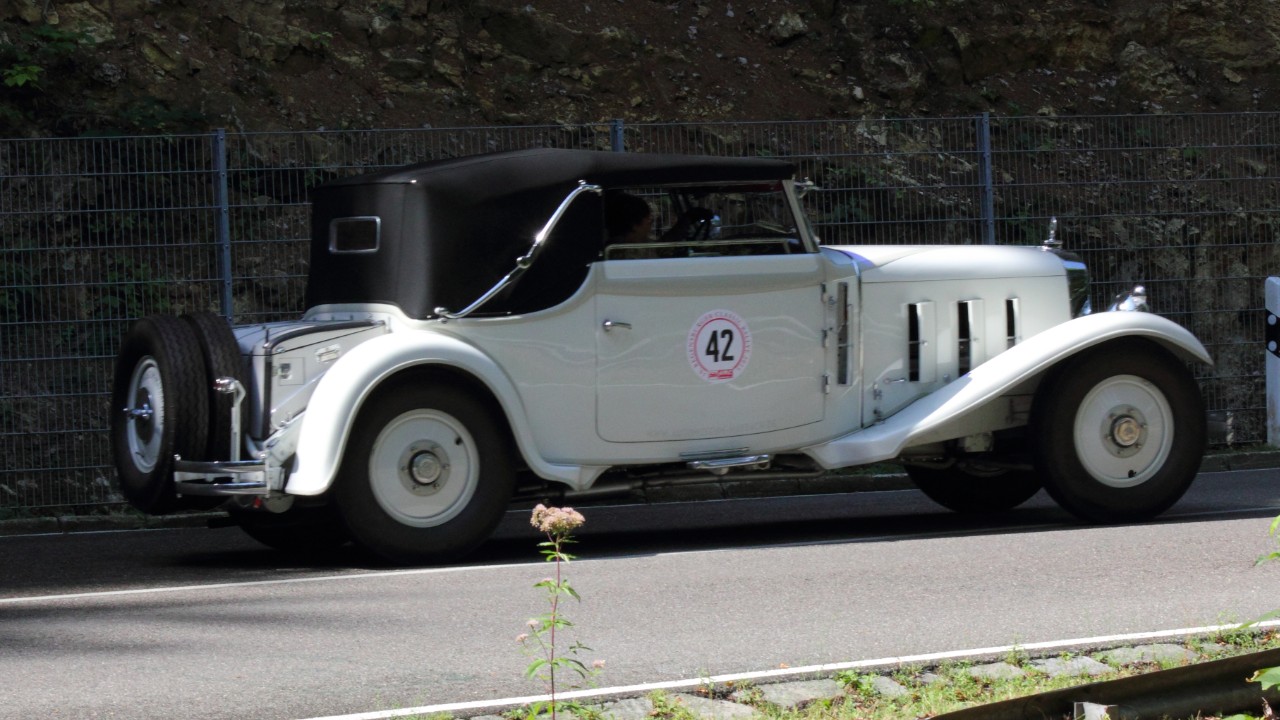
The Maybach Zeppelin was built to sit at the very top of the German market. The DS8 joined the range in 1930 with a 7,978 cc V12. That engine made about 200 hp, and the car could reach up to 106 mph depending on its body.
The Zeppelin weighed roughly 3,000 kg. In fact, German drivers needed an extra goods-vehicle license to drive one. Some cars got the Variorex gearbox, an eight-speed preselector. With it, the driver chose gears on a column stalk and used the clutch only to start and stop.
Maybach kept building the Zeppelin until 1938. By then, one 1938 DS8 roadster with Variorex was thought to be one of only about 100 of its kind. Our take: when a car this big and this heavy does surface, it draws a crowd before the bidding starts.
5. 1931 Bentley 8 Litre tourer
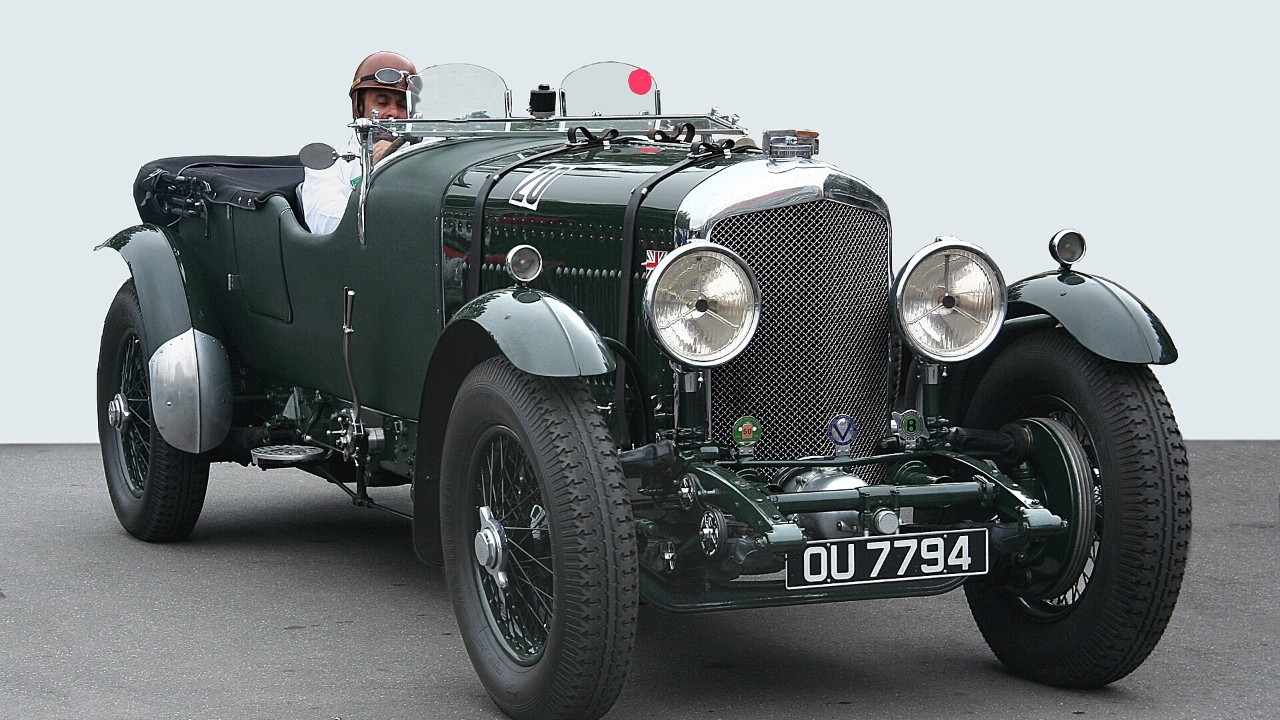
W. O. Bentley announced the 8 Litre on September 15, 1930. The straight-six displaced 7,983 cc and made 220 bhp. A bare chassis cost £1,850, before the owner paid for any body.
Bentley built only 100 of them. Of those, 35 rode on the shorter wheelbase, and fewer than 25 carried open bodies like this tourer. Then the company failed. Rolls-Royce bought Bentley from the receiver in November 1931 and dropped the 8 Litre.
Survival has been good, with 78 cars known as of mid-2011. However, that’s still 78 cars spread across the world. In our view, an open 8 Litre is one of the hardest British cars of the decade to find for sale, because so few were ever built that way.
6. 1933 Hispano-Suiza J12 Pourtout coach
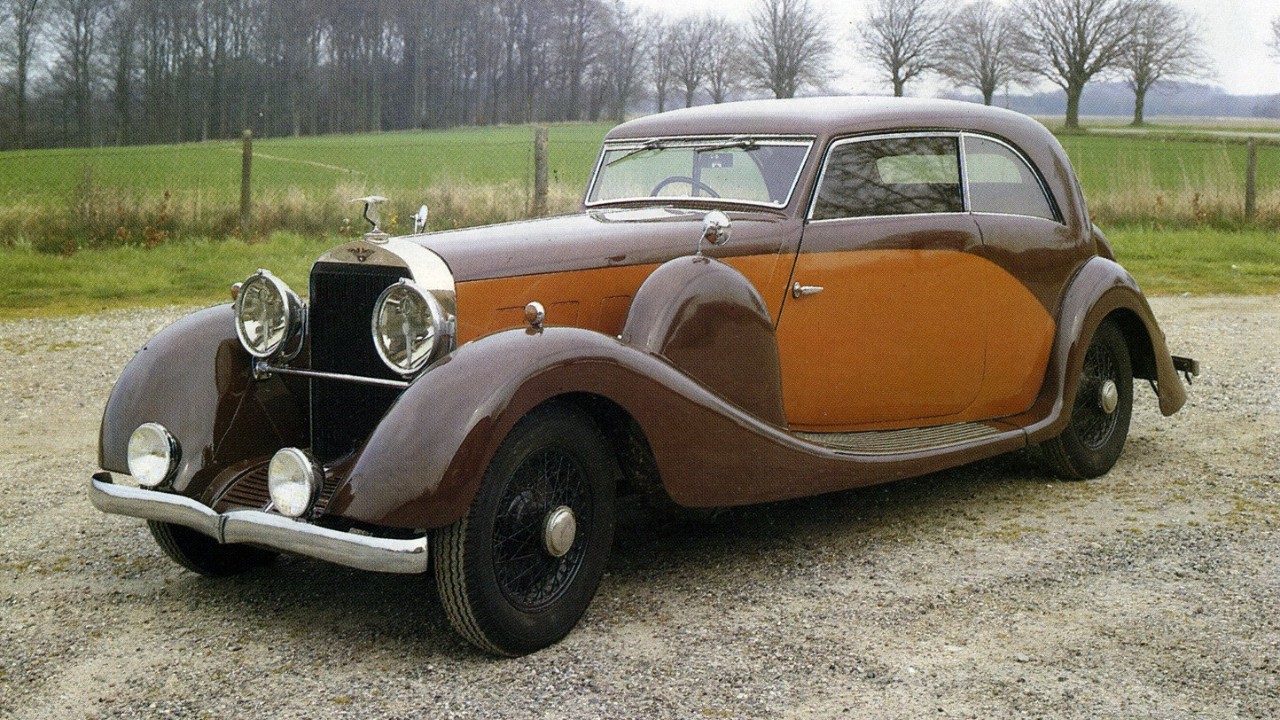
Hispano-Suiza sold the J12 as a chassis only. Buyers then took it to a coachbuilder of their choice, such as Pourtout, which bodied the coach in our photo. As a result, no two J12s quite match.
The J12 was the company’s largest and most expensive car. Its 9,425 cc V12 made 220 PS at just 3,000 rpm. Later cars could get the 11,310 cc Type 68 bis engine with 250 PS. Even so, production of that bigger engine stayed in single figures.
The J12 ran from 1931 to 1938. Then Hispano-Suiza stopped building cars to focus on aircraft engines. Our take: with such a short run and a body that differs on nearly every car, a J12 sale tends to be a one-off event rather than a market.
7. 1937 Delage D8-120 Aerosport coupe
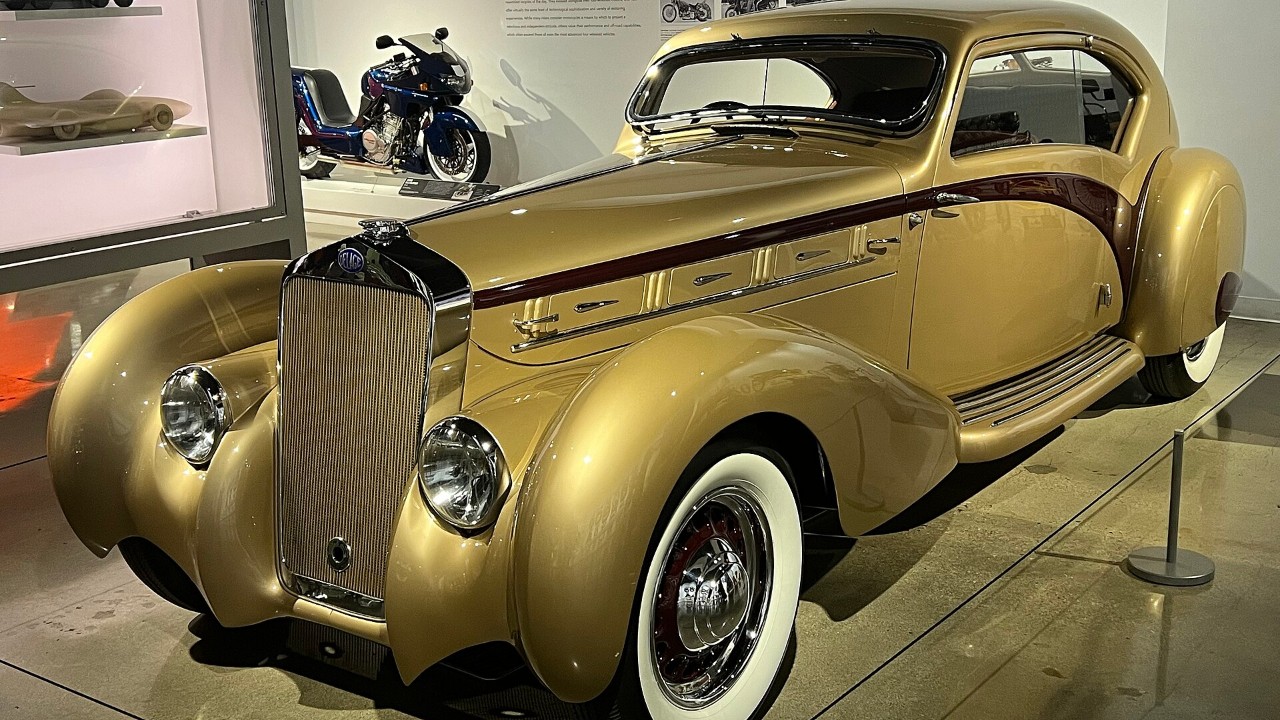
Delage was in trouble by the mid-1930s. Its Courbevoie plant closed in April 1935. After that, Delahaye stepped in, and Delage was effectively its subsidiary by 1938. Yet out of that mess came one of the prettiest cars of the decade.
The D8-120 appeared at the Paris Motor Show by October 1937. Delage had widened the bore of the D8-100 engine by 4 mm, and the straight-eight now made 120 hp at 4,500 rpm. Meanwhile, Letourneur et Marchand gave the Aerosport a body without a B-pillar. That pillarless hardtop look arrived about ten years before General Motors put hardtops on Buicks and Cadillacs.
The car in our photo sits in the Petersen Automotive Museum in Los Angeles. In our view, that’s where many of these coupes now live, and museum cars rarely cross an auction block.
8. 1933 Pierce-Arrow Silver Arrow
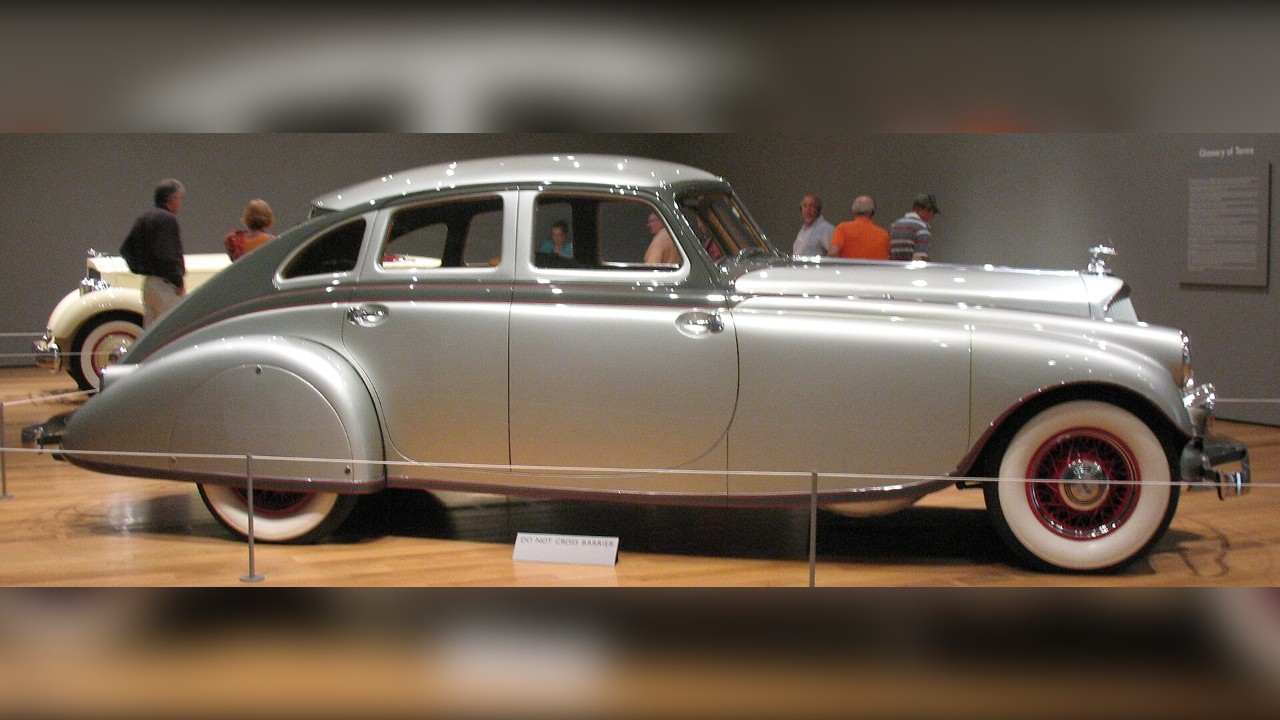
The Silver Arrow show cars came from an unexpected place. Studebaker owned Pierce-Arrow from 1928 to 1933, and its Experimental Body Shop in South Bend built the show cars. According to the Studebaker National Museum, five were made.
The cars toured the national auto show circuit and the 1933 Chicago World’s Fair. Pierce-Arrow pitched the design as “the car of 1940 in 1933.” It then sold each of the five for $10,000, and the museum notes the company still lost money on every one. Its fastback tail later carried over to the 1934 production Silver Arrow.
Only three of the five are known to survive. We covered the rest of the family in our look at Pierce-Arrows from the Motorette to the Silver Arrow. Our take: with three cars left, any sale is close to a once-a-generation event.
9. 1938 Mercedes-Benz 540K Spezial-Roadster
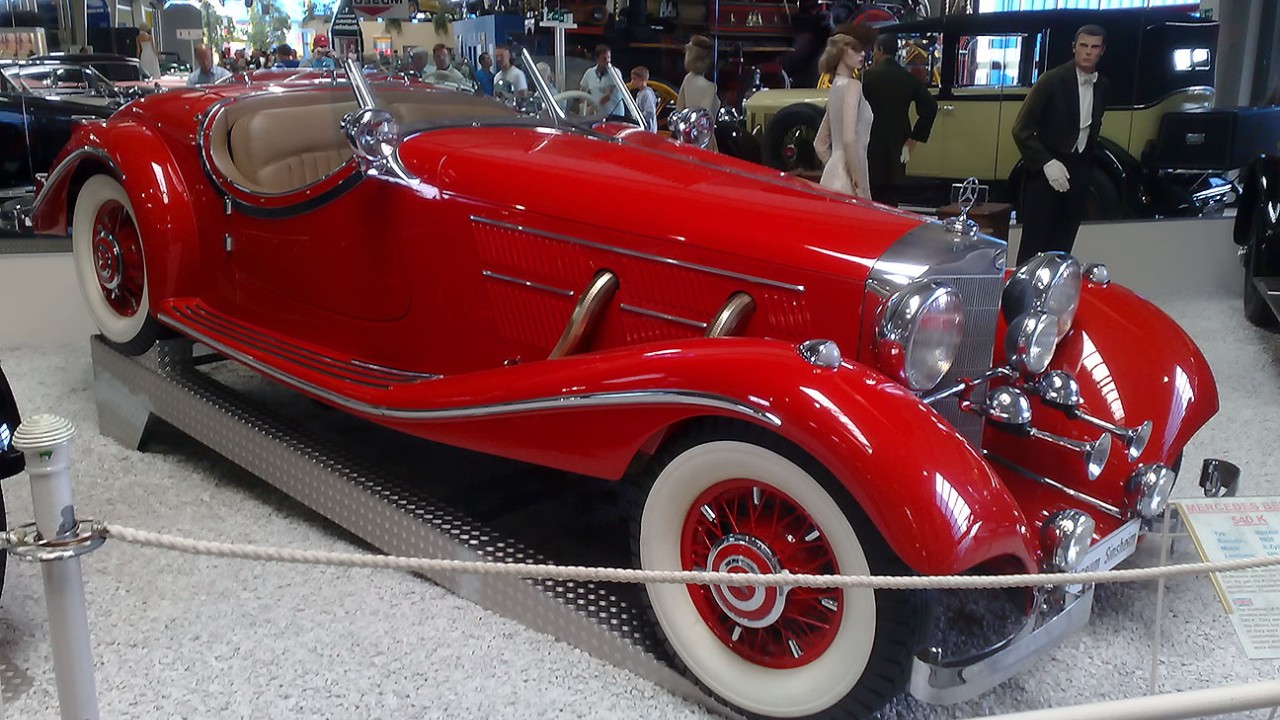
Mercedes-Benz built 419 cars on the 540K chassis between 1936 and 1940. Most got bodies from the company’s own Sindelfingen works, while only 70 went to outside coachbuilders. The Spezial-Roadster sat at the top of that range.
Its 5,401 cc straight-eight made 115 hp on its own. With the supercharger engaged, output rose to 180 hp. That power had a lot to move, because some 540Ks weighed up to 2,700 kg.
The Special models on the 2,980 mm chassis numbered just 32, by the count most references give. Chassis production ended in 1940, although bodies were finished until 1944. In our view, the Spezial-Roadster is the 540K collectors chase hardest, and owners know it.
10. 1939 Lagonda V12 drophead coupe
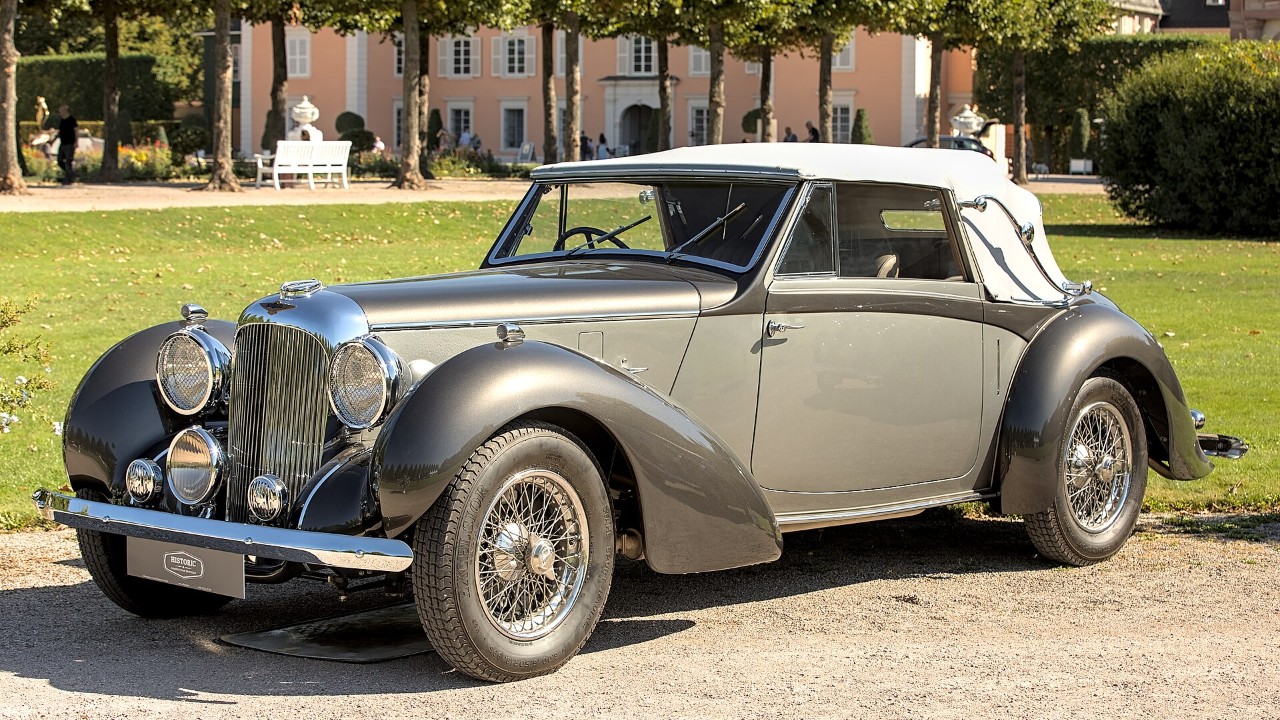
W. O. Bentley was working at Lagonda when the company developed a 4,480 cc V12 with an overhead camshaft on each bank. That engine made 180 hp at 5,000 rpm.
The car could run, too. In March 1938, Autocar recorded 103.45 mph at Brooklands in a short-chassis saloon. A year later, two modified V12s finished third and fourth at the 1939 24 Hours of Le Mans. Lagonda also offered tourers, saloons, limousines and drophead coupes like the one in our photo.
Production began in 1938 and ended in 1940. In that time, Lagonda built just 189 V12 cars across every body style. Our take: split that small total by body type, and the dropheads become very hard to find.
11. 1933 Marmon Sixteen
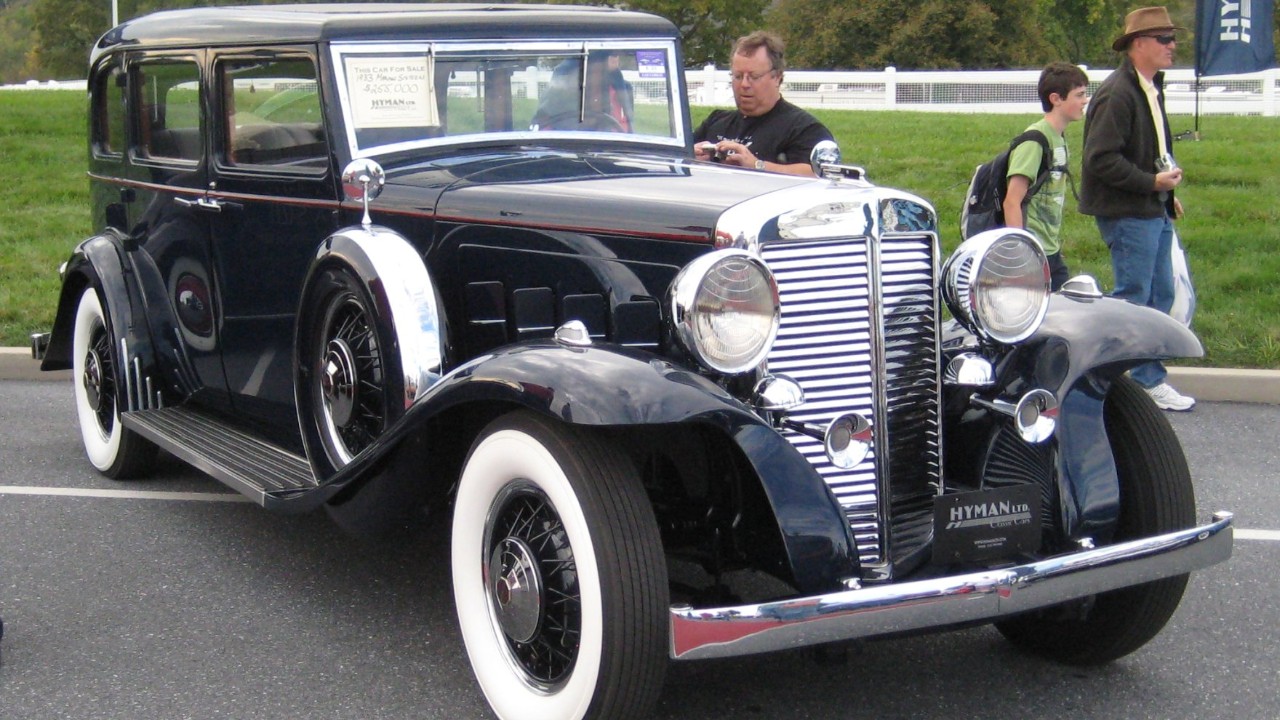
Marmon brought its Sixteen to market in 1931, when several American makers were chasing 16 cylinders. Its 491 cu in V16 made 200 hp. Unusually for the era, the block was aluminum, with steel cylinder liners to take the wear.
Industrial designer Walter Dorwin Teague drew the body in 1930, with help from his son. As a result, the Sixteen looked cleaner and more modern than many rivals. However, a 16-cylinder car was a hard sell once the Depression set in.
Marmon built only 390 Sixteens before production ended in 1934. In our view, a car this rare and this well engineered tends to stay with the same owner for a very long time.
12. 1937 Bugatti Type 57 Atalante
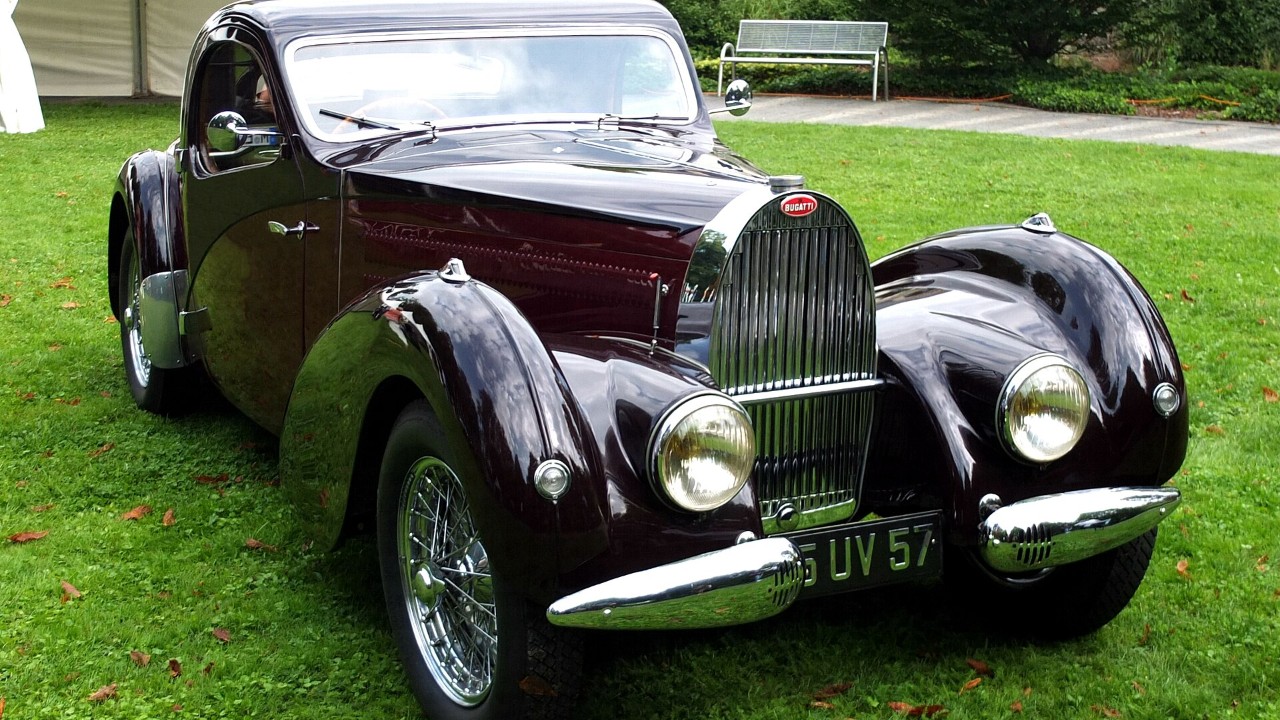
Jean Bugatti, the founder’s son, designed the Type 57 as an all-new car. Bugatti built 710 Type 57s from 1934 to 1940. Its 3,257 cc twin-cam straight-eight made 135 hp in standard form.
The Atalante was something else. It used the short, lowered 57S chassis, and only 43 of those were built. That engine made 170 hp, or 200 hp once a supercharger was added. Compared with the Atlantic, the Atalante wears a one-piece windscreen and no dorsal fin.
Bugatti made only 17 Atalantes. Vanvooren built three-seat aluminum-bodied versions of the Atalante, and one of them now sits in the Museu do Caramulo in Portugal.
More from Fast Lane Only