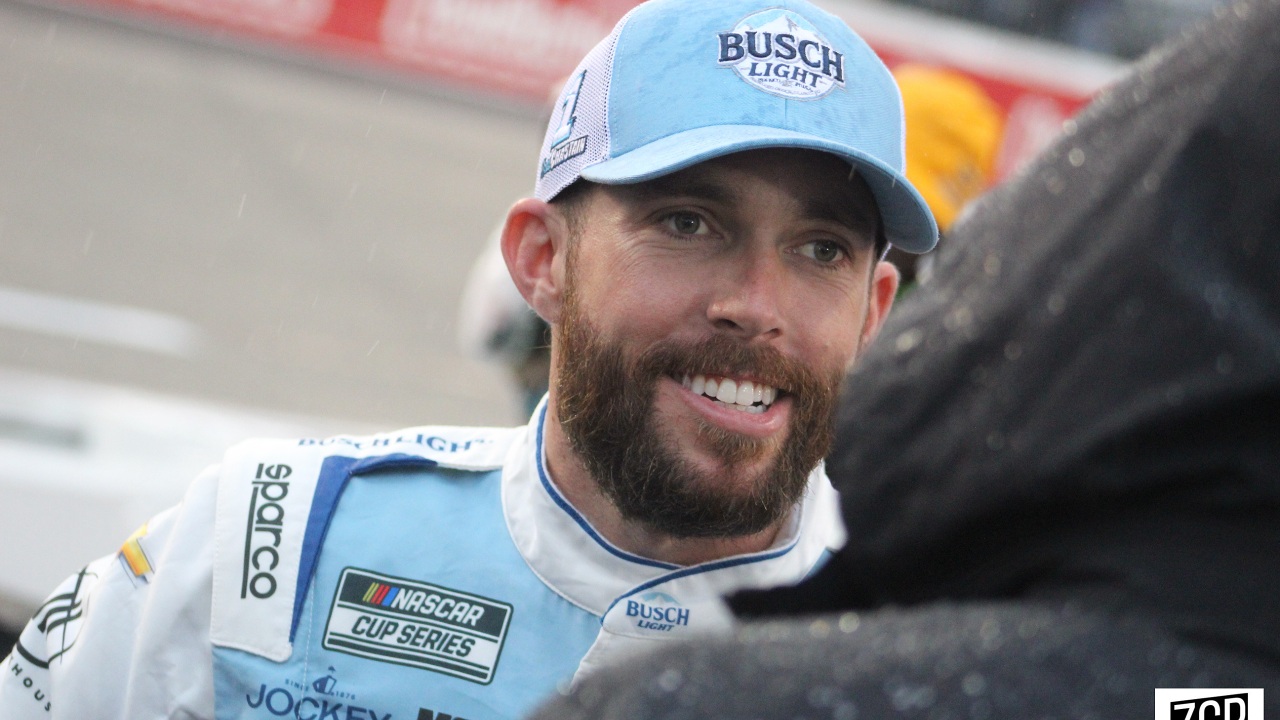
Michael Jordan’s antitrust fight with NASCAR has already reshaped how money flows through stock car racing, but the ripple effects reach far beyond court filings and boardrooms. For drivers like Ross Chastain, whose identity is tied to a watermelon farming legacy, the new revenue landscape could subtly influence how teams fund the personalities and traditions that make the sport distinctive. The lawsuit did not target Chastain or his family business, yet it has raised fresh questions about how much room there will be for niche brands and blue‑collar backstories in a series that is renegotiating its economic foundations.
The settlement between Michael Jordan’s 23XI Racing and NASCAR has been framed as a clash over power and profits, not produce. Still, when a driver’s trademark celebration involves smashing a watermelon on the frontstretch, it is fair to ask how a rebalanced revenue model might shape the sponsorship deals, team budgets, and storytelling that keep those rituals alive. I see the case less as a direct threat to Chastain’s watermelons and more as a stress test of whether NASCAR’s evolving business model can still support the kind of homegrown identities that have long anchored its fan appeal.
Jordan’s antitrust gamble forces NASCAR to rethink control
Michael Jordan did not enter stock car racing to be a passive partner, and his decision to back an antitrust lawsuit against NASCAR underscored how aggressively some teams believe the system needed to change. Two NASCAR teams, including Jordan’s 23XI Racing, filed a federal complaint that challenged how the series, its tracks, and its suppliers controlled key revenue streams and long term contracts. By taking the dispute into a courtroom instead of a closed door negotiating room, Jordan and his allies forced public scrutiny of a model that had kept the sport together for decades but left teams arguing they lacked a sustainable share of the money generated by modern media and sponsorship deals.
The case quickly became a blockbuster trial that tested how much leverage teams really had against the central authority that sanctions the races and owns many of the venues. Reporting on the proceedings described how Jordan was prepared to testify about why he believed the existing structure limited teams’ ability to invest and compete, and how the lawsuit framed NASCAR’s control over schedules, media rights, and commercial partnerships as an antitrust problem rather than a mere business disagreement. By the time the sides reached a settlement, the message was clear: the old assumption that NASCAR could dictate terms with minimal pushback from its biggest investors had been permanently broken.
The settlement delivers teams a bigger slice, not a knockout
When NASCAR and the teams agreed to settle, there was no official winner or loser on paper, but the substance of the deal signaled that Jordan’s camp had extracted meaningful concessions. Accounts of the resolution describe NASCAR granting teams a larger share of several revenue streams, along with changes to how long term agreements are structured and how much transparency teams receive about the money flowing through the system. One analysis framed the outcome as Jordan prevailing in the sense that the settlement moved the financial needle toward the teams’ demands, even if the series avoided a formal legal defeat that might have constrained its authority in future negotiations.
Legal commentary on the settlement has emphasized that the agreement did more than tweak a few percentages. It required NASCAR to revisit the architecture of its revenue sharing model, including how media rights and other central deals are divided, and to commit to new contractual frameworks that give teams clearer expectations over multiple seasons. On December 11, NASCAR finalized terms that ended the trial and locked in a revised distribution of various NASCAR revenue streams, a shift that could influence everything from how many cars a team fields to how aggressively it pursues new sponsors. The series preserved its core governance powers, but it did so by accepting that teams like 23XI Racing would now enjoy a more robust financial foundation.
Ross Chastain’s watermelon identity is built on family, not courtrooms
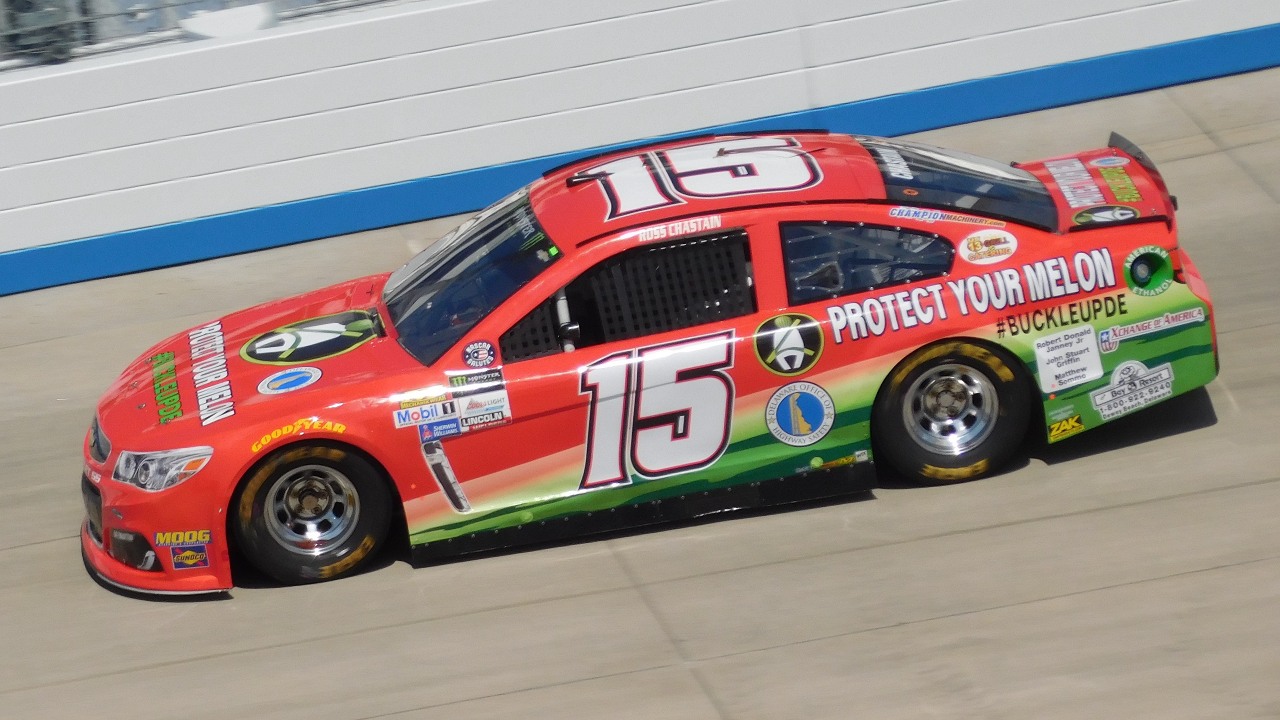
While lawyers argued over antitrust doctrine, Ross Chastain continued to build a brand rooted in something far more tangible: the watermelon fields his family has farmed for generations. Chastain has explained that he grew up working on the farm, mowing strips of ryegrass in the fields that helped protect the soil and the crops. That upbringing is not a marketing invention but a lived experience that still shapes how he talks about work, risk, and resilience, and it is the reason his trademark celebration involves smashing a watermelon on the track after big performances.
Coverage of Chastain’s background has highlighted how he sees parallels between farming and racing, especially the way both depend on factors outside a person’s control. Part of the challenge of farming, Chastain has said, comes from weather, markets, and other variables that can undo months of effort, a dynamic he compares directly to the unpredictability of competition in NASCAR. His decision to chase a driving career ultimately paid off, but he has remained vocal about honoring his family’s watermelon legacy, using his platform to spotlight the agricultural roots that set him apart in a garage full of more conventional sponsor stories.
How a richer team model could reshape driver branding
The financial changes triggered by Jordan’s lawsuit are likely to influence how teams think about driver branding, even if they never mention antitrust in a sponsorship pitch. With a larger and more predictable share of central revenues, organizations can, in theory, take a longer view on which drivers they back and how they package those personalities for partners. A team that knows its baseline income from NASCAR is more secure might be more willing to invest in a driver whose appeal is tied to a specific identity, such as Chastain’s watermelon farming story, rather than chasing only the most generic, risk averse endorsements.
At the same time, a more lucrative ecosystem can raise the stakes for every marketing decision. If the series and its teams are collectively worth more, sponsors may expect broader reach and more polished campaigns, which can pressure drivers to smooth out the quirks that make them distinctive. In that environment, Chastain’s watermelon smashing could be seen either as a valuable differentiator that cuts through the noise or as a niche image that needs careful positioning alongside national brands. The settlement did not dictate those choices, but by altering the money flow, it subtly shifts the incentives that shape how teams present their drivers to the marketplace.
Why Chastain’s watermelons still matter in a post‑settlement NASCAR
Nothing in the reporting on Jordan’s case suggests that Ross Chastain is personally anxious about his family’s watermelon business or his signature celebration as a result of the lawsuit, and it would be inaccurate to claim otherwise. The coverage of Chastain focuses on his roots, his work on the farm, and his pride in carrying that story into the sport, not on any direct financial exposure to NASCAR’s legal battles. The antitrust fight played out between NASCAR and teams like 23XI Racing, while Chastain’s narrative has remained centered on the connection between agriculture and racing and the way he uses that link to engage fans.
What the lawsuit and its settlement do change is the broader context in which that identity operates. As NASCAR recalibrates its revenue sharing and contractual relationships with teams, the series is effectively deciding how much room there will be for drivers whose appeal is grounded in specific regional or occupational backgrounds. Chastain’s watermelons are not at risk because of a courtroom deal, but they have become a useful symbol of what is at stake: whether a more financially sophisticated NASCAR can still celebrate the dirt under a driver’s fingernails as much as the logos on the hood. In a sport now shaped in part by Michael Jordan’s willingness to challenge the status quo, the enduring presence of a watermelon farmer in Victory Lane is a reminder that the human stories behind the cars remain one of NASCAR’s most valuable assets.
More from Fast Lane Only: