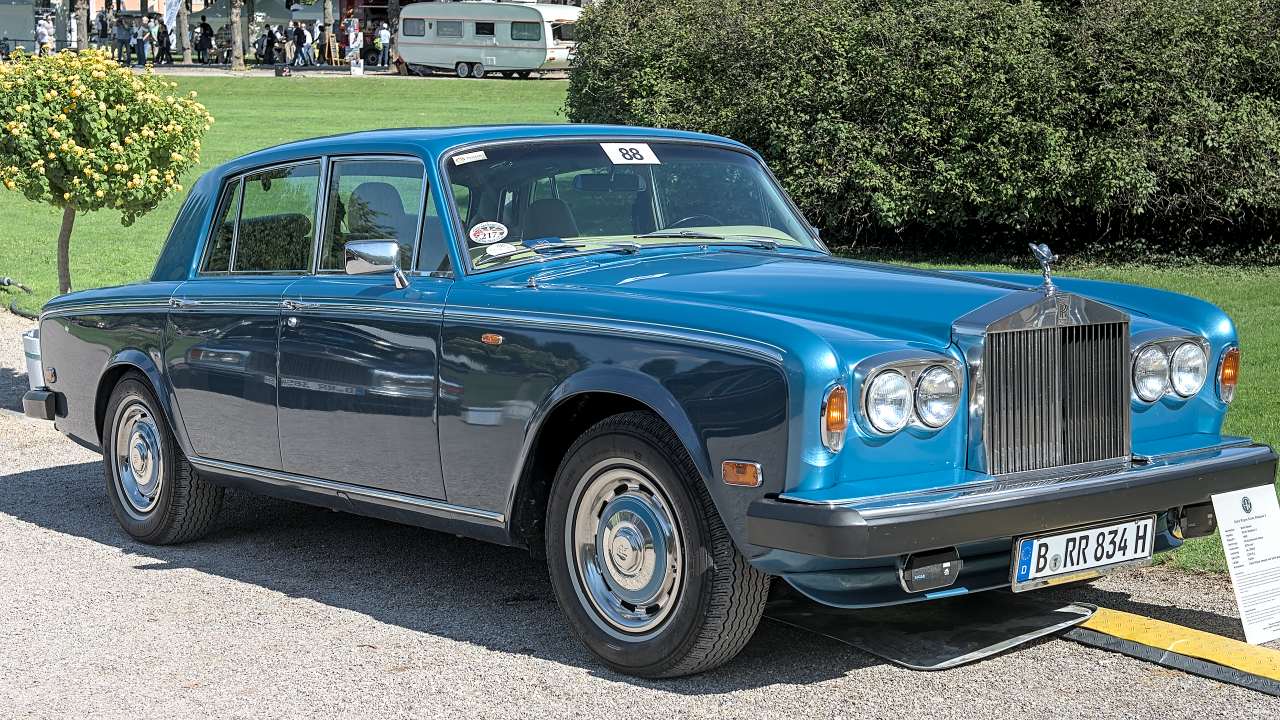
The 1965 Rolls-Royce Silver Shadow did more than replace an aging flagship. It quietly reset expectations for what a luxury car could be, blending radical engineering with a new design language that pulled Rolls into the modern era without sacrificing its aura of effortlessness. I see its legacy today not just in how it drives or looks, but in how it taught the industry that true luxury could be innovative, understated, and commercially ambitious all at once.
A radical break from Rolls-Royce tradition
For decades before the Silver Shadow, Rolls had been the guardian of old-world motoring, building large, body-on-frame limousines that looked and felt like rolling drawing rooms. The Silver Shadow marked a deliberate break with that formula, adopting a modern monocoque structure that abandoned the traditional separate chassis and coachbuilt bodies. That shift, introduced in 1965, was more than a technical footnote, it allowed the car to be lower, more compact, and structurally stiffer, which in turn made it quieter and more refined than the stately giants it replaced.
The styling followed the same logic. Out went the towering, palatial silhouette of earlier models and in came a clean three-box profile that aligned with the stylish late 1960s and 1970s rather than the prewar era. Contemporary reviewers noted that this more contemporary shape worked, helping the Silver Shadow become one of the company’s best-selling cars to date and, over time, its most commercially successful model. Even the name reflected a new sensibility, with The Silver Shadow originally intended to be called Rolls-Royce Silver Mist before the company wisely pivoted to a title that suggested quiet sophistication instead of unintended comic overtones.
Engineering luxury into the ride itself
What truly redefined luxury in the Silver Shadow was not only how it looked, but how it isolated its occupants from the outside world. By moving to a unitary body and integrating advanced suspension technology, Rolls could tune the car to glide over poor surfaces with a composure that felt almost uncanny in the mid 1960s. The Silver Shadow used a sophisticated hydraulic self-leveling system that kept the car poised regardless of load, a clear signal that engineering, not just craftsmanship, was now central to the Rolls definition of comfort.
This focus on technology placed the Silver Shadow at the forefront of automotive engineering in its era, alongside the earlier Rolls-Royce Silver Cloud that had already begun nudging the brand toward innovation. Together, The Silver Cloud and Silver Shadow framed a New Era of Innovation for Rolls, but it was the later car that fully committed to modern construction and systems. By embedding luxury into the way the car rode, steered, and stopped, rather than relying solely on thick carpets and wood veneers, the Silver Shadow set a template that later high-end manufacturers would follow when they used advanced chassis design to deliver a similar sense of effortlessness.
Designing a new visual language for quiet wealth
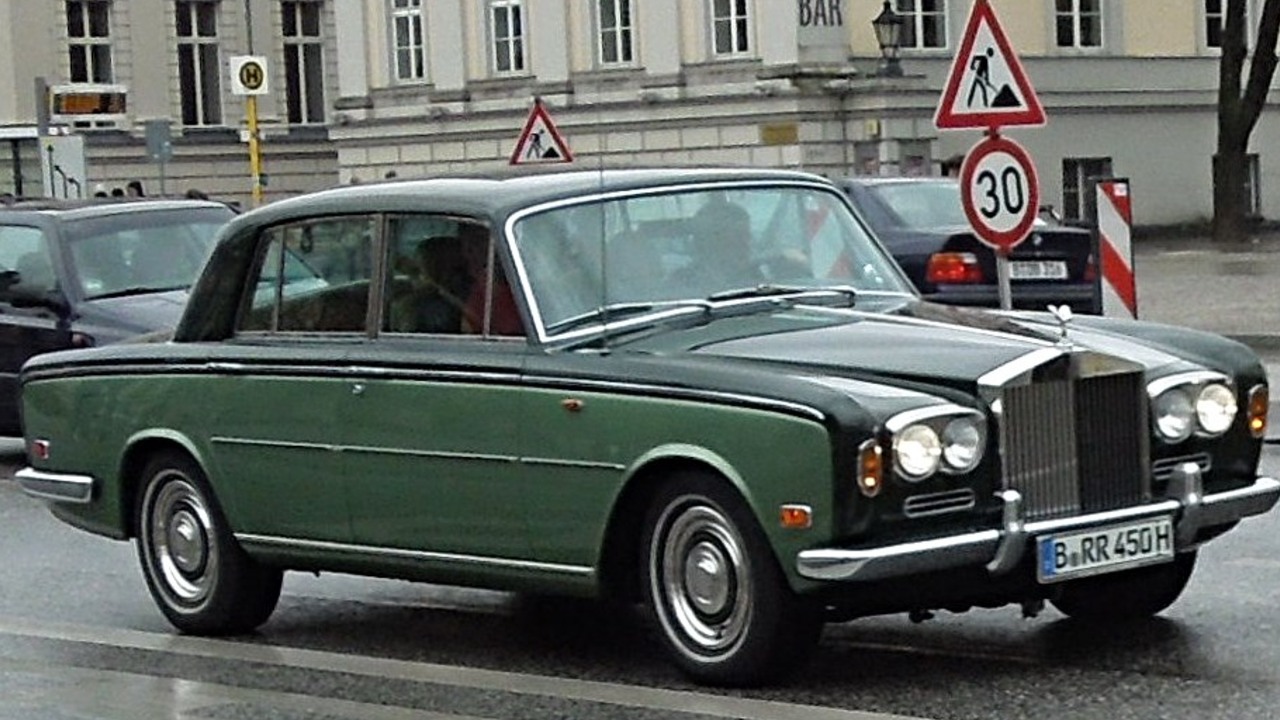
The Silver Shadow’s design language was as strategic as its engineering. Instead of ornate curves and towering grilles, the car presented a lower, more rectilinear body that still carried the unmistakable Rolls identity but in a subtler, more contemporary key. The three-box style, with its crisp shoulder line and balanced proportions, aligned the car with the broader shift in luxury design toward cleaner, more architectural forms. It looked at home in the driveways of modernist houses, not just country estates, which mattered in a decade when wealth was becoming more global and more urban.
That visual restraint helped the Silver Shadow feel relevant well into the late 1960s and 1970s, a period when many traditional luxury cars suddenly looked anachronistic. Club histories describe how the model broke with the “palatial” look of its predecessors and instead embraced a stylish, late twentieth century aesthetic that appealed to a new generation of buyers. The fact that this more understated shape became the company’s best-selling silhouette to date shows how effectively Rolls read the cultural moment, proving that quiet wealth could be expressed through proportion and stance rather than sheer size and ornament.
Commercial success and the business of luxury
Luxury brands often resist change, but the Silver Shadow demonstrated that modernization could be good business. By standardizing its body structure and integrating more of the car in-house, Rolls could build the Silver Shadow in greater numbers while still maintaining its handcrafted aura. Over its long production run from 1965 to 1980, the model and its close derivatives became the most commercially successful Rolls-Royce ever built, a remarkable outcome for a company that had previously treated volume almost as a vulgar concept.
That commercial success matters because it showed that exclusivity and scale are not mutually exclusive if the product feels genuinely special. The Silver Shadow and corresponding models proved that a luxury car could be engineered for repeatable quality and produced in meaningful numbers without diluting the brand. Later analyses of iconic luxury cars that changed the rules routinely place the 1965 Rolls-Royce Silver Shadow alongside disruptors like the first-generation Lexus LS400, underlining how its blend of tradition and modernity reshaped expectations of what a high-end sedan could be.
A legacy that still shapes how we value luxury
Six decades on, the Silver Shadow’s influence is visible not only in design studios and engineering departments, but in the collector market. Despite its historic status and its role as a turning point for Rolls, the Silver Shadow remains relatively attainable as a classic. Listings show a nationwide average price of $14,489 for the Silver Shadow, with pricing starting at $6,950, figures that would be unthinkable for many other cars that so clearly reoriented their segment. That gap between cultural significance and market value says as much about how we perceive luxury as it does about the car itself.
To me, that accessibility underscores how far ahead of its time the Silver Shadow really was. It normalized the idea that a luxury car could be technologically advanced, visually restrained, and commercially successful, a combination that later brands would emulate as they chased global buyers who wanted comfort without ostentation. Introduced in 1965, the Silver Shadow marked a turning point for Rolls by abandoning the traditional separate chassis and embracing a modern, integrated body, and in doing so it quietly rewrote the rules of high-end motoring. The fact that you can still buy into that revolution for the price of a mid-range used hatchback only reinforces how deeply it redefined luxury, making its innovations feel almost ordinary in hindsight.
More from Fast Lane Only: