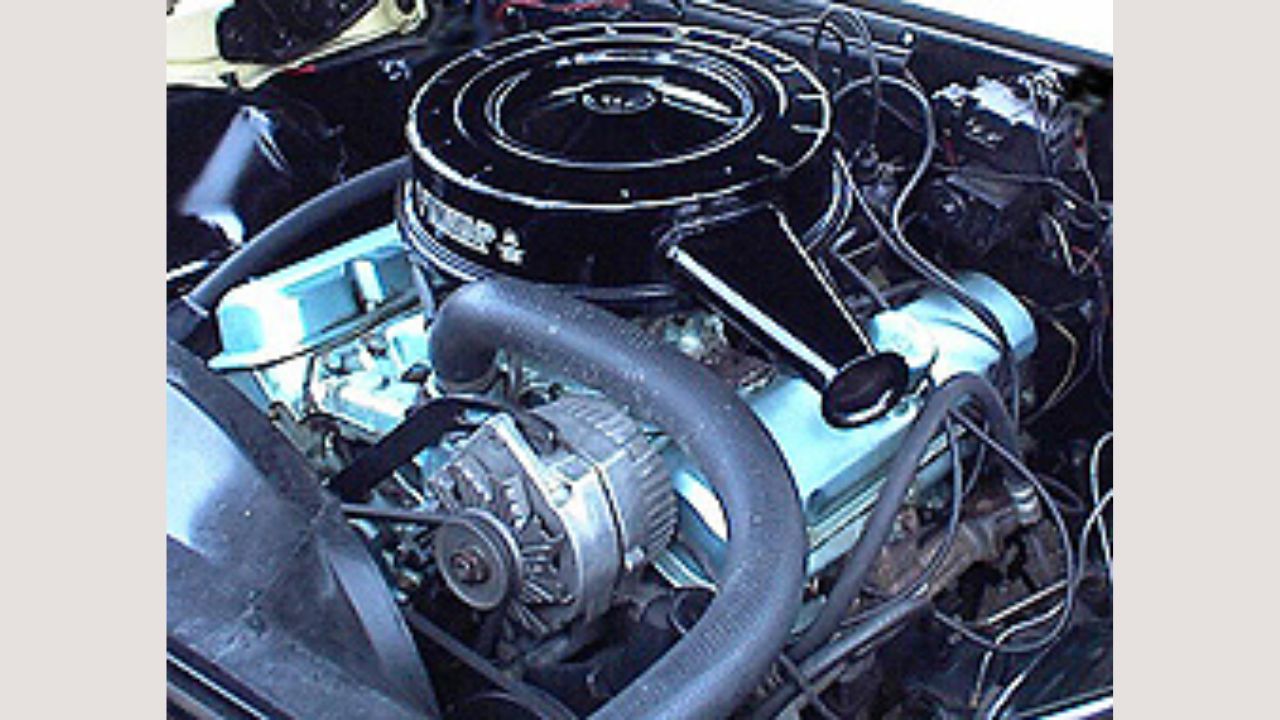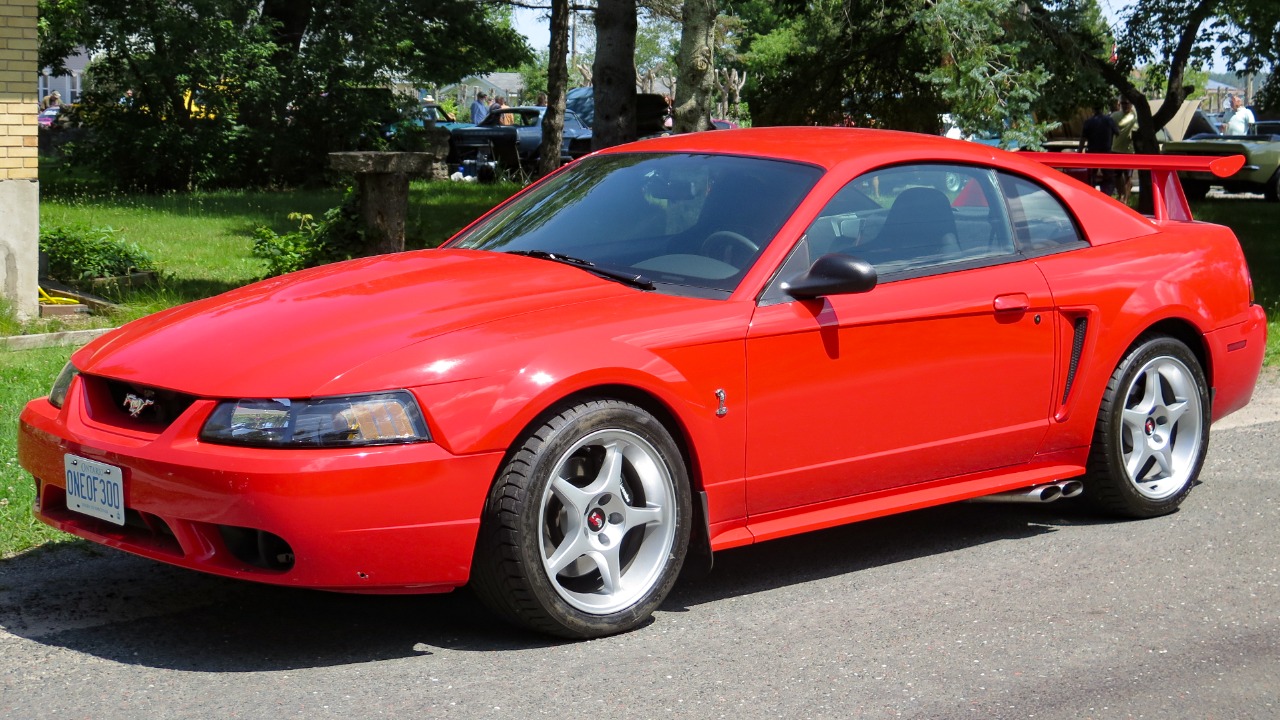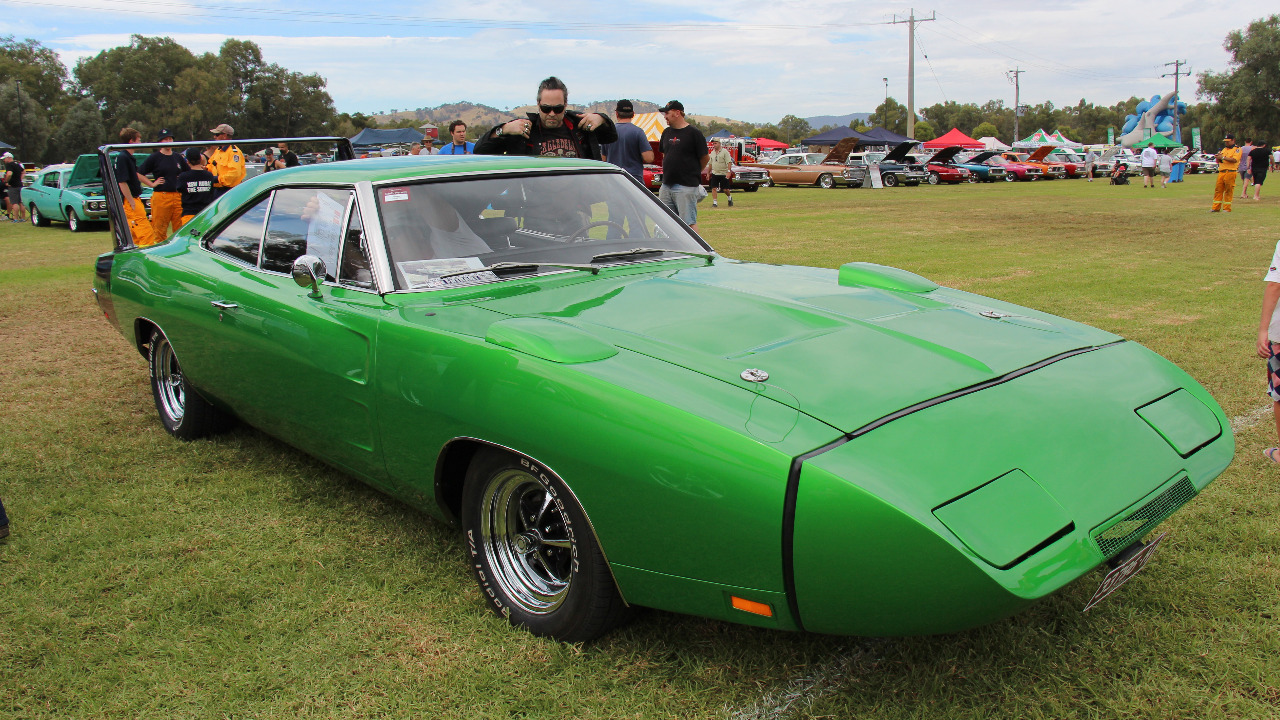
Muscle cars are a quintessential part of automotive history, celebrated for their raw power and performance. Among their many features, race cams are a standout, providing these vehicles with enhanced high-rev capabilities. In this article, I explore eight iconic muscle cars known for their legit race cams, showcasing their engineering prowess and timeless appeal.
Chevrolet Camaro Z/28
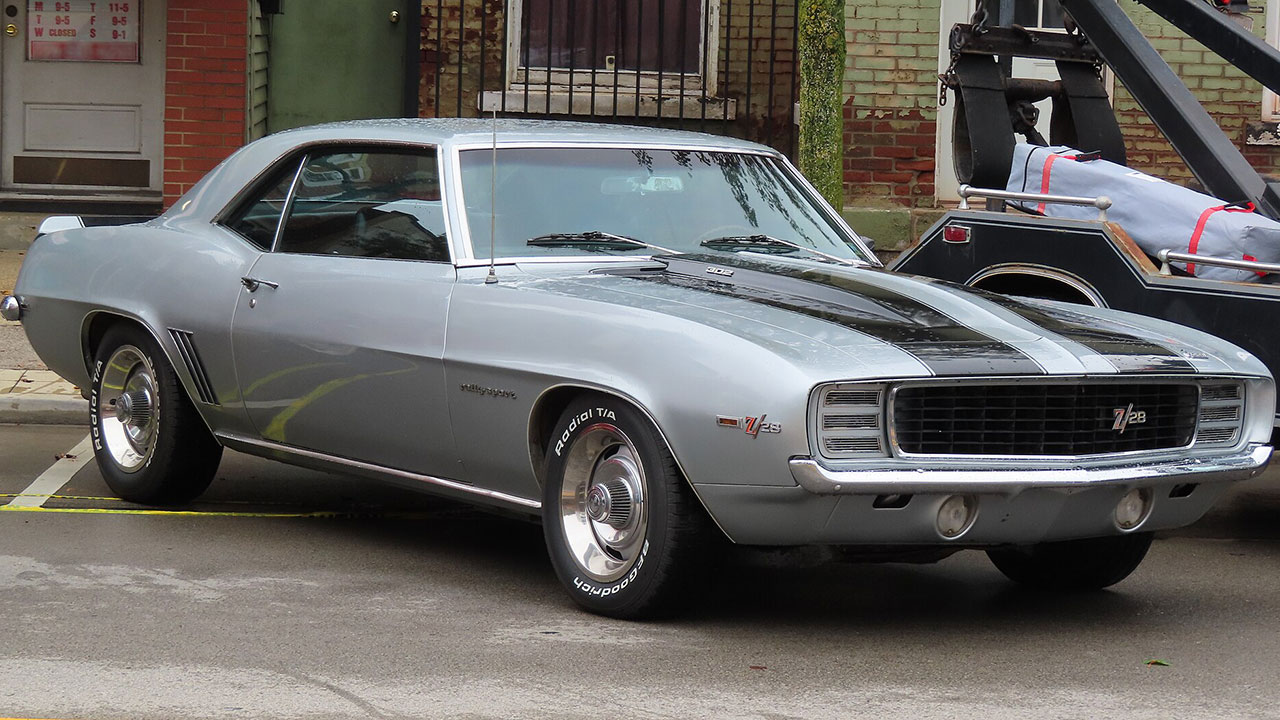
The Chevrolet Camaro Z/28, particularly the 1968-1970 models, is a prime example of a muscle car that came equipped with a legitimate race cam. The Z/28 was specifically designed to compete in the SCCA Trans-Am series, and its 302 cubic inch V8 engine was outfitted with a solid-lifter camshaft that provided the high-revving performance needed on the track. This setup allowed the engine to produce impressive horsepower at high RPMs, making it a favorite among racing enthusiasts.
What set the Z/28 apart was its balance of power and agility. The car’s lightweight construction, coupled with its high-performance engine, made it a formidable competitor both on and off the track. Today, the Z/28 remains a highly sought-after model among collectors, celebrated for its racing pedigree and distinctive style.
Ford Mustang Boss 302
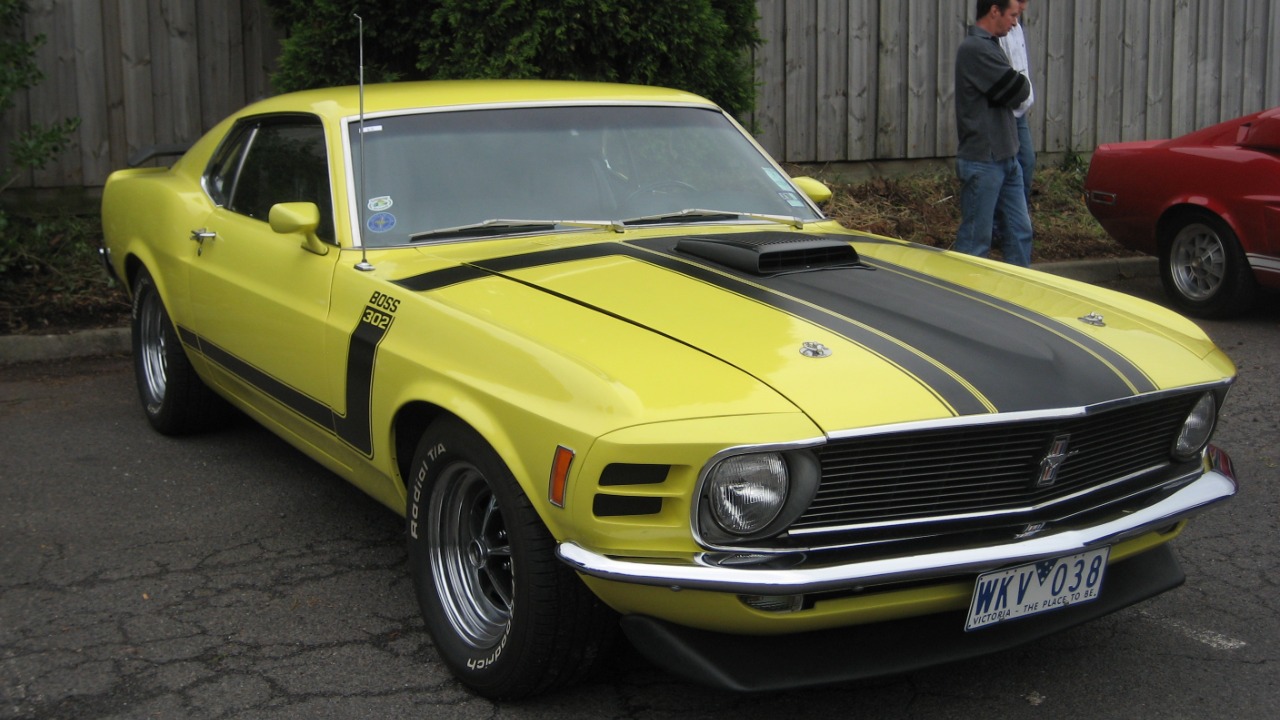
The Ford Mustang Boss 302 is another legendary muscle car that featured a race cam. Introduced in 1969, the Boss 302 was designed to compete in the same SCCA Trans-Am series as the Camaro Z/28. Its 302 cubic inch V8 engine was equipped with a solid-lifter camshaft, allowing it to rev up to 6,200 RPM, a remarkable feat for its time. This engine configuration enabled the Boss 302 to deliver exceptional speed and acceleration.
Aside from its mechanical prowess, the Boss 302 was known for its striking design, complete with bold graphics and a distinctive rear spoiler. It remains a beloved model among Mustang enthusiasts, celebrated for its performance and iconic status in the world of muscle cars.
Plymouth Road Runner
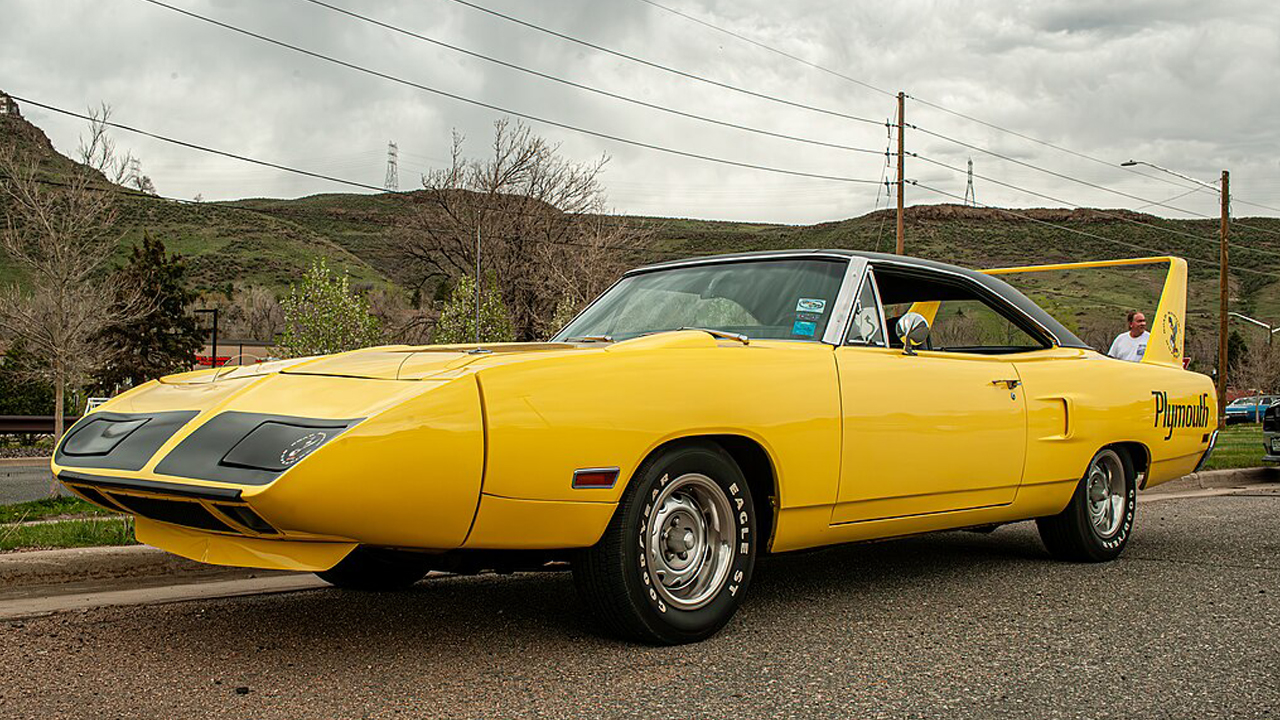
The Plymouth Road Runner Superbird, a close relative of the Charger Daytona, also came equipped with a race cam. Launched in 1970, the Superbird was built to dominate NASCAR, and its 426 Hemi V8 engine was fitted with a high-performance camshaft that delivered exceptional horsepower. This engine allowed the Superbird to reach impressive speeds, making it a formidable competitor on the track.
With its distinctive aerodynamic features, including a towering rear wing and pointed nose, the Superbird was designed for speed and stability. Its striking appearance and racing success have made it an enduring icon in the world of muscle cars.
Pontiac GTO Judge
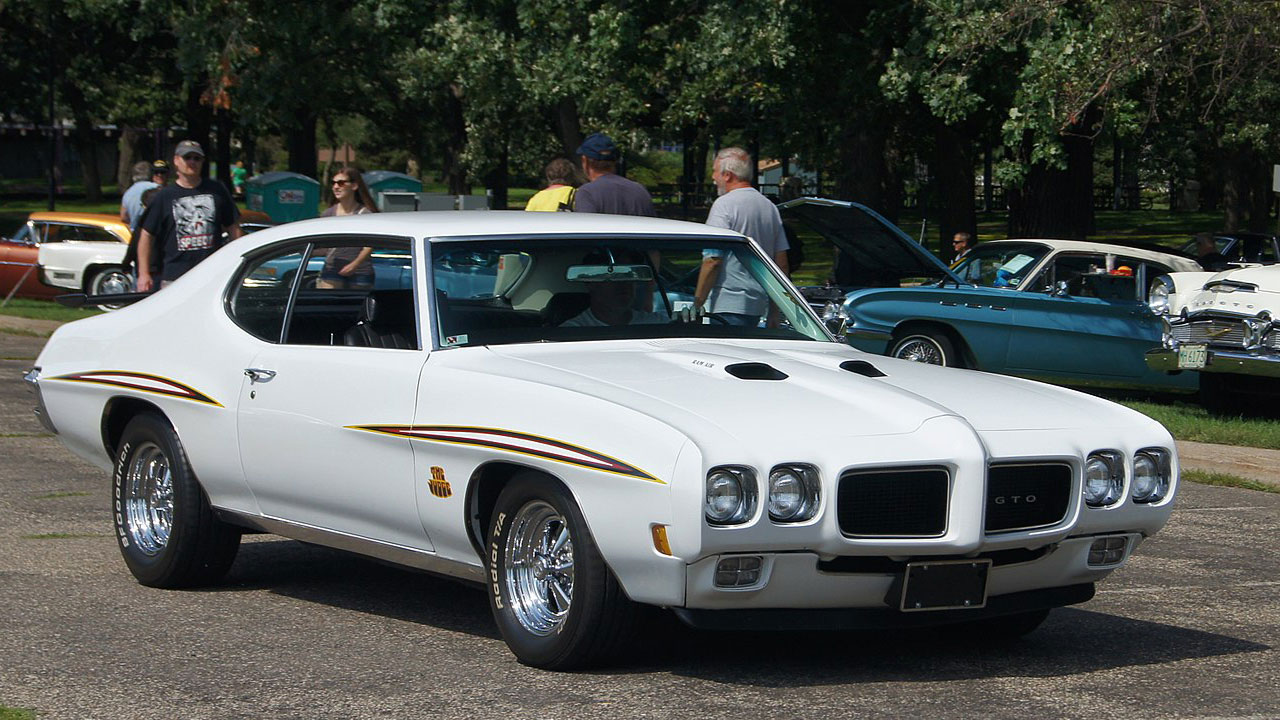
The Pontiac GTO Judge, introduced in 1969, is another muscle car known for its race cam. The Judge came with a Ram Air III or optional Ram Air IV engine, both featuring high-lift camshafts that enhanced performance at high RPMs. This configuration allowed the GTO Judge to deliver impressive power and acceleration, making it a favorite among performance enthusiasts.
With its eye-catching graphics and aggressive styling, the GTO Judge quickly became a symbol of the muscle car era. Its unique combination of power and style continues to captivate collectors and fans alike.
Chevrolet Chevelle SS 454
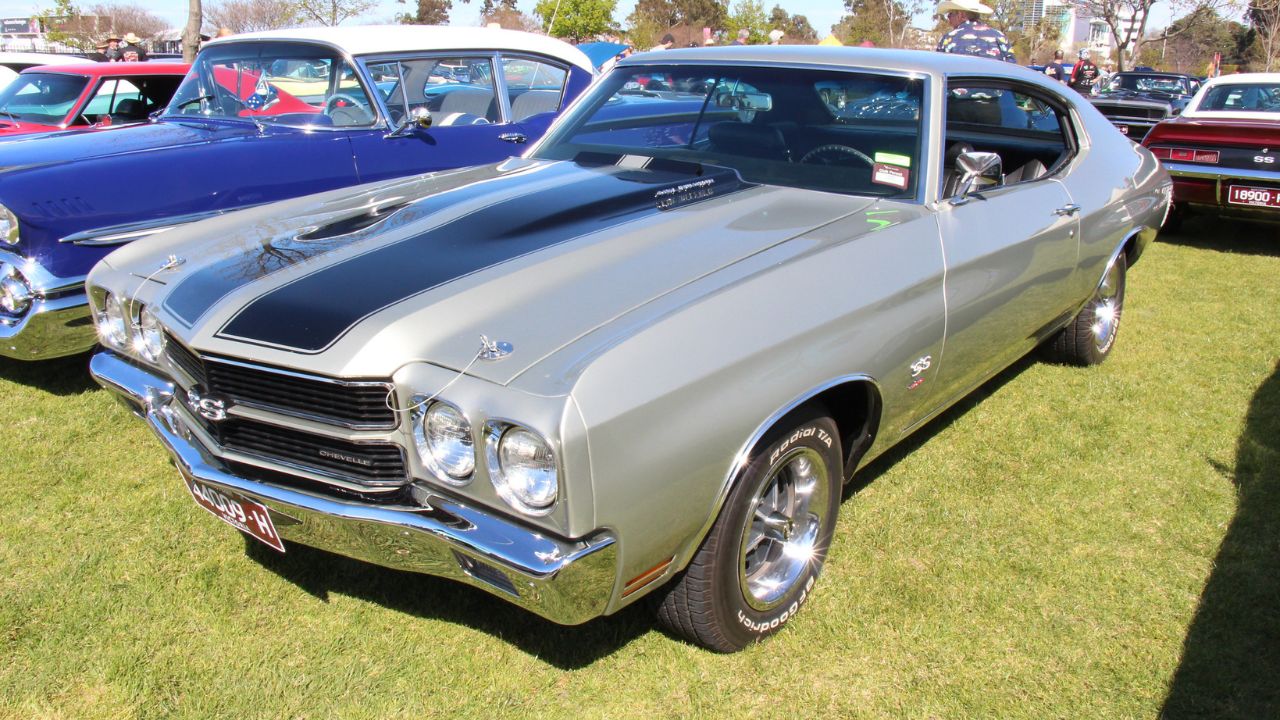
The Chevrolet Chevelle SS 454, particularly the 1970 model, is celebrated for its use of a legitimate race cam. The LS6 version of the Chevelle SS featured a 454 cubic inch V8 engine with a high-lift solid-lifter camshaft, enabling it to produce an astounding 450 horsepower. This setup made the Chevelle SS 454 one of the most powerful production cars of its time.
Beyond its impressive engine, the Chevelle SS 454 was known for its muscular design and commanding road presence. Its combination of raw power and classic styling has ensured its status as a true icon in the muscle car world.
Oldsmobile 442 W-30
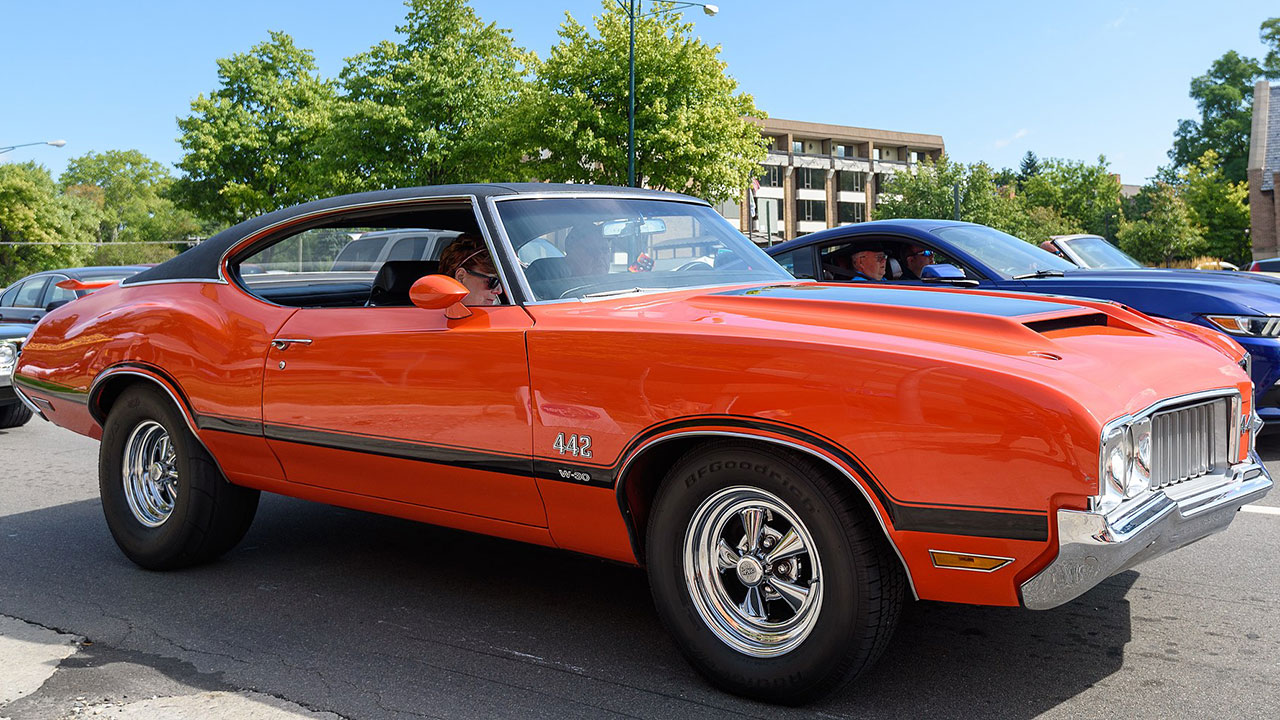
The Oldsmobile 442 W-30, especially the 1970 model, was renowned for its use of a race cam. The W-30 package included a 455 cubic inch V8 engine with a high-performance camshaft, providing exceptional power and a distinctively aggressive sound. This setup enabled the 442 W-30 to deliver remarkable speed and acceleration, making it a favorite among muscle car enthusiasts.
In addition to its mechanical prowess, the 442 W-30 was known for its stylish design and luxurious features, setting it apart from other muscle cars of its era. Its blend of performance and elegance continues to make it a sought-after model among collectors.
Like Fast Lane Only’s content? Be sure to follow us.
Here’s more from us:
*Created with AI assistance and editor review.