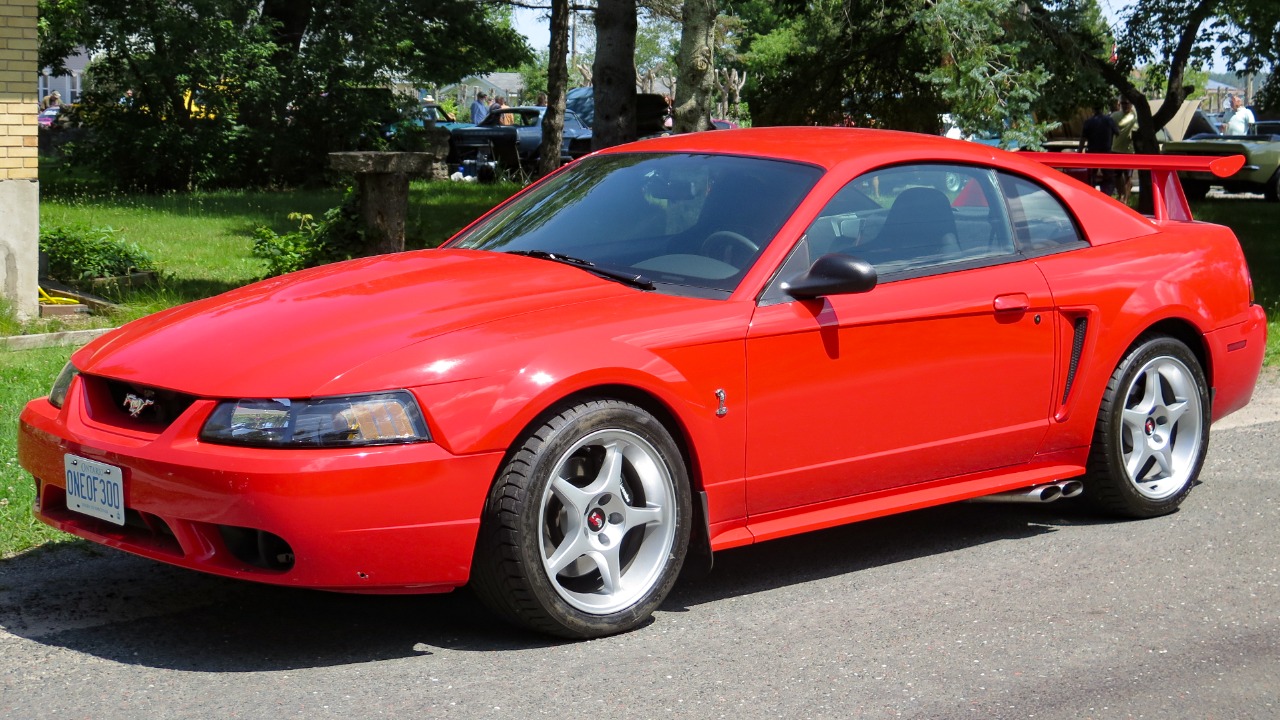
For the first time in years, you have a clear answer to a question that has hovered over Mustang forums and parking-lot meetups: the Cobra badge is not riding back onto the trunk lid of a new factory Mustang. Ford Motor Company has signaled that its performance future will lean on fresh branding and track-focused variants rather than reviving the most nostalgic nameplates. If you have been holding out for a modern Cobra to park next to your Fox-body or SN95, you may need to recalibrate your expectations.
That shift does not erase the Cobra’s legacy, but it does change how you, as a Mustang loyalist, should read every rumor, trademark filing, and spy shot that crosses your feed. The company is drawing a line between heritage and product planning, and the result is a performance strategy that treats Cobra and Boss as closed chapters, even as other players try to keep the Cobra mystique alive in their own ways.
The end of the Cobra road at Ford
If you are waiting for Ford to blink, the company has tried to make its position unmistakable. Ford Motor Company has confirmed that the Cobra and Boss names are “off the table” for upcoming Mustang performance models, framing the decision as part of a broader change in direction for its halo cars. In that explanation, Ford Motor Company ties the move to a desire for new performance versions that emphasize track capability rather than retro branding. A follow up from the same program reiterates that, on January 20, 2026, Ford formally drew that line, effectively closing the door on a factory Mustang Cobra revival.
That stance is not a casual remark, it is part of a deliberate repositioning of the Mustang performance line. Reporting on the internal strategy describes how Ford is drawing a clear line between its past and future when it comes to Mustang performance models, explicitly shutting the door on reviving those storied badges. A separate account underscores that, despite the emotional pull of those names, Ford leadership sees more value in fresh branding that can grow with new technology, including electrification and advanced driver aids, than in endlessly recycling Cobra and Boss.
How trademark filings fueled false hope
Your hopes for a Cobra comeback were not unfounded, at least on paper. Earlier trademark activity around the Cobra name suggested that a new Mustang variant could be in the works, and enthusiasts quickly connected those filings to the S650 generation and the 2026 model year. One analysis of those filings noted that a new trademark from Ford appeared to back up claims that the Cobra is returning for the S650 Mustang lineup, even as lawyers cautioned that a trademark alone does not guarantee a production car. A deeper dive into the paperwork echoed that nuance, stressing that while the Cobra name has long been synonymous with high performance, Ford Authority Take was that the filing alone did not indicate that it will return on a production Mustang.
Those legal breadcrumbs collided with the emotional weight of the badge. The same commentary reminded you that The Cobra name traces back to the Shelby versions of the Mustang, and that heritage made every bureaucratic move feel like a coded message from Dearborn. Another report on the trademark saga framed it bluntly, noting that a new filing from Ford could just as easily be a wholly false, undamaging document in terms of product plans. In hindsight, the company’s subsequent confirmation that Cobra is off the table shows that you were reading tea leaves in a legal document, while the real decision was being made inside the performance planning group.
What Ford wants Mustang performance to be now
To understand why the Cobra badge is being retired from future Mustangs, you have to look at how Ford now defines the car’s mission. The company’s own commercial-facing materials present the modern Mustang as a flexible platform that can serve fleets as well as enthusiasts, with an emphasis on technology, safety, and efficiency alongside power. Against that backdrop, internal strategists have argued that future high performance Mustangs should be developed as distinct, track-focused versions that can showcase new hardware and software, rather than as nostalgia plays. Reporting on the shift notes that Ford is prioritizing performance variants that can stand on their own merits, with unique tuning and technology packages, instead of leaning on heritage names to do the marketing.
That philosophy also helps explain why leadership is comfortable walking away from Cobra and Boss even as they acknowledge the badges’ pull. A detailed account of the internal debate describes how Ford is moving away from revivals of those storied badges, despite the buzz they generate, in order to build a performance portfolio that can evolve with changing regulations and customer expectations. In that context, the decision to confirm that Cobra and Boss are off the table is less a snub to loyalists and more a signal that the Mustang’s future will be defined by new sub-brands, new powertrains, and new kinds of track capability that do not fit neatly under a 1960s-era nameplate.
Enthusiast backlash and the business calculus
You can already see how that strategy lands with the core audience. In enthusiast spaces, the reaction has been a mix of disappointment and reluctant acceptance that the numbers have to add up. In one Facebook discussion, a fan opened with the blunt verdict “Sorry Ford Racing, but this is a let down,” a sentiment that resonated with Mitchell Jermyn and 7 others and drew 8 reactions and 50 comments. Another participant, Ian Blaney, cut to the chase by arguing that “It has to make businesses sense,” capturing the tension between emotional loyalty and corporate reality. A parallel thread on the same post, linked separately as Mitchell Jermyn and and Ian Blaney weighed in, shows how quickly the conversation shifts from nostalgia to spreadsheets when enthusiasts start thinking like product planners.
From Ford’s perspective, that business logic is straightforward. The company has to decide whether the incremental sales lift from a revived Cobra badge would justify the engineering, certification, and marketing costs of a distinct model line, especially as regulations tighten and development budgets are pulled toward electrification. Internal strategy coverage suggests that Despite the noise around heritage revivals, leadership believes that money is better spent on new performance architectures that can be scaled across multiple models. When you factor in the risk of diluting the Cobra name with a car that cannot match the legend in an era of strict emissions and noise rules, the decision to retire the badge starts to look less like heresy and more like risk management.
Where the Cobra spirit lives on
Even if Ford is stepping away from the Cobra name on the Mustang, the broader Cobra story is not ending, it is just moving to different garages. Across the Atlantic, AC Cars is working to reboot the iconic roadster that helped create the legend in the first place. Reporting on the project notes that AC Cars is rebooting the iconic roadster with a new AC Cobra GT that copies the original’s curvaceous shape but wraps it in carbon fiber bodywork and pairs it with modern powertrains. The same coverage highlights a One of a kind Shelby Cobra Concept up for auction and notes how the classic AC Cob shape still commands seven figure prices at auction. A complementary report on the new AC Cobra GT underscores that, even in modernized form, it will “haul ass,” since this Cobra will again have a big V8 under its hood, with output quoted at 654 horsepower and the option of a manual transmission.
More from Fast Lane Only