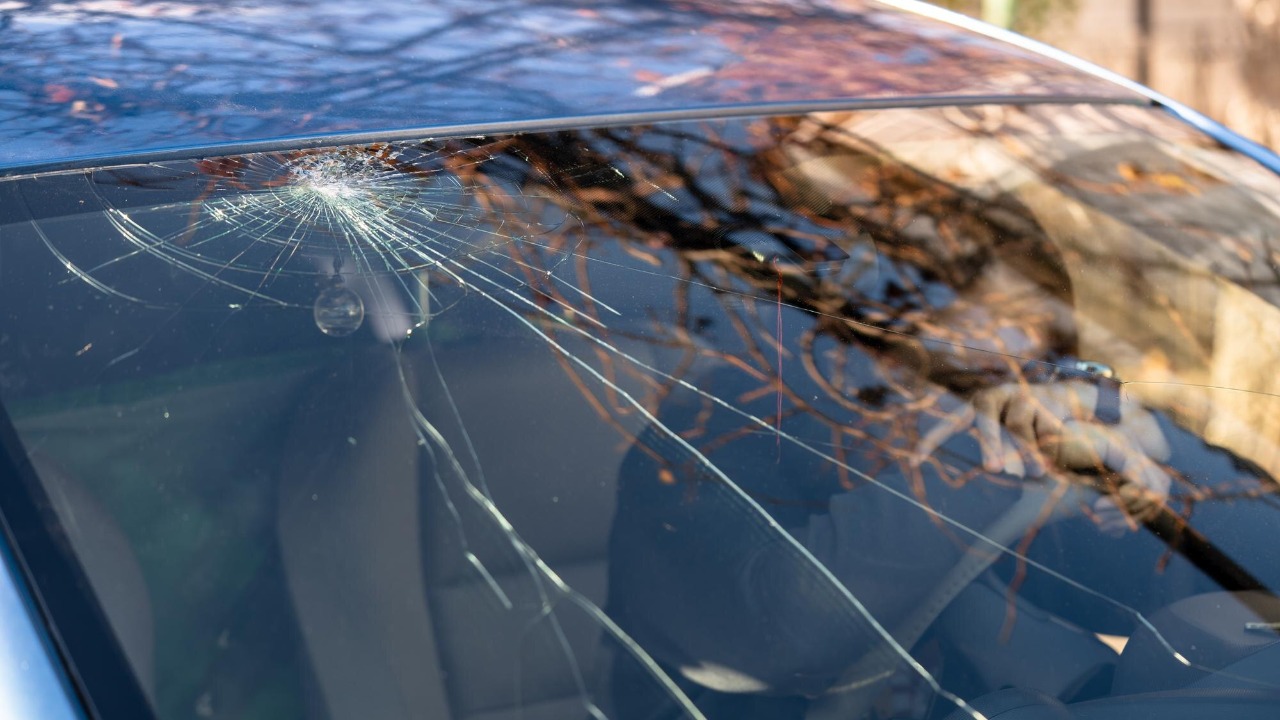
It was supposed to be a quick, harmless errand: swing by the local car wash, knock the pollen off, and feel like I had my life together for at least one afternoon. You know the kind of small win that makes you stand a little taller in the parking lot. Instead, I drove out with a fresh crack in my windshield and a manager who assured me—very calmly—that it was probably “road debris.”
Which is an interesting theory, considering I watched the whole thing happen while my car was sitting still, being gently slapped by foam and water like it was at a spa. Yet here we are. And if you’ve ever had a business tell you “not us” with a straight face while your eyes are still adjusting to the daylight, you’ll recognize the particular brand of confusion that follows.
A routine wash that didn’t feel routine for long
I pulled in like I always do, picked the mid-tier wash because I’m fancy like that, and rolled onto the track. Everything looked normal: employees guiding cars forward, the usual signs reminding you to put it in neutral, hands off the wheel, trust the system. The kind of setup that says, “We do this all day; you can relax.”
For the first minute, it was exactly what you’d expect. The pre-soak sprayed on, the brushes started their soft thump-thump against the sides, and I watched the rainbow sheen of soap slide down the glass. Then I heard a sharp, wrong-sounding pop—more like a pebble hitting a window than anything a car wash should be producing.
The moment I noticed the crack
I didn’t see it immediately. The windshield was still wet, and the lights inside the tunnel make everything look like a music video. But as the blowers kicked on and the water cleared, a thin line appeared from the lower passenger side, like someone had drawn it with a pencil.
By the time I exited, that pencil line had turned into a small crack with a little starburst at the end. Not enormous, but definitely new, definitely there, and definitely not something I planned to add to my day. I pulled into the vacuum area, got out, and did that thing where you tilt your head from different angles hoping it’ll disappear. It didn’t.
“Road debris,” the manager said, with surprising confidence
I walked back to the office and explained what happened. I kept it simple: I went in with an intact windshield and came out with a crack. The employee up front looked concerned and called the manager.
The manager came out, glanced at the glass for maybe two seconds, and delivered the verdict: “That’s usually road debris.” He said it like it was a weather report—unfortunate, common, and not anyone’s fault. I asked how road debris would hit the windshield while the car was inside the wash, not moving, and he said something about “pre-existing damage” and “pressure changes.”
Now, I’m not here to pretend windshields are delicate flowers. They can chip from a random rock on the highway, sure. But when the crack appears immediately after a distinct pop inside a machine that sprays high-pressure water and swings heavy equipment around your car, it’s hard not to raise an eyebrow.
What a car wash can realistically do to a windshield
To be fair, a car wash isn’t supposed to crack your windshield. Most modern automatic washes are designed to be safe for normal vehicles in normal condition, and most days they are. But “supposed to” and “can’t” are different things, especially when pressure, water jets, moving parts, and the occasional loose object are involved.
A windshield that already has a tiny chip can crack from sudden temperature shifts or vibration. High-pressure water aimed at the wrong angle can exploit weak points, and a small pebble caught in a brush can turn into a tiny projectile. None of that proves what happened in my case, but it does make the blanket “road debris” explanation feel a little too convenient.
How the conversation went when I asked about responsibility
I asked if they could review camera footage or incident logs, since the wash tunnel usually has cameras for safety and liability. The manager said they don’t “typically” review footage unless there’s major damage and suggested I file with my insurance. He also mentioned their posted signs, the ones that say they aren’t responsible for pre-existing damage or aftermarket parts.
Those signs are everywhere, and yes, they matter. But they aren’t magical shields that erase every possible claim, especially if a business’s equipment actually causes damage. Still, in the moment, it was clear he wasn’t going to budge, and I wasn’t going to win the debate in the parking lot next to a vending machine full of air fresheners.
What I did next (and what I wish I’d done sooner)
First, I took photos. Lots of them: close-ups of the crack, wider shots showing the whole windshield, and a few that included the car wash sign in the background for context. I also recorded a quick video walking around the car, narrating the time and what just happened, because your memory gets fuzzy the moment adrenaline and frustration show up.
Then I asked for everything in writing. I requested the manager’s name, the employee’s name, the time of the wash, and a printed receipt showing the timestamp. I also asked if they could note the incident internally, even if they didn’t accept responsibility, because “we never heard about it” becomes a very popular line later.
What I wish I’d done sooner: checked the windshield before entering the wash and snapped a quick photo. It feels slightly ridiculous, like photographing your sandwich before eating it, but it’s helpful if you ever need to show the damage wasn’t there five minutes earlier.
If this happens to you, here’s the practical playbook
If you notice damage right after a wash, report it immediately before you leave the property. Businesses take things more seriously when it’s clear the issue happened on-site and you’re not calling two days later from your driveway. Be polite, but be specific: describe what you heard, where you saw the damage, and when you noticed it.
Document everything: photos, video, receipt, and the exact location and time. If there were witnesses—another customer in line, an employee guiding cars—ask for a name or a quick statement if they’re willing. If the business has a claims process, ask for the form or email and submit your documentation the same day.
Finally, consider your insurance options. Many policies cover windshield repair or replacement, sometimes with low or no deductible depending on your state and coverage. Even if insurance handles it, you can still file a complaint with the car wash company or corporate office, and in some cases pursue reimbursement through small claims if the facts support it.
Why “road debris” keeps showing up as the go-to answer
Blaming road debris is a neat little shortcut because it’s plausible in general. Windshields do get chipped all the time, and customers often don’t notice until they’re parked somewhere with good lighting. It’s also hard to prove exactly what happened inside a wash tunnel unless there’s clear video or a pattern of similar complaints.
But plausibility isn’t proof, and it doesn’t automatically make your experience imaginary. If the timing is tight and the damage is fresh, it’s reasonable to ask questions and push for a real review instead of a canned explanation. At minimum, you deserve more than a shrug and a suggestion to take it up with your insurance company.
My windshield is still cracked as I write this, which is a great reminder that adult errands are always one surprise away from becoming an unexpected expense. I’m not saying every car wash is out here cracking glass and gaslighting customers—most aren’t. I am saying that if something feels off, trust that instinct, document what you can, and don’t let “road debris” be the end of the conversation.
More from Fast Lane Only