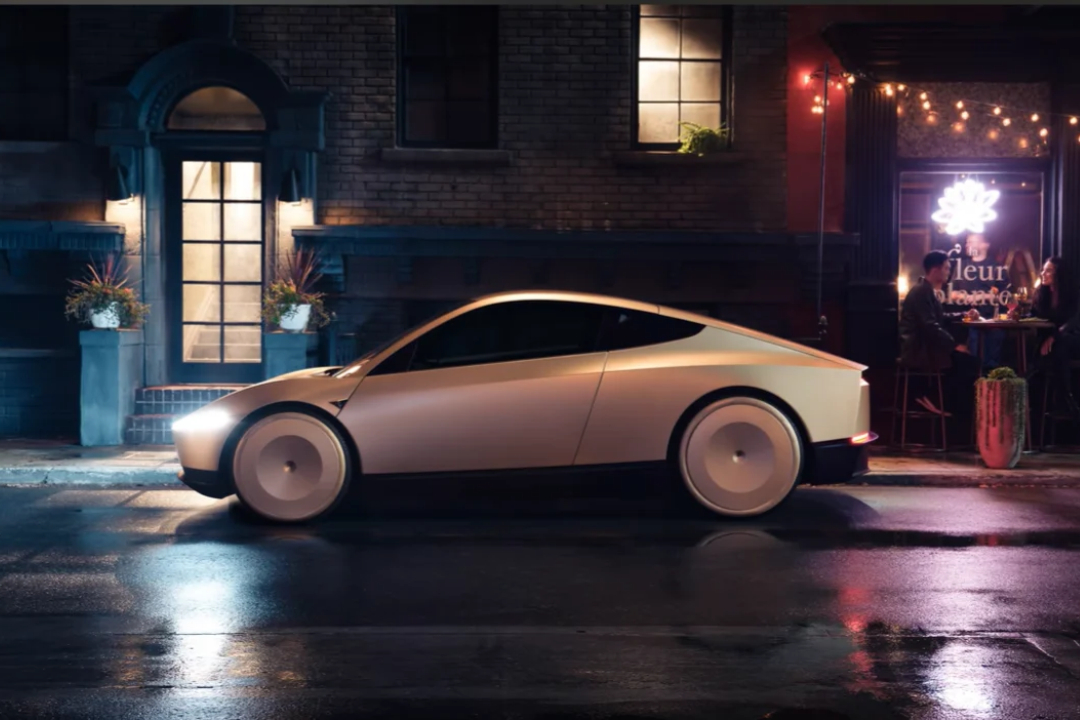
You are suddenly much closer to an electric car that can drive from London to Barcelona on a single charge. Chinese scientists say a new fluorinated electrolyte has pushed lithium battery energy density to levels that could nearly double the range of today’s electric vehicles without adding size or weight. If the chemistry scales from lab cells to factory lines, you could be looking at batteries that make 1,000 kilometre road trips feel routine rather than ambitious.
Rather than chasing exotic new elements, researchers have reengineered the liquid that shuttles ions inside a lithium cell. By switching to a heavily fluorinated formula, they report energy densities around 700 watt-hours per kilogram, far beyond what you get from mainstream packs in cars like the Tesla Model 3 or Hyundai Ioniq 6. For you as a driver, that figure is not just a number; it is the difference between planning your life around chargers and treating charging stops as a side note.
What the new fluorinated electrolyte actually changes for you
Your current EV relies on a liquid mix of organic carbonates and lithium salts to carry charge between the positive and negative electrodes. Researchers from Nankai University and the Shanghai Institute of Space Power Sources say they have replaced that with a fluorine rich solution that supports much higher voltages and more aggressive electrode materials. According to their work, this chemistry lets a lithium metal anode and high energy cathode operate together safely, which is why they describe a potential to double the capacity of existing lithium batteries without increasing size or weight.
That shift matters because it attacks the core trade off that limits your range today. With conventional electrolytes, pushing voltage higher tends to chew up the cathode surface and generate unstable layers that shorten battery life. In the fluorinated system, scientists describe a more stable cathode electrolyte interphase that behaves like a durable skin and lets the cell run at higher energy while maintaining performance. You feel the benefit not as chemistry jargon but as a dashboard estimate that climbs from roughly 500 kilometres in a long range sedan to something closer to 1,000 kilometres in the same footprint.
The headline numbers: 700 Wh/kg and 1,000+ km
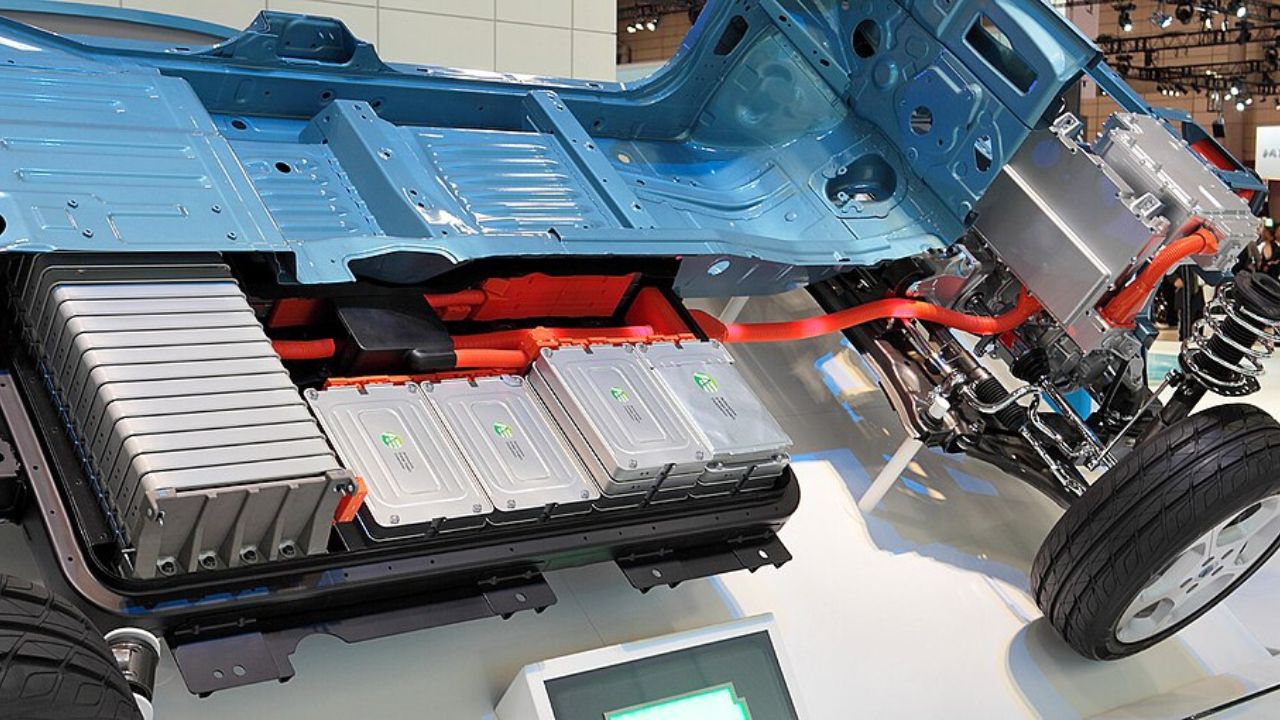
If you are trying to judge whether this is hype or a genuine leap, the metric that keeps coming up is energy density. The new lithium metal cells built around the fluorinated electrolyte are reported at about 700 Wh/kg, a level that battery engineers have long treated as a kind of holy grail. For comparison, many of the packs in today’s mass market EVs sit in the 250 to 300 Wh/kg range at the cell level, which is why your car’s floor is so heavy and why designers fight to squeeze out every kilometre of range.
Translating that 700 Wh/kg into real driving, reporting from China describes prototypes that could push an electric car beyond 1,000 kilometre range on a single charge. Another detailed account of the work notes that Chinese scientists have built cells with energy density above the same 700 Wh/kg mark and positioned them as a path to EVs with more than 1,000 kilometres of driving between plug ins. You experience that not just as fewer stops on a holiday trip but as the freedom to ignore public chargers on most weekly commutes, even if you forget to plug in at home for a night or two.
Why this electrolyte is such a big deal for global EV tech
If you live in the United States or Europe, you might assume a breakthrough in China will stay in domestic models for years. Analysts following the fluorinated electrolyte work argue the opposite, describing how a 700 Wh/kg cell could reshape expectations for EVs in markets like the United States. They point out that hitting 700 Wh/kg would leapfrog long standing government research targets that aimed for around 500 Wh/kg and would make it much easier for automakers to sell large SUVs and pickups that still deliver long range without ballooning battery weight.
For you as a buyer, that shift could change which brands feel competitive. If Chinese manufacturers move quickly to industrialize this fluorinated electrolyte while rivals in Japan, Europe, and North America stay closer to 300 Wh/kg, the gap in range and charging convenience will be obvious on spec sheets. At the same time, the chemistry does not inherently lock into one country, so suppliers that license or independently reproduce the electrolyte could bring similar packs into global platforms from companies like Toyota or Ford. The race to 700 Wh/kg becomes less about national bragging rights and more about who can qualify a stable supply chain and prove long term durability.
How it stacks up against other next generation batteries
You might reasonably ask how this fluorinated electrolyte compares with other headline grabbing battery projects. Earlier research on lithium metal cells showed promising energy density but often struggled with fast capacity loss, with some prototypes maintaining performance for only around 90 charge cycles before degrading. In contrast, the Chinese work highlights improved stability on both the anode and cathode surfaces, helped by a carefully engineered interphase that resists the cracking and side reactions that plagued earlier designs.
There is also a parallel push from companies like Toyota, where researchers are exploring solid state and fluoride ion batteries that also target long range, in some cases around 1,200 kilometres. Those projects trade liquid electrolytes for solid materials that promise improved safety and faster charging, but they still face manufacturing and cost barriers. The fluorinated electrolyte approach sits in between: it keeps a liquid medium that fits existing production lines yet reaches energy densities usually associated with more radical solid state concepts.
What needs to happen before you see 700 Wh/kg in your driveway
For all the excitement, you should treat the fluorinated electrolyte as a high potential prototype rather than a feature you can order on next year’s crossover. The Chinese teams are working with relatively small format cells and controlled lab conditions, and they still need to prove that the chemistry can be manufactured at scale, tolerate real world temperature swings, and integrate safely into packs that pass automotive crash tests. Reporting on the work stresses that the electrolyte interacts with both electrodes in complex ways, and that fine tuning the composition is essential to avoid gas generation or runaway reactions over thousands of cycles.
As automakers evaluate this technology, they will weigh it against incremental improvements to today’s lithium iron phosphate and nickel rich chemistries, as well as against high profile solid state timelines from groups like Kyoto University and Toyota that are targeting practical application after 2035. One detailed report on the Chinese breakthrough notes that Chinese scientists are already talking about integrating the 700 Wh/kg cells into aviation and high end EV projects, which suggests a likely path where you first see them in premium or specialized vehicles before they filter down to mainstream models.
For you, the practical takeaway is that the ceiling on EV range just moved higher. Instead of wondering whether an electric car can match the flexibility of a petrol vehicle, you can start thinking about how your driving habits change when 1,000 kilometre legs are on the table and charging becomes a weekly chore rather than a daily one. The fluorinated electrolyte will not erase every challenge in the shift away from internal combustion, but it gives battery engineers a concrete, lab proven target that aligns directly with what you care about most: how far you can go, how often you need to stop, and how much you pay for the privilege.
More from Fast Lane Only