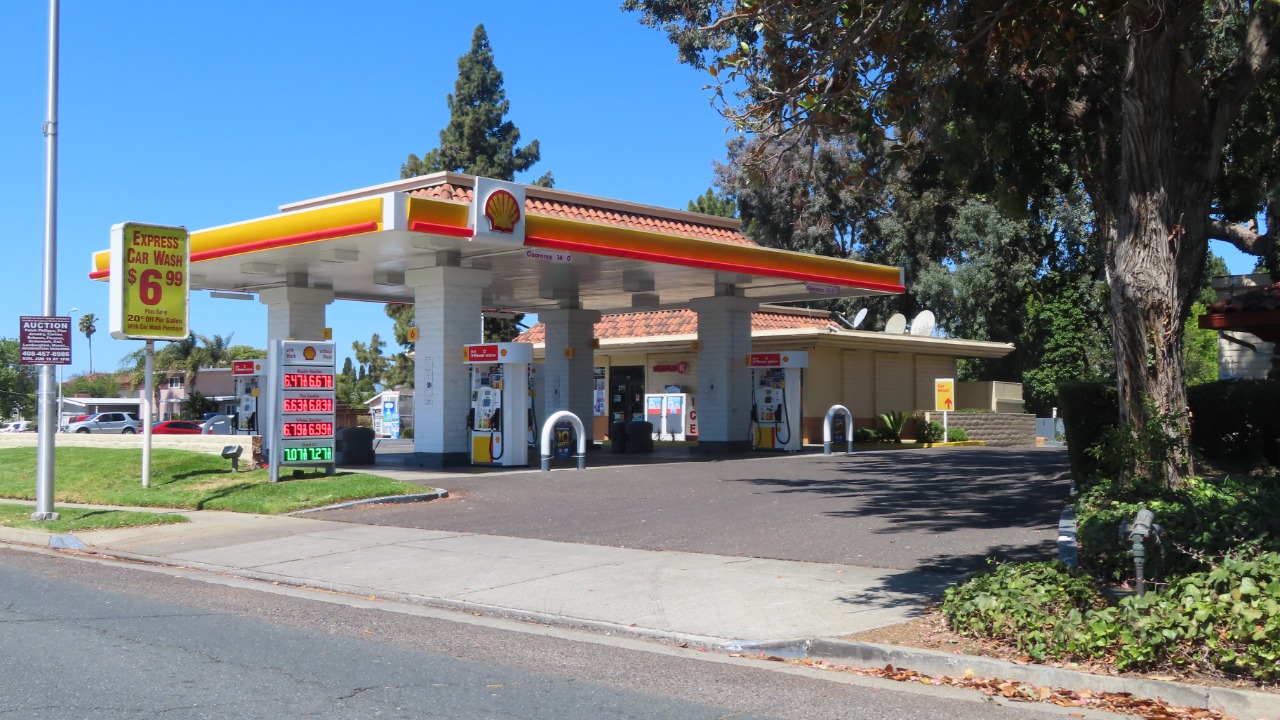
California’s latest environmental rule is not just nudging drivers toward cleaner cars, it is ripping out the financial floor under hundreds of neighborhood gas stations. The new mandate for underground fuel tanks, backed by daily fines that can reach thousands of dollars, is already pushing smaller operators to lock their doors rather than gamble with penalties they cannot pay. The law is being sold as a straightforward safety upgrade, but the real story is about who can afford to stay in the fuel business at all.
Behind the shuttered pumps is a collision between long delayed regulation, soaring construction costs, and a broader transition away from gasoline that is already straining supplies. I see a policy that was supposed to quietly modernize old infrastructure instead accelerating a reshaping of California’s fuel map, with big players and out of state suppliers poised to fill the gaps left by mom and pop stations.
What the new tank law actually requires
At the heart of the shake up is a requirement that underground fuel tanks in California have two protective shells to keep gasoline and diesel from seeping into soil and groundwater. As of Jan. 1, California is mandating that these tanks be double walled, a standard that older single wall systems simply cannot meet without full replacement, according to state explanations of how California is tightening protections. The rule is rooted in environmental concerns about drinking water supplies and ecosystems, which are especially vulnerable when aging tanks corrode out of sight beneath busy corners.
The legal backbone is Senate Bill 445, approved years ago but only now fully biting, which targets old single wall gasoline tanks and backs the mandate with fines of 5,000 dollars per day for stations that keep operating out of compliance. State regulators framed the shift as a long signaled modernization, and a new California law is now forcing hundreds of gas stations to close for fear of hefty daily fines, a reality that has been widely reported as the enforcement phase finally arrives in Jan. The intent is clear, but the way it is landing on the ground is anything but smooth.
The $5,000 a day squeeze on small operators
For a large chain, ripping up concrete and installing new double wall tanks is painful but manageable, a capital project that can be spread across dozens of locations. For a single station owner, the same job can be existential, especially when the alternative is a penalty of $5,000 a day per non compliant tank that starts running as soon as inspectors decide the deadline has passed. Industry guidance has been warning that waiting too long could mean higher costs, rushed work, or worse, missed deadlines that trigger those fines, and that is exactly the corner many operators now find themselves in.
New Gas Station Law Causes $5,000 Fines, Fuel Shortages, and Chaos, as one detailed breakdown of the rule’s impact put it, tying the financial hit directly to the cost of upgrading storage tanks. New gas station law is enforced by $5,000 daily fines, and Hundreds of small sites in California have no choice but to close, as social media posts have bluntly summarized. Waiting until the last construction season before the deadline left many scrambling for contractors and financing at the same time, and the law’s structure means that once the clock runs out, every extra day of delay can wipe out a month of profit.
Years of delay, then a hard deadline
What makes the current crunch feel so brutal is that it follows years of planning and postponement that lulled some owners into thinking the day of reckoning might never come. After years of planning and delay, the compliance deadline finally arrived on December 31, 2025, and as of January 2026, enforcement has begun in earnest, with non compliant tanks treated as relics that need to be pulled out of the earth like obsolete relics, as one analysis of the rollout put it in a section labeled After. Lawmakers did build in a grace period, adding a provision that gave gas stations until December 31, 2025 to meet the new requirements, but that window closed at the end of last year, and the state is now treating the rule as fully in force.
Jan has become shorthand among operators for the moment the hammer dropped, because that is when a new California law is forcing hundreds of gas stations to close for fear of hefty daily fines, according to detailed accounts of how the rule is playing out on the ground in California. But lawmakers added a provision giving gas stations until December 31, 2025 to meet the new requirements, and while the law aims to protect groundwater, most of the affected businesses are described as mom and pop operations that have done everything in their power to comply, as one report framed it in a section introduced with the word But. The problem is that good intentions do not stretch construction schedules or bank loans, and once the calendar flipped, inspectors stopped accepting promises and started counting violations.
Environmental protection or quiet consolidation?
Supporters of the rule argue that the stakes are too high to keep giving extensions, and they have a point. Philip Uwaoma has described how leaking tanks can contaminate drinking water supplies and ecosystems, and how the new standards are meant to prevent exactly that kind of slow moving disaster, a case laid out in detail in a section that highlights Philip Uwaoma by name. A New Law is Forcing California Gas Stations to Close, Here is Why, one explanation notes, tying the closures directly to the environmental rationale and the belief that the long term health of communities outweighs the short term disruption, as spelled out in a segment labeled New Law.
At the same time, I cannot ignore how neatly the rule lines up with a broader reshaping of the fuel market that favors larger, better capitalized players. Goodbye to hundreds of gas stations, one analysis of Senate Bill 445 put it, noting that the combination of tank replacement costs and fines of 5,000 dollars per day would inevitably push weaker operators out, a dynamic that is now visible in the wave of closures tied to Senate Bill. When I look at who can afford to dig up their forecourts and who is instead selling their land to developers or larger chains, it is hard not to see environmental protection and market consolidation moving in lockstep.
A fuel system already under strain
The timing of this crackdown is especially fraught because California’s fuel system was already under pressure from refinery closures and tight supplies. California gas prices are projected to significantly increase due to refinery closures and stringent state regulations, potentially reaching over 8 dollars per gallon by 2026, according to energy market forecasts that track how California is becoming more vulnerable to supply shocks. California Could See Gas Prices Near 5 dollars in 2026, another analysis warns, as more refineries prepare to shut down, leaving only six operational and deepening the state’s dependence on a shrinking pool of in state production, a scenario laid out in detail in a post titled California Could See.
California Faces Looming Fuel Crisis as State Deadline Threatens to Shut Down Local Gas Stations, one industry group warned, arguing that fewer fueling locations will remain open in rural communities, farms, and medical facilities if the tank rule is enforced without more flexibility, a concern spelled out in a section labeled California Faces Looming. Jun brought another stark warning that Station owners have been trapped in years long delays due to factors outside their control, and that the state is approaching a dangerous tipping point where closures, price spikes, and supply disruptions are all avoidable outcomes, as one press release put it in a passage introduced with the word Jun. Layering a station shutdown wave on top of refinery headwinds is a recipe for exactly the kind of fuel crunch drivers fear most.
More from Fast Lane Only