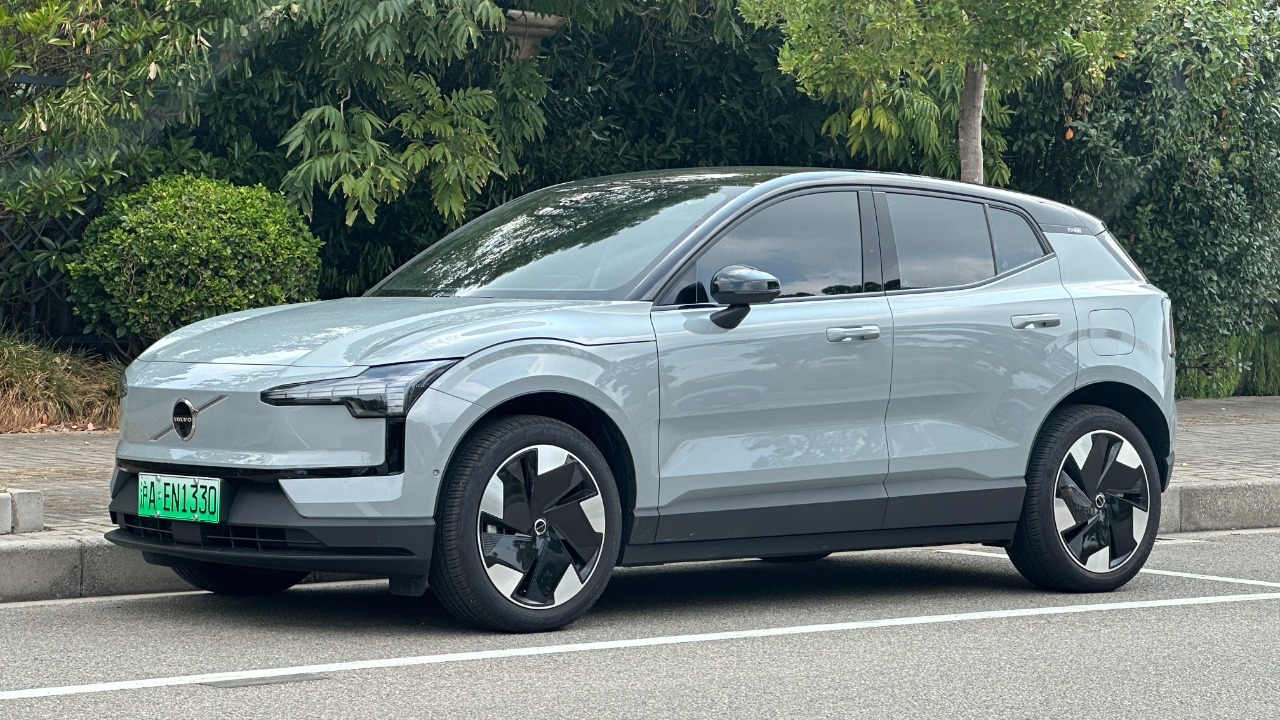
Volvo spent the past few years promising a fast sprint into a fully electric future. Now the company is easing off the throttle, betting that sophisticated hybrids will carry more drivers through a messy, uneven transition to battery power. The pivot says as much about the state of global EV adoption as it does about Volvo itself, and it is reshaping how and where the brand builds its cars.
I see this as a pragmatic course correction rather than a retreat. Volvo is still talking about a greener future, but it is now leaning on plug‑in hybrids and extended‑range setups as a bridge technology, tailored to the realities of charging deserts, volatile incentives and sharply different regional demand.
From all‑electric ambition to hybrid realism
When Volvo first laid out its electric roadmap, it framed the plan as a clean break with combustion. In 2021 the company publicly committed to be fully electric by 2030, a pledge that became a centerpiece of its Strategy Shift and a New Path for a Greener Future narrative. That vision cast hybrids as a temporary step on the way to pure EVs, not a long term pillar of the lineup. The rhetoric matched the mood of the moment, when policymakers and investors were rewarding bold, all‑in electrification promises.
Reality has been rougher. Volvo has now formally adjusted its electrification ambitions and updated its CO2 reduction path, acknowledging in an Updated corporate roadmap that it will not be fully electric by 2030. Internal targets for emissions are being recalibrated to reflect a mix of battery‑only models and plug‑in hybrids rather than a pure EV fleet. That shift is not just semantics, it is a recognition that the company needs more flexibility in how it cuts tailpipe emissions while infrastructure and consumer behavior catch up.
Why Volvo is backing away from a 2030 EV‑only promise
The clearest sign of the rethink came when Volvo publicly reversed its goal of selling only electric vehicles by 2030. In LOS ANGELES the company announced on a Wednesday that it would keep hybrids in the portfolio beyond that date, citing customer concerns about range and limited access to charging infrastructure in many regions, a change detailed in a LOS ANGELES briefing. The company framed the move as a response to real world constraints rather than a loss of environmental ambition, arguing that a hybrid‑heavy lineup can still deliver meaningful CO2 cuts.
That message has been reinforced in broader commentary about the setbacks in electric vehicle adoption. Volvo has pared back its goal of having all its vehicles be electric by 2030, even as its share of fully electric models has grown, and executives have stressed that Volvo Cars remains committed to electrification while adjusting capital expenditure plans, a nuance captured in a What Volvo now says about its targets. Drivers have turned to hybrids as a hedge against patchy charging networks and uncertain resale values, and Volvo is following that demand rather than trying to drag reluctant buyers into EVs on an aggressive timetable.
Sales data and a patchwork global EV market
Underneath the strategy shift sits a simple sales story. Volvo’s global volumes slipped in 2025, with total sales falling 7 percent and its worldwide EV mix declining even as some markets held up better than others. According to one breakdown, Volvo 2025 EVs Sales Were Up In The U.S., Down In Europe And China, a split that underscores how uneven the transition has become and is detailed in a Sales Were Up report that also notes performance Down In Europe And China. For a company that has to allocate factories, batteries and marketing budgets across continents, that divergence makes a one size fits all EV plan look risky.
Volvo’s own dealers are leaning into that nuance. Retailers expect 2026 growth to come from a hybrid‑focused strategy that emphasizes long range plug‑in hybrids, expanded U.S. production and region specific incentives, according to a summary of how Volvo dealers are planning for throughput. That dealer level view matches what I hear from shoppers who like the idea of lower emissions but still want the security of a fuel tank for long trips or harsh winters.
Hybrids as the new core product, not a side act
Volvo is not just keeping a few hybrids around as compliance cars, it is bulking up the lineup and treating plug‑in powertrains as core products. In the near term the company will maintain parallel hybrid and battery only vehicle ranges, with a product plan that includes five next generation plug‑in hybrids and multiple battery EVs, a structure described in a roadmap that notes how In the near term Volvo will juggle both architectures. Engineers are working to reduce variant complexity so that plug‑in versions feel like natural choices within each model line rather than niche offshoots.
On the technology side, Volvo is preparing a new generation of hybrid systems with bigger batteries and more electric range. Drawing on experience from both Volvo and Geely, the next wave of plug‑in setups is expected to feature larger packs that allow more daily driving on electricity while keeping the backup of an engine, a direction outlined in a technical preview that highlights how Drawing on Volvo and Geely expertise can still retain Swedish DNA. That approach treats hybrids as serious electrified vehicles in their own right, not just stopgaps with tiny batteries and token EV modes.
American manufacturing and extended‑range bets
The geographic center of gravity for this strategy is shifting as well. The Swedish automaker has announced that it is doubling down on American manufacturing with plans to build extended range electric vehicles in the United States, positioning these EREVs alongside the gas powered XC60 in its plant footprint, a move described in detail in a plan that notes how The Swedish brand is going American. Building those vehicles close to key markets helps Volvo qualify for local incentives and hedge against supply chain shocks that have hit imported EVs and batteries.
That manufacturing pivot fits into a broader U.S. strategy. Volvo has described a major strategy shift amid a changing American vehicle landscape, with executives warning that the transition Will take time as charging networks expand and buyers adjust, a point made in an interview with Volvo executives that also quoted Claire Huber on the pace of change. By anchoring more hybrid and extended range production in the U.S., Volvo is effectively betting that American buyers will be among the most enthusiastic adopters of this middle ground technology.
More from Fast Lane Only