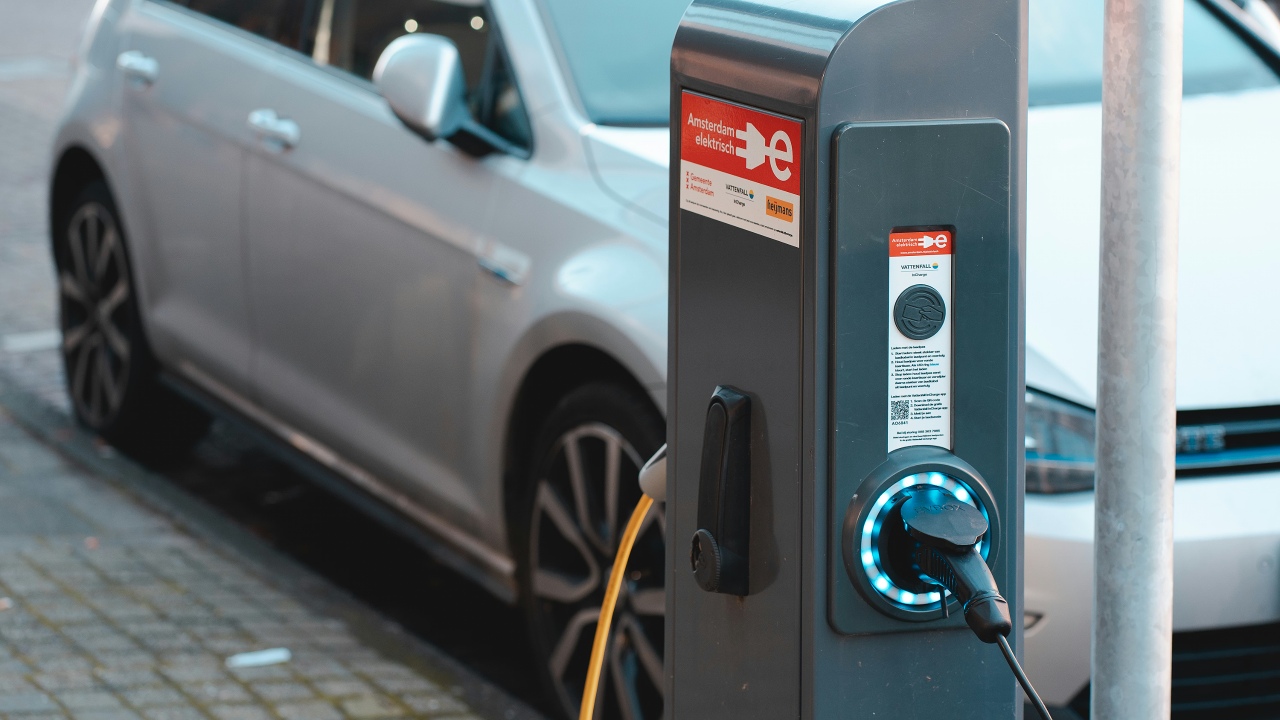
New York City has locked in the deal for what will be its largest publicly accessible electric vehicle charging hub, a project that cements Queens as the center of the city’s fast-growing EV infrastructure. Anchored next to John F. Kennedy International Airport, the site is designed to serve everyone from ride-hail drivers to neighborhood residents, while advancing the city’s broader clean energy and jobs agenda.
I see this project as more than a big parking lot full of plugs. It is a test of whether New York City can scale EV charging in a way that supports working drivers, keeps pace with state climate mandates, and fits into the fabric of communities like Springfield Gardens that already shoulder heavy traffic and pollution.
From announcement to finalized deal at JFK
New York City first signaled the scale of its ambition when it announced plans to build its largest publicly accessible EV charging station next to JFK Airport, framing the hub as a regional anchor for drivers in Queens. The concept was straightforward but bold: concentrate a high number of fast chargers in a single location near a major travel node so that taxis, ride-hail vehicles, rental fleets, and private EV owners could all reliably top up in one place. That early vision, set beside JFK Airport in Queens, positioned the project as a gateway for cleaner transportation serving both local streets and international travelers moving through one of the country’s busiest aviation hubs.
With the deal now closed, the project has shifted from aspiration to execution, and New York City has confirmed that this will indeed be its largest public EV charging hub to date. The finalized agreement folds the JFK site into the city’s broader Green Economy Action Plan, a strategy that explicitly calls for expanding EV charging access while creating new clean energy jobs. By tying the hub to that plan, New York City is treating the facility not just as a convenience for EV drivers but as a piece of economic infrastructure that supports workforce development and long term emissions reductions across the five boroughs.
Queens’ role in New York’s EV buildout
The choice to place the city’s biggest public charging complex in Queens is not an accident, and I read it as a recognition that the borough has become the testing ground for large scale EV infrastructure. The Queens Borough Board has already backed a major charging hub in Springfield Gardens, voting to approve a project that would bring a dense cluster of chargers to a neighborhood that sits at the crossroads of local traffic and airport bound routes. That approval signaled that The Queens Borough Board and local community boards were willing to host substantial new energy infrastructure, provided it delivered tangible benefits for residents and drivers who live with the daily reality of congestion and tailpipe pollution.
Queens has also been the site of New York State’s largest public EV charging installation, a milestone highlighted when Queens Welcomes New York State, Largest Public EV Charging Installation through a project supported by Con Edison Media Relations in New York. That earlier buildout, enabled by utility incentives, showed that high capacity charging fields could be integrated into the local grid while cutting projected emissions by hundreds of thousands of tons per year. Taken together, the Springfield Gardens hub and the statewide record installation established Queens as the logical home for New York City’s next leap in public charging scale at the JFK site.
Port Authority, Revel, and the airport charging ecosystem
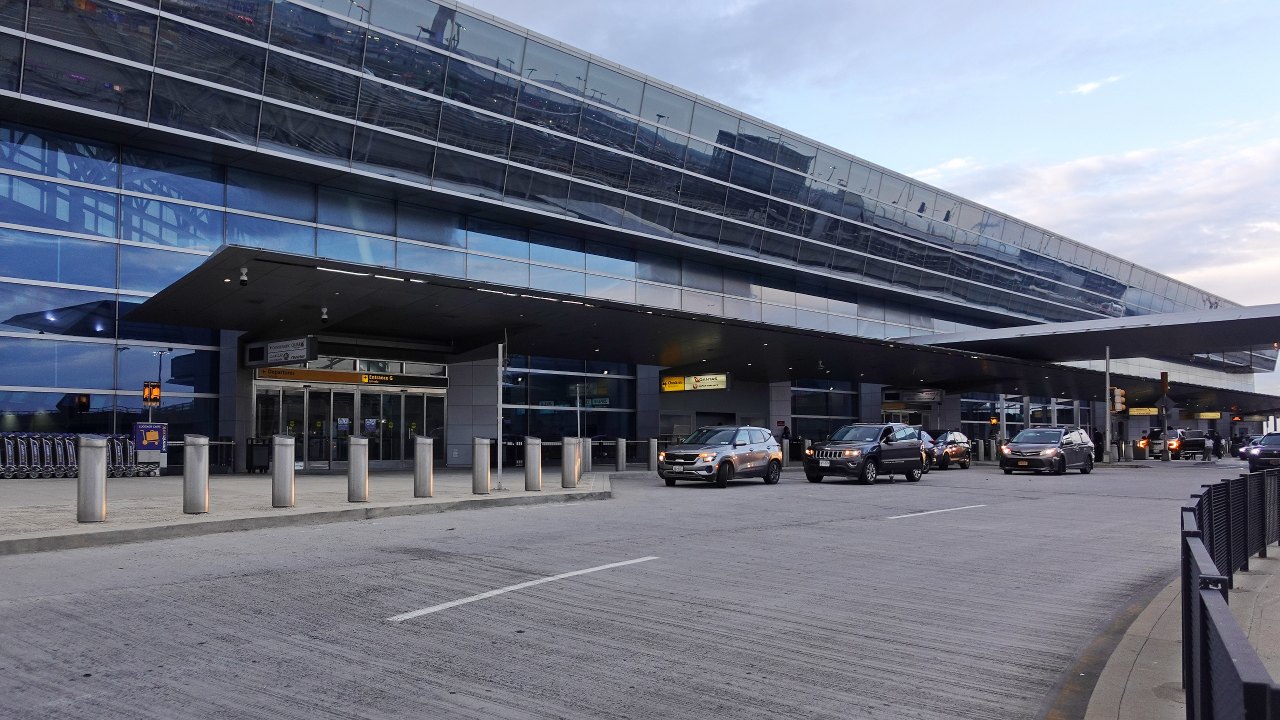
What is happening at JFK is not occurring in a vacuum, and I see the Port Authority’s partnership with private operators as a key part of the story. At John F. Kennedy International Airport, the PORT, AUTHORITY, AND, REVEL, OPEN collaboration has already delivered a new electric vehicle charging station that more than doubled the airport’s fast charging capacity. That earlier project demonstrated that airport authorities and EV operators could work together to carve out space, upgrade power connections, and manage the complex logistics of serving both commercial fleets and individual drivers on tight schedules.
The newly finalized public hub builds on that foundation by extending high volume charging beyond the airport perimeter and into an adjacent site that is accessible to the wider community. Revel’s experience operating large scale fast charging stations, including facilities that rank among the biggest public fast charging stations in the country, gives the JFK project a template for handling heavy throughput and minimizing downtime. By layering the new hub on top of the existing airport focused chargers, the Port Authority and its partners are effectively creating an EV ecosystem around JFK, where drivers can choose between on airport and near airport options depending on price, speed, and convenience.
State funding and the Green Economy Action Plan
New York City’s decision to finalize its largest public charging hub now is closely aligned with a wave of state level funding for EV infrastructure, and I see that timing as deliberate. Earlier in the current buildout cycle, state leaders announced a package of $60 million for electric vehicle charging infrastructure, emphasizing that sustained investment is critical to support the transition to a clean energy economy. That funding stream has helped underwrite projects where companies like Revel broke ground on large fast charging stations, including sites that rank among the biggest in the United States, and it provides a financial backdrop that makes a mega hub at JFK more feasible.
Within the city, the new hub is explicitly framed as part of New York City’s Green Economy Action Plan, a blueprint that links EV charging expansion to job creation and emissions cuts. By embedding the JFK project in that plan, New York City is signaling that the hub is expected to do more than fill a gap in the charging map. It is meant to support training for electricians and maintenance workers, open opportunities for local contractors, and help the city meet its climate targets by making it easier for drivers to switch from gasoline to electric vehicles. I see that integration as a sign that EV infrastructure is now treated as core economic policy rather than a niche environmental add on.
What the hub means for drivers and neighborhoods
For drivers, the most immediate impact of the new JFK area hub will be reliability. The project is designed to host a high number of fast chargers, with reporting pointing to a field of 36 high speed plugs that can serve a constant flow of vehicles. That kind of density matters for ride hail drivers in particular, who cannot afford to gamble on a single charger being available when they need it. With a bank of 36 fast chargers in one place, a driver in a Tesla Model 3, a Hyundai Ioniq 5, or a Kia EV6 can plan a quick stop between airport runs without losing a full hour hunting for an open stall across multiple smaller sites.
The neighborhood context is just as important. Springfield Gardens and the communities around JFK have long lived with the noise and pollution of airport traffic, and I see the new hub as a partial attempt to rebalance that burden by bringing clean energy infrastructure and investment into the area. The Queens Borough Board’s earlier support for a major EV charging hub in Springfield Gardens shows that local leaders are willing to host large projects when they come with clear community benefits, from reduced tailpipe emissions to potential discounts or dedicated access for residents. If the JFK hub follows that model, it could help shift more of the airport related traffic into electric vehicles, cutting local air pollution while giving nearby drivers a powerful new charging option close to home.
More from Fast Lane Only: