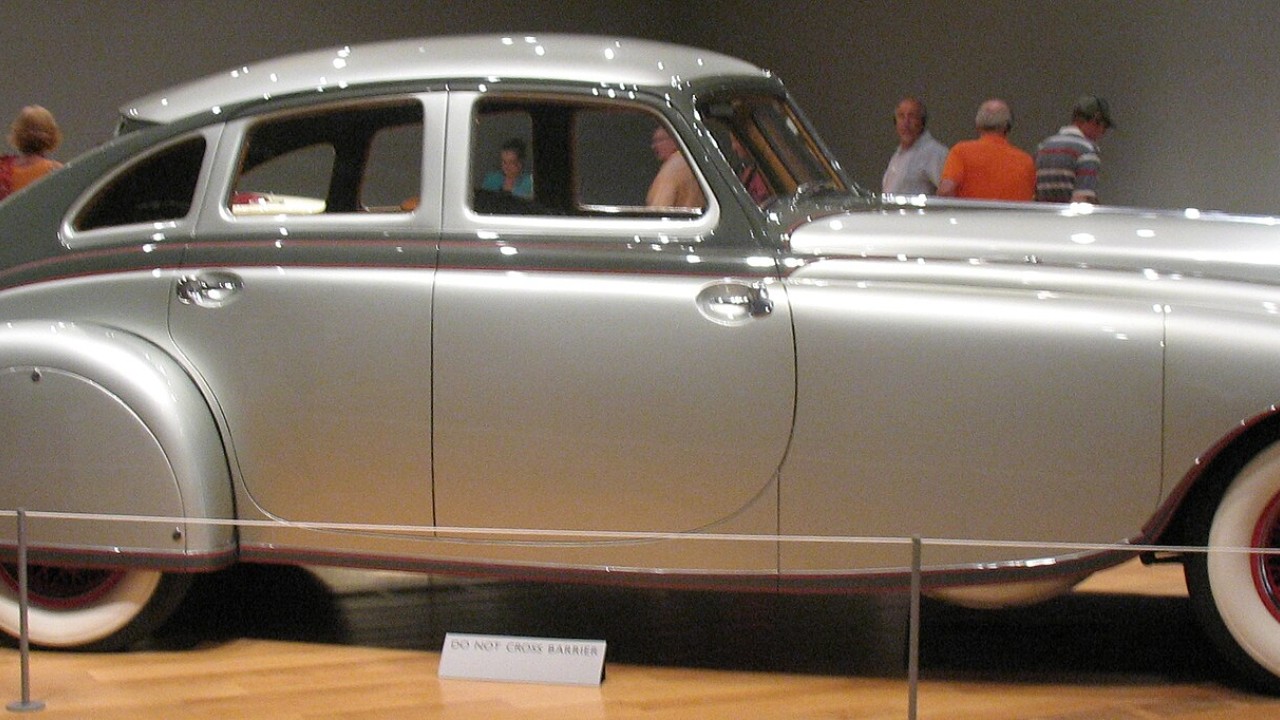
Pierce-Arrow models ran from a tiny one-cylinder runabout in 1901 to a streamlined V12 show car in 1933. In between came an 824-cubic-inch six, record runs at Bonneville and a $10,000 show car. These eight cars trace that path, using the Pierce-Arrow Society’s own history and one marque specialist.
The company started far from cars. George Pierce founded it in 1878 to make household goods such as ice-boxes, birdcages and bathtubs. Later, its skill with wire carried over to bicycles, and then to automobiles.
1. 1901 Pierce Motorette
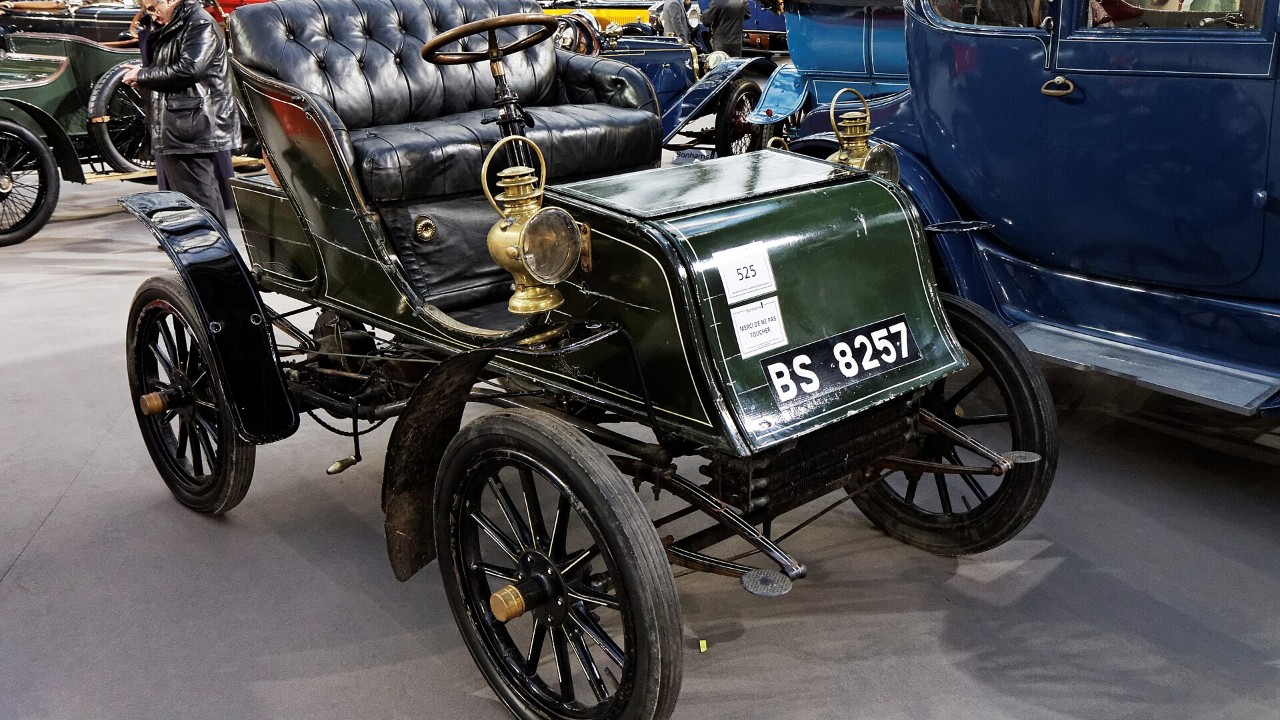
The Motorette was the first production Pierce car. According to the Pierce-Arrow Society, it used a single-cylinder deDion engine of 2 3/4 horsepower.
In 1903, Pierce replaced the deDion engine with one of its own. Altogether, the society’s early history counts about 170 Motorettes built between 1901 and 1903.
2. 1904 Pierce Great Arrow
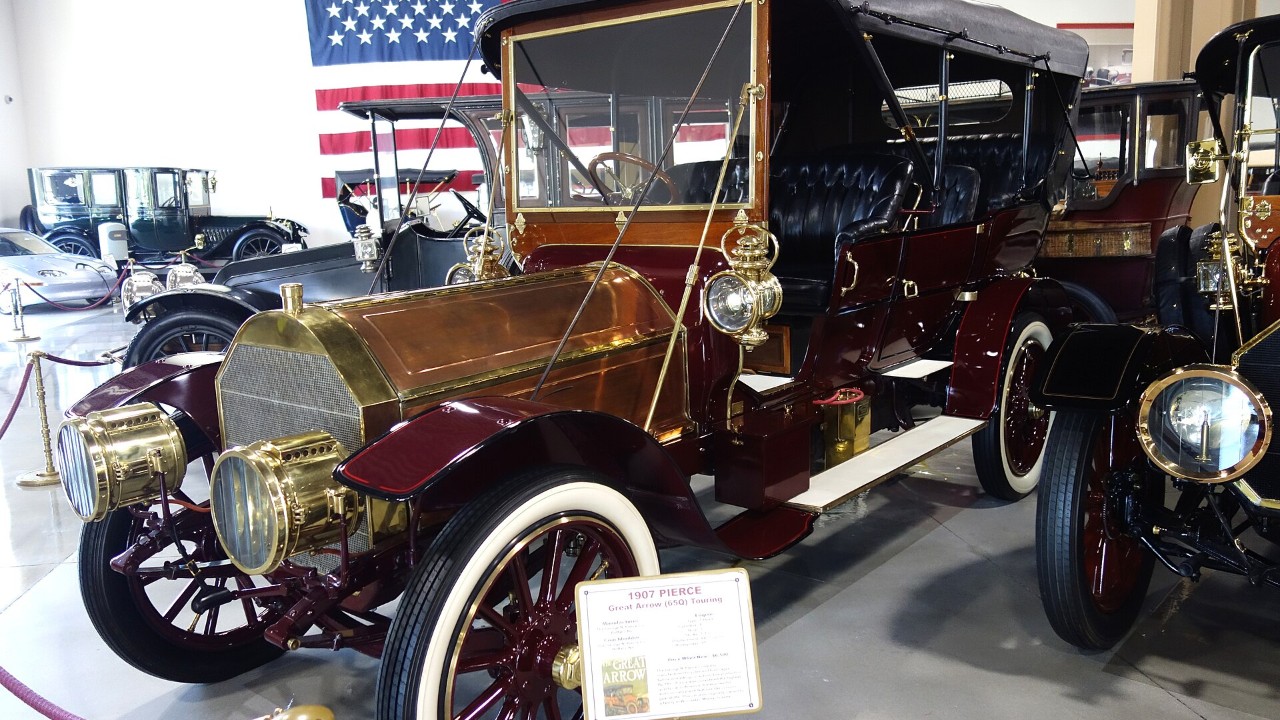
First came the 1903 Arrow, a larger car with its engine up front. It carried four adults on a 15-hp deDion engine, the society’s early history says. Then, in 1904, the Great Arrow arrived with a four-cylinder Pierce engine.
The Great Arrow also introduced cast aluminum body panels, and it cost $4,000. More importantly, it won the first five Glidden Tours. According to the society, those wins built Pierce’s reputation.
3. 1913 Pierce-Arrow Model 66-A-1
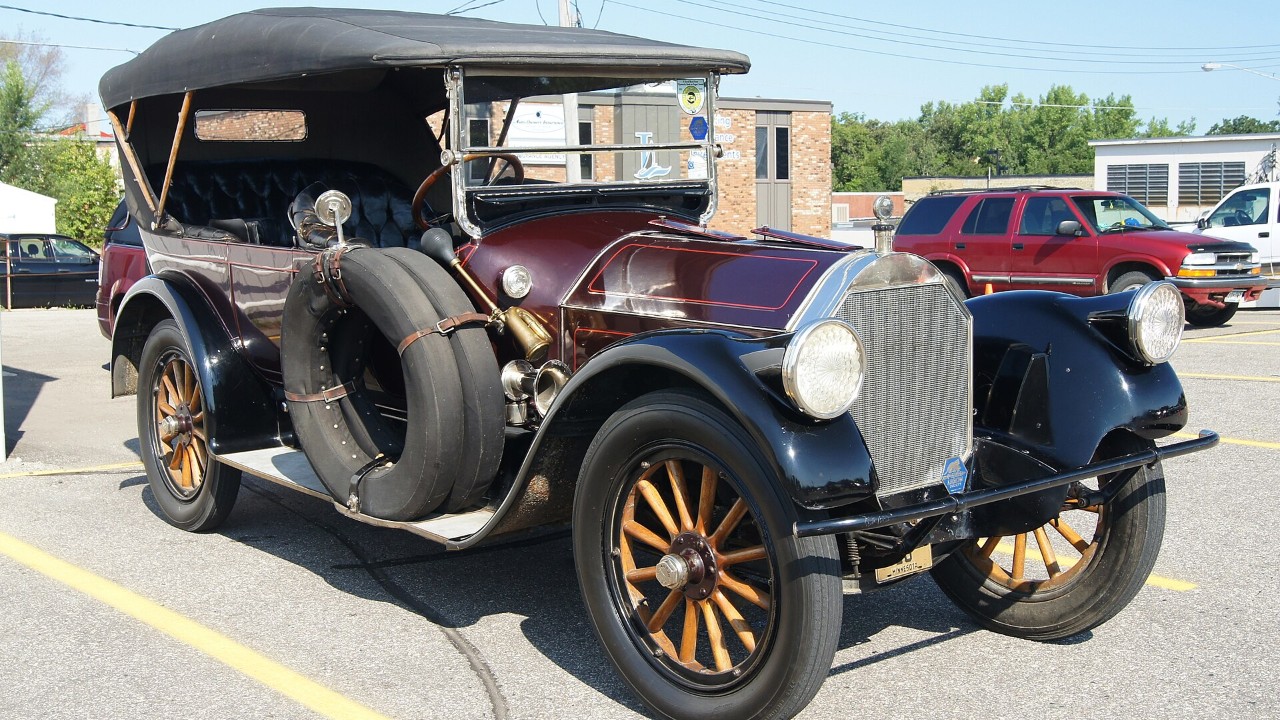
The 66 grew fast. Around 1910, the 66-QQ already used a six with a 5 1/4-inch bore and 5 1/2-inch stroke. By the 1913 Series One 66-A-1, however, the society reports a 5 x 7-inch bore and stroke.
That pushed displacement to 824 cubic inches, on a 147 1/2-inch wheelbase. The society calls it the largest production automobile engine ever made, though it gives no source for that claim. A year later, in 1914, the famous fender-mounted headlamps appeared.
4. 1918 Pierce-Arrow Series Five 48-B-5
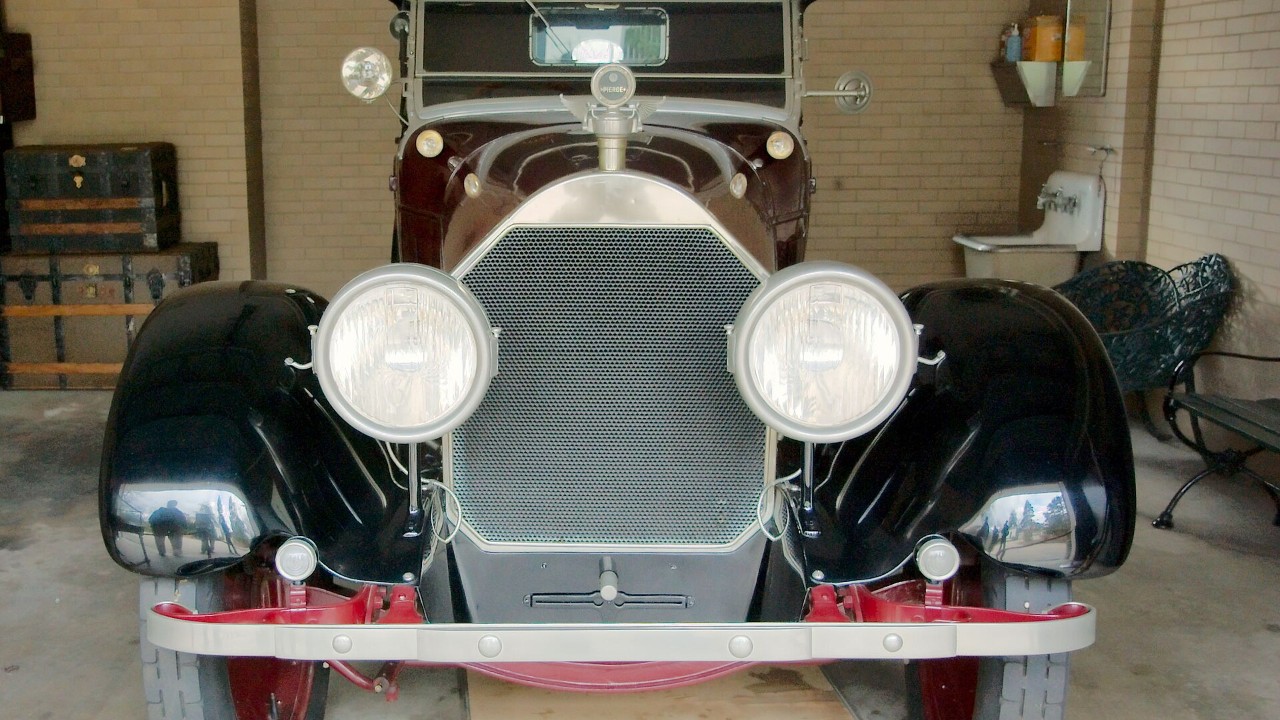
During World War I, Pierce-Arrow built two- and five-ton trucks. The French and English governments ordered them by the hundreds, the Pierce-Arrow Society says. In fact, truck output exceeded car output many times over.
After the war, the Series Five cars arrived in 1918 with a new engine. It had two intake and two exhaust valves per cylinder. At the same time, Pierce dropped the big 66 and the small 38, leaving only the mid-sized 48-B-5. That Dual-Valve Six then stayed in production, with changes, through the 1928 Series 36.
5. 1921–1926 Pierce-Arrow Series 33
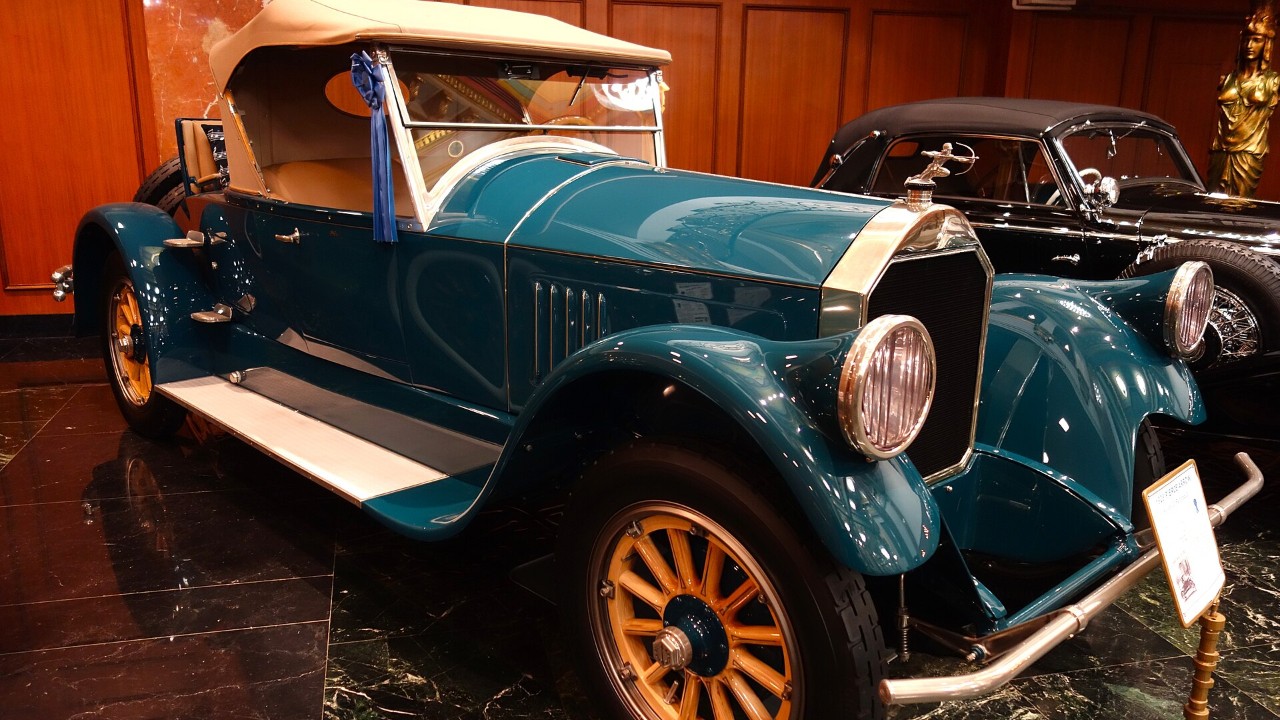
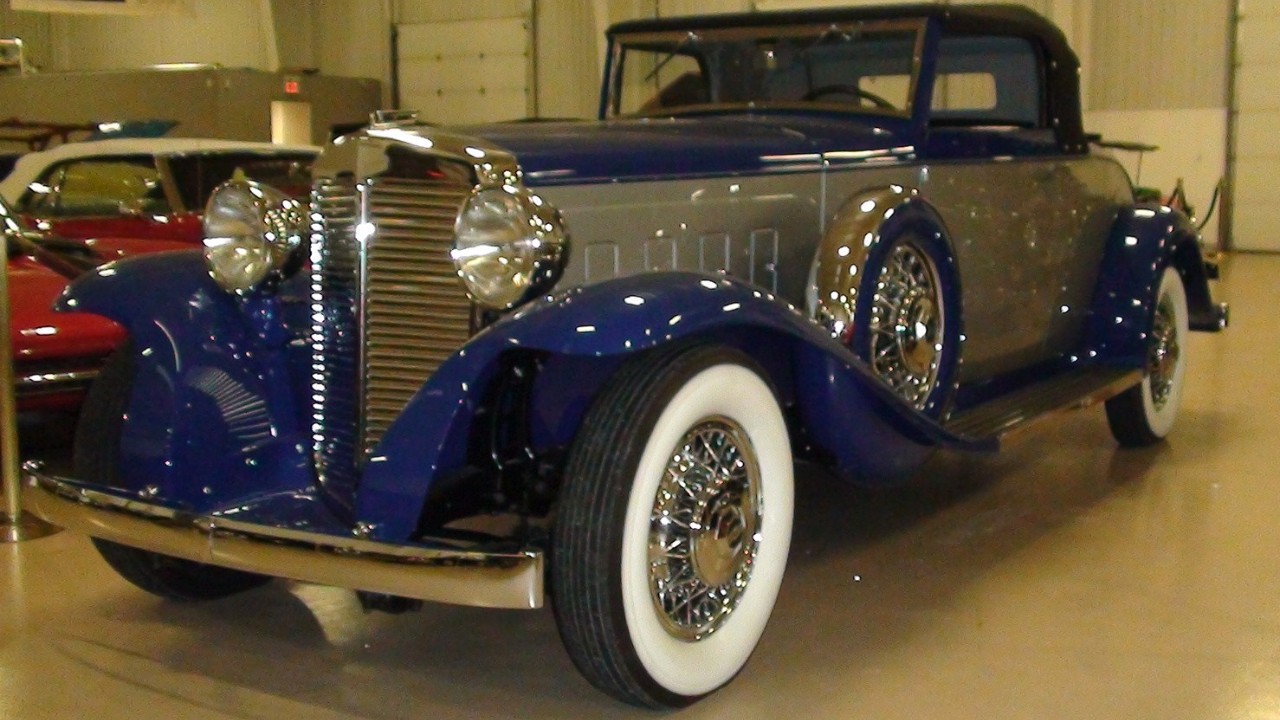
In 1920, Pierce cut about 60 body and chassis combinations down to one chassis with ten factory body styles. The car appeared as the Series 32 in late 1920. Then, after refinements in late 1921, it became the Series 33, according to the society’s 1920s history.
Its Dual-Valve Six had a 4-inch bore, a 5 1/2-inch stroke and 414 cubic inches. It made 100 hp, good for 75 mph and about 12 mpg. Prices started at $6,500 to $8,500, later cut to $5,250 to $8,000. About 6,000 were built before production ended in early 1926.
6. 1929 Pierce-Arrow Models 133 and 143
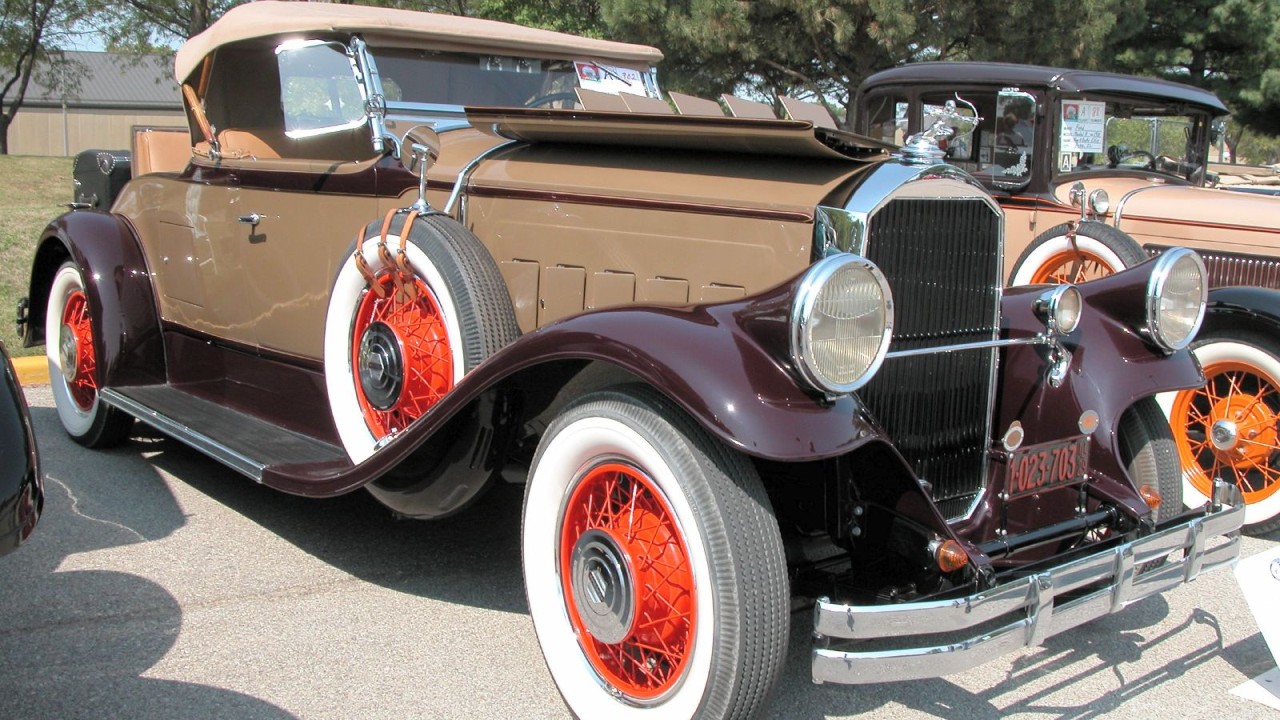
Studebaker bought a controlling interest in Pierce-Arrow in 1928. Soon after, a straight-eight replaced the old six. The Pierce-Arrow Society lists it at 366 cubic inches, 5:1 compression and 125 hp at 3,200 rpm, with an advertised 85 mph.
Both Pierce-Arrow models took their names from the wheelbase. The 133 came in 12 body styles, from $2,875 to $3,325. Meanwhile, the 143 offered seven, from $3,750 to $8,200. As a result, Pierce set a sales record of almost 10,000 cars in 1929.
7. 1932–1933 Pierce-Arrow Twelve
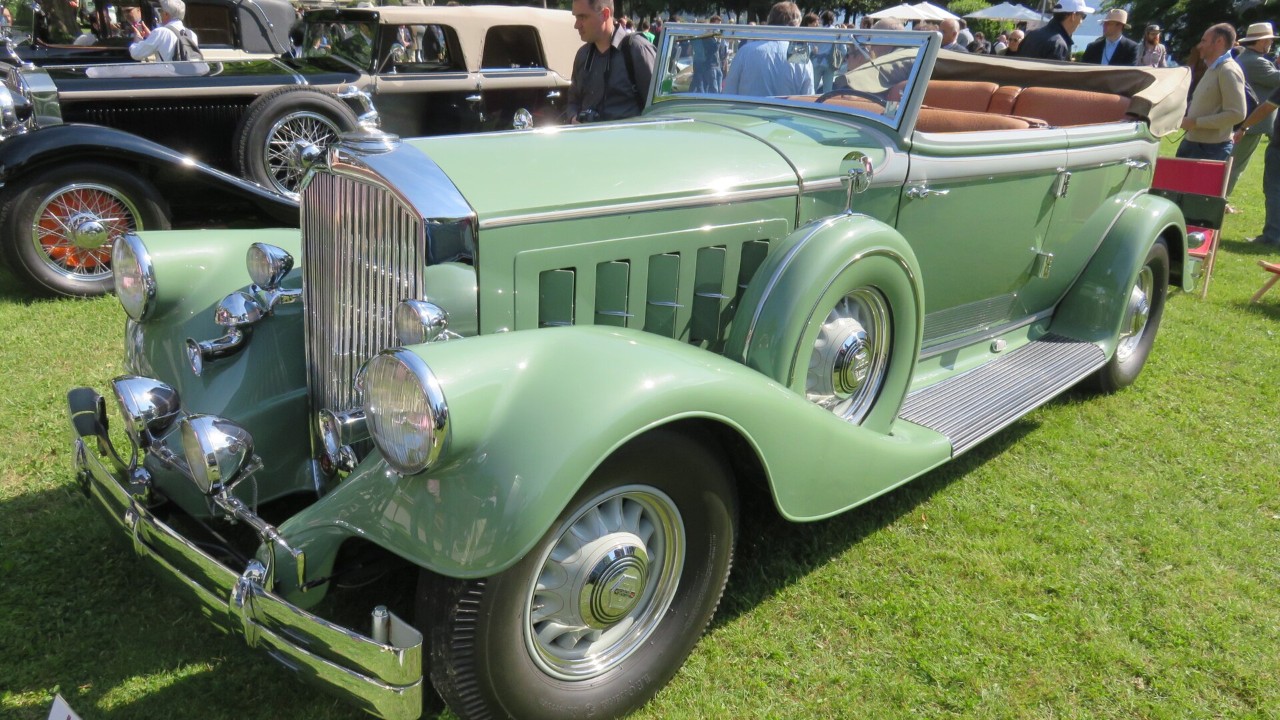
In 1932, two twelve-cylinder engines joined the eight. According to the society, the Model 53 used a 398-cubic-inch V12. The Models 51 and 52, by contrast, used a 429-cubic-inch version.
To publicize the new twelve, Pierce-Arrow sent Ab Jenkins to the Bonneville Salt Flats. An unofficial 24-hour run in 1932 averaged 112.91 mph. Then, in 1933, with AAA observing, Jenkins covered 3,000 miles in 25 1/2 hours at 117 mph and broke 66 official records.
8. 1933 Pierce-Arrow Silver Arrow
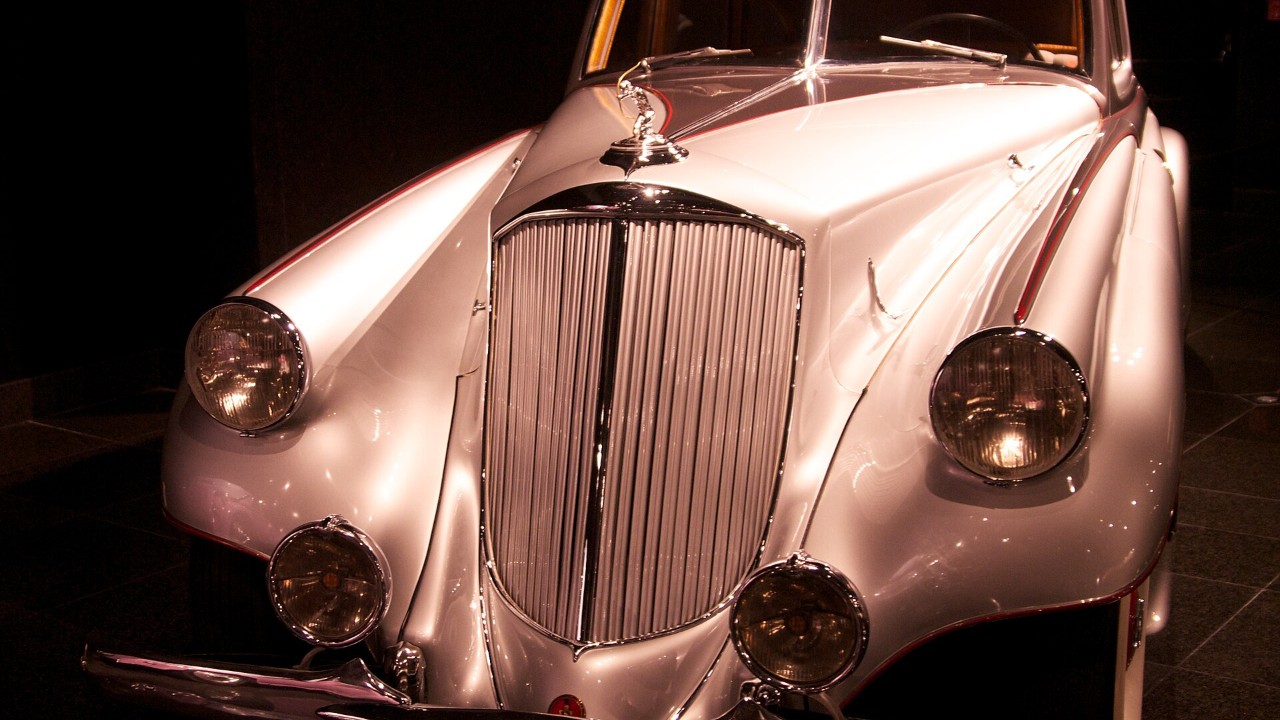
Phillip O. Wright, a designer in his twenties, drew the Silver Arrow after General Motors laid him off in 1932. Mac’s Motor City Garage says Pierce-Arrow built five, with steel bodies hand-formed by 30 men. Each used the company’s most powerful engine, a 462-cubic-inch V12 of 175 hp, and listed at $10,000.
The car debuted at the New York Auto Show in January 1933. Later, a second car appeared at Chicago’s 1933 Century of Progress fair, promoted as “the car of 1940.” It also hid its spare tires inside the front fenders. Of the five Silver Arrows built, Mac’s reports that three survive.
More from Fast Lane Only
- Unboxing the WWII Jeep in a Crate
- 15 rare Chevys collectors are quietly buying
- 10 underrated V8s still worth hunting down
- Police notice this before you even roll window down
This article was created with the help of AI and was reviewed and edited by Fast Lane Only editors before publication.