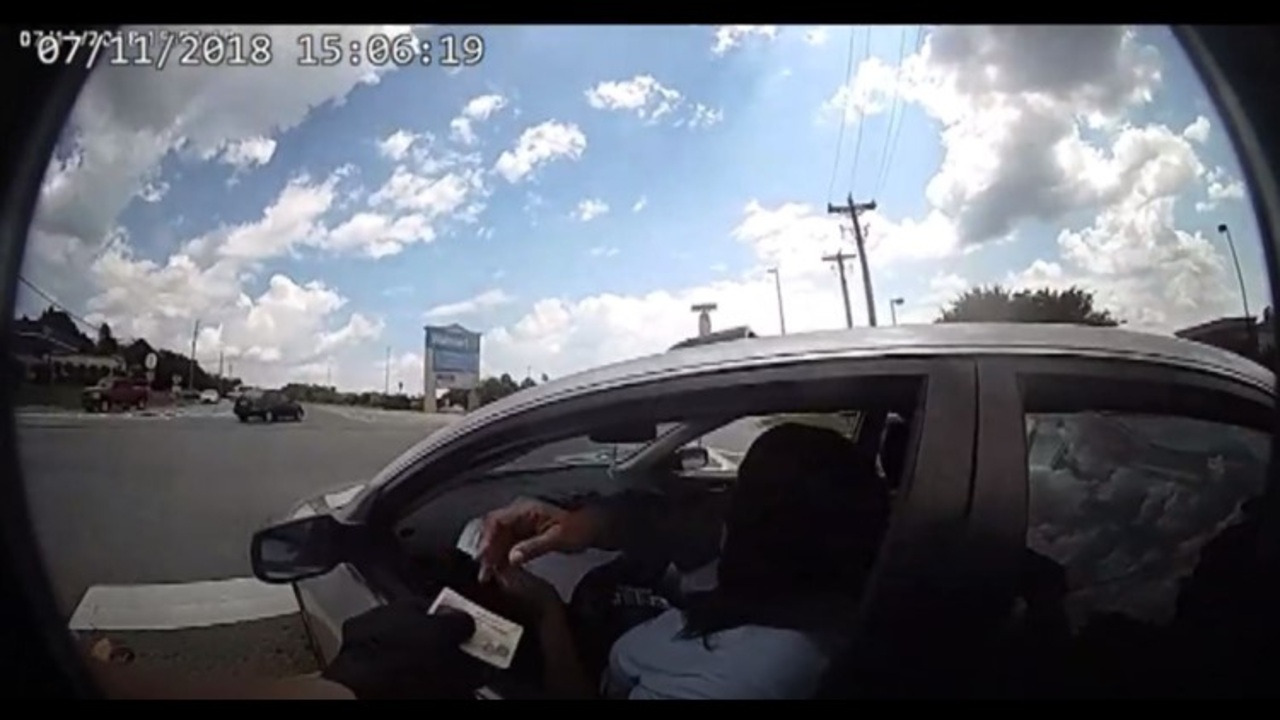
Police dashcam footage from a Warner Robins traffic stop has ignited a debate over how Georgia troopers use their authority and how quickly agencies respond when video contradicts an officer’s account. What began as a routine ticket has grown into a broader test of public trust, as civil rights advocates, state officials, and the driver at the center of the stop wrestle with what accountability should look like when cameras are rolling.
The viral clip, recorded during a high‑visibility enforcement push in the city, shows an encounter that many viewers judged as unnecessarily aggressive and potentially unlawful. After intense online scrutiny, the Georgia State Patrol dismissed the citation, but the fallout has continued to ripple through Warner Robins and beyond.
The traffic stop that went viral
The controversy traces back to a Thunder Task Force operation in Warner Robins, where troopers were saturating local roads as part of a targeted traffic enforcement effort. During that operation, an Uber driver named Law Dixon was pulled over, and the interaction captured on the patrol car’s dashcam quickly spread across social media once shared online. The footage, which shows the full sequence of the stop from the trooper’s approach to the eventual citation, became a focal point for residents who felt the conduct on display did not match the minor traffic allegation at issue, according to reporting on the Thunder Task Force stop.
Video of the encounter, described as “Video of a traffic stop in WARNER ROBINS, Ga.”, drew rapid attention as Thousands of people watched or re‑shared the clip, turning a local incident into a statewide talking point. In interviews after the footage spread, Dixon reflected on how quickly a routine ride for a passenger turned into a confrontation with law enforcement and how the eventual dismissal of the ticket did not erase the stress of the stop itself, as detailed in coverage of the viral Warner Robins traffic stop.
From citation to dismissal
Once the dashcam clip began circulating, online criticism focused on whether the trooper had probable cause for the stop and whether the tone and tactics used were proportionate to the alleged violation. As the public reaction intensified, the Georgia State Patrol reviewed the incident and ultimately chose to dismiss the ticket that had been issued to Dixon during the Thunder Task Force operation. That decision, described in accounts of how the Georgia State Patrol dismisses ticket after controversial dashcam video goes viral, signaled that the agency was not prepared to defend the citation in court once the full recording was scrutinized.
However, the dismissal did not come with a detailed public explanation. When local reporters sought an interview with the Georgia State Patrol office about why the charges against the Uber driver were dropped, the agency declined to participate, according to coverage that highlighted how the Georgia State Patrol office declines to interview after dismissing Uber driver charges. That silence left community members to draw their own conclusions about whether the reversal reflected an admission of error, a desire to avoid litigation, or a broader concern about the optics of defending the stop in the face of widespread criticism.
Community outrage and NAACP pressure
As the video circulated, local civil rights leaders moved quickly to frame the incident as part of a larger pattern rather than an isolated misstep. The Houston County NAACP organized a press conference, where representatives described the stop as emblematic of the kinds of encounters that erode trust between Black residents and law enforcement. In recorded remarks from that event, speakers referenced a situation involving state troopers who pulled over a driver “believe last week,” underscoring how fresh the incident was in community memory and how urgently they viewed the need for change, as seen in the press conference video from Feb.
At the same time, Houston County NAACP president Johnson urged anyone who received citations during Operation Thunder to come forward, signaling that the organization suspected other questionable stops might have occurred under the same enforcement umbrella. Johnson encouraged those drivers to contact either the NAACP or the Georgia State Patrol with their concerns, effectively turning the Warner Robins clip into a catalyst for a broader review of Operation Thunder practices. Reporting on how the Houston County NAACP calls for accountability after viral Warner Robins traffic stop makes clear that local advocates see the dismissed ticket as only the first step in a longer push for transparency and reform.
What the dashcam debate reveals about policing
The Warner Robins episode illustrates how dashcam technology, once promoted primarily as a tool to protect officers from false complaints, has become a double‑edged instrument of accountability. In this case, the same recording that documented the trooper’s actions also provided the public with a detailed view of the stop, allowing viewers to judge for themselves whether the conduct aligned with department policy and community expectations. The fact that the Georgia State Patrol chose to void the citation after the footage went viral suggests that internal assessments can shift quickly when video evidence is no longer confined to agency review, as reflected in accounts of the ticket dismissal following the dashcam controversy.
At the same time, the agency’s refusal to publicly explain its reasoning highlights a persistent tension in modern policing: departments are increasingly compelled to release or respond to video, yet they often remain reluctant to discuss disciplinary decisions or tactical evaluations in detail. For residents of Warner Robins who watched Thousands of views accumulate on the clip labeled “Video of a traffic stop in WARNER ROBINS, Ga.”, the lack of a clear narrative from the Georgia State Patrol has left a vacuum that community groups like the NAACP are eager to fill. Their calls for other Operation Thunder drivers to step forward, documented in coverage of NAACP accountability efforts, show how one dashcam recording can become a rallying point for a wider examination of traffic enforcement tactics.
Next steps for Warner Robins and Georgia State Patrol
For Warner Robins residents, the immediate question is whether the Georgia State Patrol and local partners in operations like Thunder Task Force will adjust their approach in response to the backlash. The dismissal of Dixon’s ticket resolved the legal dispute for one driver, but it did not address broader concerns about how troopers select vehicles for stops, communicate with motorists, or document their decisions. Community members who watched the viral footage and then saw the agency decline interviews, as noted in reports that the Georgia State Patrol office declines to interview, are now looking for more proactive engagement, whether through town halls, policy briefings, or clearer complaint processes.
Civic institutions in central Georgia have channels for residents to share concerns, from formal complaints to direct outreach to local newsrooms that invite the public to “Talk To Us” and “Share It” through posted phone numbers such as 478 and 745, as referenced in a News WMGT Talk To Us page. The Houston County NAACP’s push for anyone cited during Operation Thunder to contact either the NAACP or GSP suggests that advocates intend to use those channels aggressively, gathering patterns of alleged misconduct rather than treating the Warner Robins video as a one‑off. Whether the Georgia State Patrol responds with greater transparency, revised training, or new guidelines for large‑scale traffic operations will determine if the viral dashcam moment becomes a turning point in how traffic enforcement is carried out and perceived in Warner Robins and across Georgia.
More from Fast Lane Only