Police across the country are zeroing in on a lane-change habit you probably see every commute: treating the left lane like your personal cruising strip and weaving in and out of traffic without much thought. You might think you are simply keeping up with the flow, but agencies are tying this behavior to rising crash risks and backing that concern with targeted enforcement, higher fines, and new traffic laws. If you keep drifting or darting between lanes, you are stepping directly into the crosshairs of those efforts.
As traffic rebounds and congestion returns, you are driving in a moment when patience is thin and cameras, undercover cars, and social media videos are all being used to catch unsafe moves. The way you slide into the left lane, pass slower traffic, or squeeze onto the shoulder is no longer just a matter of etiquette. It has become a ticket risk that is growing by design.
Why your left lane habit is suddenly a ticket magnet
When you settle into the left lane and stay there, you change how everyone around you drives, even if you never touch the gas pedal again. States are increasingly treating that habit as a safety problem, not just a nuisance, because it encourages tailgating, sudden lane changes, and aggressive passing on the right. In Illinois, for example, Illinois State Police go undercover specifically to spot drivers who linger in the left lane or move there unsafely, and those drivers can be fined up to 120 dollars. You feel that pressure any time you come up behind a rolling roadblock and watch the pack behind you stack up.
Lawmakers are leaning into this focus because drivers have been vocal about their frustration with slow traffic that clogs the passing lane. In Jun, one state moved to crack down on slow left lane drivers with higher fines, betting that the threat to your wallet will do what courtesy campaigns have not and finally push you back into the right lane once you finish passing. The same mindset shows up in national discussions of new rules, where left lane discipline is framed as a basic expectation, not a suggestion, and where you are told plainly that the left lane is for passing, not camping.
Improper lane usage: the quiet charge that follows you
Even if you never get pulled over specifically for sitting in the fast lane, you are more exposed than you might think to a broader charge that police treat as a workhorse: improper lane usage. In Illinois, that label covers failing to stay within a single lane or changing lanes unsafely, and it appears in social media explainers that warn you that a simple drift over the line can trigger a citation under section 625 of state law. One legal breakdown of improper lane usage in Illinois highlights that what looks like a minor issue on the road can quickly become a major problem on your record once it is written up as a moving violation.
Another legal overview spells it out even more clearly for you by pointing to 625 and 709 in the statute, explaining that Improper Lane Usage in Illinois is More Serious Than You Think Under ILCS and that the ticket is often paired with other allegations after a crash or a stop. If you change lanes without checking your blind spot, swing across multiple lanes to make an exit, or ride the dotted line while you glance at your phone, you are giving an officer a straightforward reason to pull you over and a charge that is easy to justify in court. The habit might feel small in the moment, but it gives police a flexible tool they are increasingly ready to use.
The new enforcement playbook on expressways and shoulders
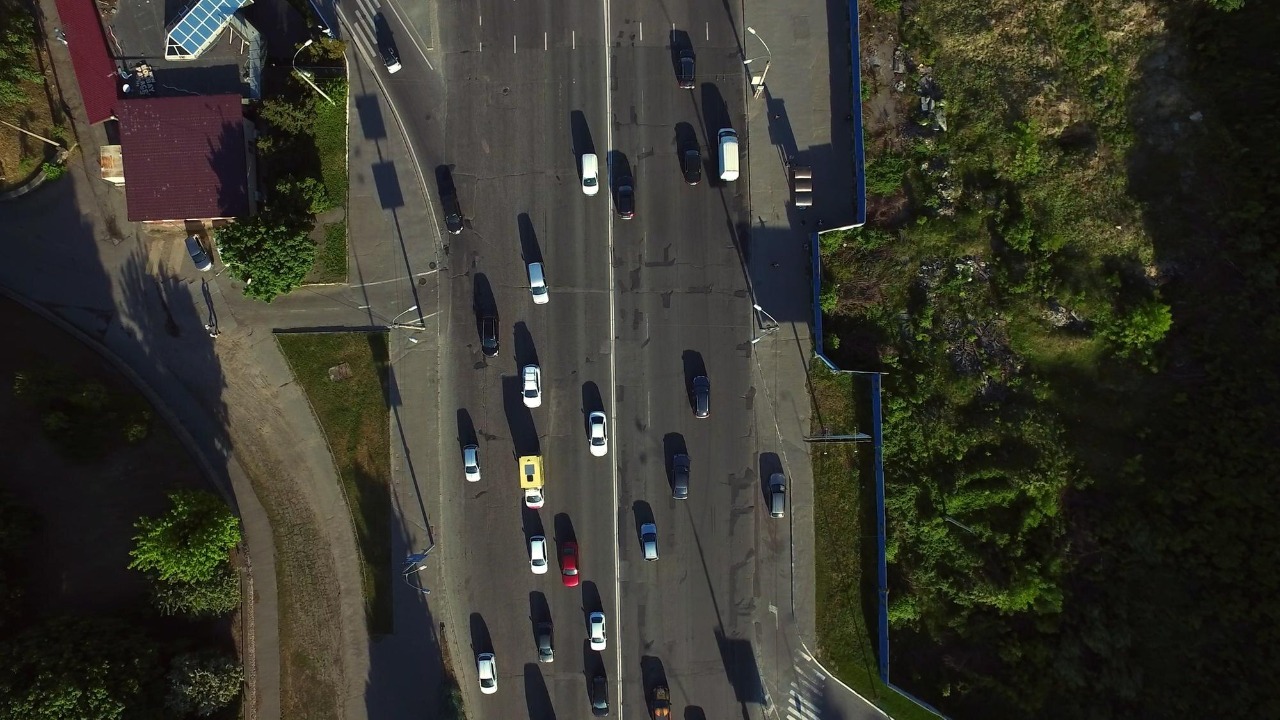
On crowded expressways, you are now driving through what amounts to an active enforcement zone, especially around Chicago. Cook County agencies have publicly flagged a common violation on expressways and have warned that they will be watching for it more closely, putting you on notice that weaving and improper lane changes are no longer likely to earn just a warning. In one video shared with drivers, Cook County officials talk directly about the behavior they see every day and explain that they are stepping up patrols to deal with it, a message that lands hardest if you regularly commute through Chicago traffic and follow Trending or Streaming News updates.
That attention does not stop at the painted lanes. On the Eisenhower, drivers know how tempting it is to shoot down the shoulder when traffic backs up, especially when your navigation app shows a delay of 40 m from Route 39 m into the city. The Cook County Sheriff has responded with a high tech sting that targets exactly that move, a Shoulder crackdown that uses cameras and coordinated teams to spot drivers who treat the emergency lane as a shortcut. When you slide onto the shoulder to get around a jam, you are not just bending etiquette, you are stepping into the focus of the Cook County Sheriff, who has made clear that On Aug the Sheriff Offic began treating that behavior as a priority safety problem.
Distraction, signaling, and the everyday mistakes that get you stopped
Even when you think you are being polite and efficient, small lapses can turn your lane change into a ticket. Traffic safety researchers and lawyers point to several patterns that show up again and again in crash reports and citations, and they look a lot like everyday driving. One educational handout lists Failure to use turn signals before changing lanes and Changing lanes in an intersection as two of the most dangerous maneuvers you can make, because they rob other drivers of the time they need to react. If you skip the signal because you think no one is around, or you dart across lanes to catch a turn, you are matching the exact behavior that enforcement campaigns are built to catch.
On top of that, Distracted Driving is now treated as a major cause of improper lane change tickets, and it covers far more than just texting. When you glance down to adjust Spotify, swipe on Google Maps, or reach for a dropped fries box, you are effectively driving blind for a moment, and your car tends to wander. One breakdown of the Causes of an Improper Lane Change Ticket in Florida points to those quick distractions as a key reason drivers drift out of their lane or cut someone off without realizing it. If an officer sees you cross the line while your eyes are on your phone, the combination of distraction and improper lane usage gives them a clean, documentable reason to pull you over and write a ticket that will be hard for you to fight.
Move Over rules and the bigger shift in how you are expected to change lanes
Your lane change habit is also colliding with a broader shift in how states expect you to behave around stopped vehicles and emergency scenes. In Illinois, Scott’s Law, commonly known as the Move Over law, requires you to slow down and change lanes if it is safe when you approach any stationary authorized emergency vehicle or any car with hazard lights on. A recent update from a sheriff’s office explains that beginning Jan 1, the Move Over protections expand for all authorized vehicles and that the expectation is simple: you give them space by moving over or you risk a steep penalty. If you are used to holding your lane and sailing past flashing lights without adjusting, you are now out of step with that standard.
More from Fast Lane Only