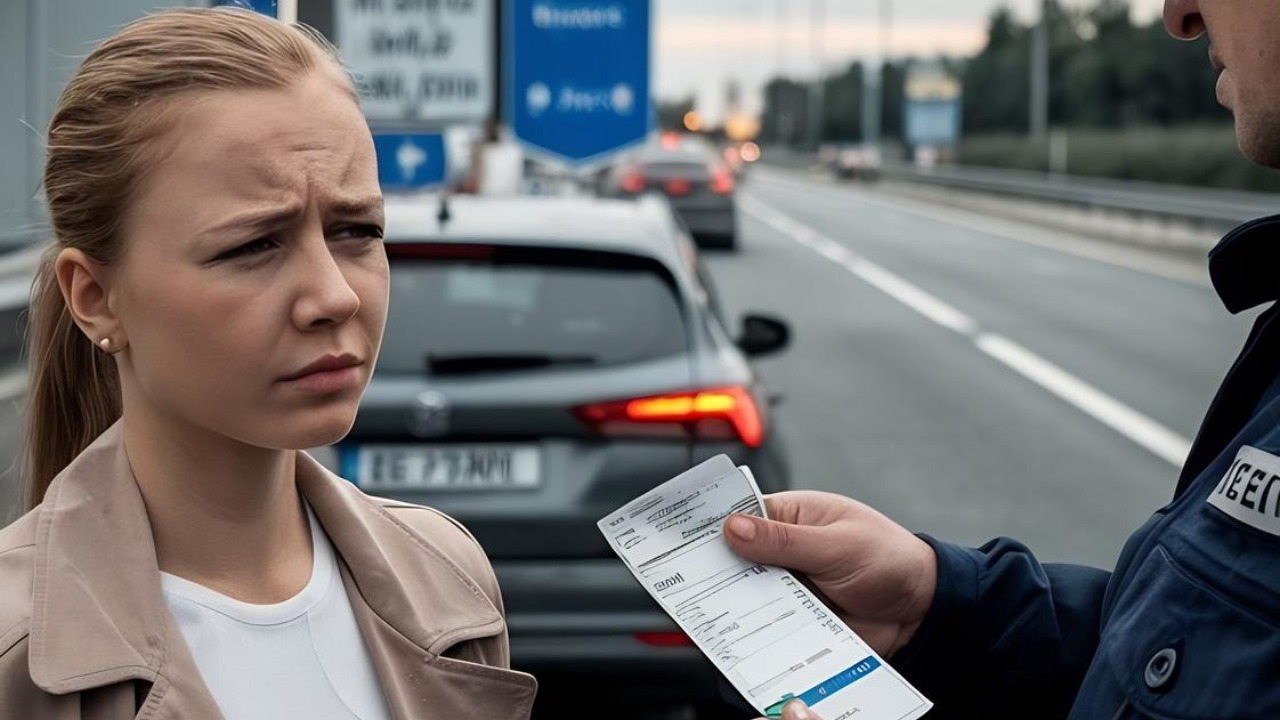
You probably think sliding your car up close to a corner is just smart use of a tight city block. In 2026, that familiar habit is exactly what is putting more tickets on windshields, as cities treat those few feet near crosswalks as safety zones instead of overflow parking. Keep parking where you always have and you risk getting caught by new rules, sharper enforcement and even cameras that never blink.
The shift is most visible on the West Coast, where “daylighting” laws are turning once-tolerated curb space into expensive no-go territory. Drivers are now expected to leave a clear buffer near intersections so people walking and biking can be seen, and police departments are warning that the grace period is over. Understanding how that works, and how it connects to a broader crackdown on parking habits, can save you a lot of money and stress.
How your go-to corner spot just became illegal
The common habit at the heart of the spike in tickets is simple: you pull your car right up to the crosswalk or intersection, especially in crowded neighborhoods where every space feels precious. Under new daylighting rules, that space is no longer yours to use. In California, a new law highlighted in a Dec warning makes it clear that if you park too close to certain corners, you can expect a ticket starting Jan 1, 2025. That means the curb that looked like fair game yesterday might now be treated as a safety buffer, even if the paint on the pavement has not caught up yet.
At the center of this shift is California Assembly Bill 413, often called the Daylighting law. You are no longer allowed to stop, stand or park within a set distance of crosswalks and intersections, even if you see an open curb and no red paint. Earlier, officers focused on warnings, but coverage of that Dec rollout stressed that you now have to “park in the designated areas” or risk a citation for not following the daylighting rules. If you are used to squeezing your SUV or your older Honda Civic into the last sliver of curb before a corner, that habit now fits the definition of a violation.
What “daylighting” actually means for your parking routine
Daylighting is a traffic safety idea that treats visibility as non‑negotiable. Instead of letting parked cars hug a crosswalk, the law forces you to leave a clear zone so drivers can see people stepping off the curb and so cyclists are not hidden behind a parked vehicle. California Assembly Bill 413 daylighting rules spell that out by banning stopping or parking within a defined distance of crosswalks so drivers can see pedestrians and bicyclists entering the intersection. If you are used to judging by eye, you now have to think in terms of measured space, not just whether your bumper sticks out into the crosswalk.
Guides to intersection rules explain that in much of the United States, local codes already limit how close you can park to a corner, even if the curb is not painted red or yellow. One overview of Parking near intersections notes that many cities expect you to stay back a specific distance from crosswalks, stop signs or traffic lights, and that those distances can vary widely across the United States. Daylighting laws are essentially taking that idea and making it more visible, more consistent and much more enforced, which means you need to build those invisible lines into your daily parking routine.
Tickets are already piling up where daylighting is enforced
If this still sounds theoretical, you only have to look at San Diego to see how quickly the tickets add up. A post from Apr described how The San Diego Police Department’s Parking Enforcement team had already handed out PPD ENFORCING New 413 with 4,200 tickets in the first two months. The post warned that officers were ENFORCING the new rules to keep streets safe, and it was shared with the kind of urgency you usually see when a speed camera goes live. If you drive through that city and still treat corner space as a bonus spot, you are stepping straight into a proven ticket trap.
Follow-up coverage of the same law described how the daylighting parking rules drew thousands of tickets in San Diego, with La Jolla among the hardest hit neighborhoods. Reporting by Wiley Jawhary explained how Daylighting rules in San Diego translated into thousands of citations, and how La Jolla drivers in particular felt the squeeze as familiar curb space suddenly disappeared. That kind of local example shows you what happens when a city flips the switch from warnings to full enforcement, and it is a clear sign that your own neighborhood could be next.
Fines, cameras and neighbors are raising the stakes
Once the law is in place, the financial hit can arrive fast. In Sacramento, coverage of California’s daylight rules pointed out that drivers who ignore the new requirements can face $25 fines for parking in what are now zero no‑parking zones. That might sound small, but a couple of tickets in a month can easily blow your fuel budget, and repeated violations can feed into higher penalties or even towing. Another report on a separate program described how drivers risk $250 tickets that are issued automatically by cameras on public vehicles, part of a pilot project aimed at catching drivers who block bus lanes and slow traffic. Once cameras are in the mix, your chance of slipping by with a risky parking move drops sharply.
Technology is reshaping how your car is spotted and cited. A review of Trends Shaping the notes that License Plate Recognition (LPR) Technology is now a core tool, with LPR systems automatically identifying vehicles, checking for violations and even flagging unpaid tickets. In Chicago, a proposal described how residents could use an app to help ticket violations, with By Randy Gyllenhaal explaining that a person who spots a problem could alert a parking enforcement aid nearby. Put together, that means your neighbor with a smartphone or a passing bus with a camera can both become part of the enforcement web that catches you when you roll the dice on a corner space.
Why cities say they are cracking down and how you can adapt
Officials argue that the new rules are about safety first, not revenue. One detailed guide to Assembly Bill 413 in the Bay Area explained that the law is meant to keep sightlines clear so drivers can see people entering crosswalks, and that cities are moving from warnings to tickets as they start enforcing daylighting more strictly. A national overview of More tickets, fewer described a broader National crackdown on daylighting that ties the rules to Traffic Safety, with officials arguing that losing a few parking spots is worth it if it prevents crashes. You might feel like the city is just coming after your wallet, but the policy is being sold as a way to protect people in the crosswalk ahead of your hood.
At the same time, some experts warn that the combination of cameras, apps and stricter rules can create a flood of citations that cities start to rely on. One analysis of Automated enforcement cautioned that these systems can lead to an explosion in the number of tickets issued, which risks increasing lawmaker dependence on ticket revenue. You see that tension in places like Milwaukee, where officials are targeting drivers with multiple unpaid tickets: one report described how Milwaukee cracking down on people with 5 or more unpaid parking tickets, and another story explained that Milwaukee officials are urging 28,000 habitual offenders to pay up, saying the city could collect nearly $9.3 million. For you, that means a forgotten ticket on a daylighting violation can quickly snowball into booting, towing or a serious dent in your finances.
More from Fast Lane Only