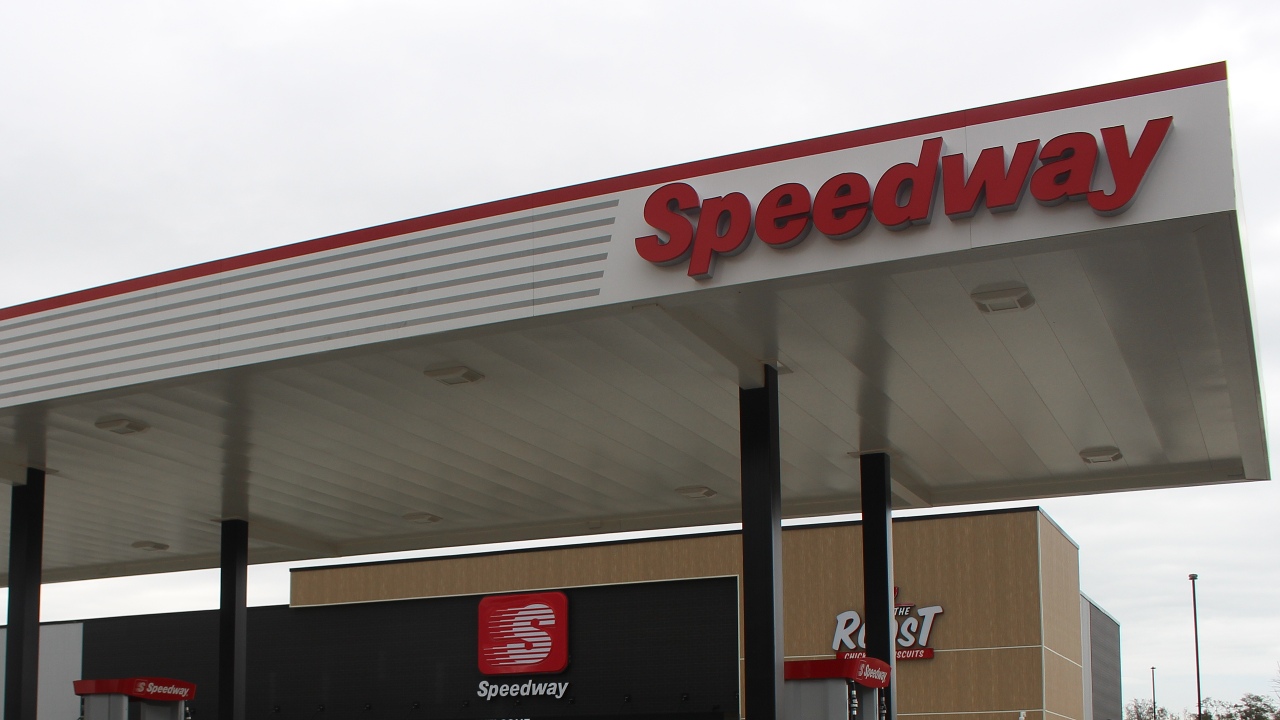
A Minnesota gas station that ordered federal immigration agents off its property has become a flashpoint in a state already roiled by aggressive enforcement tactics and street protests. The confrontation, captured on video and amplified online, has triggered calls from conservatives to “put them out of business” and counter‑calls from immigrant rights supporters to treat the station as a rare local line of resistance. The clash over one forecourt near Minneapolis now sits at the center of a much larger fight over who gets to decide how immigration enforcement operates in local communities.
The gas station standoff that lit the fuse
The controversy began when a group of federal immigration officers and U.S. Border Patrol personnel pulled into a Speedway near Minneapolis and were told to leave by staff, according to multiple accounts of the incident. A video that spread widely on social media appeared to show employees refusing service to the agents and directing them off the property, prompting cheers from some customers and sharp criticism from others who saw the move as an attack on law enforcement. Activists later circulated posts declaring “YES, Minneapolis KICKED OUT Bovino & ICE from a gas station,” identifying one of the officials present as Border Patrol Commander Greg Bovino and describing a tense exchange as the officers departed.
Federal officials and conservative commentators quickly framed the episode in stark terms, arguing that the agents had been harassed while simply trying to do their jobs. One account described how agitators confronted the officers at the gas station, pelting them with food and spit as they tried to leave, and said the Department of Homeland Security viewed the harassment as part of a broader pattern of stalking federal personnel at local businesses. Another description of the same incident spoke of a “CROWD FORCES ICE TO FLEE Gas Station in Minneapolis,” underscoring how opponents of the enforcement surge saw the confrontation as a rare moment when residents were able to push back and force ICE and Border Patrol to retreat from a neighborhood space.
Calls for boycotts and the “Bud Light” warning
Once the video from the Speedway near Minneapolis began circulating, the political reaction was swift. Conservative users on X accused the chain of discriminating against federal officers and warned that the brand would “end up Bud Lighted,” a reference to the consumer backlash that hit the beer maker after it was targeted by right‑wing activists. One widely shared post urged supporters to “Put Them Out of Business,” turning the gas station into a proxy for a broader grievance that federal agents were being vilified rather than supported. Commenters framed the refusal of service as an attack on national security and argued that any business that sided with immigration protesters should face economic punishment.
Supporters of the Speedway employees countered that the station had the right to decide whom it served, particularly in the context of an enforcement surge that many residents view as abusive. A detailed account of the boycott debate noted that, technically, it is not illegal for a private business to refuse service to federal immigration agents, so long as the decision does not violate other civil rights protections. That nuance did little to cool tempers. One write‑up about the backlash described how the phrase “Put Them Out of Business, Minnesota Gas Station Faces Boycott After Kicking ICE Agents Out” captured the fury of critics, while immigrant advocates seized on the same phrase as evidence that local workers were being punished for standing with vulnerable neighbors.
A city already on edge over ICE tactics
The gas station showdown did not occur in isolation. It unfolded amid a broader enforcement push in Minnesota that has left parts of Minneapolis on edge and deepened mistrust between residents and federal agents. In one recent incident, federal immigration officers shot and killed a 37-year-old man, identified as Alex Pretti, in Minneapolis on a Saturday, an event that drew immediate crowds to the scene. People gathered near the site of the shooting and along nearby streets as federal agents deployed tear gas and pushed demonstrators back, according to detailed descriptions of the confrontation. State investigators and BCA officers were later seen standing near and on the roadway where the shooting occurred, underscoring how quickly the incident escalated into a major public safety and political crisis.
Another account of the same enforcement surge described how ICE and other federal agents faced off with Minneapolis residents and protesters after the fatal shooting. Reporting by Cheryl W. Thompson noted that the man killed by officers had been an ICU nurse and Minneapolis resident, and that the standoff between agents and community members continued into the evening. The timeline, marked in one report as “Updated January 24, 2026 6:48 PM ET,” captured how rapidly events were unfolding and how quickly the city’s streets were becoming contested ground. For many locals, the image of federal immigration agents working behind police tape while People gathered in grief and anger has become inseparable from the later images of officers being told to leave a neighborhood gas station.
From one forecourt to a statewide “ICE Out of Minnesota” push
The Speedway incident also intersected with a growing statewide campaign to push federal immigration enforcement out of Minnesota altogether. Organizers have rallied under slogans like “ICE Out of Minnesota,” urging businesses to shut down in solidarity and residents to refuse cooperation with federal raids. One report described how businesses planned to close as part of a coordinated protest, while Federal law enforcement agents deployed tear gas in a residential neighborhood after what was described as a minor traffic accident escalated during an attempt to arrest undocumented immigrants. The same account said U.S. Border Patrol agents smashed vehicle windows as they tried to pull people from cars, scenes that have fueled outrage among immigrant communities and their allies.
Large street demonstrations have reinforced that message. Earlier this week, Protesters braved subzero temperatures to demand that ICE leave Minnesota, marching behind banners and chanting outside government buildings. A Unitarian Universalist minister who joined the rally was quoted as saying, “What’s happening here is clearly immoral,” arguing that the enforcement surge was tearing families apart and undermining the state’s values. Organizers said more than 100 participating groups had signed on to the protests, a scale that suggests the gas station confrontation is only one visible node in a much broader network of resistance. For many of those groups, the Speedway staff’s decision to eject federal agents was not an isolated act of defiance but a concrete example of how local institutions can refuse to normalize aggressive immigration tactics.
National politics crash into a local business
The uproar over the Minneapolis gas station has also drawn in national political figures, turning a local customer‑service dispute into a symbol in the country’s polarized immigration debate. President Donald Trump has repeatedly highlighted federal operations in Minnesota, using a White House briefing on Jan. 20 to show off images of what he described as criminal illegal immigrants arrested in the state. During that briefing, the President argued that tough enforcement in places like Minnesota was necessary to protect citizens, a message that resonated with supporters who later condemned the Speedway employees for refusing to serve Border Patrol agents. The administration’s framing has helped cast the gas station as either a villain or a hero, depending on whether one sees immigration enforcement as a protective shield or a source of community harm.
More from Fast Lane Only