The HWM-Jaguar came out of a garage by the river bridge at Walton-on-Thames. That is how a lot of great British sports cars began in the 1950s: a small workshop, a borrowed engine and a driver who wanted to win on Sunday. The results were often crude to look at, but every one of them had a single purpose.
Britain’s roadster story usually starts with the big names. Jaguar, MG and Triumph sold open two-seaters by the thousands. Yet alongside them, small firms and works teams built cars in tiny numbers. Some were kits, some were factory racers and some were coachbuilt rally cars. What they shared was focus, so nothing on them was there for show.
These are our picks: seven rare British roadsters that we think were executed without compromise. The verdict is our opinion. The production numbers, engines and race results behind it come from period records, club histories and specialist motoring archives.
1. 1955 HWM-Jaguar
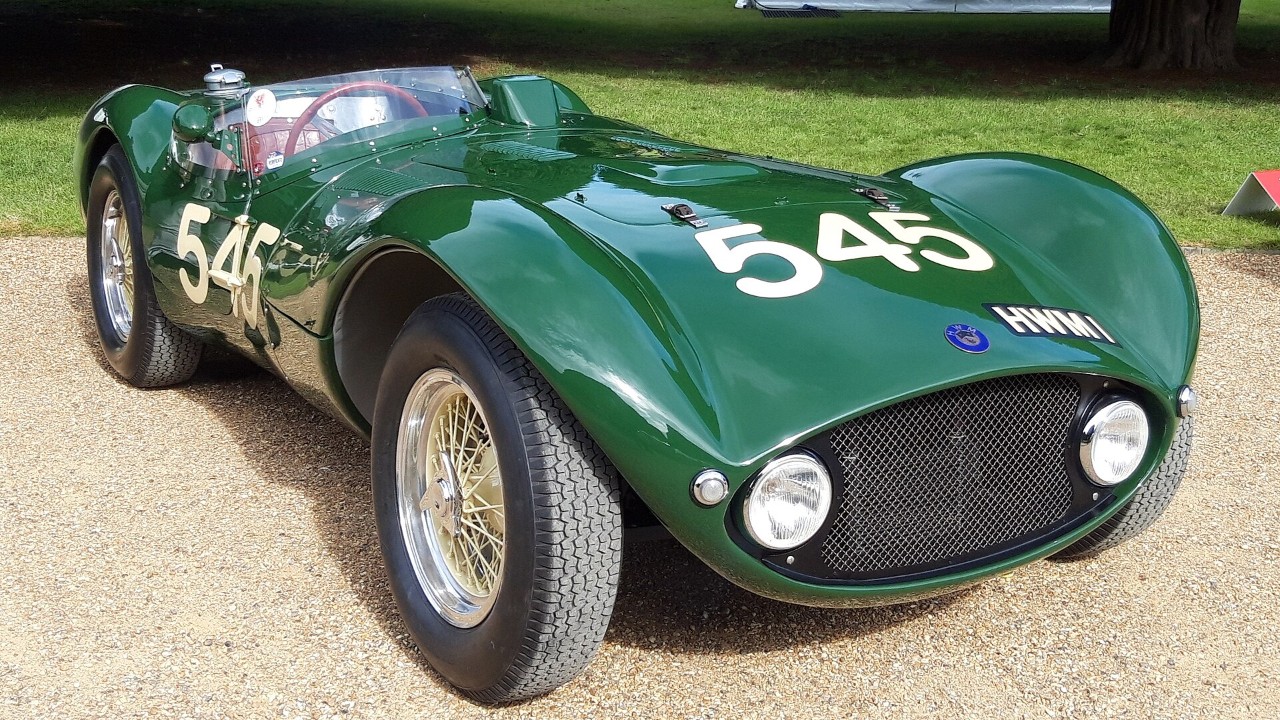
John Heath and George Abecassis formed Hersham & Walton Motors in 1945. Their company, known as HWM, raced single-seaters before it turned to sports cars like the HWM-Jaguar. The first HWM-Jaguar sports car appeared in 1953, built on a 1951 Formula 2 chassis.
The 1955 car marked a fresh start. That year, HWM built the first Series Two HWM-Jaguar for Abecassis, and it was smaller and lighter than the earlier cars. According to Classic & Sports Car’s history of HWM, Abecassis was very quick in it. He often beat Ecurie Ecosse’s Jaguar D-types and Aston Martin DB3S cars.
The numbers also explain the rarity. HWM built only 19 cars of all kinds before the racing team wound up at the end of 1957. That makes every surviving HWM-Jaguar a significant car, especially one with period race history. In our view, the HWM-Jaguar is the purest example of the small British specialist at work.
We admire the HWM-Jaguar because it shows what two determined racers could do against factory teams, even on a small budget. It used a big Jaguar engine in a light chassis, with no comfort features to slow it down. If you ever see one at a historic meeting, take a close look. You are seeing a large share of HWM’s entire output.
2. 1955 Lotus Mark VI
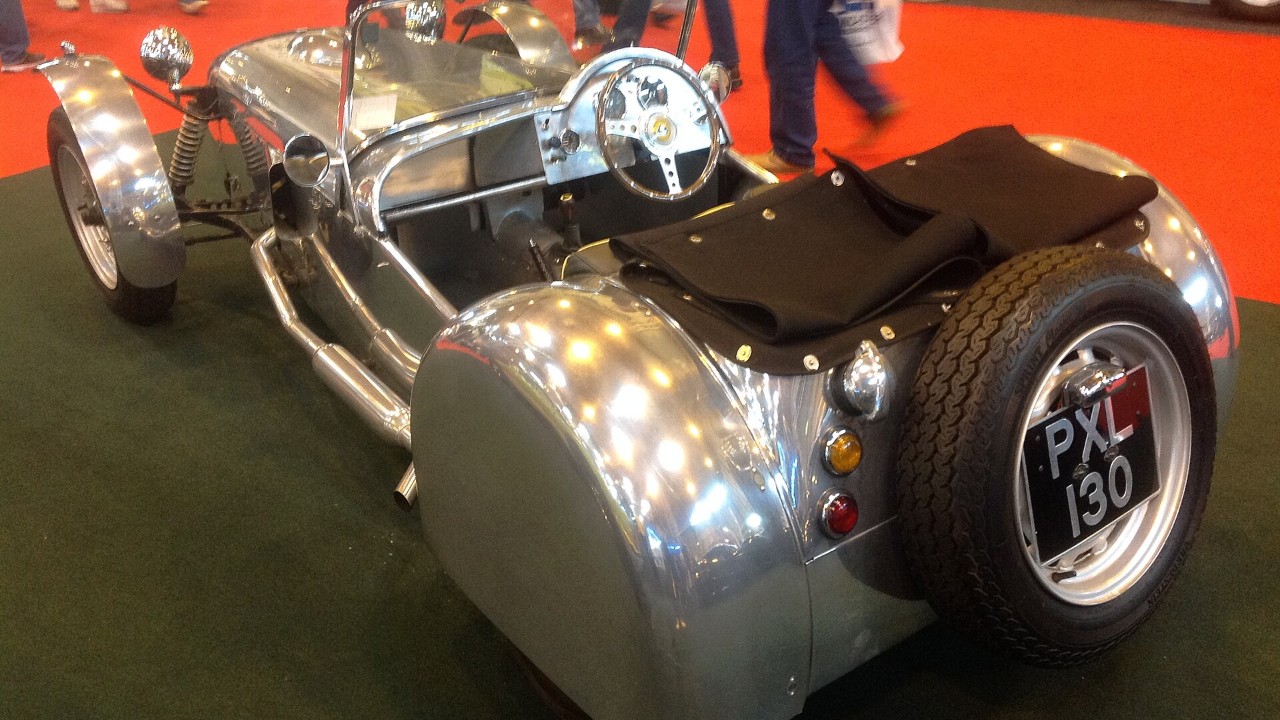
The Lotus Mark VI was Colin Chapman’s first production car. He introduced it in 1952, and production ran until 1957. Lotus built about 110 of them in total. Buyers received it as a kit and could fit their preferred engine and gearbox.
The frame, however, is the key to the Mark VI. Chapman’s space frame weighed just 55 lb. It had mounting points for several engines, including the 1,172 cc Ford 10, MG’s 1,250 cc and 1,500 cc units, the 1,500 cc Ford Consul and the Coventry Climax. As a result, no two Mark VIs were quite the same.
That flexibility let owners build the car to suit their budget and their racing class. In our view, it also set the tone for Lotus. Low weight and a light tubular frame became the brand’s calling card.
We think the Mark VI deserves a place here because it is Chapman’s philosophy in its purest form. There is no wasted material and no decoration. If you shop for one, research the specific car’s engine history. The fitted engine changes both its character and its value.
3. Tojeiro-Bristol
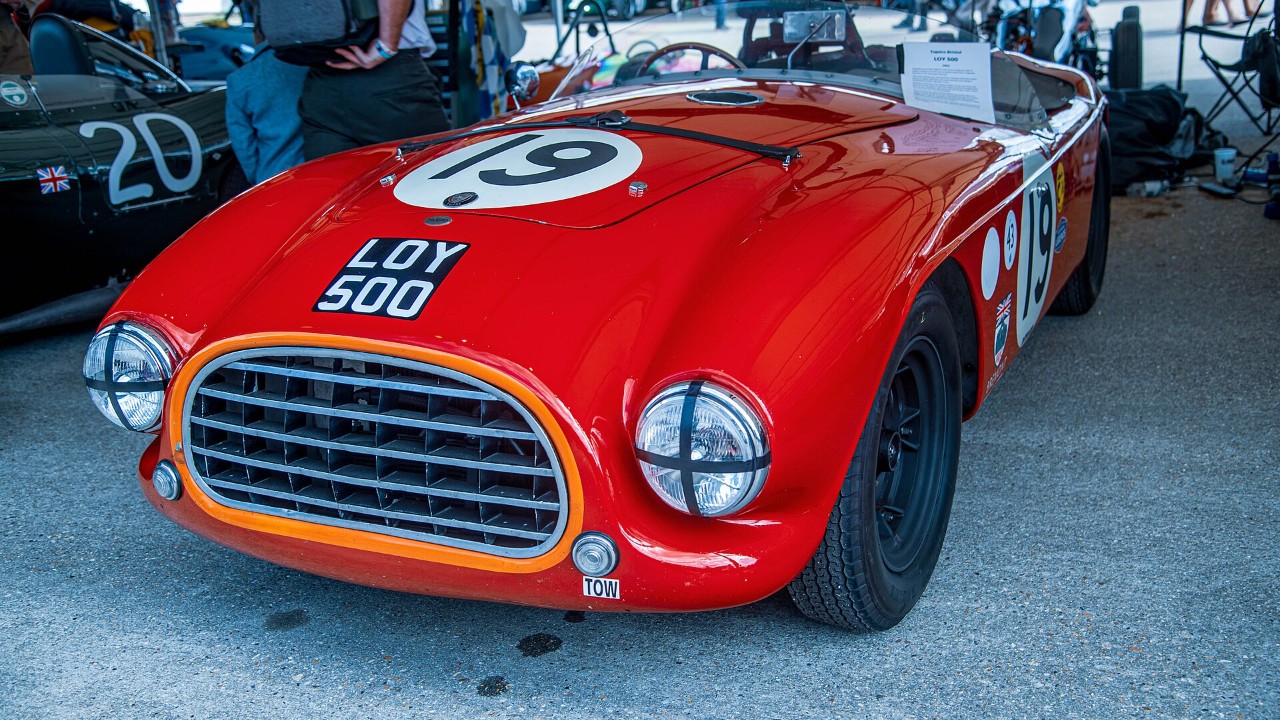
John Tojeiro built a little over 30 cars under his own name, yet his influence reached much further. In 1953, racer Cliff Davis asked him to build a chassis for a Bristol engine. The result was LOY 500, with a barchetta body by Gray and Rich and larger Girling brakes.
Getting the engine, in fact, was harder than building the car. According to Motor Sport’s 1985 profile of Tojeiro, Bristol at first refused Davis an engine because he was not a recognized constructor. Davis eventually got one after a win at Goodwood. He then had a strong 1953 season, and he kept the car until the end of 1954.
Tojeiro’s design also became the basis of the AC Ace. He handed it to AC for a royalty of £5 per car, limited to 100 cars. The Ace appeared at the 1953 Motor Show, although the production car used AC’s own 2-litre six rather than a Bristol engine.
We admire the Tojeiro-Bristol because it shows how a one-man operation shaped British sports car history. Its ladder frame was simple and strong. In our view, it is the purest expression of the idea that later became the Ace and, eventually, the Cobra.
4. MG TD Mark II
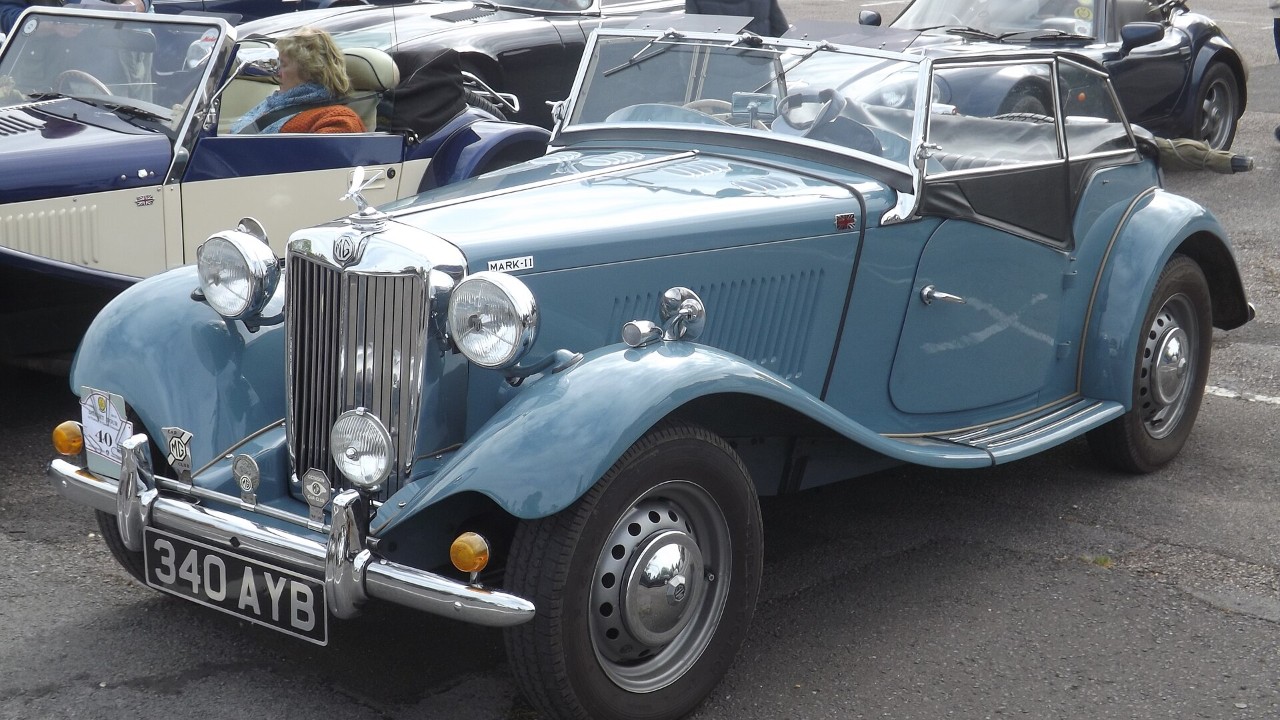
MG announced the TD in January 1950, and production ran until 1953. It used the 1,250 cc XPAG four-cylinder engine. MG built nearly 30,000 TDs, and 23,488 of them went to the United States.
By comparison, the Mark II was the competition-minded version. It made 57 bhp at 5,500 rpm and used an 8.1:1 compression ratio. MG also gave it twin fuel pumps, extra Andrex dampers and a higher-ratio rear axle. Only about 1,700 Mark II cars were built, a small slice of total TD production.
That ratio is exactly why the Mark II is interesting. On the outside, it looks almost exactly like a regular TD. However, the changes underneath were aimed at owners who wanted more performance. In our view, that makes it the TD for drivers rather than cruisers.
We picked the TD Mark II because it took a gentle roadster and gave it a sharper edge without losing its charm. If you shop for one, verify the car’s identity carefully. A genuine Mark II should show the correct engine and chassis details, so make sure you are not buying a standard TD dressed up as one.
5. 1955 Austin-Healey 100S
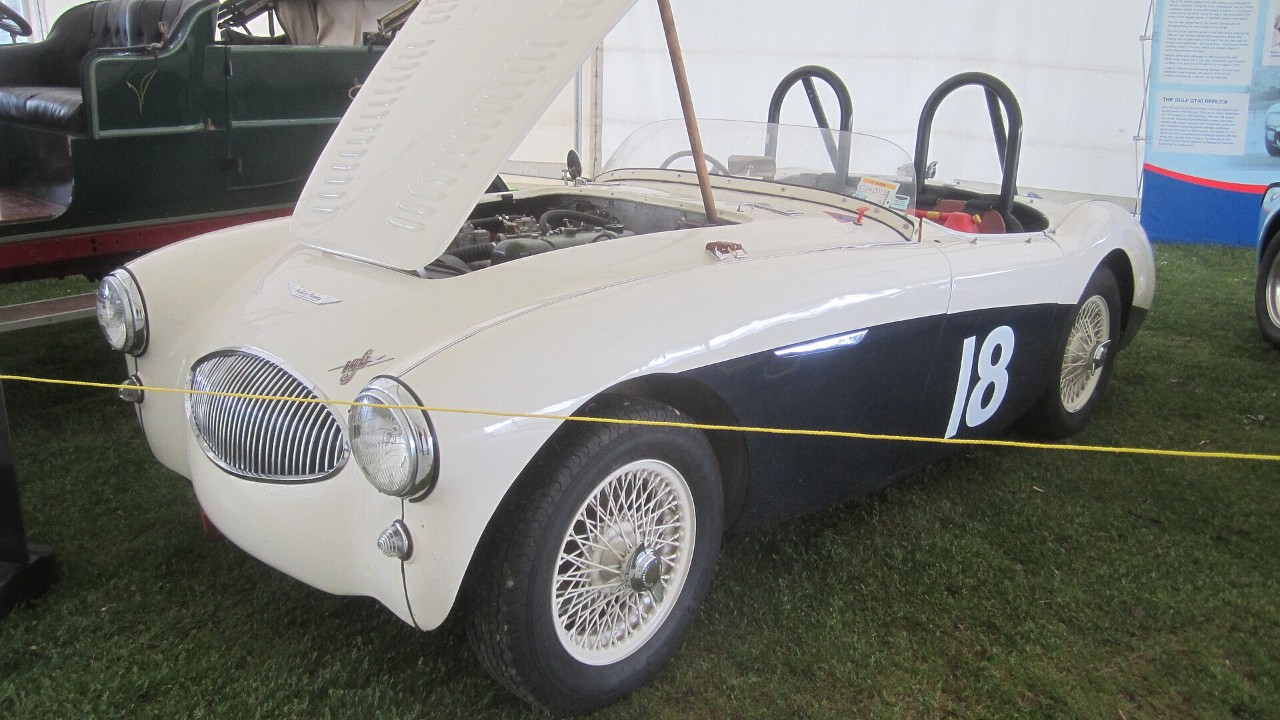
The Donald Healey Motor Company built 50 production Austin-Healey 100S cars by hand at Warwick. It delivered them between February and November 1955. Before that, five works development cars carried the SPL prefix during 1953 and 1954.
The S, meanwhile, stood for Sebring. One works car won its class at the 1954 12 Hours of Sebring, and the name followed. The production 100S made 132 bhp at 4,700 rpm. It used an aluminum body and a Weslake-designed aluminum cylinder head, which helped cut about 200 lb compared with the regular car.
Braking was just as serious, and it set the 100S apart from the regular car. The 100S had Dunlop disc brakes on all four wheels, an advanced feature for 1955. In our view, that was racing hardware, and Healey sold it to private customers.
We admire the 100S because it shows Healey taking the road car to the track and then bringing the lessons back. With only 50 production cars, it is a rare sight at any event. If you ever consider one, insist on a documented chassis history. A car this rare demands proof of authenticity.
6. Aston Martin DB3S
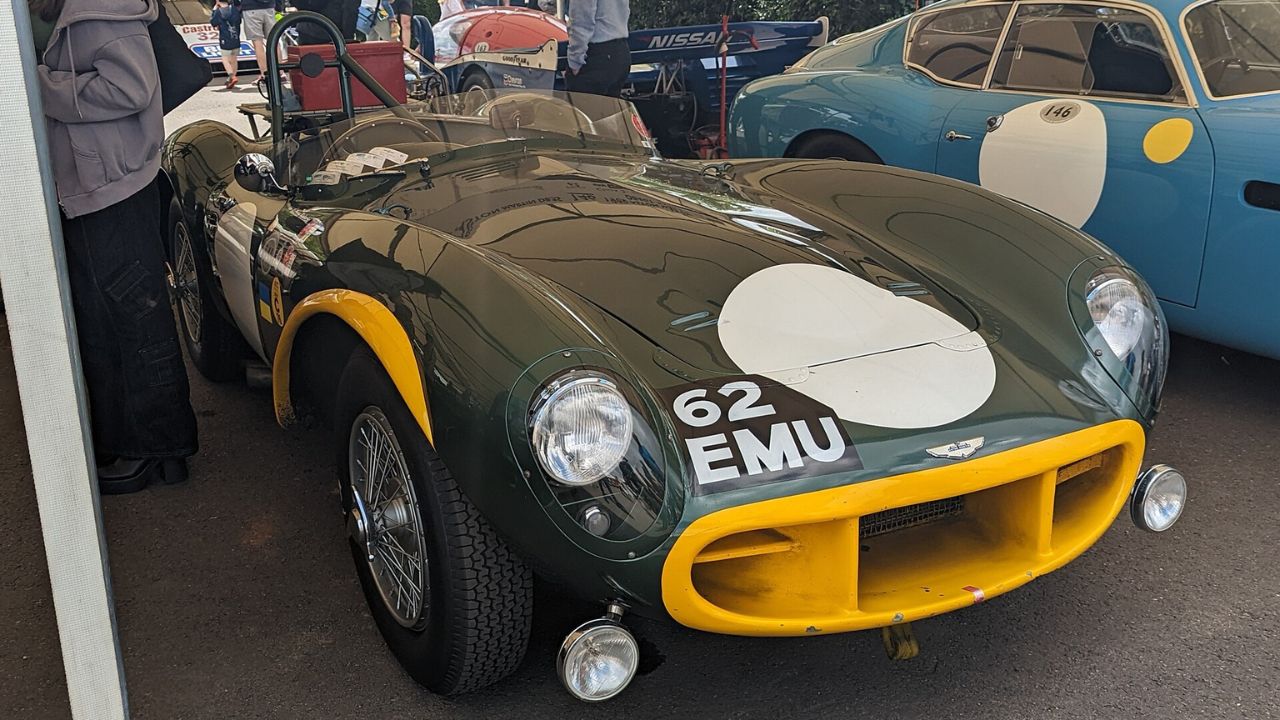
Aston Martin built only 31 DB3S cars. Eleven were works racers, numbered DB3S/1 to DB3S/11, and 20 were customer cars. The car first appeared in 1953 and stayed in front-line racing until 1958.
Power came from a 2,992 cc Lagonda straight-six with twin overhead camshafts. That gave the compact car plenty of muscle for endurance racing. Frank Feeley shaped the body, while Willie Watson designed the car itself. The result was compact, low and built for long-distance racing.
Le Mans, above all, was where the DB3S proved itself. It finished second in 1955 with Peter Collins and Paul Frère. Then it was second again in 1956 with Stirling Moss and Collins. In 1958, a DB3S driven by the Whitehead brothers took second after the works DBR1s failed to finish.
We think the DB3S deserves its place because it was never a styling exercise. Instead, every line served the racing, much as it did on the HWM-Jaguar it so often raced against. Three second places at Le Mans show how competitive it was. With just 31 made, seeing one run at a historic event is a real treat.
7. 1954 Sunbeam Alpine Mark I Roadster
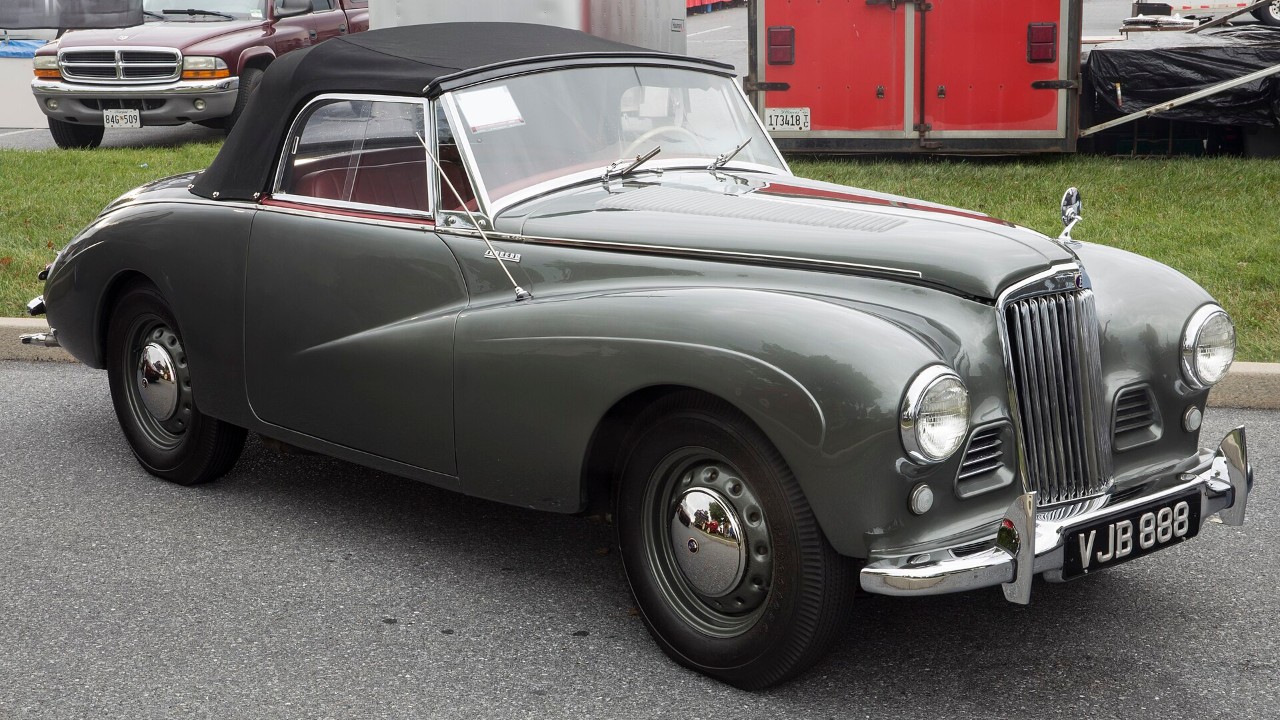
The first Sunbeam Alpine grew out of the Sunbeam-Talbot 90 saloon. It used that car’s 2,267 cc four-cylinder engine with a raised compression ratio. Thrupp & Maberly hand-built the Alpines in Cricklewood, London, from 1953 to 1955. Only 1,582 were made across the Mark I and Mark III versions.
The Alpine then made its name in rallying. On its first outing, at the July 1953 Coupe des Alpes, Sheila van Damm won the Coupe des Dames. Stirling Moss drove one of the four Alpines that earned Coupes des Alpes in that event. That debut gave a heavy-looking roadster serious credibility.
The car also has a famous screen role, which helped its fame outside motorsport. A blue Alpine appears with Grace Kelly and Cary Grant in the 1955 film To Catch a Thief. For many viewers, the film may be the only place they have seen one.
We admire the Alpine because, like the HWM-Jaguar, it was built for a purpose rather than for posing. Its rally record backs that up. If you shop for one, remember the low production total. Body panels and trim for a hand-built car can take time to find, so start with the most complete example you can afford.
More from Fast Lane Only