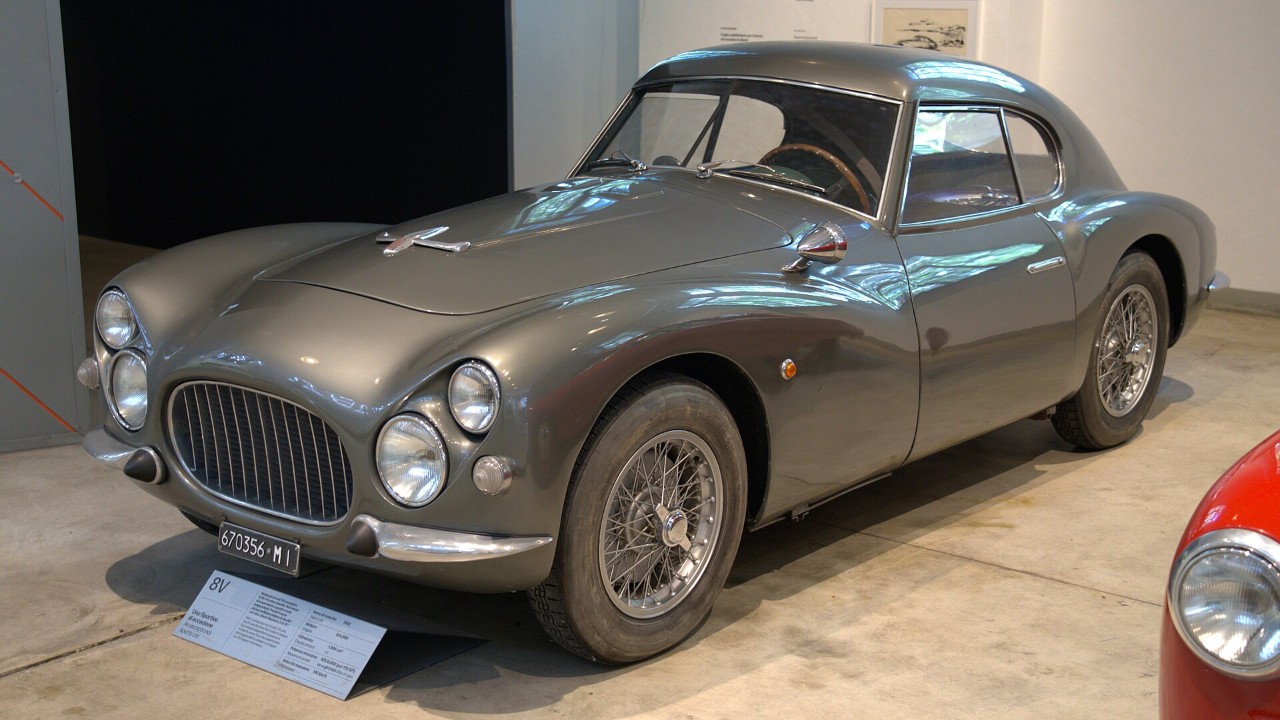
The Fiat 8V made its debut at the 1952 Geneva Motor Show, and Fiat sold it with the slogan “designed by the wind.” That a company famous for tiny city cars built a V8 coupe at all tells you something. Fiat has always had a wild streak hiding behind the 500.
Most people picture Fiat as the maker of cheap, cheerful runabouts, and for good reason. However, the same factory also built Ferrari-engined spiders, Pininfarina grand tourers and homologation rally cars. Many of them were made in small numbers, and even the cheap ones had odd, short-lived variants.
These are our picks for the rare Fiats we’d chase today. Some are true exotics, while others are humble cars in clever clothes. In our view, every one of them deserves more attention than the badge usually earns.
1. 1953 Fiat 8V Berlinetta
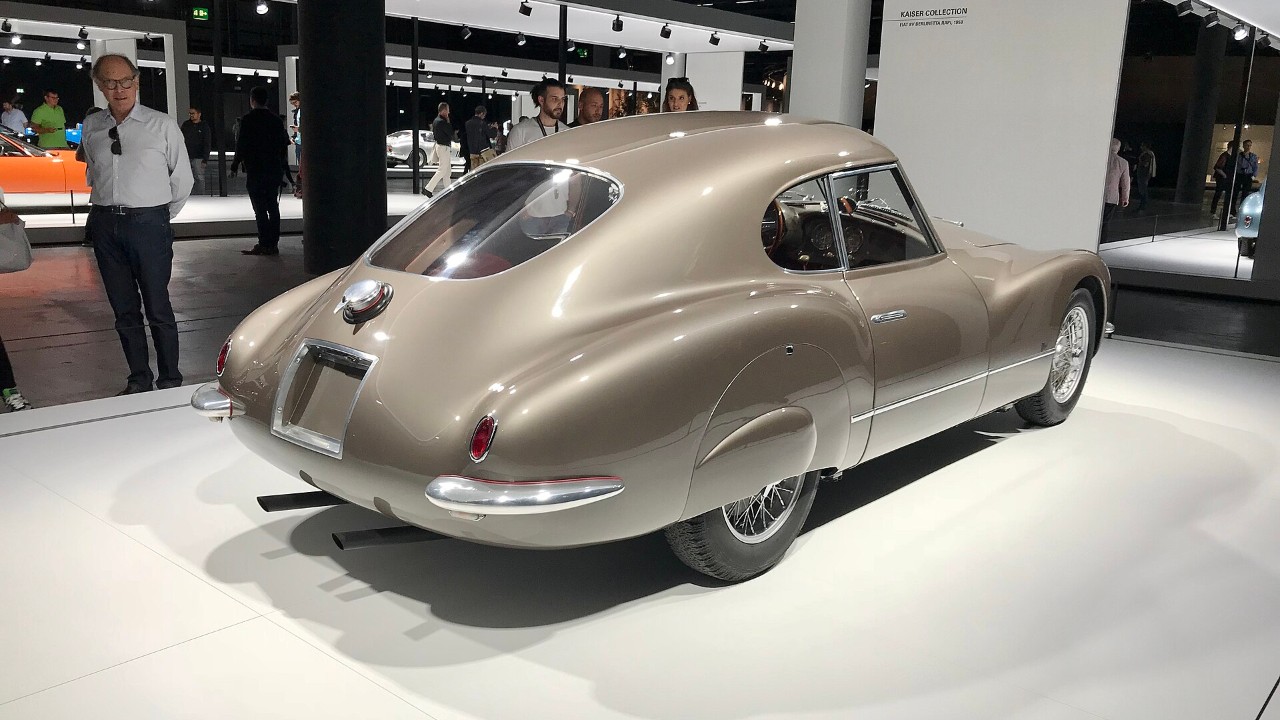
Engineer Dante Giacosa and stylist Fabio Luigi Rapi shaped this coupe with help from a wind tunnel. Under the hood sat a 2.0-liter V8, first tuned for 105 horsepower and fed by a pair of Weber carburetors. Later engines went further, with a second series at 115 horsepower and a 127-horsepower version after that.
The production figure is the real story. According to the Irish Times’ history of the 8V, only 114 were built, and most are believed to survive in collections and museums. Fiat’s own special-bodies department built 34 of them, while Zagato, Ghia and Vignale bodied many of the rest. Ghia’s 1953 Supersonic design was even rarer, with only eight examples built.
It was no show pony, either. Zagato-bodied cars won the 1954 Italian championship, and the 8V ran in the Mille Miglia and the Targa Florio. Back in January 2011, an unrestored example sold at Gooding & Company’s Scottsdale auction for $1.7 million with premium. Our take: the Fiat 8V is the most serious sports car on this list, and the one we’d want most.
2. Fiat Dino Spider second series
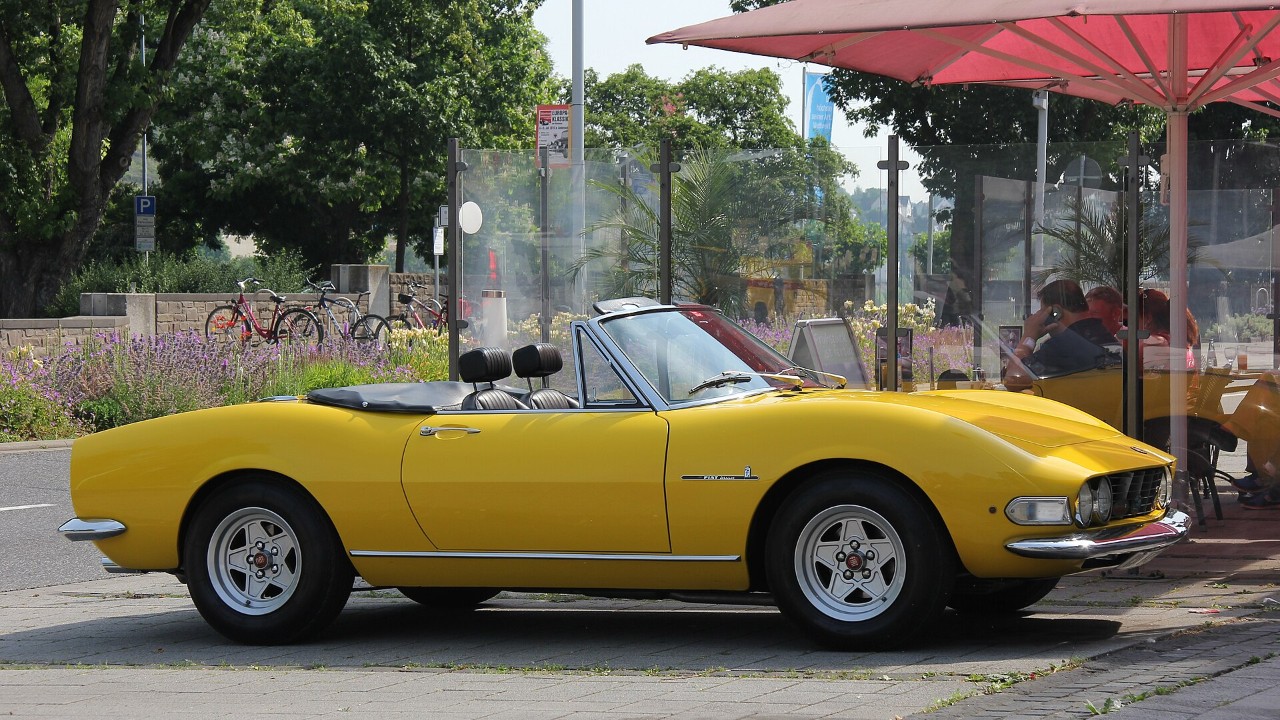
The Dino exists because of a racing rule. For the 1967 season, Formula 2 engines had to come from a road car built at least 500 times in 12 months. Ferrari couldn’t build that many, so Fiat agreed to make the engines and put them in its own car.
The second series arrived at the Turin show in October 1969, and it changed a lot under the skin. Its V6 grew to 2,418 cc and 180 PS, with a cast-iron block in place of the earlier alloy one. At the back, independent coil-spring suspension replaced the old leaf-sprung axle. Torque also rose to 216 Nm at 4,600 rpm, so the bigger engine pulled harder at lower revs. From December 1969, Ferrari assembled the car at Maranello on the same line as the 246 GT.
Pininfarina built the Spider bodies, and only 420 second-series Spiders were made, against 1,163 of the first. If you want the backstory, we covered how the 1969 Fiat Dino blended brands. In our opinion, the 2.4 Spider is the pick of every Dino, because it pairs the rarest body with the better chassis.
3. 1977 Fiat 130 Coupe
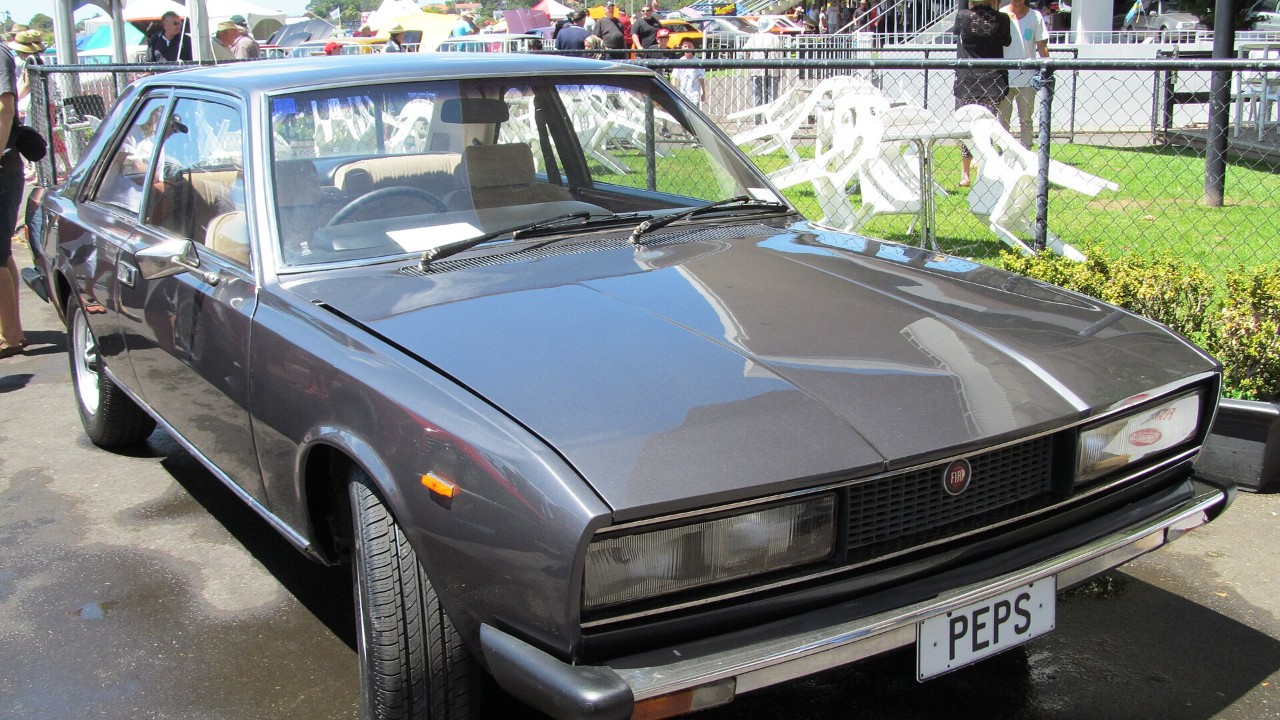
Few Fiats look as crisp as this one. Paolo Martin of Pininfarina drew the shape, and Pininfarina built the cars too. The coupe made its debut at the Geneva show in March 1971 and outlived the 130 sedan by about a year, which makes a 1977 car one of the last.
Power came from an enlarged 3.2-liter V6 of 3,235 cc, rated at 165 PS. That gave Fiat a true executive grand tourer. In fact, the sedan sold 15,093 copies, but the coupe stayed far scarcer. Published totals for the coupe range from 4,294 to 4,491, so the true count sits somewhere under 4,500.
Pininfarina also floated two spin-offs, the Maremma estate and the four-door Opera, in 1974 and 1975. Neither made it to production. Our take: the 130 Coupe is the most elegant big Fiat of the era, and it is still overlooked next to Italian coupes with fancier badges. We’d rather have one of these than a better-known rival. Since so few were built, check that any trim and body parts you need can still be found before you buy.
4. Fiat 124 Abarth Rally Stradale
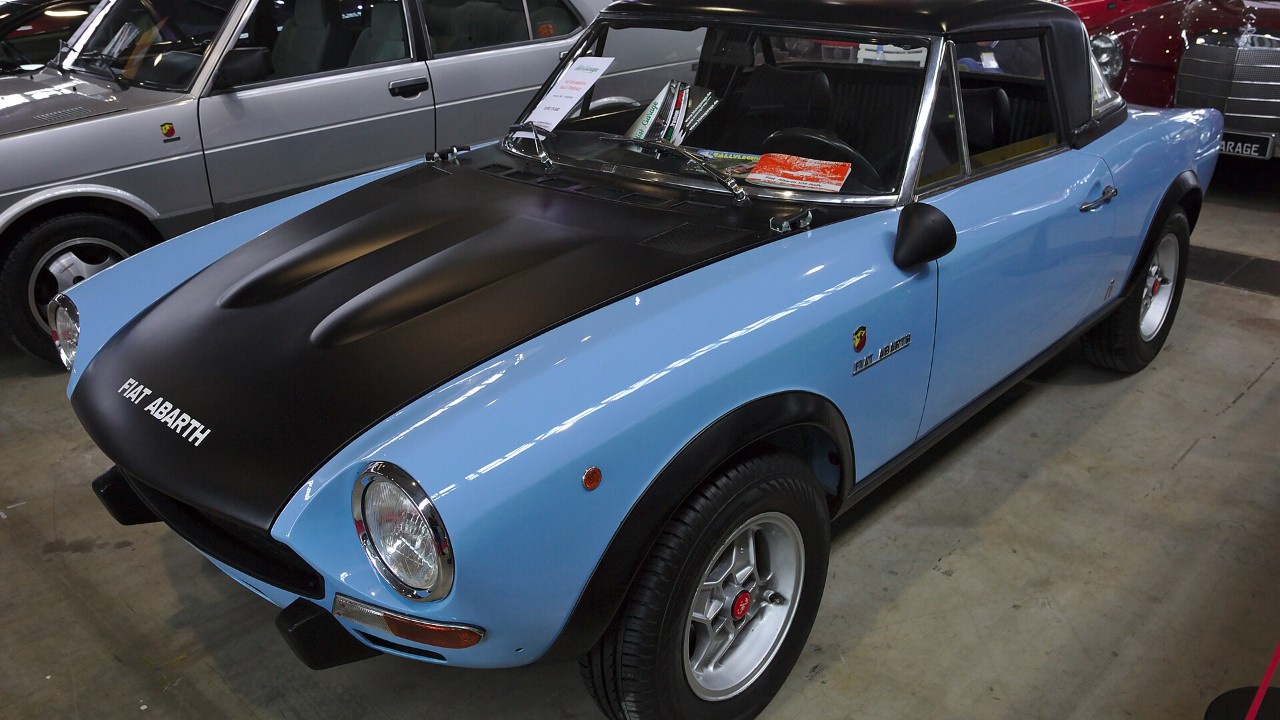
This is the 124 Spider with its sleeves rolled up. Fiat introduced the Abarth Rally in November 1972, and it was built with rallying in mind. The changes went deep, so it is far more than a stripe package.
First, Abarth tuned the 1,756 cc twin-cam with twin Weber 44 IDF carburetors and its own exhaust, for 128 PS. Next, the solid rear axle gave way to independent rear suspension with wishbones and an upper strut. To save weight, the hood, trunk lid and fixed hardtop were fiberglass, the doors were aluminum and the rear window was Perspex. Meanwhile, the first 500 cars went to the Italian market.
The racing record backs it up. The Abarth Rally won the 1972 Hessen Rally. Later, it took first, second and third at the 1974 Portuguese TAP Rally, and it finished fourth on the 1975 Monte Carlo Rally. In our view, a genuine Stradale is the most collectible 124 there is. Since badges are easy to add, check the chassis paperwork closely before you buy.
5. 1958 Fiat 600 Multipla
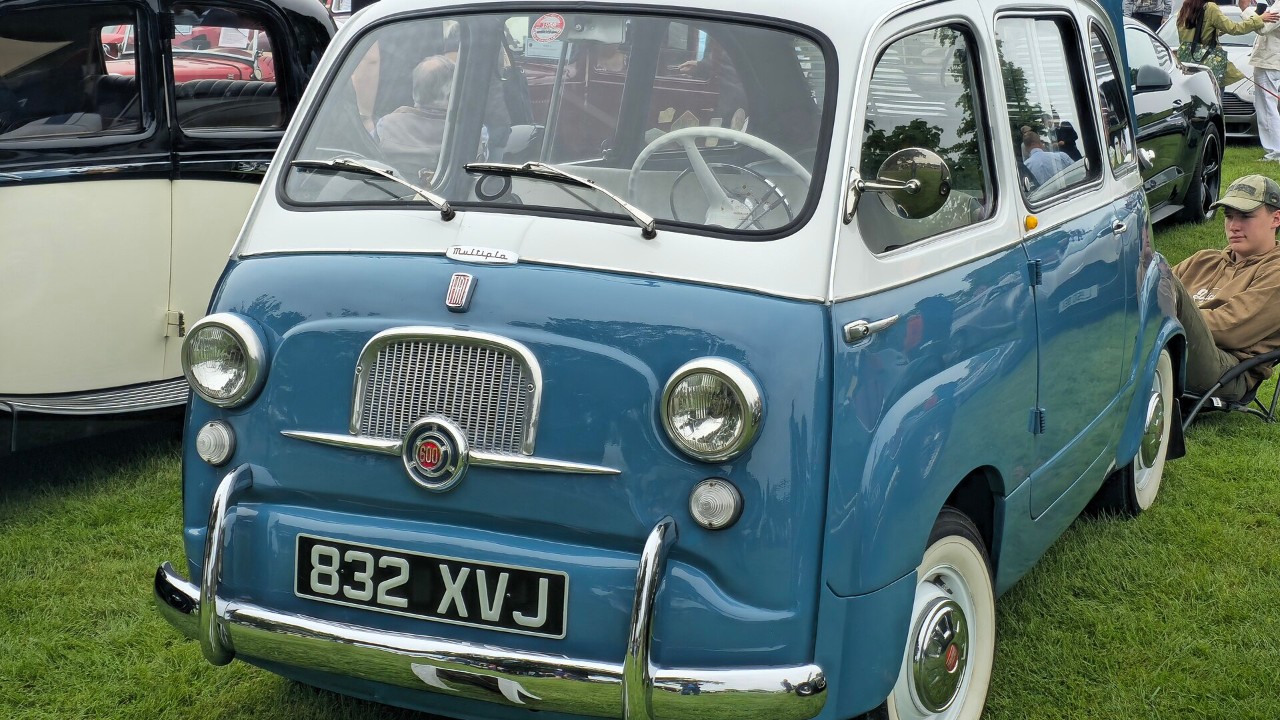
Fiat fitted six seats into a car built on the tiny 600. The Multipla made its debut at the Brussels Motor Show in January 1956. Then the taxi version followed at Turin that April. Fiat moved the driver forward over the front axle, which killed the trunk but freed up room for three rows inside.
That layout turned a city car into a people mover. Fiat sold it as a four- or five-seater, a six-seater and a taxi, and it borrowed its front suspension from the bigger 1100. The early rear-mounted four made just 21.5 PS. Even so, the Multipla served as a taxi in many parts of Italy until the 1970s. Later, a September 1960 update brought the 767 cc 600 D engine.
Our earlier look at why the 1957 Fiat Multipla surprised families covers its family side. Here, we’d point to its ending: Fiat dropped it in the spring of 1967 for the 850 Familiare. Our take is that a clean early Multipla is one of the most charming oddities Fiat ever built.
6. Fiat 1100 TV Trasformabile
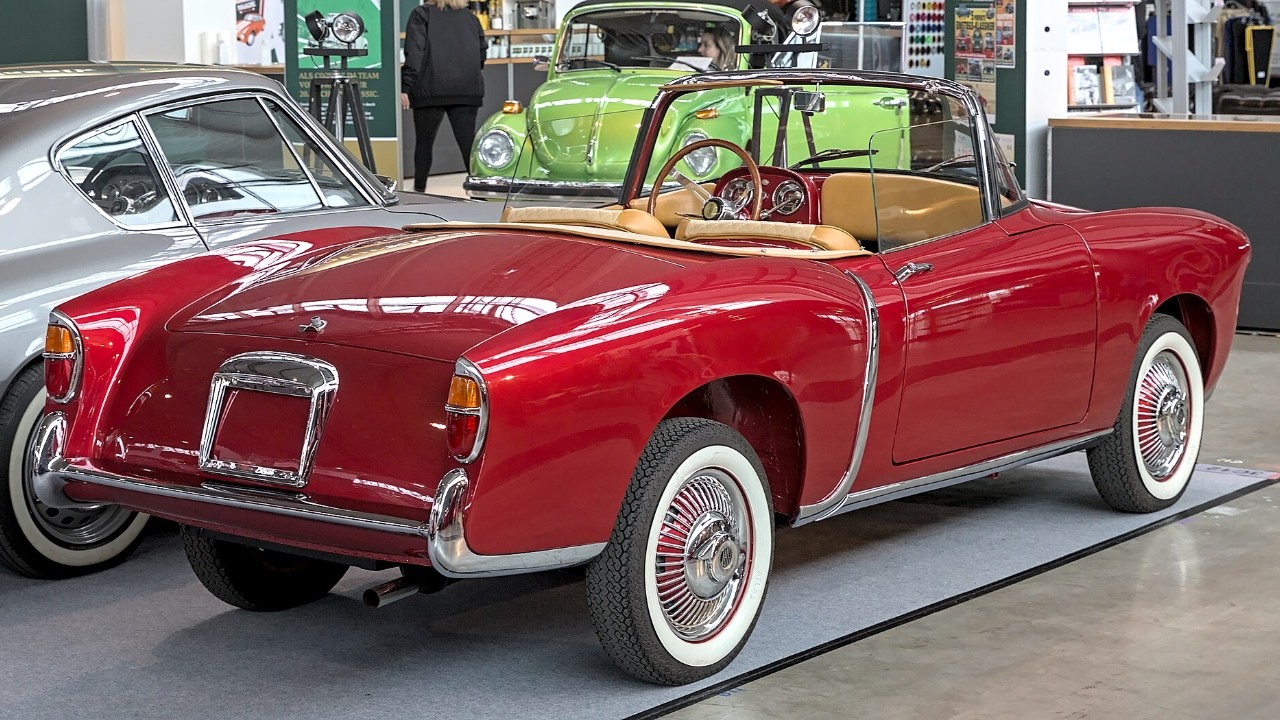
Here’s a link to the Fiat 8V that few people notice. Fabio Luigi Rapi, who helped shape that V8 coupe, also drew this two-seat roadster in Fiat’s special-bodies department. It made its debut at the Geneva Motor Show in March 1955, using mechanicals from the sporty 1100 TV sedan.
TV stood for Turismo Veloce, or fast touring. Fiat built 571 first-series cars, and then it made 450 more after a 1956 update. That update brought three more horsepower and a revised rear suspension. The TV sedan it shared parts with had already won its class in the 1954 and 1955 Mille Miglia. Later on, a 1.2-liter version took over and ran to about 2,360 cars before production ended in 1959.
Those are small numbers for a Fiat, especially for the early 1.1-liter cars. For the sedan it grew from, see when the 1958 Fiat 1100 refined family transport. In our opinion, the Trasformabile is the best-looking small Fiat roadster of the 1950s. An early car with its original 1.1-liter engine is the one we’d hunt for.
7. Fiat 2300 S Coupe Ghia
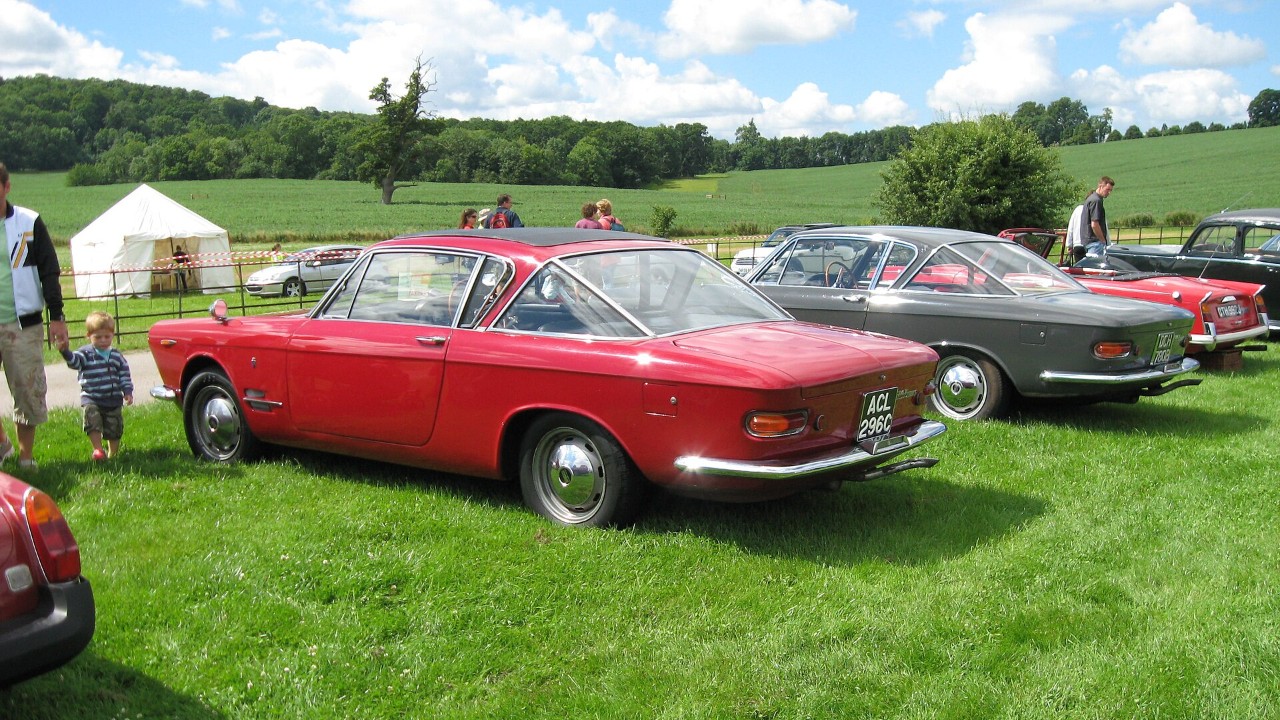
Sergio Sartorelli of Ghia designed this coupe, and it first appeared as a prototype at the 1960 Turin Motor Show. A production version followed in 1961. However, it only went on general sale in 1962, and production ended in early 1968.
The S was the one to have. Abarth developed its version of the 2300’s six-cylinder engine and tuned its double twin-choke carburetors. As a result, Fiat rated it at 136 horsepower on the Italian CUNA scale, or 150 on the American SAE scale. That was serious power for a Fiat of the early 1960s. It also gave the company a proper long-distance coupe.
Around 7,000 of the 2300 coupes were built in all, and that total covers both the base and S versions. The S share is smaller still. Our take: the 2300 S is one of the best-value Italian grand tourers of its decade. If you shop for one, have a specialist check the body and the Abarth-tuned carburetors first.
8. 1961 Fiat 500 Jolly
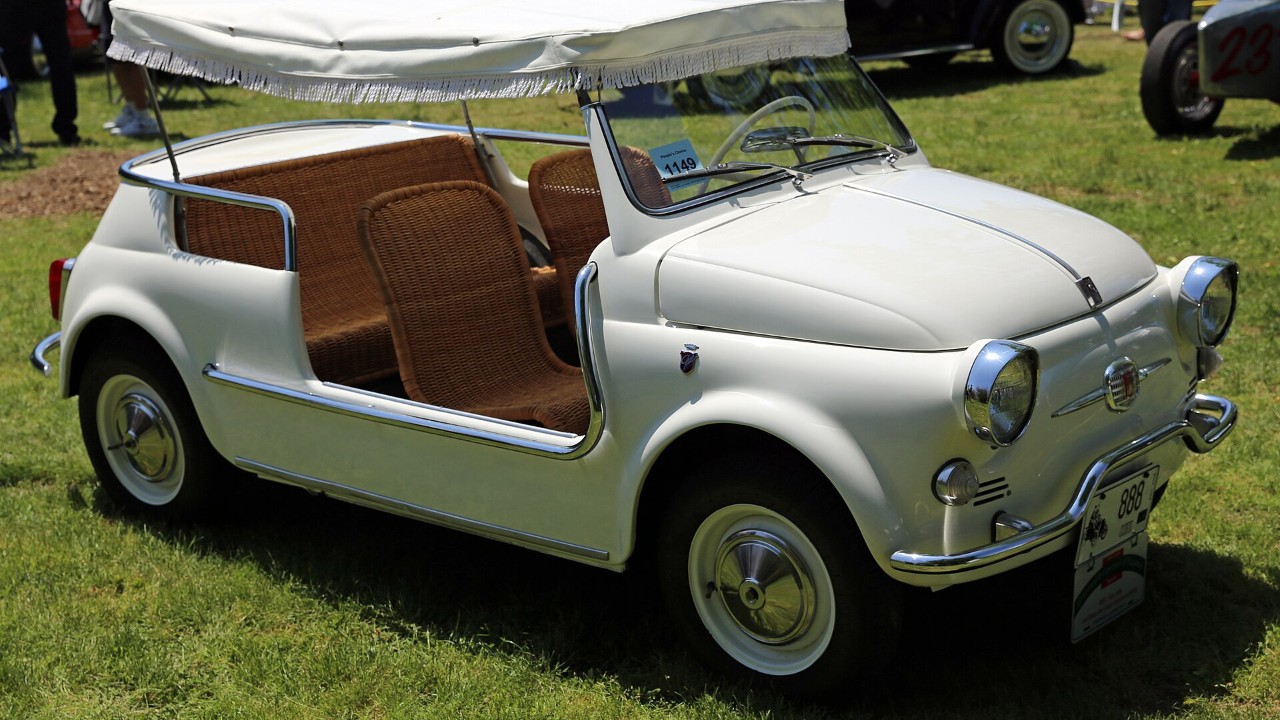
Fiat chairman Gianni Agnelli wanted a small, light car he could carry on his yacht and use in port towns. Ghia built it from a 500 with a chopped roof, a folding surrey top and wicker seats. Then it went on sale for almost double the price of a new 500, according to Classic Italian Cars For Sale.
That price made it a toy for the rich. RM Sotheby’s notes the Jolly was a favorite of the jet set at European resorts in the 1960s. The same dealer lists Aristotle Onassis, Grace Kelly, Yul Brynner and John Wayne among the owners. Ghia also built a Jolly on the larger 600. Fewer than 200 of those were produced, and RM Sotheby’s sold a 1959 600 Jolly at Fort Lauderdale in 2015 for $66,000. The auction house says fewer than half of those 600-based cars survive.
In our view, the 500 Jolly is the most fun you can have with a Fiat badge at walking pace. Ask for proof of Ghia origin before you pay a Ghia price.
More from Fast Lane Only