The 1958 evolution of the Fiat 1100 marked a quiet but important shift in how ordinary families experienced motoring, blending compact dimensions with a new sense of style and comfort. By reworking a proven small saloon into a more elegant and practical package, Fiat showed that family transport did not have to feel purely utilitarian. I see that moment as a turning point when a modest European sedan began to offer the refinement and visual flair usually reserved for larger, more expensive cars.
A familiar small car, carefully modernised
When Fiat updated its long-running 1100 line for the 1958 model year, the company chose evolution over revolution, keeping the basic proportions while sharpening the details. The car, known in factory terms as the 1100/103 D, built on the established “103” series layout but signalled a new phase in the model’s life. Instead of chasing outright size or power, Fiat focused on making the compact saloon feel more contemporary and more pleasant to live with, a strategy that suited families who needed an affordable car that still looked current in the late 1950s.
The most visible change arrived at the rear, where Fiat abandoned the earlier rounded tail in favour of a completely redesigned back end that stretched the body and introduced modest tailfins. According to detailed histories of the 1100/103 D, the boot was longer and carried those small fins, giving the car a crisper, more upscale stance without losing its compact footprint. For a family buyer, that meant more usable luggage space for holidays and shopping, wrapped in a shape that echoed the fashionable finned silhouettes appearing on larger European and American cars.
Tailfins, practicality and the language of aspiration
I see the 1958 tail redesign as more than a styling tweak, because it translated broader cultural aspirations into a practical family product. Tailfins had become a visual shorthand for progress and modernity, and by adding them in restrained form, Fiat allowed middle class households to participate in that design trend without paying for a big luxury sedan. The longer boot lid and extended rear overhang were not just decorative, they made the 1100 more useful for everyday life, turning a modest saloon into a more convincing family hauler.
Technical descriptions of the 1958 model underline how carefully Fiat balanced form and function. The tailfins were small enough to avoid looking frivolous, yet they visually stretched the car and helped frame a larger luggage compartment. Families gained extra space for prams, suitcases or weekly groceries, while the car’s silhouette signalled that they were driving something modern rather than a prewar leftover. In that sense, the 1100/103 D refined family transport by aligning everyday practicality with the era’s design language of optimism.
Inside the 1100: comfort within compact limits
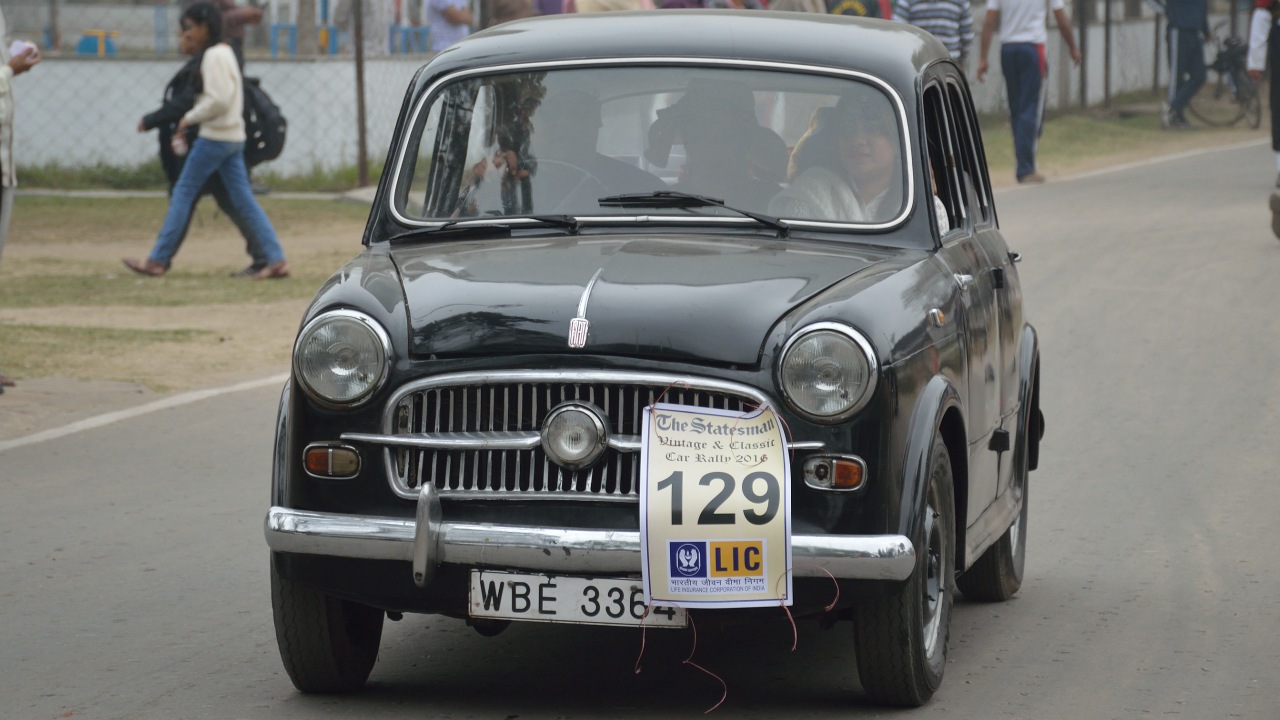
While the exterior changes drew the eye, the 1958 update also mattered for what it implied about life inside the cabin. The 1100 had already been known as a sensible four-door saloon, and the longer rear section helped the interior feel less cramped for rear passengers and their belongings. I read the redesign as Fiat’s recognition that postwar families were travelling farther and more often, and that even a small car needed to support that with better comfort and storage rather than just basic seating.
Although the surviving technical summaries of the 1100/103 D focus on bodywork, they make clear that the new rear end was not an isolated flourish. A longer boot allowed luggage to be stowed more neatly, which in turn freed up cabin space and reduced clutter around passengers. For families, that translated into quieter, less tiring journeys, with children and adults able to sit more comfortably and keep essentials within reach while heavier bags stayed out of the way in the expanded trunk.
From Turin to India: a global family car
The influence of the 1958 Fiat 1100 did not stop at Italian or European borders, and I think its global reach is central to understanding how it reshaped everyday motoring. The basic 1100/103 package proved so adaptable that it was imported to India and sold by Premier Automobiles Limited, where it became a familiar sight on crowded city streets. In that context, the car’s compact size, four doors and usable boot made it a natural choice for families and taxi operators who needed something robust yet refined enough for daily passenger use.
Accounts of Indian production by PAL describe how The Fiat 1100/103 was imported to India and sold by Premier Automobiles Limited, with the later tailfin model introduced as the Select. That evolution shows how the same core design that had been refined in Italy for family buyers was reinterpreted in India and adapted to local conditions. The presence of tailfin-equipped versions in India and other markets meant that the 1958 design language, with its longer rear and improved practicality, shaped the daily experience of family transport far beyond Fiat’s home country.
Legacy of a modest but influential redesign
Looking back, I see the 1958 Fiat 1100 not as a radical breakthrough but as a carefully judged step that helped normalise the idea of a small, stylish and comfortable family car. By updating the 1100/103 into the 1100/103 D with a longer, finned tail and more usable boot, Fiat proved that refinement did not require a large engine or a luxury badge. Families could buy a compact saloon that looked modern, carried their luggage and still fit easily into narrow streets and tight parking spaces, a combination that would become a template for later European family cars.
The technical record of the 1100/103 D and the documented spread of The Fiat 1100/103 through Indian production by PAL show how a single, modest redesign could ripple across markets and decades. In Europe, the car’s updated styling and practicality helped families transition from austerity-era motoring to a more aspirational form of everyday travel. In India and other regions, locally built versions carried that same blend of compact efficiency and understated sophistication into a new generation of family journeys. Unverified based on available sources.
More from Fast Lane Only: