The world of automotive history is filled with surprises, particularly when it comes to production numbers of certain vehicles. Some cars that we think of as iconic or classic may actually have far fewer units produced than most enthusiasts realize. This exploration delves into the rarity of these vehicles, revealing their historical significance and the myriad of factors that contributed to their limited availability.
The Allure of Rarity in Automotive History
Rarity in the automotive world carries a unique cultural significance, often elevating vehicles to legendary status among collectors and enthusiasts. The notion of owning a limited-edition car often creates a sense of exclusivity and prestige. For instance, a car like the Ferrari F40 is not just a vehicle; it is a symbol of performance and rarity, leading collectors to pay astronomical prices at auctions. The psychological appeal of rarity plays a crucial role in how vehicles are perceived and valued.
The relationship between production numbers and desirability cannot be overstated. Low production numbers often lead to increased demand, as enthusiasts are drawn to the idea of owning something unique. Factors such as marketing choices, production challenges, and historical context can all contribute to a vehicle’s rarity. For example, some manufacturers may intentionally limit production to create a sense of exclusivity, while others may face unforeseen challenges that restrict output. Each car has its own story, shaped by the circumstances of its production.
Iconic Models with Surprising Production Figures
The 1967 Ford Mustang Shelby GT500 is a fine example of an iconic vehicle with surprisingly low production numbers. While the Mustang is a staple in automotive history, the Shelby GT500 had only about 2,048 units produced in its inaugural year. This limited run has made it a coveted classic among collectors, leading to significant appreciation in its value over the years. The blend of performance and styling in the GT500 captures the essence of American muscle cars, making its rarity all the more intriguing.
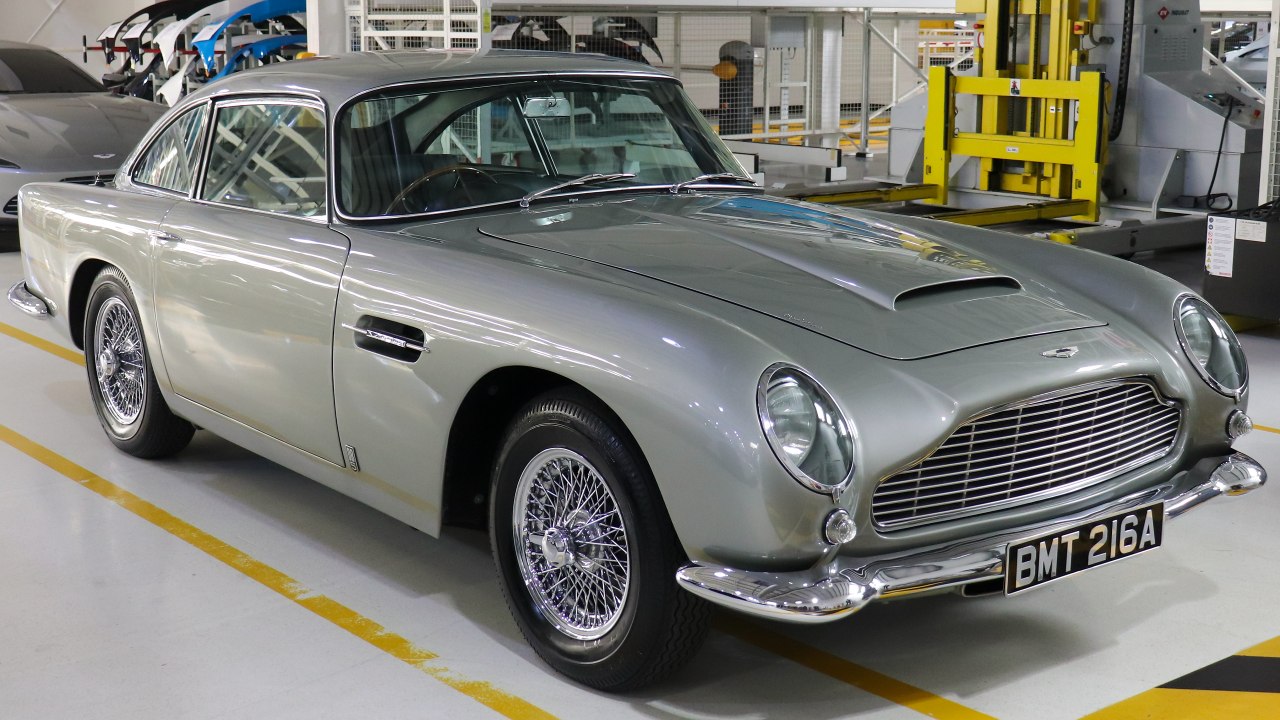
Another vehicle that stands out is the Aston Martin DB5, famously known for its role as James Bond’s car in “Goldfinger.” With only 1,059 units produced between 1963 and 1965, the DB5 has not only become a symbol of luxury and performance but also a piece of cinematic history. The allure of the DB5 is further heightened by its cultural significance, drawing in collectors who are willing to pay a premium for a piece of film history.
Then there’s the DeLorean DMC-12, a car that became iconic largely due to its role in the “Back to the Future” trilogy. With just about 9,000 units produced from 1981 to 1983, the DMC-12’s unique design and limited availability make it a standout model. Its stainless-steel body and gull-wing doors have turned it into a symbol of 1980s pop culture, demonstrating how a vehicle’s association with media can enhance its rarity and desirability.
Uncommon Vehicles from Major Manufacturers
Among the rarest vehicles produced by major manufacturers is the Chrysler Turbine Car, an ambitious experiment that resulted in only 9 units being built. Produced in the early 1960s, Chrysler aimed to explore turbine engine technology in everyday vehicles. The limited production was due to the high cost and complexity of turbine engines, as well as regulatory challenges. Today, the few remaining Turbine Cars are priceless pieces of automotive history, cherished by collectors who appreciate their innovation and rarity.
The BMW Z8 is another fascinating example, with just over 5,700 units produced between 1999 and 2003. The Z8 was designed to evoke the spirit of the classic BMW 507, combining modern engineering with vintage aesthetics. Its limited production was influenced by its high price point and the exclusive market it targeted. The Z8 has since become a sought-after collector’s item, renowned for its performance and stunning design.
Another uncommon vehicle is the Volkswagen Type 147, affectionately known as the “Fridolin.” Initially produced for postal service use in Germany, only 3,000 units were manufactured between 1964 and 1974. Its utilitarian design and limited run make it a rare find among vintage Volkswagen enthusiasts. Despite its humble beginnings, the Fridolin has gained a dedicated following, illustrating how even utilitarian vehicles can achieve a status of rarity and desirability.
Limited Editions and Special Releases
Limited-edition vehicles often garner significant attention from collectors, and the Ferrari F40 exemplifies this phenomenon. With only 1,315 units produced from 1987 to 1992, the F40 was designed as a celebration of Ferrari’s 40th anniversary. Its production cap has turned it into a legend in the automotive world, and its performance capabilities solidify its status as one of the most revered supercars. The combination of limited production and exceptional performance has led to skyrocketing values at auctions, making it a dream car for many collectors.
Similarly, the Bugatti Veyron Super Sport stands out with its astonishing performance and rarity. Only 30 units were produced, each carrying a hefty price tag that reflects its status as one of the fastest production cars ever made. The Veyron’s blend of engineering excellence and luxury has made it a symbol of automotive achievement, and its limited run has only amplified its allure among collectors and enthusiasts alike.
Another remarkable limited release is the Lamborghini Centenario, which was produced in honor of Ferruccio Lamborghini’s 100th birthday. Only 40 units were made, with each featuring a unique design and advanced technology. The Centenario not only serves as a tribute to the brand’s legacy but also exemplifies the trend of luxury brands producing exclusive models that command high prices in the collector’s market. Its scarcity and distinctive design make it a standout in any collection.
The Impact of Economic and Historical Events
The history of automotive production is often intertwined with significant economic and historical events. The oil crisis of the 1970s, for example, greatly influenced consumer preferences and manufacturer strategies. Many automakers pivoted towards producing smaller, more fuel-efficient vehicles in response to rising fuel prices. This shift resulted in a scarcity of the larger, more powerful cars that had previously dominated the market, leading to a unique set of classic cars that are now highly sought after.
World War II also had a profound impact on vehicle manufacturing. Many manufacturers shifted their focus to military production, leading to a scarcity of civilian vehicles during the war years. Post-war, the return to civilian production was met with challenges, as manufacturers had to rebuild and retool their factories. This historical context adds a layer of complexity to the rarity of certain models produced during and immediately after the war, as fewer vehicles were available to the general public.
Economic downturns can also lead to limited runs of high-end luxury vehicles. For example, during financial crises, manufacturers may scale back production to maintain exclusivity or respond to decreased demand. This can lead to certain models becoming rare and valuable over time, as collectors seek out these limited offerings. The interplay between economic conditions and vehicle production is a fascinating aspect of automotive history that continues to influence the market today.
The Future of Rare Vehicles
As we look to the future, emerging trends in electric and hybrid vehicles present new opportunities for rarity. With manufacturers increasingly focusing on sustainable technologies, we may see limited production runs of electric vehicles that capture consumer interest. Models like the Tesla Roadster, which has a limited production cap, are examples of how rarity can still be relevant in the age of electric vehicles. As technology evolves, the definition of what constitutes a rare vehicle may also change.
The advent of 3D printing and bespoke manufacturing is another trend poised to impact the rarity of future vehicles. Companies like Local Motors and their Olli autonomous shuttle demonstrate the potential for on-demand vehicle production. This shift could lead to the creation of ultra-rare, customized vehicles tailored to individual preferences, further diversifying the market and possibly creating new classics.
Speculation on which current models may become future classics is also an intriguing conversation among enthusiasts. As the automotive landscape shifts, vehicles that may not seem rare today could become highly sought after in the years to come. Limited editions, unique design elements, and historical significance will continue to play crucial roles in determining which vehicles achieve legendary status in the future.
More from Fast Lane Only
- Unboxing the WWII Jeep in a Crate
- 15 rare Chevys collectors are quietly buying
- 10 underrated V8s still worth hunting down
- Police notice this before you even roll window down
*Research for this article included AI assistance, with all final content reviewed by human editors.