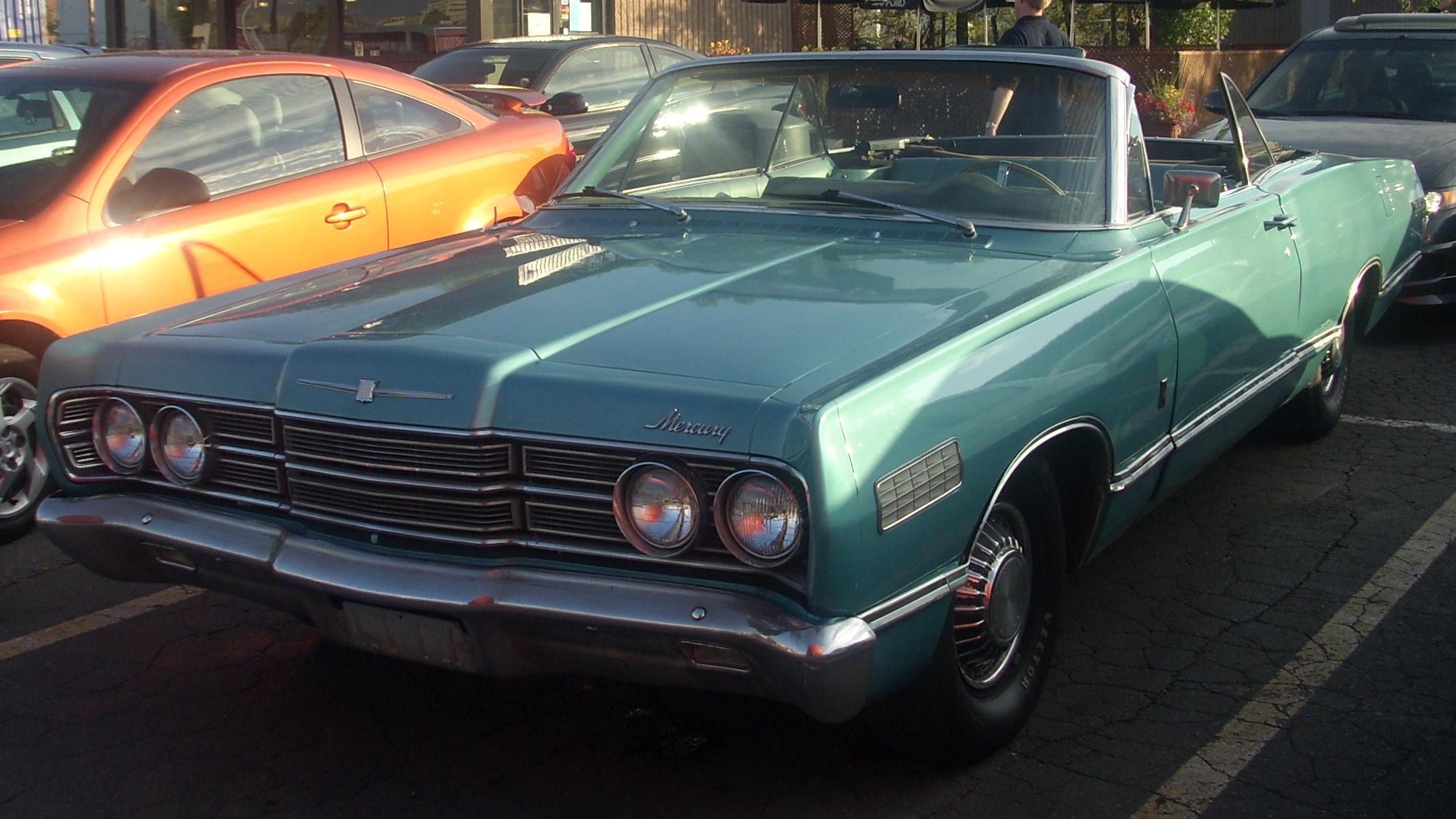
The 1967 Mercury Park Lane rarely comes up in casual muscle car talk, yet it quietly packed the kind of big-block power that defined Detroit’s full-size performance era. Positioned at the top of Mercury’s lineup, it blended family-car comfort with serious V8 muscle in a way that feels both familiar and strangely forgotten today. Looking back at how it was built, sold, and later overshadowed helps explain why this flagship now sits in the margins of collector culture.
What happened
By 1967, Mercury sat in Ford Motor Company’s hierarchy as the more upscale sibling to Ford, with Lincoln above it. The Park Lane nameplate served as Mercury’s premium full-size offering, aimed at buyers who wanted size, comfort, and a touch of luxury without stepping all the way into Lincoln territory. It rode on the same basic full-size platform as Ford’s Galaxie and LTD but wrapped that hardware in more formal styling, richer trim, and a longer list of comfort features.
The Park Lane line came in several body styles, including a two-door hardtop, four-door hardtop, four-door sedan, and convertible. Mercury marketed it as a sophisticated cruiser, with broad bench seats, thick carpeting, and generous use of chrome and brightwork. The interior leaned more toward quiet refinement than boy-racer flash, which is one reason the car is often left out of muscle car conversations even though its engine options told a different story.
Under the hood, the 1967 Park Lane could be ordered with some of Ford’s largest V8s. The lineup typically started with a big-block FE-series engine, such as a 390 cubic inch V8, and climbed from there into higher-output configurations. Top-of-the-line versions used big displacement, four-barrel carburetion, and higher compression to deliver the kind of torque that could move a heavy full-size car with surprising urgency. While mid-size models like the Fairlane and Comet grabbed the performance headlines, the Park Lane quietly shared much of the same mechanical DNA in a larger and more luxurious package.
Transmission choices reflected that dual personality. Buyers could equip the Park Lane with a three-speed automatic that prioritized smoothness or, in more performance-oriented builds, manual gearboxes that made better use of the big-block’s power band. Rear axle ratios varied as well, with highway-friendly gearing on comfort-focused cars and shorter ratios available for those who wanted quicker acceleration at the expense of fuel economy.
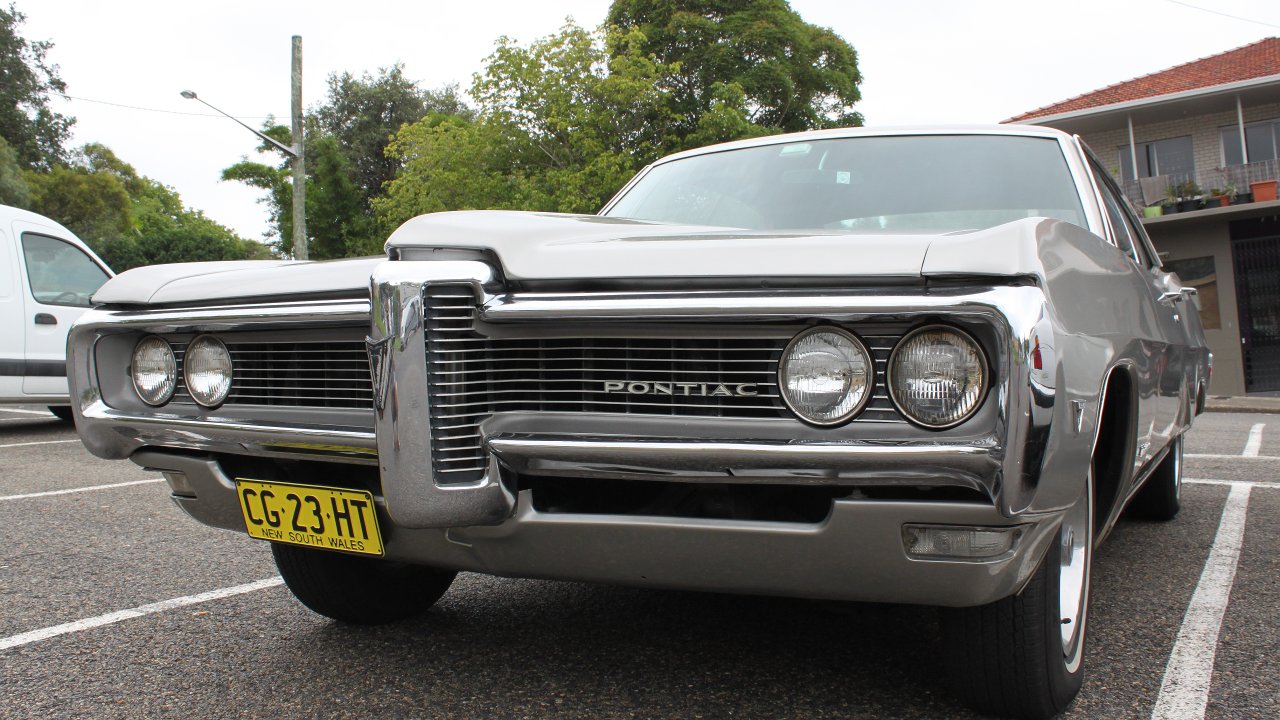
Styling changes for 1967 gave the Park Lane a squared-off, formal look. The front fascia featured a wide grille and stacked headlights, while the rear carried a broad, horizontal treatment that visually widened the car. Mercury designers emphasized straight lines and a strong shoulder, which helped the big car appear even more imposing. The Park Lane’s proportions, with a long hood and short rear deck relative to its wheelbase, hinted at the power available under that sheet metal even when the car was trimmed in quiet colors and vinyl roofs.
Period marketing leaned into this dual character. Advertisements highlighted the Park Lane’s comfort, quiet ride, and upscale image, but they also mentioned the available big engines and the car’s ability to cover long distances at high speed. Mercury pitched it as a car for buyers who wanted to arrive in style and still appreciate strong acceleration on the on-ramp. In the showroom, that translated into a mix of buyers: some who simply wanted the nicest Mercury, and others who saw an opportunity to combine luxury with serious performance.
Survivor stories from the broader Mercury world show how these full-size cars were often bought as family workhorses, then quietly parked when age and changing tastes caught up. One account of a 1964 Mercury, for example, describes a son arranging for a detailer to wash his father’s car for the first time in three decades, a reminder of how many big Mercurys sat untouched in garages after their first lives ended. That story, centered on a long-stored car that finally received attention after 30 years, appears in coverage of a barn-find style cleaning of a 1964 Mercury and reflects the quiet fate many Park Lanes likely shared.
By the end of the 1960s, the Park Lane name would disappear from Mercury’s lineup, replaced by other full-size badges as the company adjusted its portfolio. The basic formula of a large, comfortable, V8-powered flagship survived, but the specific combination of the Park Lane’s styling, big-block options, and market position became a one-generation snapshot of the era.
Why it matters
The 1967 Park Lane matters first as a representative of a forgotten performance niche: the full-size luxury bruiser. While the muscle car story usually centers on mid-size coupes and pony cars, Detroit’s big cars often carried the same or larger engines, with similar or even higher horsepower ratings, wrapped in more conservative bodies. The Park Lane shows how Mercury tried to translate that power into a more mature, upscale image.
From a drivetrain standpoint, the Park Lane’s big-block options connect directly to the engines that powered more famous performance models. The FE-series V8 family, which included 390 and larger displacements, formed the backbone of Ford’s performance program in the 1960s. In the Park Lane, those engines were tuned for a balance of torque and smoothness, but they still delivered strong acceleration. That makes surviving examples attractive to enthusiasts who appreciate both period-correct powertrains and the comfort of a full-size chassis.
The car also illustrates how Mercury tried to carve out a distinct identity between Ford and Lincoln. The Park Lane’s equipment levels, trim, and pricing positioned it as a step up from a Galaxie or LTD but short of a Continental. That middle ground gave Mercury room to experiment with combinations that might have felt out of place at either end of the corporate ladder. A big-block, well-optioned Park Lane could be ordered with power accessories, upscale interior materials, and styling cues that would not look out of place in a luxury showroom, yet it still shared enough hardware with Ford models to keep costs manageable.
In the broader history of American cars, the 1967 Park Lane helps track the shift from size and power as default virtues to a more segmented market. During the late 1960s, full-size cars still dominated sales charts, but the rise of dedicated performance models and the growing appeal of smaller, more agile cars began to change buyer expectations. Enthusiasts increasingly gravitated toward lighter platforms where big engines produced more dramatic straight-line results. As a result, cars like the Park Lane, which delivered their power in a heavier, more comfort-focused package, gradually fell out of the spotlight.
The Park Lane’s relative obscurity today also reflects how collector tastes form around certain narratives. The story of the American muscle car has been told and retold through the lens of Chevelles, GTOs, Mustangs, and Chargers. Those cars fit a clear template: mid-size or pony car, aggressive marketing, and a direct association with youth culture and racing. The Park Lane, by contrast, was aimed at older, more affluent buyers and was marketed as a refined choice rather than a rebel’s car. That positioning made it less likely to be lionized in later decades, even if its performance credentials were strong.
For collectors and restorers, this creates both a challenge and an opportunity. The challenge lies in parts availability and documentation. Because the Park Lane did not achieve the same cult status as some contemporaries, fewer reproduction parts and fewer dedicated registries exist. On the other hand, that lower profile often translates into more accessible pricing. Enthusiasts who appreciate full-size comfort can sometimes acquire a big-block Mercury for less than the cost of a similarly powered mid-size from another brand, especially if they are willing to tackle some of the sourcing work themselves.
The car’s design also deserves another look. The crisp, straight lines and formal rooflines of late 1960s full-size cars have aged differently from the curvier shapes of earlier in the decade. Where some 1950s and early 1960s cars feel distinctly of their time, the 1967 Park Lane’s styling reads as restrained and almost modernist. The long hood and clean side surfaces give it a presence that stands apart from the more flamboyant designs that preceded it. For enthusiasts who favor understated classics, that restraint is a selling point.
From a cultural perspective, the Park Lane captures a moment when American buyers still equated success with a long, powerful, and plush car. Before fuel crises and emissions regulations reshaped the market, the idea of a full-size V8 sedan or coupe as the family’s primary vehicle was completely normal. The Park Lane’s big-block options, generous dimensions, and quiet ride embody that mindset. Looking back from a time of downsized engines and compact crossovers, the car reads almost like an artifact from a different automotive philosophy.
Finally, the 1967 Park Lane matters because it broadens the conversation about what counts as a desirable classic. When enthusiasts and historians focus only on the most famous nameplates, the picture of the era becomes distorted. Including cars like the Park Lane in that story highlights the diversity of choices available to buyers at the time and recognizes that performance and personality came in more than one shape and badge.
What to watch next
Interest in overlooked full-size performance cars has been slowly rising as prices for headline-grabbing muscle models climb. As collectors who grew up with these big Mercurys reach the point where they have the resources and time to revisit the cars of their youth, demand for well-preserved or properly restored Park Lanes could increase. That pattern has already played out with other full-size cars that once sat on the sidelines of the collector market.
One factor that will shape the Park Lane’s future visibility is storytelling. Enthusiasts who own these cars and share their experiences at shows, in clubs, and online help build awareness of what makes them special. High-quality restorations and tasteful restomods can also change perceptions. A Park Lane that retains its big-block character but gains subtle upgrades in suspension, brakes, and reliability can appeal to modern drivers who want classic style with fewer compromises.
Preservation stories similar to the long-stored 1964 Mercury example also have an impact. When a decades-dormant family car is pulled from a garage, cleaned, and documented, it reminds audiences that these vehicles were once everyday transportation, not just museum pieces. Each rediscovered Park Lane, especially one that still carries its original engine and trim, adds another data point to the historical record and makes it easier for others to identify and restore their own cars.
From a practical standpoint, parts support will remain a key issue. Enthusiast networks and small-scale suppliers often step in where large manufacturers no longer provide components. As more owners identify common needs, such as specific trim pieces or interior materials unique to the Park Lane, there is potential for cottage industries to develop reproduction parts. That process will likely be gradual, but even limited support can make the difference between a stalled project and a completed car.
More from Fast Lane Only