The 1969 Pontiac Catalina 2+2 arrived at the tail end of Detroit’s first muscle era and proved that a big, comfortable family coupe could run with much smaller street bruisers. It wrapped genuine performance hardware in a full-size body that still had room for five adults and a trunk full of luggage. That mix of speed, space, and style has turned the 2+2 into one of the most intriguing sleepers from Pontiac’s performance years.
Today, the Catalina 2+2 sits in the shadow of GTOs and Firebirds, yet it captures a moment when American buyers wanted both muscle and luxury in a single package. Looking back at how it was built, marketed, and remembered helps explain why full-size performance cars still tug at enthusiasts long after the nameplate disappeared.
What happened
By the late 1960s, Pontiac had already built a reputation on performance. The GTO had created the mid-size muscle template, and the division’s engineers were busy turning almost every model into some kind of street weapon. In that climate, the Catalina 2+2 served as the full-size expression of the same idea, a big B-body coupe and convertible fitted with serious V8 power and sporty trim.
The 2+2 package had launched earlier in the decade as an option on the Catalina line, and by 1966 it was already recognized as a legitimate big-car muscle machine. Contemporary coverage of the 1966 2+2 describes a full-size Pontiac with bucket seats, unique badging, and a standard 421 cubic inch V8 that could be ordered with Tri-Power carburetion and four-speed manual gearboxes. That formula carried forward in spirit to 1969, even as Pontiac reshuffled engines and styling.
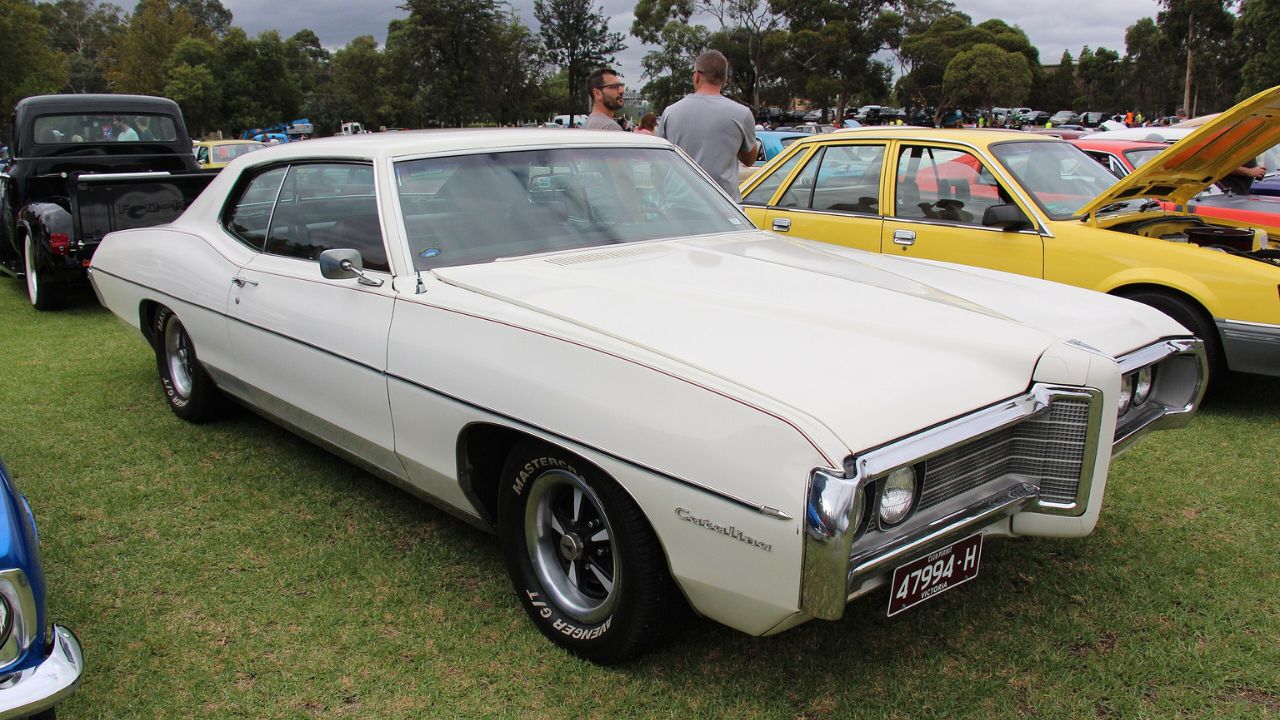
For 1969, the Catalina line adopted the sharp, horizontal styling cues that defined Pontiac’s full-size cars at the end of the decade. The 2+2 remained the sportiest version, offered primarily as a hardtop with a more aggressive stance, distinctive side trim, and interior touches that separated it from the base Catalina. Under the hood, the car relied on large displacement V8s that gave it the torque needed to move a big body with authority. Period performance testing of similar full-size Pontiacs shows that these cars could reach highway speeds quickly and turn quarter-mile times that matched or beat smaller, lighter competitors.
Within Pontiac’s broader performance push, the Catalina 2+2 slotted in alongside icons like the GTO, Firebird, and later the Trans Am. Enthusiast retrospectives on Pontiac muscle cars consistently group the 2+2 with these better known models, treating it as part of a unified performance story rather than a one-off curiosity. The 2+2 badge signaled that a buyer had chosen the most performance-oriented version of Pontiac’s biggest car.
Meanwhile, the full-size market was beginning to shift. Insurance costs, changing safety rules, and the first hints of emissions controls were already starting to squeeze the muscle segment. Buyers who still wanted speed were often drawn to lighter intermediates, and Pontiac itself poured marketing energy into the GTO and Firebird. Against that backdrop, the 1969 Catalina 2+2 became an enthusiast’s choice, a car that appealed to drivers who wanted muscle car power without giving up full-size comfort.
The 2+2 also intersected with a broader trend toward upscale, high performance big cars. Convertibles and personal luxury coupes from multiple brands offered powerful V8s, long option lists, and dramatic styling. Later collector guides to full-size convertibles often highlight how these big cars mixed open-air cruising with real performance, and the 2+2 fits neatly into that narrative even when configured as a hardtop.
Although production numbers for the 1969 2+2 were modest compared with mainstream Catalinas, the car still represented a meaningful slice of Pontiac’s performance identity. It carried over the idea that a family-sized car could be genuinely fast, a concept Pontiac had been refining since the early 1960s. That philosophy would become harder to sustain in the 1970s, which makes the 1969 model one of the last pure examples of the original big-car muscle formula.
Why it matters
The Catalina 2+2 matters first because it challenges the assumption that muscle cars had to be mid-size or compact. Pontiac engineers and marketers bet that some buyers wanted the full-size experience, with a long wheelbase and generous interior space, without sacrificing acceleration. The 2+2 package delivered that combination, and period performance testing across the industry shows that large V8-powered coupes could post impressive numbers. Retrospective data on the quickest cars of the era places several full-size American models in the same performance neighborhood as smaller muscle icons.
By proving that a big Pontiac could run hard, the 2+2 expanded what muscle meant for everyday drivers. A buyer with a family or a long commute might have hesitated to live with a stripped mid-size coupe, but a Catalina with the 2+2 package offered power, style, and enough comfort to serve as a primary car. That blend of roles foreshadowed later performance sedans and personal luxury coupes that promised to be all things at once.
The car also illustrates how quickly tastes and marketing priorities can shift. Enthusiast histories of underrated Pontiacs often single out big-car packages like the 2+2 as overlooked because they sat outside the narrow definition of muscle that grew up around the GTO template. As the GTO and Firebird became legends, full-size performance cars slipped into the background, even when they shared engines, gearboxes, and suspension upgrades with their more famous siblings.
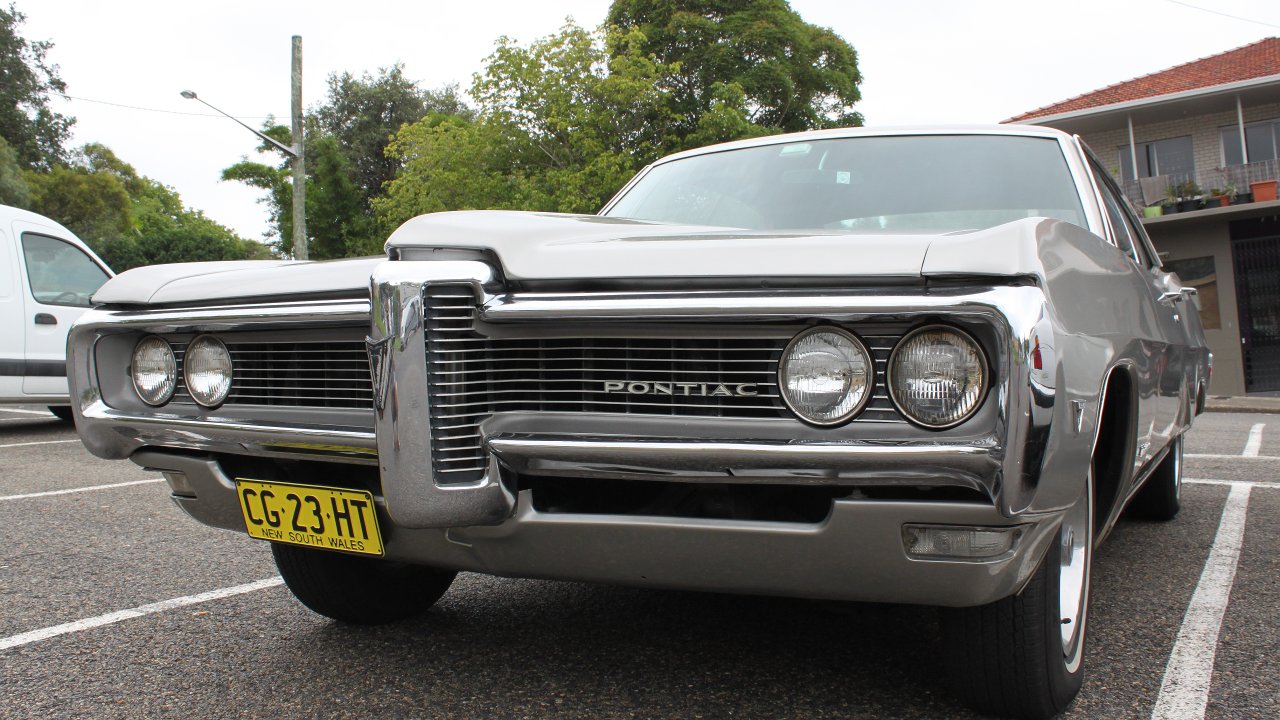
From a design perspective, the 1969 2+2 captures Pontiac’s late 1960s styling language at full scale. The long, low profile, prominent grille, and sculpted body sides gave the car presence that smaller models could not match. Inside, bucket seats, console shifters, and sporty instrumentation translated the muscle car aesthetic into a larger cabin. The car signaled performance before the engine ever turned over, which helped reinforce Pontiac’s identity as a performance-oriented division even in its largest offerings.
Collectors and historians now look back at the 2+2 as part of a broader pattern in Pontiac’s lineup. Surveys of Pontiac performance models show how the division used similar engineering tools across different sizes and price points. Big cars like the Catalina 2+2 shared high compression V8s, heavy-duty suspensions, and performance-oriented rear axle ratios with smaller models. That engineering commonality allowed Pontiac to market performance as a brand-wide attribute rather than something reserved for a single halo car.
The 2+2 also matters because it represents a crossroads between two eras. On one side stood the early and mid 1960s, when full-size American cars dominated sales and performance versions could be ordered with minimal concern for fuel cost or insurance premiums. On the other side lay the 1970s, when regulations, fuel crises, and shifting consumer priorities would reshape the market. The 1969 Catalina 2+2 occupies that narrow window when a manufacturer could still justify building a big car that was unapologetically fast.
For modern enthusiasts, the car offers a different kind of appeal than a GTO or Firebird. Its size and weight mean it will never feel as nimble as a smaller muscle car, yet the torque-rich V8 and long wheelbase create a relaxed, confident driving character that suits highway cruising. The car accelerates with authority but also soaks up pavement in a way that compact coupes cannot match. That dual nature helps explain why collectors who own one often describe it as a surprisingly usable classic.
Market interest has begun to reflect that character. While the most famous muscle nameplates command high prices, full-size performance cars frequently remain more accessible. Guides that track classic full-size values point to big coupes and convertibles as ways to enjoy vintage V8 power and style without paying top-tier muscle money. The Catalina 2+2 fits that pattern, especially in comparison with equivalent year GTOs.
Historically, the 2+2 also highlights Pontiac’s willingness to experiment with branding. The badge itself, with its European-style numeric name, suggested something more sophisticated than a simple trim level. In practice, it signaled a package of performance and appearance upgrades that turned a mainstream Catalina into something closer to a personal statement. That approach would reappear in later Pontiac efforts to create distinct performance sub-brands inside a broader lineup.
Finally, the 2+2 matters because it keeps alive the memory of full-size American performance at a time when most modern performance cars are mid-size or smaller. It reminds enthusiasts that speed once came in many shapes and sizes, and that a big, comfortable coupe could still feel exciting when the light turned green.
What to watch next
Interest in full-size performance classics has been climbing as enthusiasts look beyond the most obvious muscle nameplates. As prices for high-profile models rise, collectors increasingly explore cars that offer similar performance with a different personality. The Catalina 2+2 stands to benefit from that shift, especially as more people discover its history and driving character.
One factor to watch is how the broader Pontiac market evolves. Enthusiast coverage of Pontiac performance history has been expanding, with more attention paid to forgotten or underappreciated models. As those stories circulate, they tend to pull cars like the 2+2 into the spotlight. Increased awareness can translate into higher demand for surviving examples, particularly well-documented, original specification cars.
Another trend involves the growing appreciation for big coupes and convertibles as long-distance cruisers. Guides that highlight affordable full-size classics show that buyers are actively seeking cars that can handle road trips and weekend drives with passengers. The Catalina 2+2, with its combination of torque, wheelbase, and interior space, fits that use case. As more enthusiasts prioritize comfort alongside performance, cars like the 2+2 gain relevance.
There is also a growing effort among historians and owners to document the full story of the 2+2 line, not just the better known mid-decade models. Features on earlier versions, such as the 1966 2+2, have helped establish the badge as a legitimate muscle offering. Extending that narrative to the 1969 car reinforces its status as part of a continuous performance lineage rather than a late, isolated experiment.
From a performance benchmarking perspective, enthusiasts continue to compare the 2+2 with period rivals and smaller muscle cars. Data compilations on the quickest production cars of the era give context for how a well-tuned full-size Pontiac stacked up at the drag strip. As more of that data becomes easily accessible, it becomes harder to dismiss big cars as purely soft cruisers.
On the cultural side, there is renewed fascination with underdog models that did not dominate magazine covers in their day. Lists of the most underrated Pontiacs often highlight full-size offerings that delivered more performance than their reputations suggest. The Catalina 2+2 fits neatly into that narrative. As younger enthusiasts look for distinctive choices that stand apart from the most common cars at shows, an imposing, fast full-size coupe has obvious appeal.
Future restorations and modifications will also shape how the 2+2 is perceived. Some owners choose to preserve factory specifications, emphasizing the car’s role as a historical artifact from the end of the 1960s muscle boom. Others build restomod versions with upgraded brakes, modern tires, and subtle engine improvements, turning the big Pontiac into a contemporary long-distance performance cruiser. Both approaches reinforce the core idea that a large car can be legitimately quick.
More from Fast Lane Only