Honda’s K-series arrived in 2001, and the Honda K24A became the version millions of drivers lived with every day. It went into CR-Vs, Accords, Elements and the Acura TSX. That kind of everyday staying power is what this list is about.
Some engines earn fame for horsepower. Others earn their reputation slowly, by starting every morning in trucks, vans, taxis and family sedans. Yet those engines rarely win magazine covers. Even so, they are the ones used-car shoppers ask about first.
These ten are our picks for engines that seem built to outlast the vehicles around them. The durability verdicts are our opinion. The years, displacements, ratings and production details come from published engine histories and the outlets linked below.
1. 2002–2011 Honda K24A
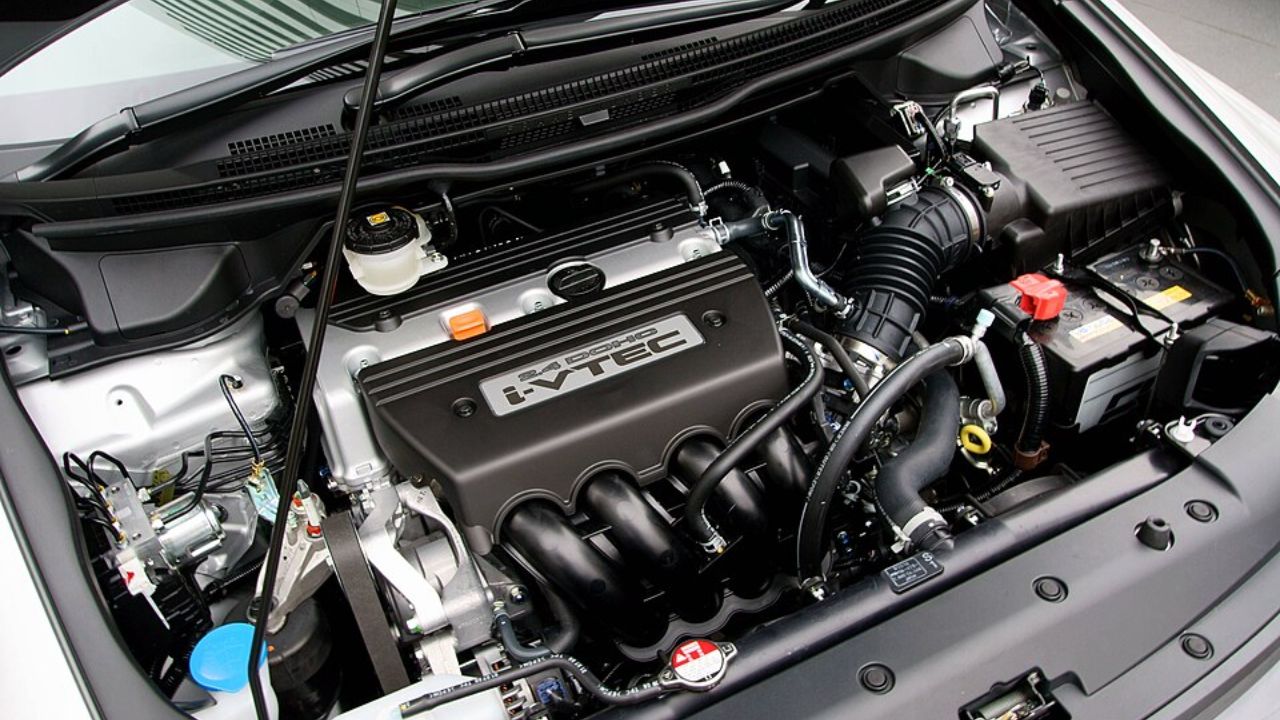
First, the 2.4-liter Honda K24A was the larger member of a family that Honda introduced in 2001. It used an aluminum block, i-VTEC valve control and roller rockers in the cylinder head to cut friction. US buyers found it in the 2002–2006 CR-V, the 2003–2007 Accord and the Element, which used it through 2011.
In addition, its range of tunes shows how flexible the design was. Ratings for Honda K24A versions ran from 158 horsepower in an early Japanese-market Element to 205 horsepower in the 2006–2008 Acura TSX. In other words, the same basic engine served a boxy utility wagon and a sport sedan without fuss.
Our take: the Honda K24A is the engine we’d pick if we wanted a modern four-cylinder built for the long haul. In our view, its low-friction design and simple layout are exactly what a high-mileage commuter needs. That’s why tuners like the Honda K24A, too, as we covered in our piece on the K24 engine tuners trusted. If you’re buying a used CR-V or Element, ask for oil-change records, because regular service is what keeps these engines going.
2. 1998–2011 Toyota 2UZ-FE V8
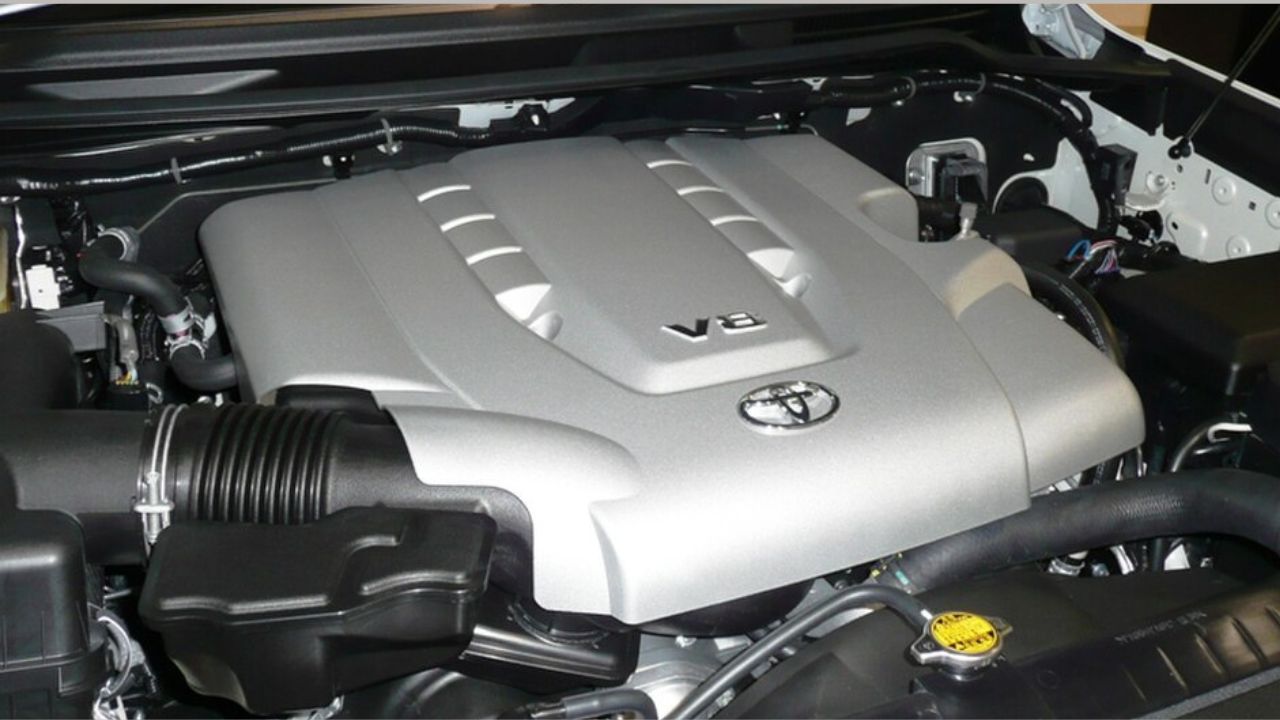
Toyota gave the 2UZ-FE something its sedan cousins never had: a cast-iron block. The engine history says Toyota chose iron for durability in low-revving, high-torque truck and SUV work. Displacement came to 4.7 liters, or 4,663 cc, with four valves per cylinder and two cams per bank.
As a result, it powered a long list of heavy haulers. The Land Cruiser used it from 1998 to 2011, the Tundra from 1999 to 2009, and the Sequoia, 4Runner, Lexus LX 470 and GX 470 joined in along the way. North American versions made 235 to 240 horsepower and 315 lb-ft of torque. Later VVT-i engines reached 271 horsepower before the UR V8s took over around 2010.
Our take: the 2UZ-FE is the reason many old Land Cruisers and Sequoias are worth buying with big numbers on the odometer. An iron block is heavy, but it suits an engine that spends its life towing. In our view, it is the safest V8 choice in any Toyota truck of its time. If you shop for one, ask for towing history and maintenance records, and favor trucks that have both.
3. 1999–2007 GM Vortec 5300 LM7 V8
GM’s LM7 is the everyday truck V8 of its era. It displaced 5.3 liters, or 325 cubic inches, and combined a cast-iron block with aluminum heads. Engineers built it as a longer-stroke version of the Vortec 4800, and it replaced the L31 as GM’s mainstream truck V8. Its bore and stroke measure 96 mm by 92 mm, and that stroke is 9 mm longer than the 4800’s.
Over time, output climbed through its life. The 1999 version made 270 horsepower and 315 lb-ft. Then the rating rose to 285 horsepower for 2000–2003 and 295 horsepower for 2004–2007. You’ll find it in Silverado and Sierra 1500 pickups, Tahoes, Yukons, Suburbans, Avalanches, Express vans and even two-wheel-drive Escalades.
Our take: the LM7 is the definition of a workhorse. It lacks the glamour of the later aluminum-block V8s. However, its iron block and simple pushrod layout make it a strong bet for a high-mileage truck. In our view, a well-kept 2004–2007 truck with the 295-horsepower version is the sweet spot. If you’re shopping, ask for service records and listen for a smooth idle, then judge the rest of the truck as you would any other.
4. 1985–2014 Chevrolet 4.3 V6
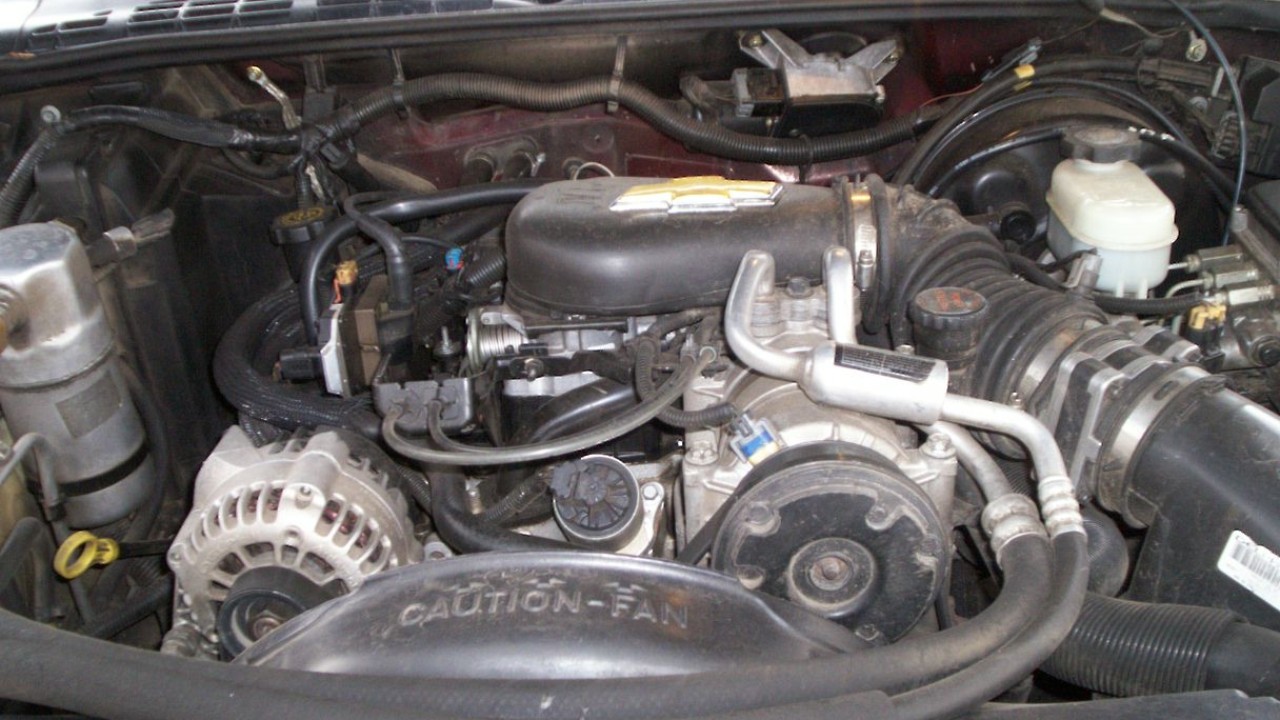
Chevrolet made this V6 by taking a small-block V8 and removing two cylinders, numbers 3 and 6. It kept the same 4-inch bore and 3.48-inch stroke as the 350. As a result, the cast-iron 4.3 shared much of its design thinking with Chevrolet’s most famous V8.
After that, it lasted a remarkably long time. The cast-iron engine ran from 1985 to 2014, and its end marked the close of an era of small-block designs that dated to 1955. Along the way, it served the Caprice, El Camino and Monte Carlo, the S-10 and Blazer, the Astro van and full-size pickups and vans. The turbocharged GMC Typhoon version made 280 horsepower, the highest rating ever for the cast-iron engine.
Our take: the 4.3 is the unsung hero of GM’s truck line. It gives you small-block toughness in a smaller package, which is why so many work vans and pickups used it. We like the 2003–2014 versions rated at 190 to 200 horsepower for a daily-driven truck. If you find an Astro or S-10 with one, look for steady maintenance, because it’s a basic engine that rewards basic care.
5. 1985–2002 Mercedes-Benz OM602
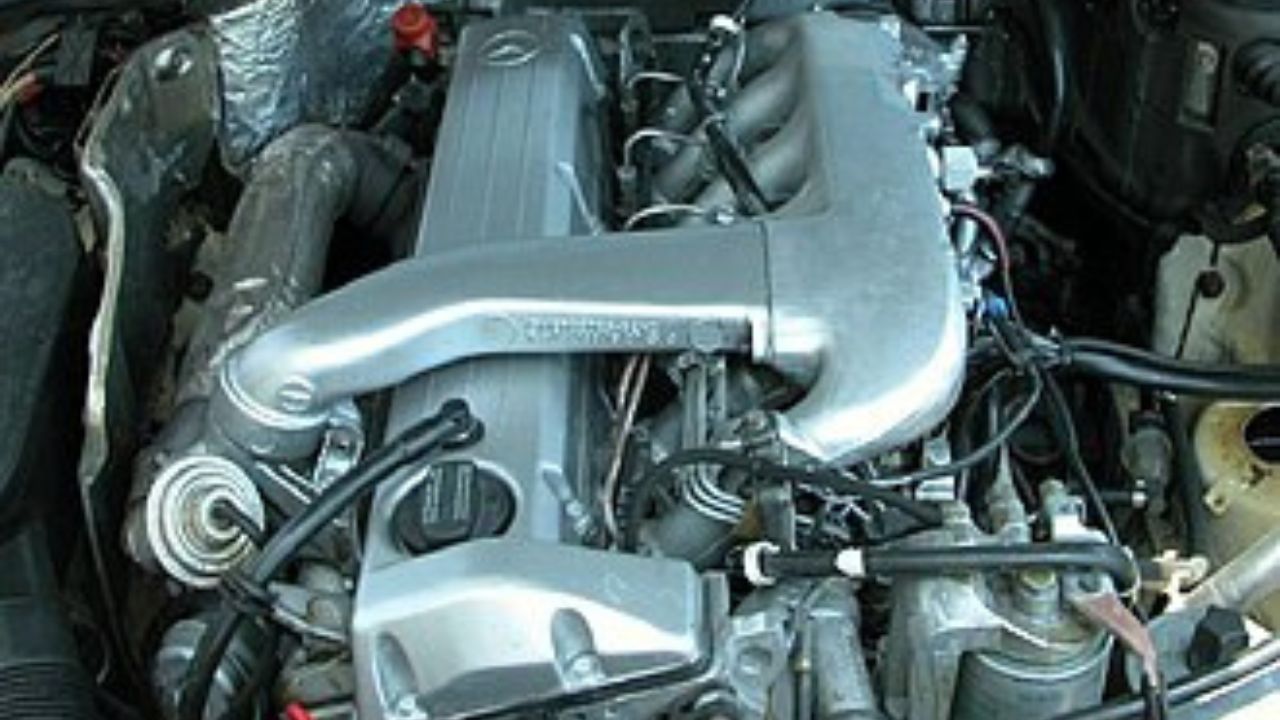
Mercedes-Benz built the OM602 diesel from 1985 to 2002 in 2.5-liter and 2.9-liter sizes, or 2,497 cc and 2,874 cc to be exact. It’s a straight-five with one overhead cam and two valves per cylinder. Most versions used indirect injection with a Bosch in-line pump, although later 2.9-liter engines switched to direct injection with a rotary pump.
Even so, outputs stayed modest, from 89 to 127 horsepower. Yet the engine went into a wide range of vehicles, including the W124 sedans and wagons, the compact W201, the G-Class, the T1 van and the Sprinter. Published histories report that some OM602-powered Mercedes passed 500,000 miles, and some reached 1,000,000.
Our take: the OM602 is slow, noisy and almost impossible to hurry, and we love it for exactly that reason. Simple mechanical injection and a stout five-cylinder block make it a favorite for owners who keep a car for decades. It’s the kind of engine you judge by the decade, not by the mile. If you’re shopping for a W124 300D or an early Sprinter, focus on how easily it starts cold and how much it smokes, since a healthy one should start cleanly and run smooth.
6. 2008–present Toyota 2AR-FE
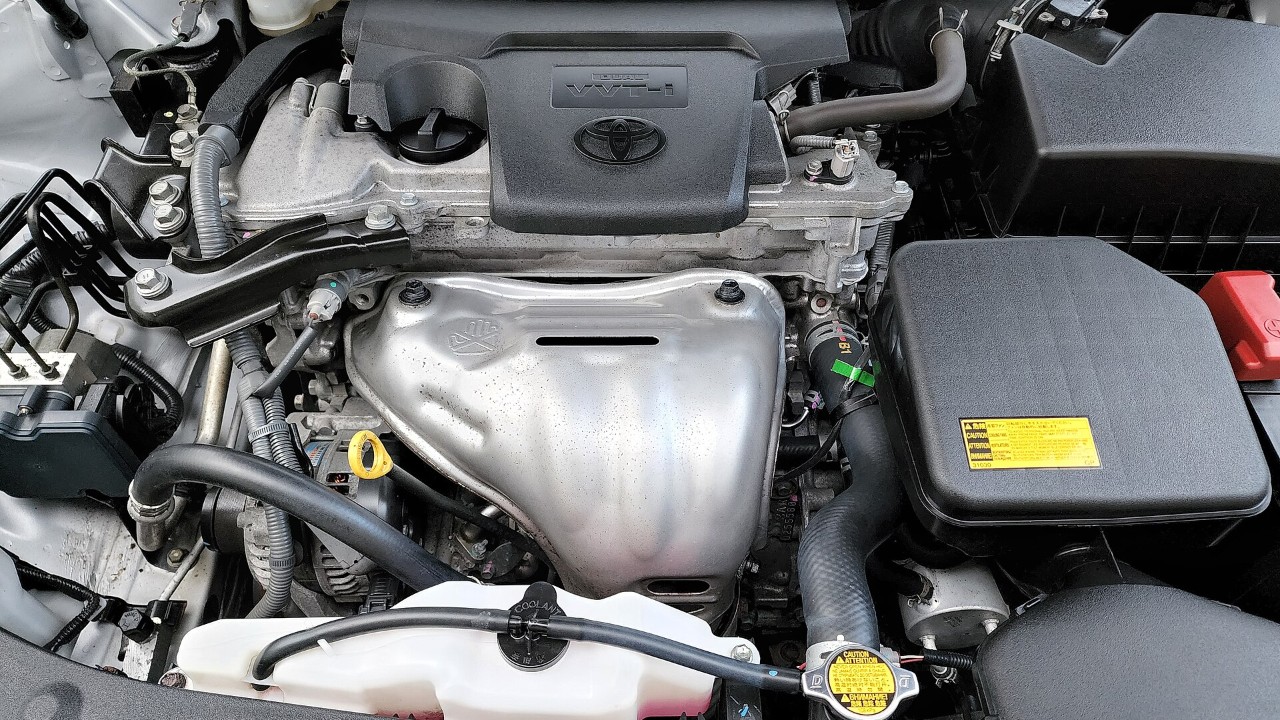
Toyota’s 2AR-FE first appeared in the 2008 RAV4 for the United States and Canada. It is a 2.5-liter four-cylinder with a die-cast aluminum block. More importantly for long-term owners, every engine in the AR family uses timing chains rather than belts.
The 2AR-FE then spread across Toyota’s lineup. Camry versions made 169 to 179 horsepower, while the RAV4 reached up to 179 horsepower and 172 lb-ft. Camry torque ran from 167 to 172 lb-ft, which is plenty for a midsize sedan, in our view. The Scion tC used it with 180 horsepower, and Lexus put it in the ES 250. The AR family also carries variable valve timing on both the intake and exhaust cams.
Our take: the 2AR-FE is the newest engine on this list, and we think it has earned its spot. A chain-driven, low-stress four in a Camry or RAV4 is about as safe a used-car bet as you can make. Admittedly, it won’t thrill you. Instead, it’ll just keep working, which is the whole point here. When you shop, look for regular oil changes in the records, and walk away from cars with signs of overheating.
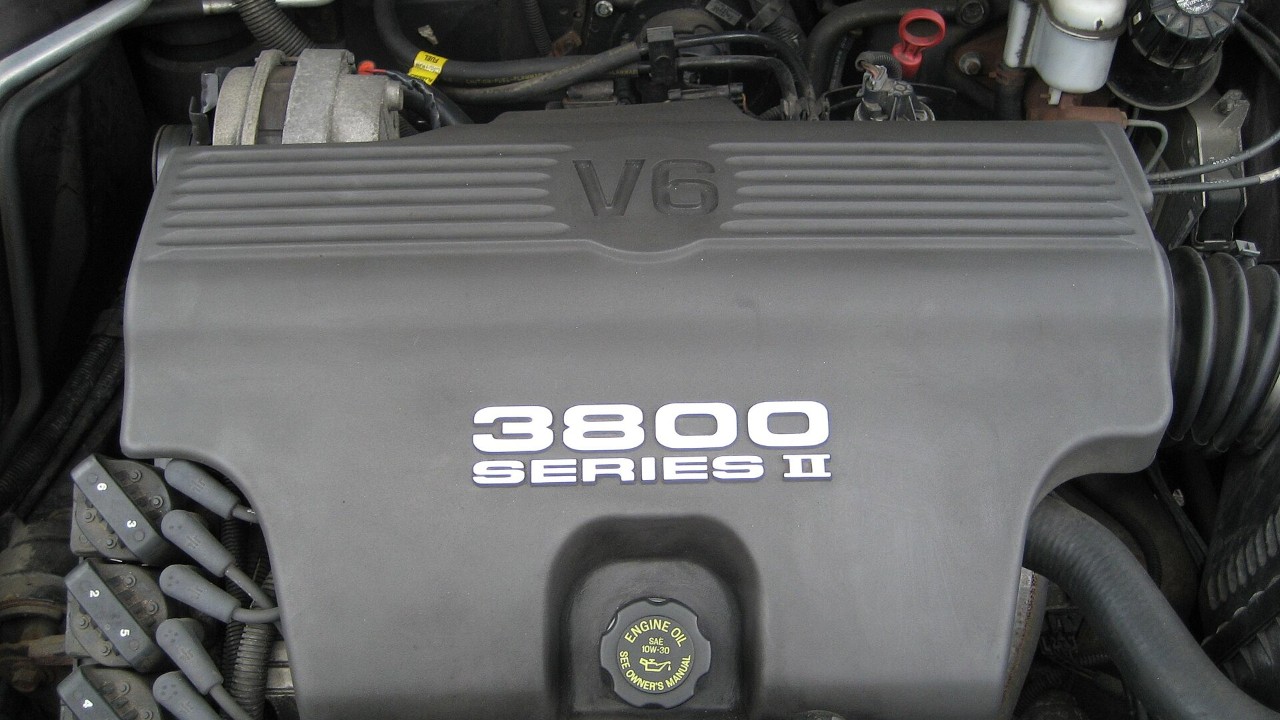
7. 1995–2005 GM 3800 Series II V6
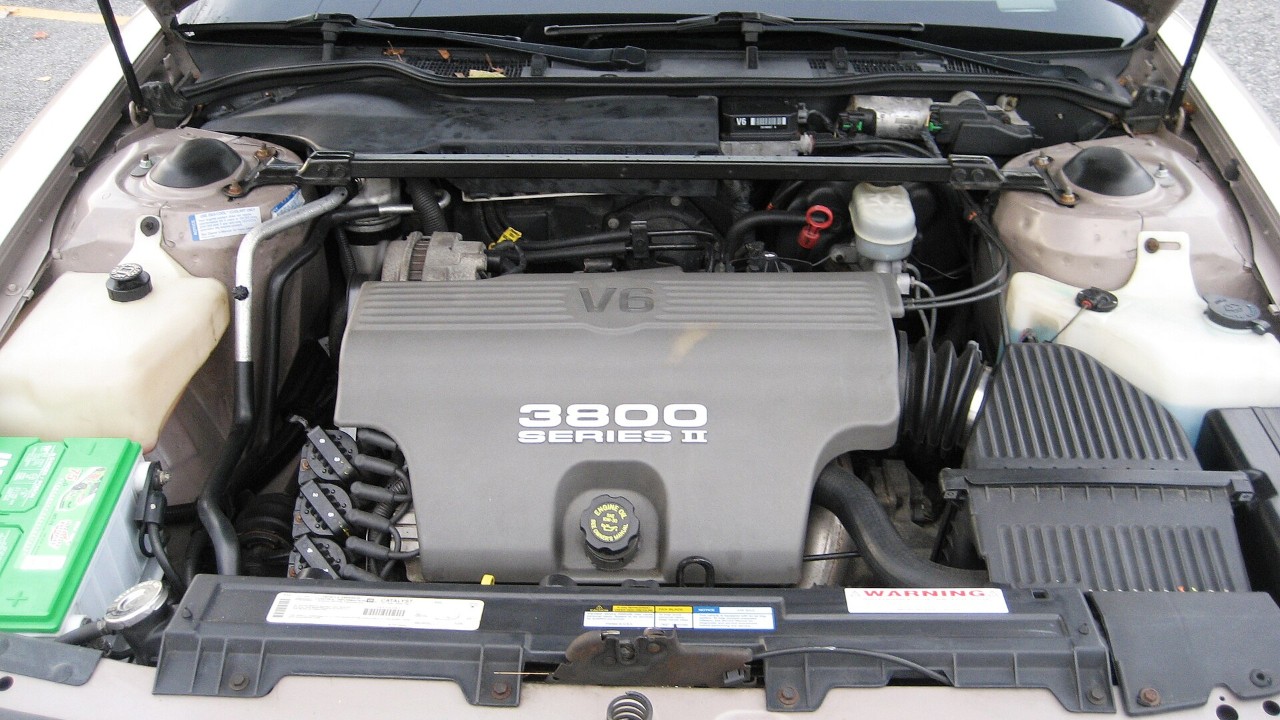
The 3800 Series II arrived in 1995, and its family tree goes back much further. According to Consumer Guide, the original Buick V6, called the Fireball, powered 1962 Buick Specials. GM later sold the design to Kaiser-Jeep, where it became the Dauntless 225, and then bought the rights back from American Motors.
The Series II made 205 horsepower and 230 lb-ft from 3.8 liters. Consumer Guide says it made Ward’s 10 Best Engines list from 1995 through 1997, and it puts total 3800 production at about 25 million. Meanwhile, GM listed the supercharged L67 version at 240 horsepower and 280 lb-ft. To make room for boost, the L67 dropped compression to 8.5:1 from the L36’s 9.4:1. Finally, production of the 3800 ended in August 2008.
Our take: the 3800 Series II is the most proven engine GM put in its front-drive cars, in our view. It powered LeSabres, Park Avenues, Bonnevilles, Impalas and Monte Carlos for years. We explain why mechanics respect it in our look at the GM 3800 V6. If you’re buying, ask for coolant and oil service records, since a well-kept 3800 is the one to own.
8. 1994–2003 Ford 7.3 Power Stroke
The 7.3 Power Stroke was Ford’s version of the Navistar T444E turbo-diesel V8. It displaced 444 cubic inches and used HEUI, an electronically controlled direct-injection system. Nearly 2 million left International’s Indianapolis plant for Ford trucks, vans and SUVs.
SlashGear tracks how the output grew. It says the 1994–1995 engines made 215 horsepower and 425 lb-ft, and late versions reached as much as 275 horsepower and 525 lb-ft. SlashGear credits forged connecting rods, cast-iron heads and a simple two-valve design for its reputation. Eventually, tighter emissions rules retired it, and the 6.0 Power Stroke replaced it in 2003. SlashGear also puts towing capacity at roughly 8,000 to 13,900 pounds, depending on configuration.
Our take: the 7.3 is the diesel that made Super Duty owners loyal to Ford, as we explained in our history of the 7.3 Power Stroke. Granted, it’s not fast by modern standards. However, its simple design is exactly what we want in an old work truck. If you shop for one, look for a documented service history and a healthy cold start. Then have a diesel specialist inspect it, because any engine this old deserves a second opinion.
9. 1996–2002 Chevrolet 350 L31 Vortec
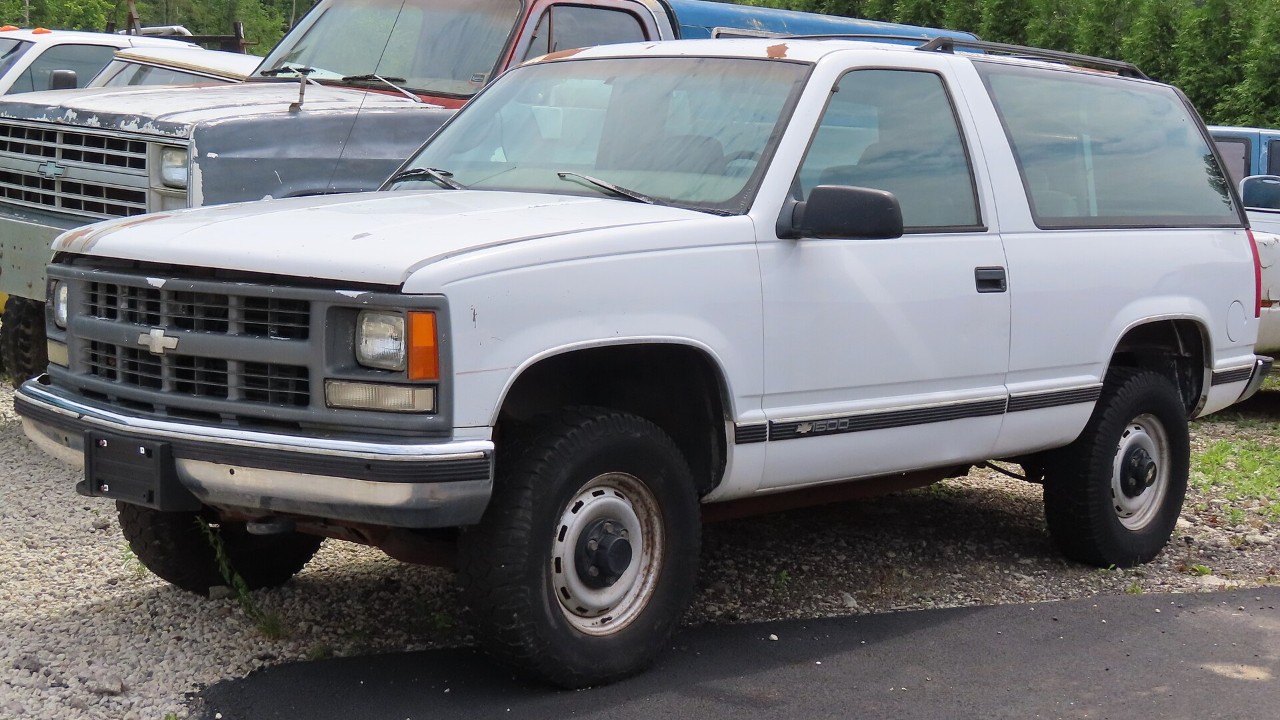
The L31 Vortec was Chevrolet’s last production first-generation small-block. It displaced 5.7 liters, or 350 cubic inches, and went into C/K pickups, Suburbans, Tahoes, Yukons, Express vans and even the 1999–2000 Escalade. Later, LS-based V8s such as the 5.3-liter LM7 and the 6.0-liter LQ4 took its place.
The heads are the secret. Vortec heads use combustion chambers and intake ports similar to the LT1’s, and they fit older small-blocks. For that reason, they are a popular low-cost airflow upgrade for hot rodders. The engine also kept going after the trucks moved on. Volvo Penta and Mercury Marine still build the L31, and a version is sold as the RamJet 350 crate engine.
Our take: the L31 is the best of the old-school small-blocks for a daily-driven truck. It’s simple, parts are everywhere, and almost any shop knows how to fix it. Its long second life in boats says plenty about how well it holds up. In our view, that’s the best endorsement an engine can get. When you shop, have a mechanic look it over, then enjoy one of the easiest V8s to live with.
10. 1991–2016 Nissan KA24DE
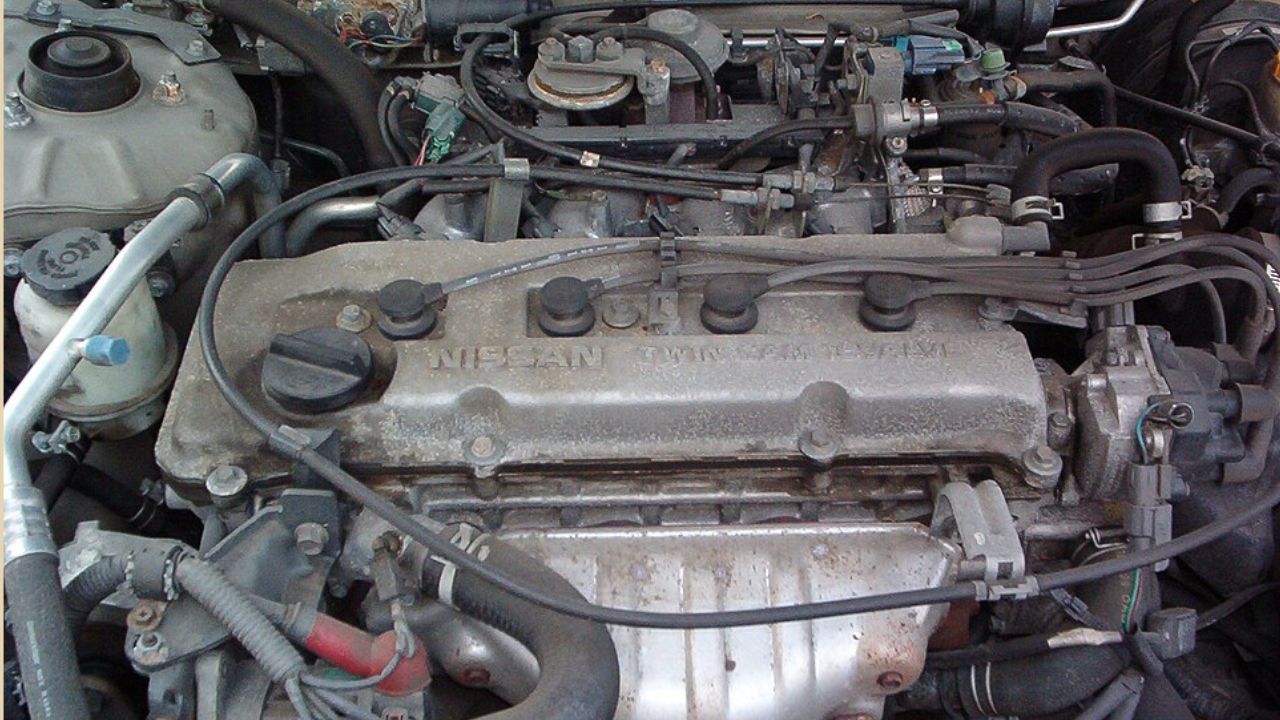
Nissan’s KA24DE is a 2.4-liter four with a cast-iron block and an aluminum head. It uses two overhead cams, 16 valves and a timing chain. Bore and stroke measure 89 mm by 96 mm, a long-stroke layout. Compression was 9.5:1 in the 240SX and 9.2:1 in the Frontier and Xterra. Passenger-car versions also added a crankshaft girdle, although the Hardbody and Frontier trucks went without it.
In fact, its résumé runs from sports coupes to pickups. The 240SX used it from 1991 to 1998, the Altima used a version through 2001, and the Frontier and Navara D22 trucks carried it from 1998 to 2016. The general rating was 155 horsepower and 160 lb-ft, while the Xterra version made 143 horsepower.
Our take: the KA24DE proves that an iron-block four with a chain can be just as tough in a drift car as in a work truck. We think it’s one of the most underrated engines Nissan built in the 1990s. If you buy a Frontier or 240SX with one, listen for any rattle on startup. A quiet engine and clean oil are good signs of a long life ahead.
More from Fast Lane Only