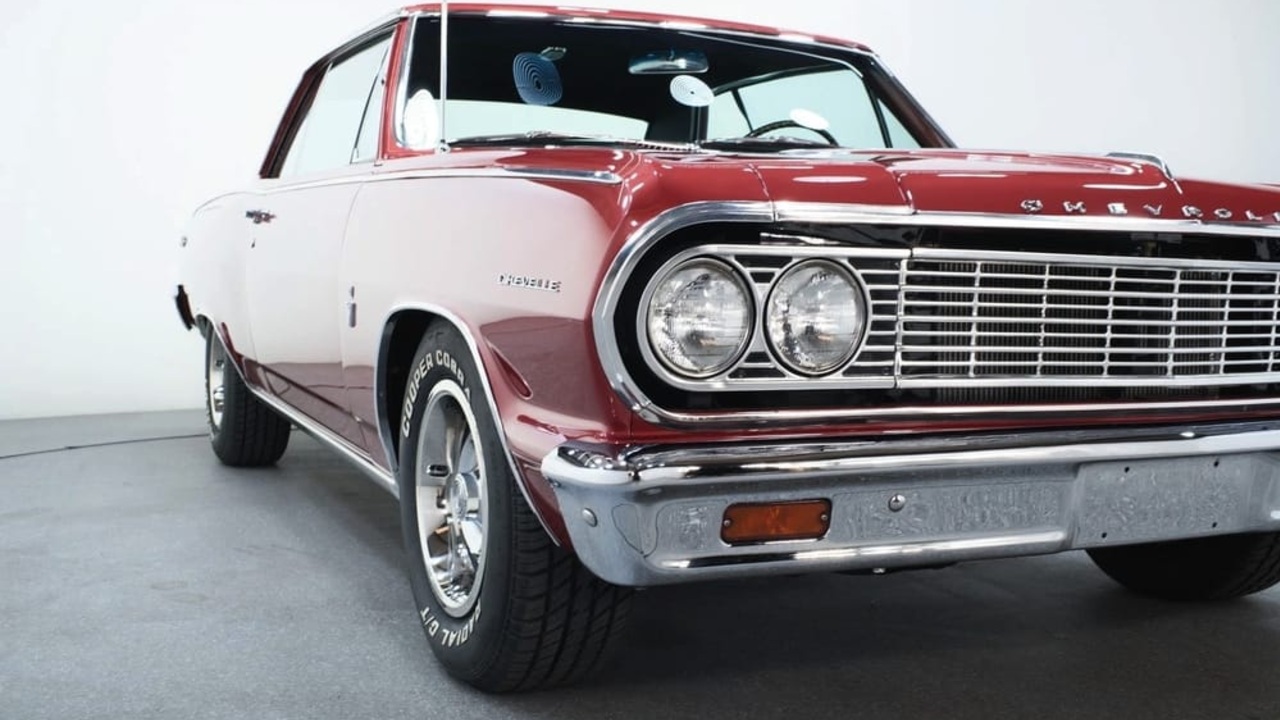
A Chevrolet Chevelle Malibu SS that spent more than two decades in pieces has finally returned to the road and is now searching for its next caretaker. The long-term project, begun in 2001 and wrapped up only in 2022, turns a once-tired mid‑size into a carefully restored performance coupe that bridges the gap between classic muscle and modern expectations. Its sale comes at a moment when the Chevelle name is resurfacing in contemporary performance circles, sharpening the contrast between original metal and new‑age reinterpretations.
For collectors, the car’s story is as compelling as its sheet metal. A genuine Malibu SS and, this coupe carries the weight of a 20‑year resurrection, extensive documentation, and a specification that speaks directly to enthusiasts who still prize analog power over digital trickery. As it heads to market, it offers a case study in how a well‑executed restoration can turn a once‑ordinary family car into a blue‑chip piece of American performance history.
The long road from project shell to finished Malibu SS
The Malibu SS and in question did not emerge from a quick cosmetic refresh but from a restoration that stretched from 2001 to 2022, a span long enough for trends, values, and even the broader muscle‑car market to shift around it. Over those years, the car moved from being a worn‑out survivor to a fully renewed example, with attention paid to both mechanical integrity and period‑correct presentation. The length of the build underscores how many classic Chevelles survive not because they were preserved when new, but because an owner or shop committed to a painstaking, multi‑stage revival rather than a rapid flip.
Described explicitly as a genuine Malibu SS and, the car benefits from the credibility that comes with an authentic performance pedigree rather than a later clone or tribute. That status matters in a market where badges and trim can be swapped easily, but factory provenance cannot. The restoration’s completion in 2022 means the work reflects contemporary standards for paint, bodywork, and driveline refurbishment, while still respecting the original configuration documented in its manuals and original paperwork. For a buyer stepping in now, the heavy lifting has already been done, yet the car remains fresh enough that it has not been worn down by years of post‑restoration use.
Powertrain and performance: period muscle with documented specs
Under the hood, the car aligns with the formula that helped define Chevrolet’s mid‑size performance strategy in the 1960s. V8 buyers were served by the 283-cubic-inch Turbo-Fire engine, producing up to 220 horsepower and anchoring Chevrolet’s performance image in the segment. That specific combination of displacement and output gave the Malibu SS and a balance of everyday drivability and genuine muscle, especially when paired with the right gearing and suspension tuning. In an era before widespread electronic driver aids, that power figure demanded driver engagement rather than software intervention.
For collectors evaluating this particular car, the presence of the 283-cubic-inch engine and its 220 horsepower rating is more than a trivia point, it is a key part of the car’s identity. The Turbo Fire branding ties it directly to Chevrolet’s broader V8 lineage, which helped cement the company’s reputation among enthusiasts who wanted accessible performance without stepping up to the most extreme big‑block options. When combined with surviving manuals and original paperwork, those factory specifications help verify that the powertrain configuration matches what the car carried when it left the assembly line, an important distinction for buyers who prioritize authenticity over later engine swaps or heavily modified builds.
Documentation, details, and the appeal to serious collectors
Beyond its mechanical specification, the Malibu SS and restoration is bolstered by a paper trail that many classic cars lack. Original manuals, period documentation, and other paperwork provide a narrative that stretches from the car’s early life through its long hibernation and eventual revival. For serious collectors, such records are not mere ephemera, they are evidence that the car’s story can be traced and verified, reducing the uncertainty that often surrounds half‑remembered histories and undocumented modifications. In a market where values can hinge on small details, that level of documentation can materially influence both desirability and price.
The quality of the finished product is reflected in the attention it has attracted since being offered for sale, including more than 40 watchers tracking its listing. That level of interest suggests the car has struck a chord with enthusiasts who recognize the difference between a quick respray and a methodical, two‑decade rebuild. It also indicates that buyers are increasingly attuned to the importance of provenance, originality, and long‑term stewardship when assessing classic muscle. For the eventual purchaser, stepping into ownership means inheriting not just a restored coupe, but the culmination of years of work that has already been validated by a watchful audience of fellow enthusiasts.
A classic Chevelle in a world of modern 70/SS tributes
The timing of this Malibu SS and sale is notable, arriving just as the Chevelle name is being revived in modern form. The Chevelle name still hits like a socket wrench dropped on concrete, and muscle car fans have begged for a comeback that respects the original’s attitude while embracing current engineering. That desire has helped give rise to the 2026 Chevy Chevelle 70/SS, a contemporary performance car that wraps old‑school shape in modern engineering and real‑world muscle credibility. With power outputs that can reach as much as 1500 horsepower in some configurations, it represents a radically different interpretation of what a Chevelle can be.
At the same time, the Chevel revival highlighted in recent coverage shows how far the concept has evolved, with modern tech and an absolutely insane amount of horsepower as much as 1500 to be expected in top‑tier builds. These new‑age machines trade carburetors for advanced fuel injection, analog gauges for digital clusters, and simple leaf springs for sophisticated suspension setups. Against that backdrop, the restored Malibu SS and stands as a counterpoint, offering a driving experience defined by mechanical feedback, modest by modern standards but deeply engaging power, and the tactile charm of period controls. For some buyers, the allure of a 283-cubic-inch Turbo-Fire V8 and a cabin free of screens will outweigh the temptation of four‑figure horsepower numbers.
Why this 20-year build matters in the broader muscle-car landscape
The story of this Chevelle Malibu SS is not only about one car changing hands, it reflects a broader shift in how enthusiasts value and interact with classic muscle. As modern reinterpretations like The Chevelle 70/SS and other high‑output Chevel projects push performance into supercar territory, original‑style cars that retain their factory character become cultural touchstones rather than mere used vehicles. A restoration that began in 2001 and concluded in 2022 captures that evolution in real time, starting when these cars were still relatively affordable and finishing in an era when they are recognized as important artifacts of American automotive history.
For the next owner, acquiring this Malibu SS and means stepping into a narrative that connects Chevrolet’s mid‑century performance ambitions with today’s horsepower arms race. The car’s genuine SS provenance, 283-cubic-inch Turbo-Fire engine with 220 horsepower, extensive documentation, and carefully executed restoration position it as more than a weekend toy. It is a rolling reminder of how muscle cars once balanced practicality with excitement, and how patient, detail‑driven work can rescue that balance from the brink of obscurity. In a market increasingly crowded with modern tributes and high‑tech reinterpretations, this long‑gestating build offers a rare opportunity to experience the Chevelle legend in its original, analog form.
More from Fast Lane Only