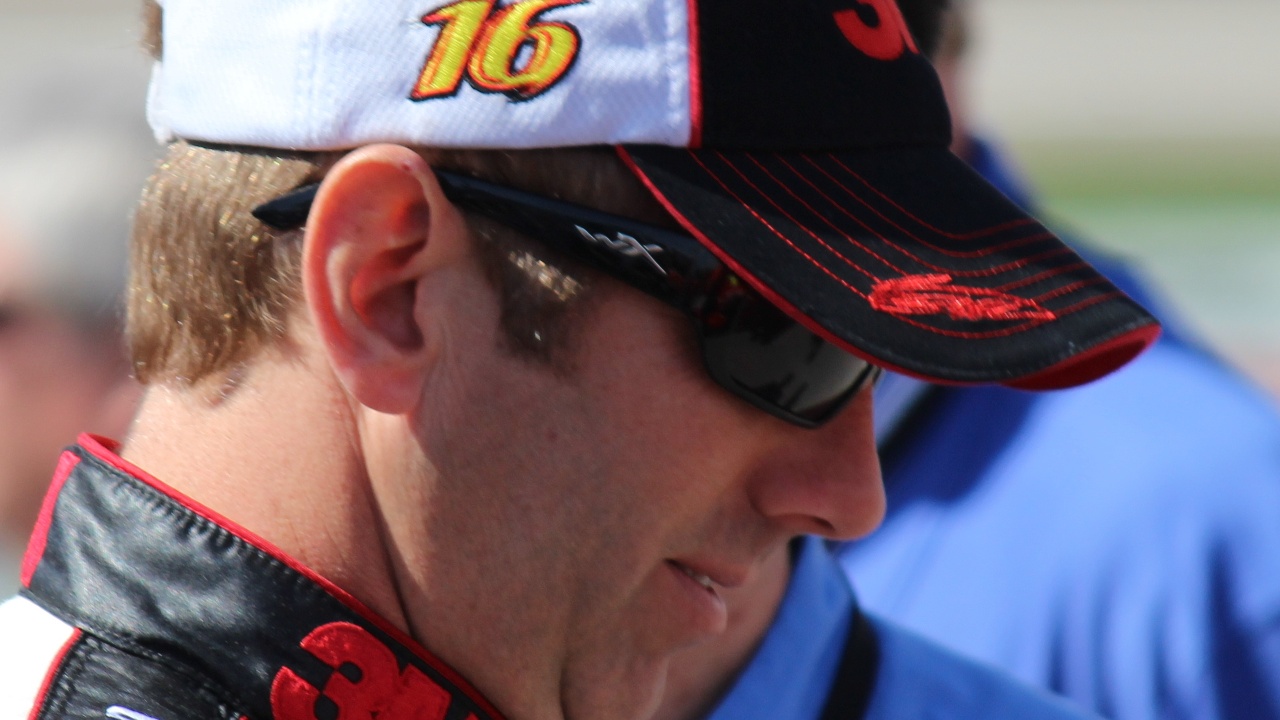
At Daytona, the familiar No. 16 is returning to the spotlight, not as a nostalgia play but as a shared act of remembrance. RFK Racing, Kaulig Racing, and NASCAR officials are aligning around a unified tribute to Greg Biffle, turning one of stock car racing’s biggest stages into a rolling memorial. Their collaboration reflects how deeply Biffle’s career and character shaped the modern Cup garage, and how determined the sport is to keep his legacy visible on track.
The partnership brings together Biffle’s longtime home at RFK, a newer contender in Kaulig Racing, and the sanctioning body itself to honor a driver whose achievements stretched from the Busch Series to the NASCAR Cup Series. By reviving his iconic number and styling, and by extending the gesture across the Season, the tribute is designed to resonate with fans who watched Biffle win and with younger viewers who know his name more as legend than weekly presence.
A unified tribute built around the No. 16
The centerpiece of the memorial effort is the decision by RFK and Kaulig Racing to carry Greg Biffle-style numbers in the Daytona 500, with the No. 16 car serving as the most visible symbol. Biffle’s tenure in the NASCAR Cup Series made that number instantly recognizable, and both organizations are leaning into that history so that when the No. 16 rolls onto the grid at Daytona, it evokes his prime rather than a generic entry. Team officials have been explicit that they want fans to see the car and think of Biffle first, a deliberate choice to tie current competition to past excellence.
Kaulig Racing is aligning its own No. 16 program with RFK’s visual cues, creating a shared look that nods directly to Biffle’s era. Chris Rice, CEO of Kaulig Racing and the, has underscored that “Greg Biffle made the No. 16 famous and was a true friend to Kaulig Racing and the whole racing community,” a statement that captures both competitive respect and personal loss. By coordinating number styles and presentation, RFK and Kaulig are effectively turning multiple Cup entries into a moving tribute, with NASCAR’s Daytona 500 spotlight amplifying the gesture for the entire sport.
RFK’s season-long commitment to Biffle’s legacy
Beyond the spectacle of Daytona, RFK has committed to honoring Biffle throughout the 2026 NASCAR Cup Series Season, signaling that this is not a one-weekend memorial. The organization has framed the campaign as a way to keep Biffle’s influence present in every race, integrating his story into the team’s ongoing identity. That approach reflects how deeply Biffle is woven into RFK’s history, from his early days in the organization’s pipeline to his peak as a Cup contender.
RFK has pointed to Biffle’s full body of work to explain why a Season Long Tribute is warranted. Before he became a fixture in the NASCAR Cup Series, Biffle captured the Busch Series championship in 2002, then translated that success into a top-level career highlighted by 19 NASCAR Cup Series victories. Those numbers, and the consistency behind them, helped define RFK’s competitive stature in the 2000s and early 2010s. By explicitly tying its 2026 program to Biffle, RFK is acknowledging that its current ambitions rest on foundations he helped build.
Kaulig Racing’s emotional stake in the memorial
For Kaulig Racing, the tribute is not only about honoring a rival organization’s legend but also about recognizing a driver who had become a close ally. Team leadership has described Biffle as a genuine friend to the group, someone who offered guidance and support as Kaulig expanded its presence in the NASCAR Cup Series. That personal connection explains why Kaulig Racing Honor the Late Greg Biffle With its own Season Long Tribute, rather than limiting its involvement to a single co-branded paint scheme or ceremonial decal.
The team’s No. 16 entry, driven by Allmendinger, is central to that plan. Kaulig officials have said they hope that when fans see the No. 16 car at Daytona, they think of Biffle, reinforcing the idea that the number itself carries emotional weight. By adopting Biffle-style numbers and integrating subtle visual cues associated with his tenure, Kaulig is effectively sharing custodianship of his legacy with RFK. The collaboration illustrates how Biffle’s influence extended beyond one organization, shaping the culture of newer teams that admired his approach to racing and professionalism.
NASCAR’s role and the Daytona 500 spotlight
NASCAR’s broader framework gives the tribute its national reach, particularly through the Daytona 500, the race that sets the tone for the entire Cup calendar. RFK Racing, described as the longtime home to Greg Biffle, is using that platform to pay tribute to “Biff” in front of the largest audience the series will see all year. The Daytona 500 is not only a crown jewel event but also a cultural touchpoint for casual viewers, which means the visual and ceremonial elements surrounding the No. 16 and related entries will reach far beyond the core fan base.
The sanctioning body’s willingness to accommodate Biffle-style numbers and coordinated team efforts underscores how seriously it takes the responsibility of honoring drivers who shaped the NASCAR Cup Series. By allowing RFK and Kaulig to present a unified look at Daytona, NASCAR is effectively endorsing the idea that Biffle’s story is part of the sport’s shared heritage, not just a chapter in one team’s media guide. The presence of multiple tribute cars in the 500, combined with references to Biffle’s history at Daytona and his past appearances in events where he wore numbers like 44 in the Cup Series, reinforces that this is a sport-wide moment of remembrance rather than a niche team initiative.
Greg Biffle’s competitive imprint and personal impact
The emotional weight behind the tribute is grounded in Greg Biffle’s record and reputation. On paper, his résumé is formidable: a Busch Series title in 2002, a career highlighted by 19 NASCAR Cup Series victories, and a central role in RFK’s rise as a perennial contender. Those achievements made him one of the defining drivers of his era, particularly in the No. 16, which became synonymous with steady speed and playoff relevance. For fans who watched him climb from the lower series into the Cup spotlight, the return of his number in familiar styling is a powerful reminder of that arc.
Yet the tone of the memorials from RFK, Kaulig, and NASCAR suggests that Biffle’s personal qualities resonate just as strongly as his statistics. Jack Roush has called Greg Biffle “one of the most special drivers” he ever worked with, a phrase that speaks to trust, loyalty, and shared battles over years of competition. Team leaders describe Biffle as a true friend to Kaulig Racing and the broader racing community, language that goes beyond standard corporate tributes. In that context, the coordinated effort at Daytona and across the Season is less about marketing and more about ensuring that a driver who shaped the sport’s competitive and cultural fabric remains visible every time the green flag waves.
More from Fast Lane Only