Scotland is tightening its grip on drink and drug driving as the festive season reaches its peak, with police forces rolling out an intensive holiday operation aimed squarely at motorists who mix alcohol or drugs with the wheel. The campaign is framed not as a seasonal publicity stunt but as a direct response to stubborn casualty figures and a worrying rise in drug-related offences on the roads.
I see this as a decisive attempt to shift Christmas culture away from the casual acceptance of “just one more” before driving, and toward a zero-tolerance mindset that treats impaired driving as a criminal act with life-changing consequences. The message is blunt: if you drive after drinking or taking drugs, you should expect to be stopped, tested and, if you fail, prosecuted.
Festive campaign ramps up roadside checks
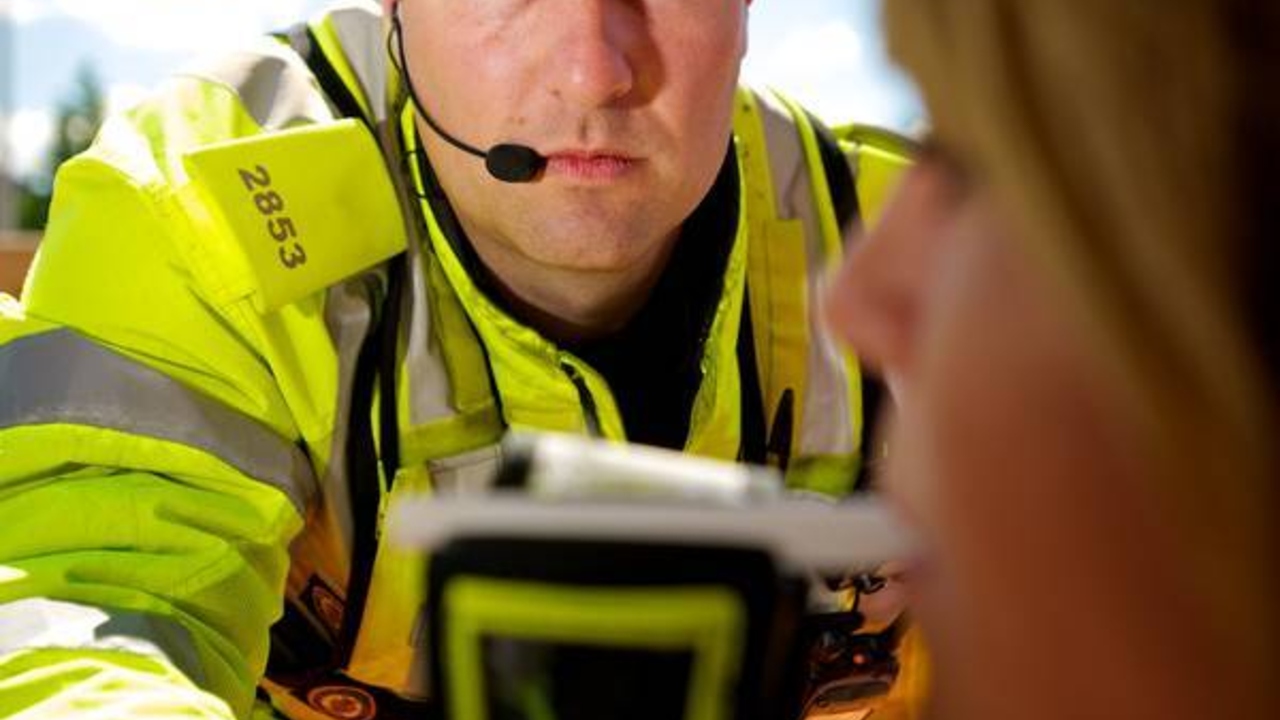
The core of the holiday crackdown is a visible surge in roadside checks, with Police Scotland using the festive period to intensify breath and drug testing across the country. The operation is framed around the idea that there should be “None for the road,” a slogan that underlines how even small amounts of alcohol can push drivers over the legal threshold and impair their reactions. During the whole of 2024, Police Scot officers carried out extensive enforcement activity, and the new campaign builds directly on that experience to target the busiest nights of the Christmas and New Year season.
In practical terms, that means more checkpoints on key commuter routes, late-night patrols around pubs and clubs, and early morning stops aimed at catching drivers who are still over the limit from the night before. The focus is not only on alcohol but also on drugs, with officers equipped to test for a range of substances that can leave motorists impaired long after the party ends. The clear intent is to make it impossible for drivers to assume they can slip through the net, and to reinforce that the “None for the road” message is backed by real enforcement rather than just seasonal slogans.
Rising offences and stark regional warnings
The crackdown is rooted in hard numbers that show drink and drug driving remains a persistent threat on Scottish roads. Between December 1, 2024 and January 19, 2025, police across Scotland conducted 5742 tests, resulting in 961 offences, a figure that underlines how frequently officers are still finding motorists under the influence. Those statistics are not abstract: each failed test represents a driver who, if not stopped, could have caused serious harm to themselves, passengers or other road users.
Regional campaigns are amplifying that warning. In areas such as Helensburgh and Lomond, drivers have been explicitly told not to drink drive as part of a broader push to cut local collision numbers, with the 961 offences across Scotland used as a stark reminder of how widespread the problem remains. In the Highlands and Islands, Police Scotland has launched its annual festive crackdown on drink and drug driving as new figures reveal a worrying pattern of offences involving not only drivers but also pedestrians and other road users who are put at risk. That Highland campaign sits alongside a wider message from senior officers that no community is immune, and that enforcement will be as robust on rural roads as it is in city centres.
Drug driving surge and the “day after” danger
Alcohol is only part of the story, and the holiday operation is increasingly shaped by concern over drug driving. Tomorrow Police Scotland launches its festive road safety campaign, which runs to January 4, with a specific warning about a 60% spike in drug driver cases that has alarmed senior officers. Jennifer Hyland Sunday has been cited in connection with that warning, highlighting how the force is seeing more motorists who either underestimate the impact of drugs or assume they are less likely to be caught than drink drivers.
That shift has practical consequences for how the Christmas crackdown is run. Officers are being briefed to look for signs of drug impairment as well as alcohol, and to treat illegal substances and misused prescription medication with equal seriousness. The “day after” risk is a particular concern, with drivers who have taken drugs or drunk heavily the previous night still impaired on the school run or morning commute. By tying the festive road safety campaign directly to the 60% spike in drug driving, Police Scotland is making clear that the crackdown is not just about catching people leaving parties, but about protecting roads around the clock.
Harsh penalties and Scotland’s tougher legal limit
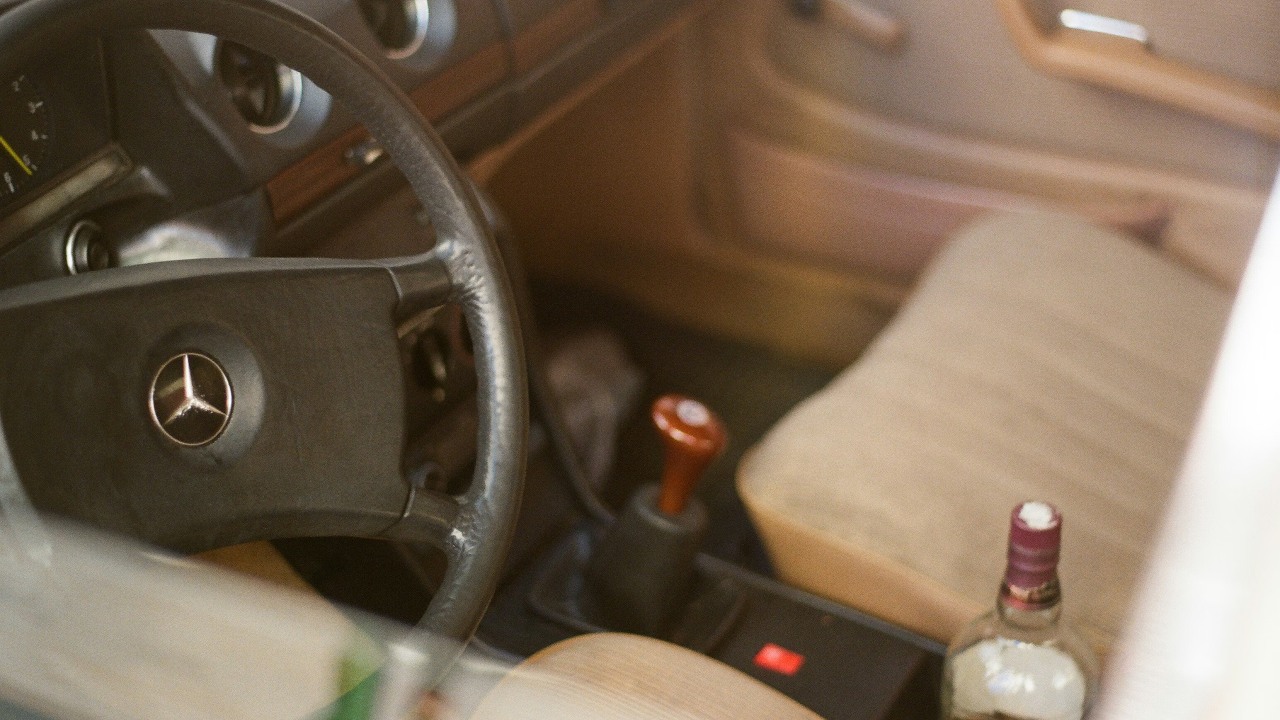
The holiday campaign is backed by a legal framework that treats impaired driving as a serious criminal matter rather than a minor traffic infraction. Official guidance from Traffic Scotland stresses that Drug/drink driving convictions are not only driving offences but criminal offences, and upon conviction you can receive a criminal record alongside penalties such as fines, disqualification and, in more serious cases, imprisonment. That reminder is central to the Christmas messaging, because it undercuts the lingering myth that being caught over the limit is simply an expensive inconvenience.
Scotland’s legal limit for alcohol is also stricter than in other parts of the UK, which reinforces the “None for the road” approach. While drink drive limits across England, Wales and Northern Ireland are aligned at a higher threshold, Scotland has chosen a lower level in line with most other European countries, reflecting a policy decision to prioritise road safety over any tolerance for “just one drink.” For motorists, that means a festive pint that might be legal south of the border could put them over the limit in Scotland, a nuance that becomes especially important as people travel for Christmas gatherings and New Year events.
Social media pressure and cross-border context
The crackdown is not confined to traditional roadside policing, and social media is playing a growing role in shaping public attitudes. In one widely shared Sussex Christmas Crackdown Update, 70 was highlighted alongside a report that 63 people had been arrested in a separate operation, figures that have been used to show how enforcement is ramping up across the UK. Although that particular update focuses on another region, it feeds into a broader narrative that impaired driving is under intense scrutiny everywhere, and that Scotland’s approach is part of a nationwide shift rather than an isolated campaign.
Within Scotland, similar messages are being pushed through online channels, including posts that reference how Police Scotland has begun its latest festive operation and how a top cop has revealed who is stopped the most on the roads for drink driving as the force prepares to come down hard on offenders. Those snippets, shared in Dec updates and amplified by hashtags such as #UKcheckpoints, help normalise the idea that checkpoints and breath tests are a routine part of holiday travel. By combining on-the-ground enforcement with digital pressure, the authorities are trying to make impaired driving socially unacceptable as well as legally risky.
Why the Christmas focus matters for long-term safety
The decision to concentrate resources over Christmas is not just about reacting to one busy month, it is about using a high-risk period to reset expectations for the rest of the year. The most recent figures available, from 2022, show that drink-driving is estimated to have resulted in 30 deaths and a significant number of serious injuries, a toll that gives weight to the current campaign. When Police Scotland launches its festive drink and drug-driving crackdown each Dec, the aim is to prevent a repeat of those tragedies and to remind drivers that every choice to drive after drinking or taking drugs carries real human costs.
I see the holiday operation as a kind of stress test for Scotland’s wider road safety strategy. If the combination of tougher limits, visible enforcement and clear communication can shift behaviour during the most temptation-filled weeks of the year, it strengthens the case for maintaining that intensity in quieter months. The figures from Between December and mid January, the 961 offences uncovered from 5742 tests, show how much work remains to be done. Yet they also demonstrate that when police go looking for impaired drivers, they find them, which is precisely why this Christmas crackdown is being framed not as a one-off blitz but as part of a sustained effort to make Scottish roads safer every day of the year.