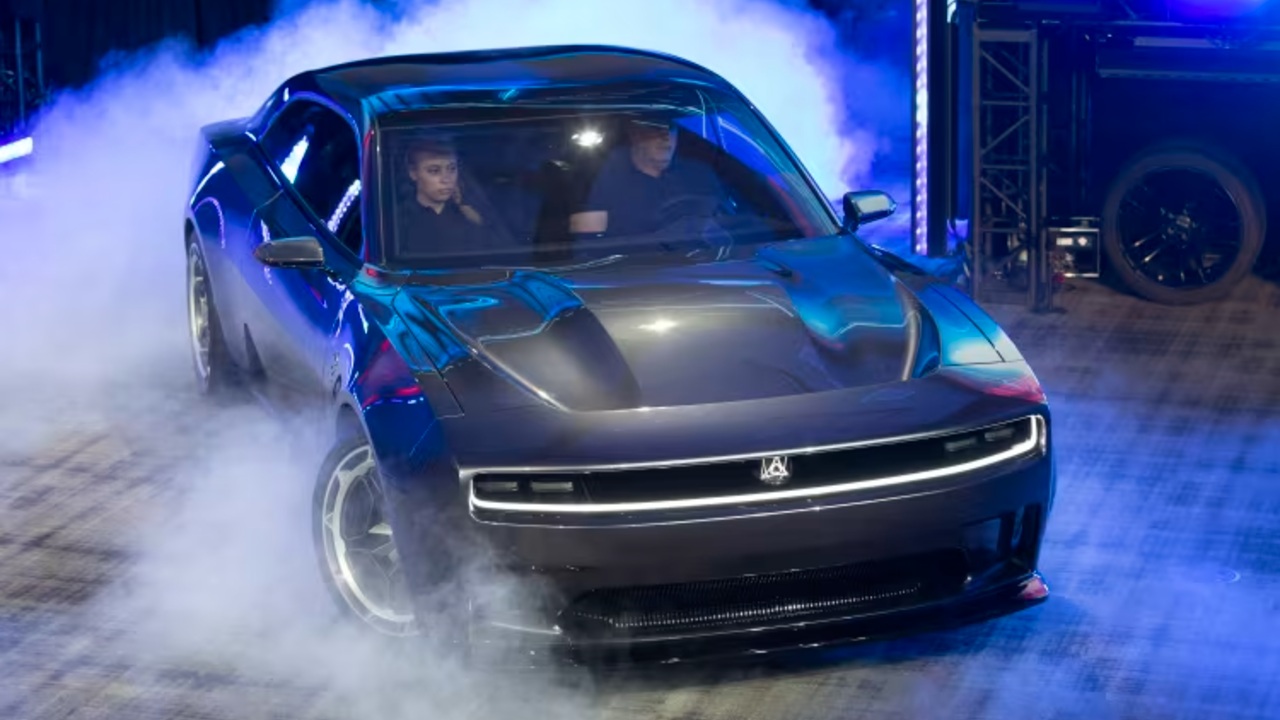
Stellantis is preparing a dramatic return for its signature V8, planning to build roughly 100,000 Hemi engines over the coming year as part of a broader rethink of its powertrain strategy. The move signals that, even as electrification accelerates, demand for traditional American muscle remains strong enough to reshape production lines and product plans. For enthusiasts and dealers alike, the decision suggests that the Hemi era is not ending, but entering a new and carefully managed chapter.
Why Stellantis is betting big on the Hemi again
Stellantis is not simply reviving a nostalgic nameplate, it is committing to volume. Internal targets call for output of at least 100,000 Hemi V8 engines in 2026, a figure that would have seemed unlikely when the company began phasing out big displacement powertrains in favor of downsized turbo units and electrified drivetrains. Executives are responding to a clear market signal that buyers still want the sound, torque, and character of a large naturally aspirated or supercharged V8, particularly in performance cars and full-size trucks. The decision to restart production of the full Hemi family, including 5.7 liter and 6.4 liter variants, reflects a belief that these engines can coexist with newer technologies rather than be replaced outright.
Behind the headline number is a manufacturing strategy that concentrates Hemi output in a single engine plant while coordinating with vehicle assembly lines that can flex between different powertrains. Reporting on the plan describes one facility tasked with building both traditional V8s and newer engines, a structure that allows Stellantis to dial Hemi volumes up or down as demand and regulations evolve. By framing the Hemi program as part of a larger portfolio that also includes turbocharged “Hurricane” engines and electrified options, the company is signaling to investors and regulators that this is a targeted response to customer demand, not a retreat from its long term emissions and efficiency commitments.
Customer demand, dealer pressure, and the limits of downsizing
The resurgence of the Hemi is rooted in a simple reality: buyers have not fallen out of love with big V8s. Reports on Stellantis planning note that “the people want Hemis,” a sentiment echoed by dealers who have struggled to satisfy customers looking for traditional muscle in the wake of earlier discontinuation announcements. Mopar performance divisions have seen strong interest in V8 powered models and crate engines, reinforcing the idea that there is still a robust market for this hardware even as hybrids and EVs gain share. The company’s decision to reintroduce a Hellcat powered Ram, for example, underscores how halo products can drive showroom traffic and brand identity in ways that smaller turbo engines cannot easily replicate.
Dealer and supplier feedback has also played a role. Stellantis has been working to bring average new vehicle prices back under $40,000, a goal that requires careful balancing of content, performance, and cost. Some earlier plans for low cost models were reportedly reconsidered in light of input from retailers, unions, and partners who warned that stripping out performance options could weaken the appeal of key nameplates. By committing to a defined run of Hemi engines, the company gives dealers a powerful marketing tool while still keeping overall volumes controlled. The strategy acknowledges that, for a segment of the market, the emotional pull of a V8 is worth paying for, and that trying to force every buyer into a downsized or electrified alternative risks leaving money on the table.
How the Hemi fits into Stellantis’s broader powertrain mix
Stellantis is positioning the Hemi program as one pillar in a diversified engine lineup rather than the centerpiece of its future. Alongside the planned 100,000 unit Hemi run, the company continues to invest in its Hurricane turbocharged engines and various hybrid and battery electric platforms. Reports indicate that shortages of Hurricane units have, at times, constrained production of certain models, which in turn has made the proven Hemi architecture an attractive way to stabilize output. By leaning on an established V8 design with known supply chains and manufacturing processes, Stellantis can hedge against bottlenecks in newer technologies while it scales them up.
The engine plant tasked with Hemi production is expected to operate as a flexible hub, capable of building both V8s and other high volume powertrains. This “one plant, two high output lines” approach allows Stellantis to adjust its mix as regulations tighten or as consumer preferences shift toward electrified options. It also spreads capital costs across multiple engine families, which is critical at a time when automakers are pouring billions into EV platforms that may not reach full profitability for several years. In this context, the Hemi run is not a nostalgic detour but a cash generating asset that can help fund the transition to lower emission technologies.
Muscle car heritage and competitive pressure
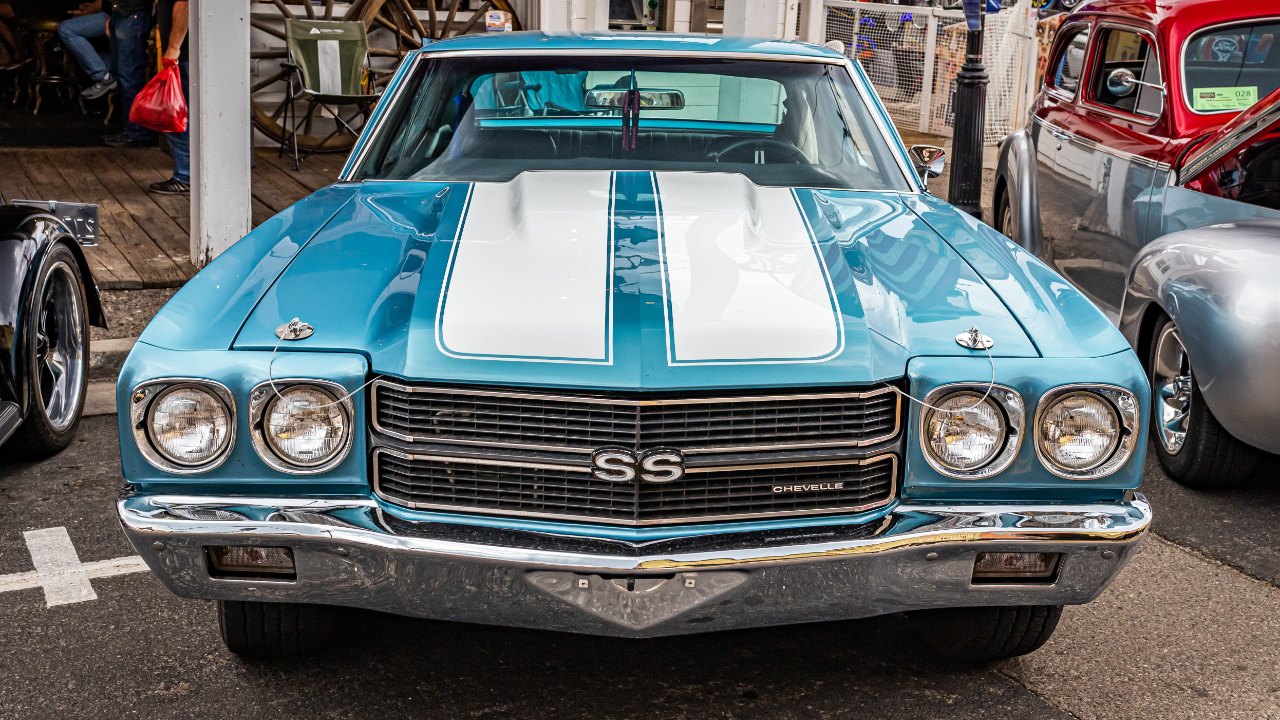
The Hemi name carries weight far beyond its technical specifications, particularly among fans of classic American performance. Commentators like Hank, described as a lifelong gearhead with a particular love for 1960s Mopars, have long argued that the brand’s identity is inseparable from its V8 heritage. While Stellantis has experimented with electrified muscle concepts and smaller turbo engines, the reaction from core enthusiasts has made clear that a Charger or Challenger without a Hemi risks feeling like a different kind of car altogether. By recommitting to V8 production, the company is reinforcing the lineage that connects modern products to the golden age of American muscle.
Competitive dynamics also matter. Coverage of Dodge’s plans has framed the renewed Hemi run as something that rivals, particularly Ford, may struggle to match in terms of both volume and cultural impact. While Ford has its own V8 offerings, including the Coyote in the Mustang and truck applications, it has leaned more aggressively into downsized turbo engines and hybrid systems. Stellantis, by contrast, is signaling that it will keep a large V8 in the mix for as long as regulations and economics allow. That stance could help it capture buyers who feel underserved by competitors that have moved more decisively away from big displacement engines, especially in segments where sound and character are central to the purchase decision.
Implications for trucks, pricing, and the road ahead
The decision to build 100,000 Hemi engines has immediate implications for Stellantis’s truck and SUV lineup. The return of the Hellcat powered Ram, for instance, gives the company a high profile flagship in the increasingly crowded performance truck space. At the same time, more conventional 5.7 liter and 6.4 liter Hemis provide a familiar option for buyers who tow, haul, or simply prefer the feel of a naturally aspirated V8. Reports suggest that some of the renewed Hemi output will help offset Hurricane engine shortages, which have constrained availability of certain configurations. By smoothing out these supply issues, Stellantis can better align production with demand and reduce the risk of customers defecting to rival brands when they cannot find the powertrain they want.
Pricing strategy is intertwined with these powertrain decisions. Stellantis has publicly discussed ambitions to bring typical new car transaction prices back below $40,000, a target that requires a mix of accessible models and higher margin halo products. Hemis, particularly in performance trims, tend to sit at the upper end of the price spectrum, but they also generate strong margins and brand heat that can support more affordable offerings elsewhere in the lineup. The company’s challenge will be to manage the Hemi run as a finite, strategically deployed asset rather than an open ended commitment that could clash with tightening emissions rules. For now, the plan to produce around 100,000 engines gives Stellantis a clear runway: enough volume to satisfy enthusiasts and dealers, enough flexibility to adapt as regulations evolve, and enough profit potential to help finance the next generation of powertrains that will eventually share, and perhaps one day replace, the Hemi’s place under the hood.
More from Fast Lane Only