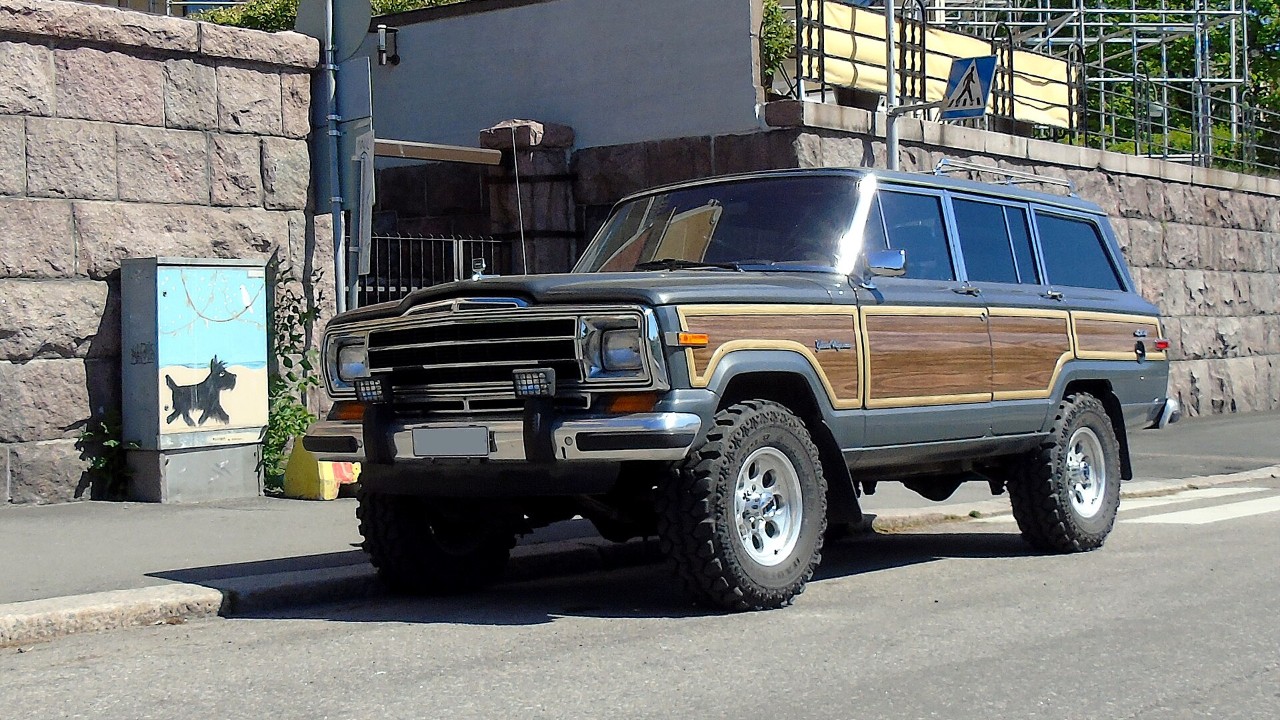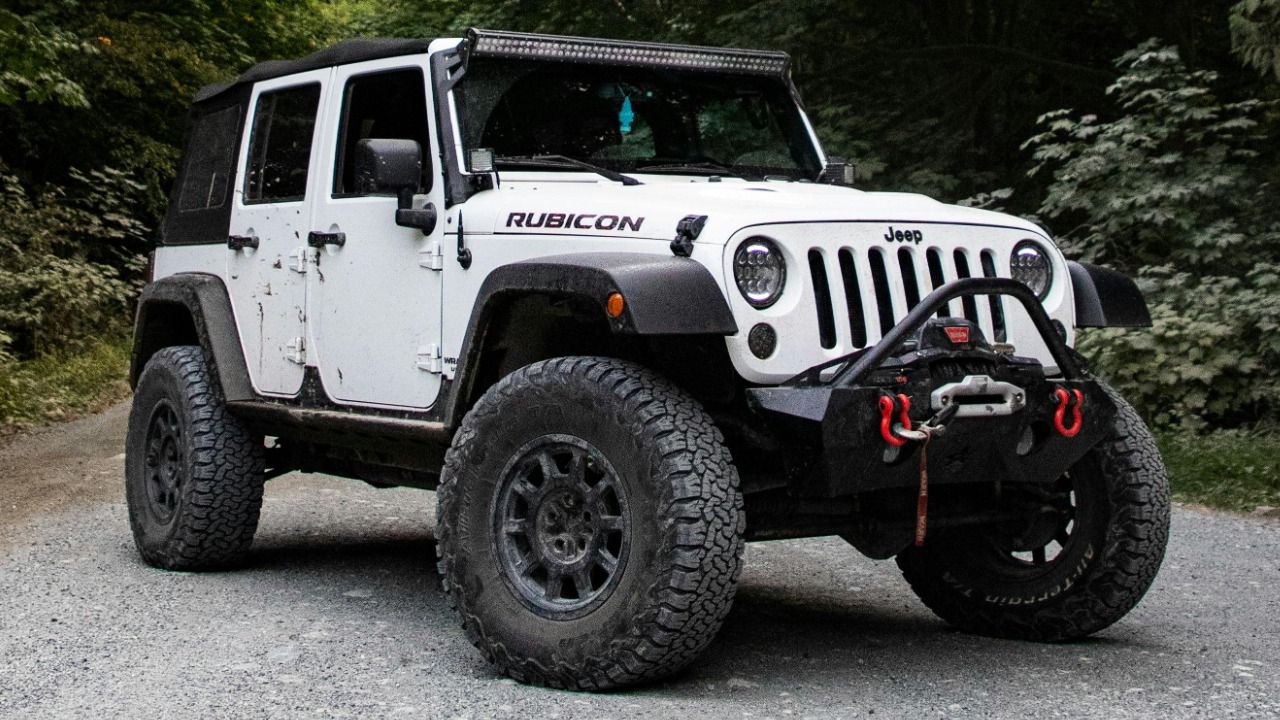
Two Jeep Wranglers stolen from a quiet Southeast DC block earlier this year did not stay local for long. Within weeks, federal officers in Baltimore opened a shipping container bound for West Africa and found the missing SUVs tucked inside, stripped of plates and paperwork but still wearing the scars of their Capitol Hill lives.
The discovery pulled back the curtain on a larger export pipeline that treats Washington area streets as a hunting ground and foreign ports as the final stop for high-demand vehicles.
From Capitol Hill curb to Baltimore dock
In January, thieves in WASHINGTON targeted two Jeep Wranglers that had been parked on the same Southeast DC street and removed them in a matter of seconds, a pattern that matched an earlier string of thefts where owners said the alarms never sounded and no glass was broken. One victim later told investigators that police believed the crew had likely replicated the key fob signal, a tactic that allows a modern SUV to be unlocked and driven away without a traditional break-in, according to earlier reporting on two Jeep Wranglers taken within minutes on the same Capitol Hill block.
After the owners filed reports and waited for word, the SUVs had already joined a clandestine journey north along the Interstate corridor, past neighborhood patrol cars and license plate readers, toward the Port of Baltimore where thousands of containers depart each year.
How officers cracked open the container
Customs and Border Protection officers in Baltimore, working inside a vast maze of stacked metal boxes, flagged one particular container for closer scrutiny after export paperwork did not appear to match the declared cargo. When officers opened it, they found the two Jeep Wranglers from Southeast DC along with other vehicles, carefully parked and packed in a way that suggested an organized operation rather than a one-off theft, according to images and details shared through a photo link tied to the case.
The container was headed for Africa, with West Africa identified by Customs and Border Protection in Baltimore as a leading destination for stolen cars because of heavy vessel traffic and the strong resale market for late-model SUVs and trucks, according to customs and border officials in the city.
Investigators linked the recovered Jeeps back to the Southeast DC thefts, giving victims at least the small satisfaction of knowing the vehicles had been intercepted before leaving the country, even as questions remained about who exactly orchestrated the export.
Inside a pipeline to West Africa
The Baltimore discovery did not surprise those who track transnational auto theft. In a detailed account of the case, reporter Shawn Henry described how the two SUVs from Capitol Hill were found inside a shipping container bound for West Africa and how that route fits into a broader network that routinely moves stolen vehicles overseas, according to an analysis of stolen Jeep Wranglers.
Customs and Border Protection officials say West Africa has become a favored endpoint for stolen American cars because of high demand for rugged SUVs and the logistical convenience of established shipping lanes. Once a vehicle is loaded into a container, altered paperwork and shell exporters can hide its origin long enough for it to clear foreign customs and disappear into local markets.
In the Washington region, thieves have shown a particular interest in Toyota Highlanders, followed by Jeeps, a pattern that matches national trends for export-grade thefts and has been documented in reports on Jeep Wranglers stolen.
One Jeep owner recounted in a video interview how his insurer had already paid out the claim when he learned that Border Patrol or customs agents had recovered the vehicle on the dock, a reminder that by the time federal officers open a container, the financial loss has often shifted from the individual to the insurance company, as described in a segment on stolen Jeeps found headed for West Africa.
Baltimore’s growing role and the limits of enforcement
The Port of Baltimore has quietly become one of the busiest fronts in the fight against export theft. Baltimore’s CBP Field Office says it ranked second in the country with 250 stolen vehicle recoveries in fiscal year 2024, a figure that highlights both the scale of the smuggling effort and the intensity of the response, according to data shared by the CBP Field Office.
Customs agents in Baltimore have also intercepted other high-value equipment from the region, including heavy machinery from Carroll County, Maryland that was still listed as stolen when officers spotted it staged for export to African markets and contacted the Carroll County Sheriff Office, according to an enforcement summary shared on CBP.
Even with those successes, officers acknowledge that they can inspect only a fraction of outbound containers, which means some stolen vehicles almost certainly slip through. The Jeep case illustrates how quickly a car can move from a Southeast DC curb to a foreign port and how much of the investigative burden falls on a relatively small cadre of inspectors who must decide, container by container, where to focus attention.
For residents of neighborhoods like Capitol Hill and Southeast DC, the story resonates on a personal level. Owners who once worried mainly about smashed windows now find themselves investing in steering wheel locks, signal-blocking pouches for key fobs, and tracking devices that can alert them if a vehicle starts moving without authorization.
Law enforcement agencies, in turn, are trying to knit together local theft reports, port seizures, and insurance data into a clearer picture of the networks at work. Audio from a discussion of the case on a regional sports and news platform, discovered through Locked On and related feeds, captured the frustration of residents who feel that technology meant to make cars convenient has also made them vulnerable.
For now, the two Jeep Wranglers from Southeast DC sit in legal limbo, evidence in a broader inquiry into who packed that container and how many other vehicles took the same route before it. The owners have already moved on to replacement cars, paid out by insurers, while investigators look back along the trail from Baltimore to the DC streets where the alarms never went off.
More from Fast Lane Only