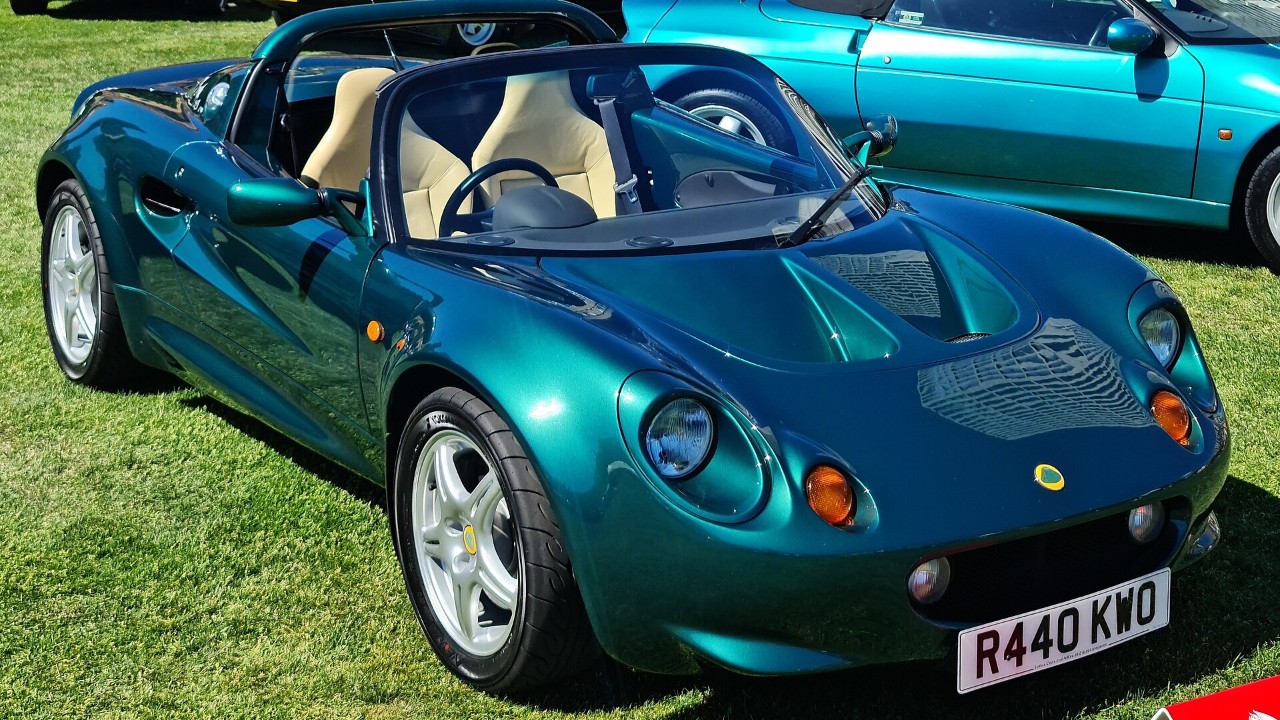
Lotus named the Elise after a little girl. In fact, Elisa Artioli was the granddaughter of Romano Artioli, then chairman of Lotus and Bugatti, and she stood beside the car at its unveiling. That sweet detail suits a light, simple car built around the driver.
Two seats and a light body have always been the shortest route to driving fun. However, plenty of two-seaters chase lap times or luxury instead. The ones that stick with you are the cars that talk back through the steering wheel and make a back road feel like an event.
These are our picks, 12 two-seaters we think were pure driving machines. The verdicts are our opinion. The years, engines and figures come from maker and reference sources we checked. Some are famous, some are overlooked, and every one of them rewards a driver who pays attention.
1. 1997 Lotus Elise S1
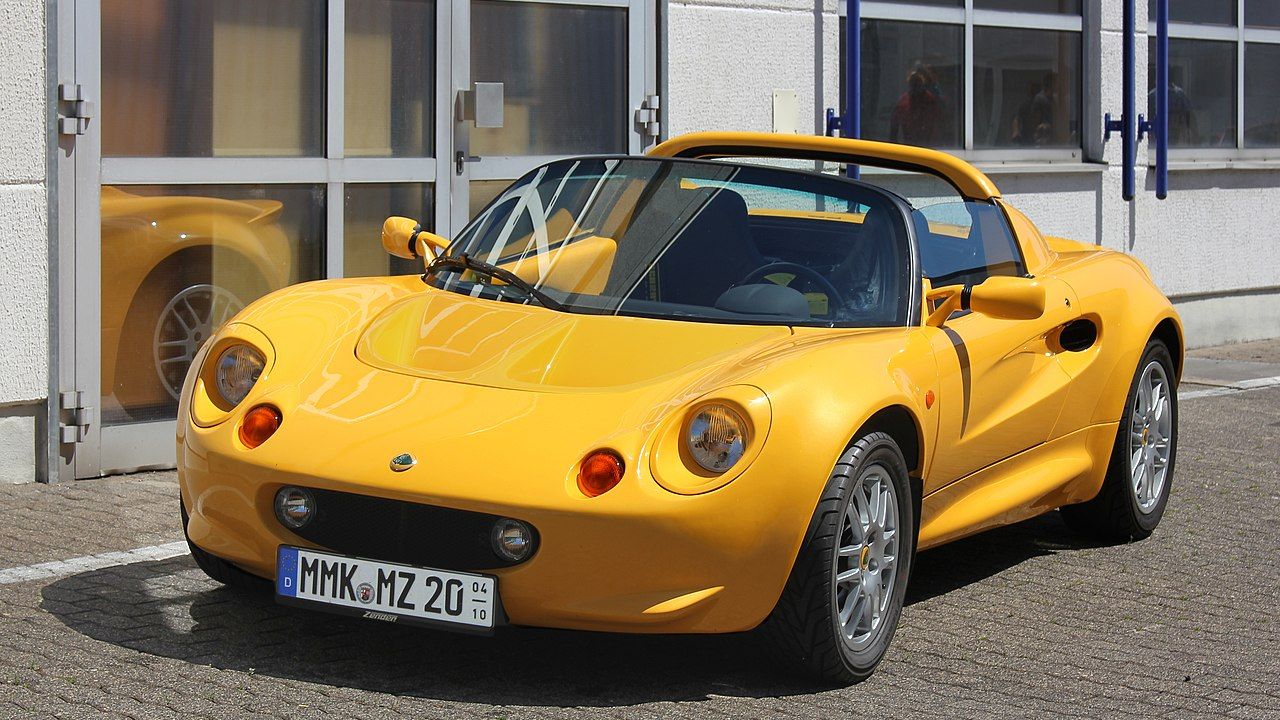
The Lotus Elise S1 began as Project M111 in 1994. According to AutoTrader New Zealand’s 30-year history of the Elise, the car made its public debut at the Frankfurt show on September 12, 1995. Production then started in 1996. The original business case projected only about 750 cars a year.
The clever part sits under the fiberglass. Lotus bonded anodized aluminum extrusions into a tub that weighed around 68 kilograms. As a result, the finished car tipped the scales at just 725 kg. Power came from a transverse 1.8-liter Rover K-series four rated at 88 kW, or 118 bhp, and a five-speed manual sent it to the rear wheels.
Our take: the Lotus Elise proved you did not need big power when you had almost no mass to move. Demand also beat that cautious forecast. By May 1997, Lotus had built its 1,000th Elise and raised capacity to 2,500 cars a year. If you find a clean S1, we’d pay for a specialist inspection and a full service history before we fall for the paint.
2. 1990 Mazda MX-5 Miata

Mazda showed the MX-5 at the Chicago Auto Show in February 1989. Hagerty UK’s look back at that debut notes Mazda brought three production cars in red, white and blue. Meanwhile, a yellow Club Racer concept shared the stand. The car went on sale in the US and Canada that May as a 1990 model, priced at $14,000.
The first US cars used a 1.6-liter twin-cam four rated at 115 hp at 6,500 rpm with the manual gearbox. Mazda kept the base car around 980 kg without options, too. Development teams even evaluated two Lotus Elans while they shaped it, and the influence shows.
In our view, the NA Miata is the reason the 1990s roadster boom happened at all. Mazda built 431,506 first-generation cars between 1989 and 1997. Hagerty says the model line has passed one million sales, which makes it the world’s most popular roadster. For a first sports car, we can’t think of a friendlier teacher. Buy the most rust-free example you can find, because the mechanicals are the easy part.
3. 1997 Porsche Boxster 986

Porsche needed a hit in the mid-1990s, and it got one. The Boxster concept appeared in January 1993 at the North American International Auto Show. Then the production 986 arrived in late 1996 with a mid-mounted 2.5-liter flat-six rated at 204 PS.
Here’s the money-saving trick. Porsche shared the hood, front fenders, headlights, much of the interior and the engine architecture with the 996-generation 911. That sharing kept costs down, and buyers didn’t mind. The Boxster became Porsche’s biggest volume seller from 1996 until the Cayenne arrived in 2003, and it is widely credited with saving the company.
Our take: the early Boxster is the purist’s bargain Porsche. With the engine in the middle, it has a low center of gravity and a balance that makes it easy to place in a corner. The base car’s modest power is part of the charm, because you can use all of it on a real road. If you shop one, we’d have a Porsche specialist inspect the engine and buy from an owner with records.
4. 2000 Honda S2000 AP1
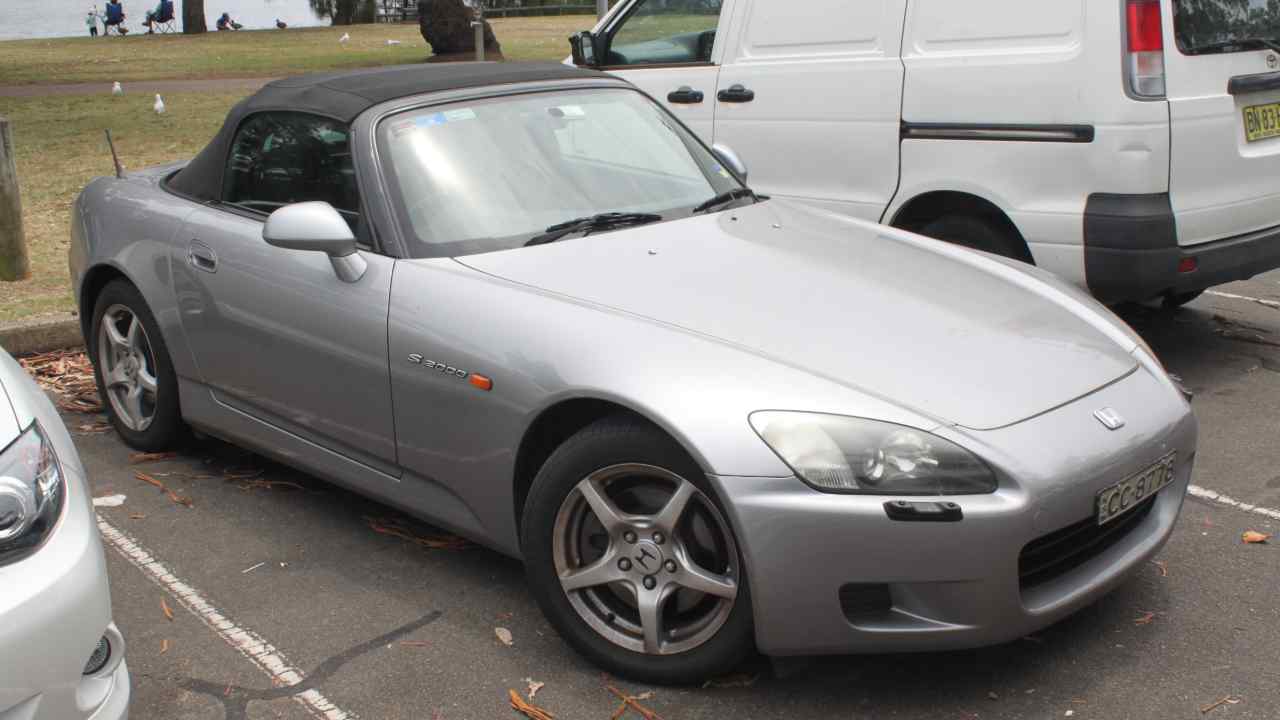
Honda launched the S2000 on April 15, 1999, for the 2000 model year, timed to the company’s 50th anniversary. Its F20C engine displaced 1,997 cc. Honda’s own history pages put its output at 250 PS in Japanese form, or 125 PS per liter. According to Honda’s 75-year history digest, that figure stood as a record for a mass-produced engine until 2010.
US cars were rated at 237 hp at 8,300 rpm, with 153 lb-ft arriving at 7,500 rpm. Honda also gave the car a six-speed manual, a Torsen limited-slip differential and a 50:50 weight balance. We covered how the early S2000 became an instant benchmark in a separate story.
In our view, the AP1 is the most demanding car here, and that’s the appeal. You have to wring it out to find the power, and the reward is a howl that feels like a race bike. Honda says about 110,000 S2000s sold in Japan, the US and Europe before production ended in 2009. We’d pay extra for an unmodified AP1, since so many got the aftermarket treatment.
5. 1998 BMW M Roadster
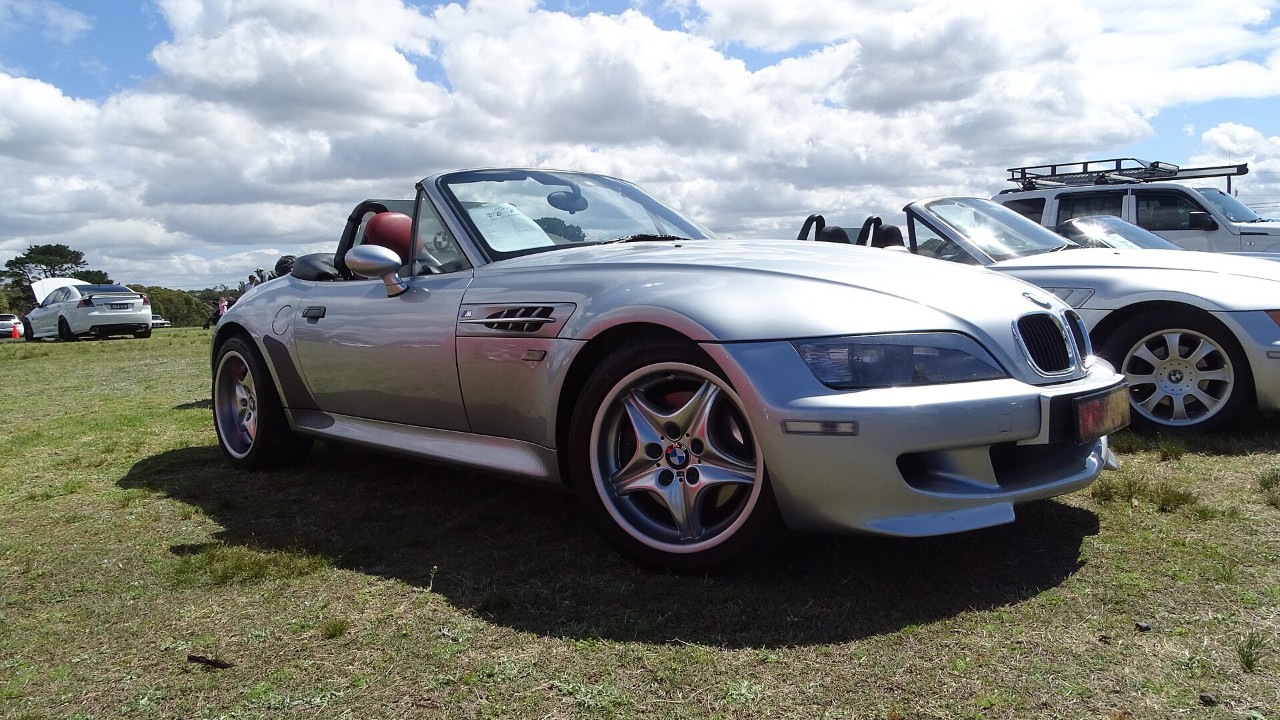
BMW built the Z3 in South Carolina, at its plant in Greer near Spartanburg. The M Roadster took that friendly little convertible and fitted a BMW M straight-six. North American cars used the S52 engine, rated at 240 hp at 6,000 rpm. European cars got the stronger S50 at first.
That difference annoyed some buyers at the time. Even so, the US car was plenty quick for a short-wheelbase roadster with a long hood. Both markets later switched to the S54 engine in 2001, which makes the last cars our favorites.
Our take: the M Roadster is the hairy-chested member of this group. It is less delicate than the Elise or the Miata, but it rewards a smooth right foot and quick hands. The short car with the big six makes a road feel narrow in a good way. If you buy one, we’d pay for a pre-purchase inspection by a BMW specialist. That small bill can save a big one later.
6. 1979 Fiat X1/9 1500

Bertone’s chief designer, Marcello Gandini, drew the X1/9. Fiat held press drives for it at the end of November 1972. The layout was exotic for an affordable car, with the engine mounted transversely behind the seats and a removable roof panel that stored in the front trunk.
The 1979 revision was the car’s only major update. It brought a 1,498 cc four from the Fiat Ritmo, rated at 85 PS in world-market form, plus a five-speed manual and new aluminum bumpers. Later, in 1982, Bertone took over production entirely and badged the cars as Bertone X1/9s. Roughly 160,000 were built in all.
In our view, the X1/9 is the most underrated car on this list. It offered a mid-engine layout and a targa top for small-car money, more than a decade before the Fiero. The steering is light and chatty, and the car feels like it pivots around your hips. Like most Italian cars of its age, condition is everything, so we’d inspect the body closely before talking price.
7. 1974 Triumph TR6
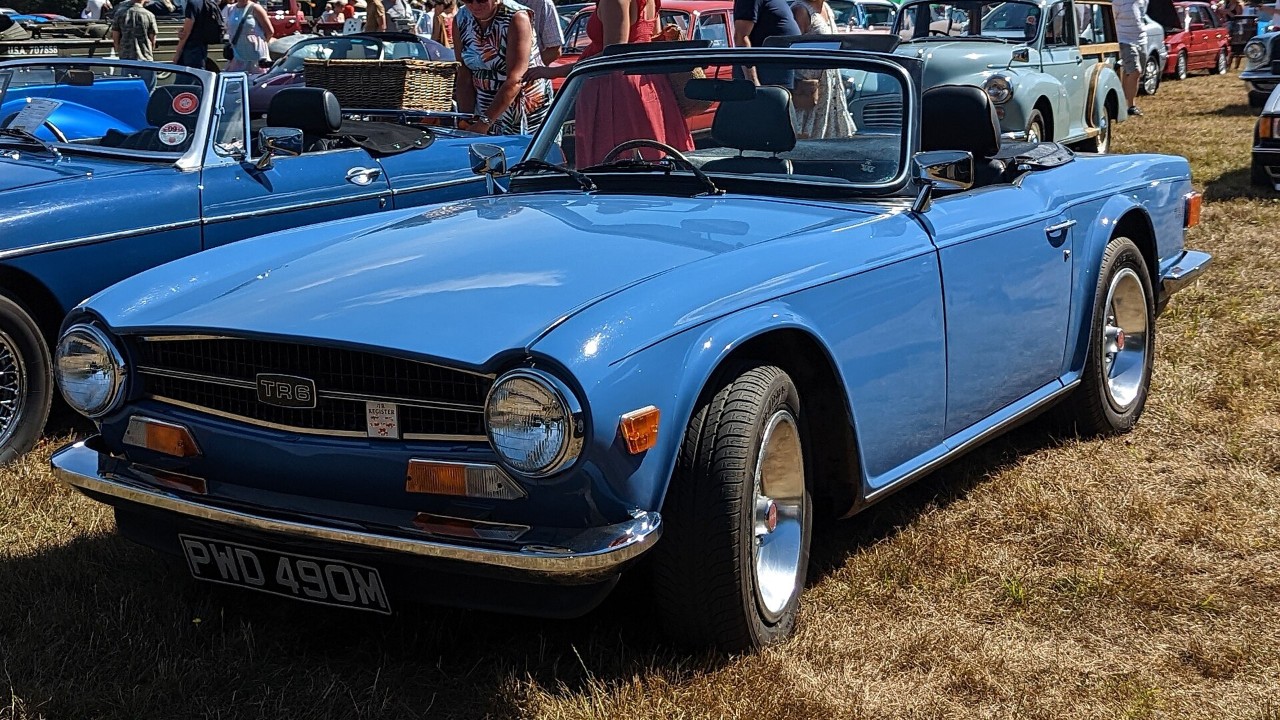
Karmann reworked the styling of the TR6 while Triumph carried over the chassis and much of the tub. The result looked crisp and square next to the curvy TR4 and TR5. Every TR6 used Triumph’s 2.5-liter straight-six, and the first production car was built in September 1968.
Most of them crossed the Atlantic. Of the 91,850 TR6s produced, 83,480 were exported, almost all to the United States. By comparison, only 8,370 were sold in Britain. Early petrol-injection cars used Lucas mechanical injection, while US cars used carburetors. Those carbureted cars were officially rated at about 104 to 106 bhp, and emissions equipment cut into performance.
Our take: the TR6 is a hairy old-school roadster with a soundtrack that does most of the work. The six-cylinder growl makes 50 mph feel like an occasion, which is exactly the point. It is also one of the easier British classics to own, given how many came here. We’d buy the best body we could afford, because bodywork costs more than engine work on most old roadsters.
8. 1966 Alfa Romeo Spider Duetto

Alfa Romeo unveiled its new Spider at the Geneva Motor Show in March 1966. Pininfarina built the body and handled final assembly. Alfa then ran a naming contest that drew more than 100,000 ballots, and Guidobaldo Trionfi of Brescia suggested “Duetto.” However, a confectionery maker held that trademark, so the car was officially called the Spider 1600.
The engine was a 1,570 cc twin-cam with dual Weber carburetors, rated at 109 PS DIN, or 108 hp. Alfa built 6,324 Spider 1600s across 1966 and 1967. Its rounded tail earned the Italian nickname “osso di seppia,” or cuttlebone, though many Americans just say boat tail.
In our view, the Duetto proves a driving machine can be beautiful and gentle at the same time. It isn’t fast by modern standards. Instead, it rewards rhythm, with a sweet twin-cam that loves revs and a gearbox you want to keep using. Hollywood helped, too, when a 1966 Spider starred in “The Graduate” in 1967. We’d treat any early Duetto as a body-first purchase.
9. 1965 Lotus Elan S2
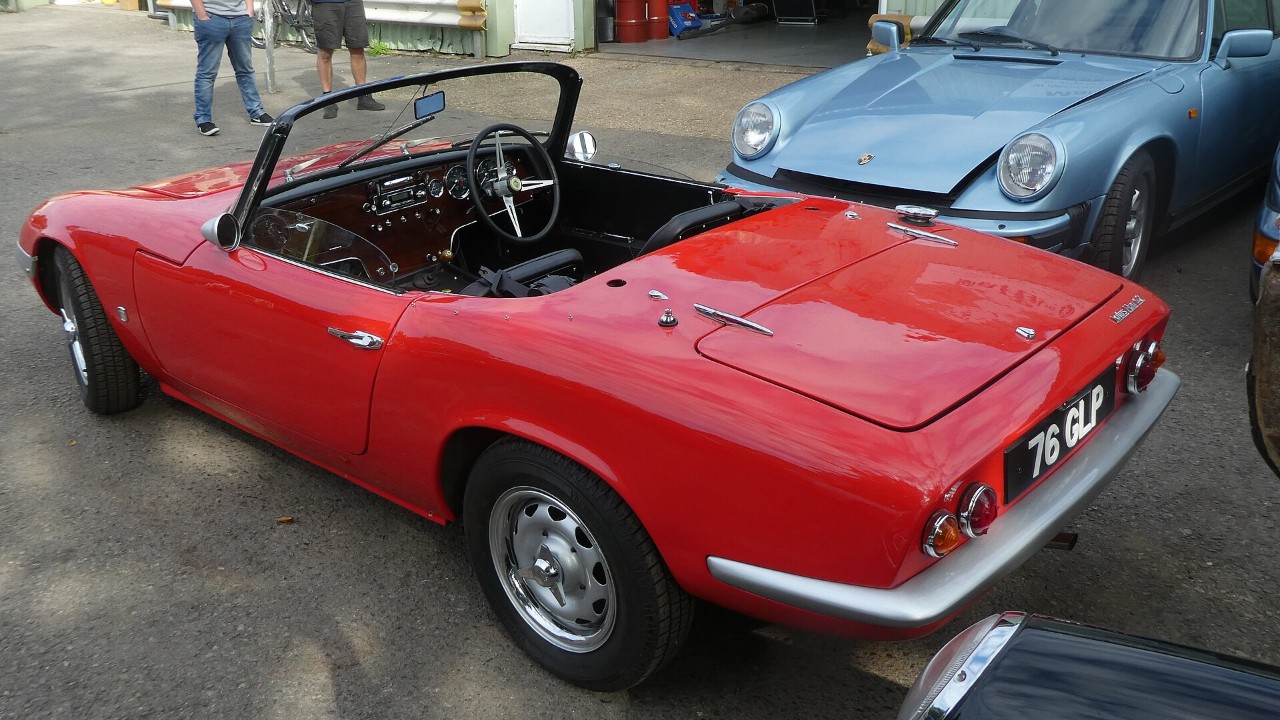
The Elan S2 replaced the Elan 1600 in 1964. Lotus gave it a full-width polished wooden dashboard, larger front brake calipers and a rear light cluster borrowed from Vauxhall. Knock-on wheels also became an option. We told the story of how the first Elan redefined handling in an earlier feature.
Underneath sat a steel backbone chassis shaped a bit like a double-ended tuning fork. The fiberglass body bolted to it at 16 points and sat over the spine like a saddle. Power came from the 1,558 cc Lotus Twin Cam, a twin-cam conversion of Ford’s Kent four. The S2 weighed just 1,485 pounds.
Our take: if the Miata has a grandparent, this is it. Mazda’s engineers evaluated two Elans while they developed the MX-5, and you can feel why the moment an Elan turns in. Colin Chapman called it a touring car, yet customers raced it anyway. We’d have a specialist inspect the backbone chassis for corrosion, since that part decides what you are really buying.
10. 2001 Chevrolet Corvette Z06
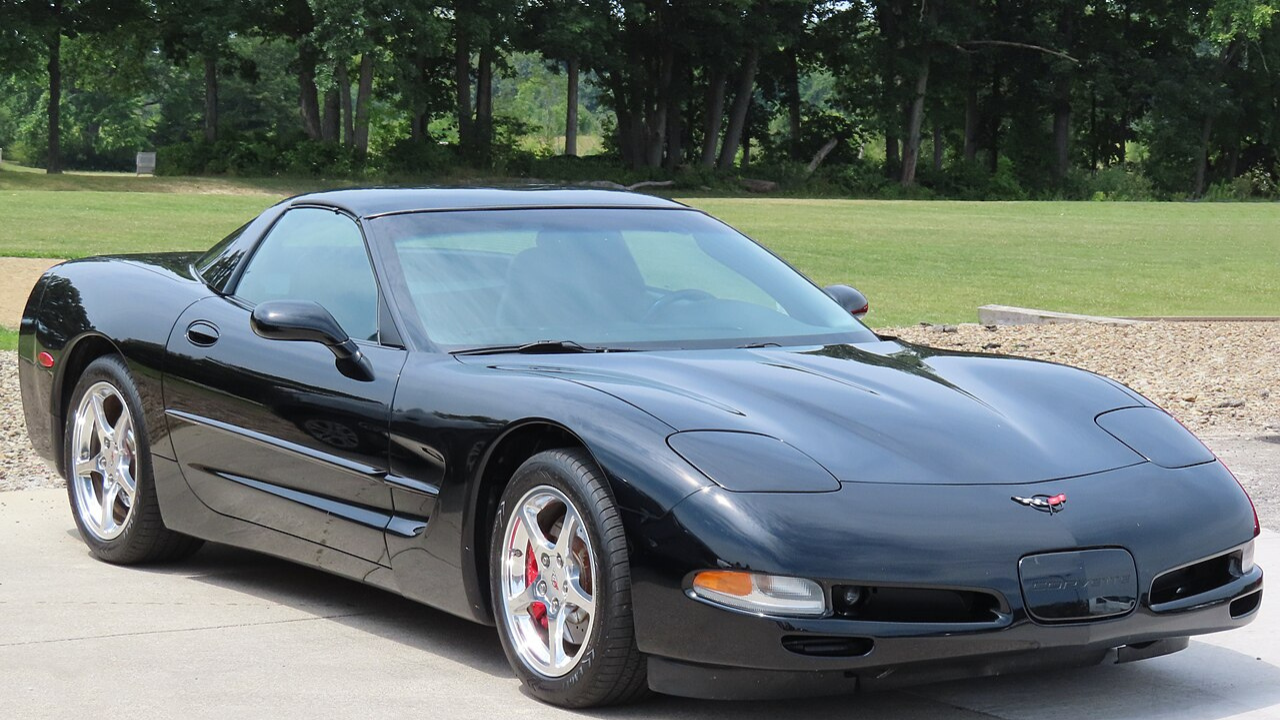
Chevrolet revived the Z06 name for 2001 as a nod to the high-performance Z06 package of the C2 era. Instead of the convertible or the hatchback, the C5 Z06 used the fixed-roof hardtop. Chevrolet picked that body because it was the stiffest of the three.
Its LS6 V8 made 385 hp in the first year. Then, for 2002 through 2004, output rose to 405 hp at 6,000 rpm, with 400 lb-ft of torque at 4,800 rpm. Chevrolet also chased weight with measures such as a titanium exhaust system. The Z06 came in at 3,118 pounds, which was 128 pounds lighter than a regular C5 hatchback coupe.
In our view, the C5 Z06 is the bargain track car hiding in plain sight. It is the only V8 on our list, and it brings a level of grip the older roadsters can’t touch. Yet it feels light and simple by modern standards, with a fixed roof that feels taut. If you find one, we’d have a Corvette specialist go through it before we sign.
11. 1973 Porsche 914 2.0
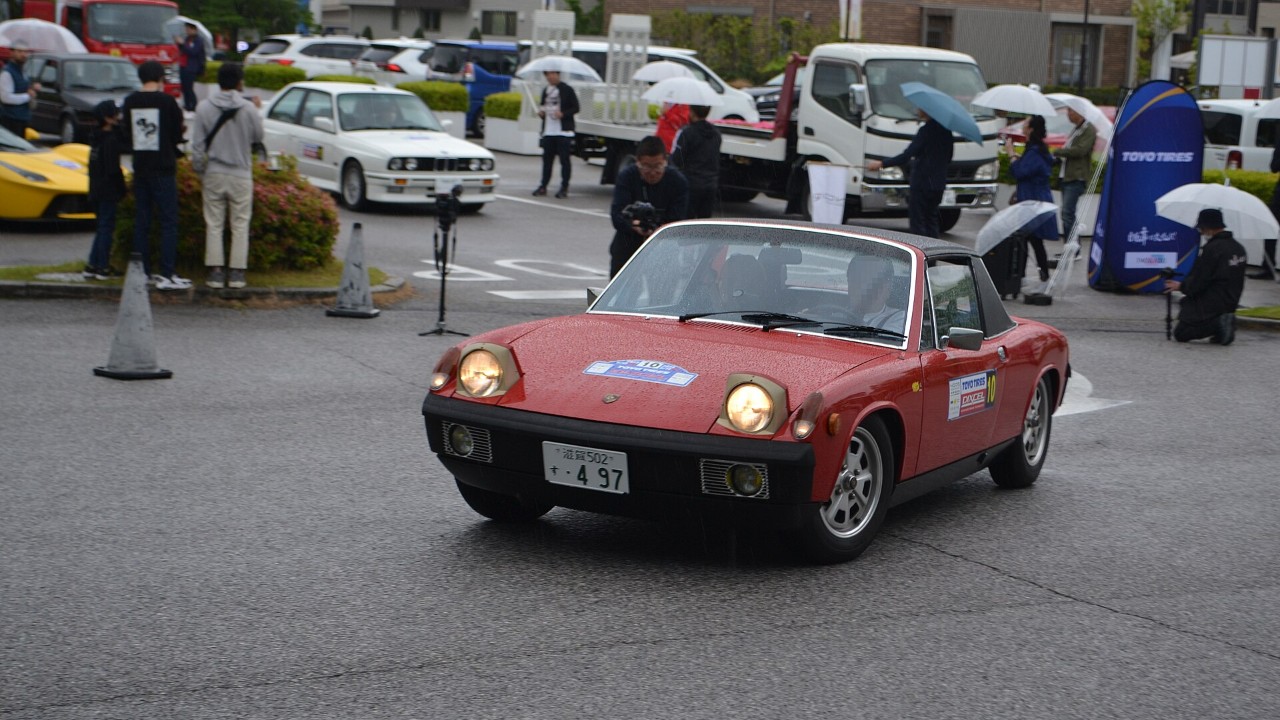
Volkswagen and Porsche designed, built and sold the 914 together from 1969 to 1976. It was a mid-engine, targa-topped two-seater, and Motor Trend named it Import Car of the Year for 1970. The six-cylinder 914/6 had a short life, and Porsche dropped it after 1972.
In 1973, a fuel-injected 2.0-liter version of Volkswagen’s Type 4 flat-four took over as the top engine, rated at 100 bhp. That gave the four-cylinder car a useful bump in power without the six’s cost. In total, Porsche and VW built 118,978 cars of all types.
Our take: the 914 2.0 is the version we’d pick to enjoy the chassis on a budget. The mid-engine balance is the real attraction, and the bigger four makes the car feel less strained on the highway. The looks still split opinion, but the handling rarely does. Before buying, we’d have a 914 specialist check the structure, because a tidy engine can hide a tired body.
12. 1988 Pontiac Fiero Formula
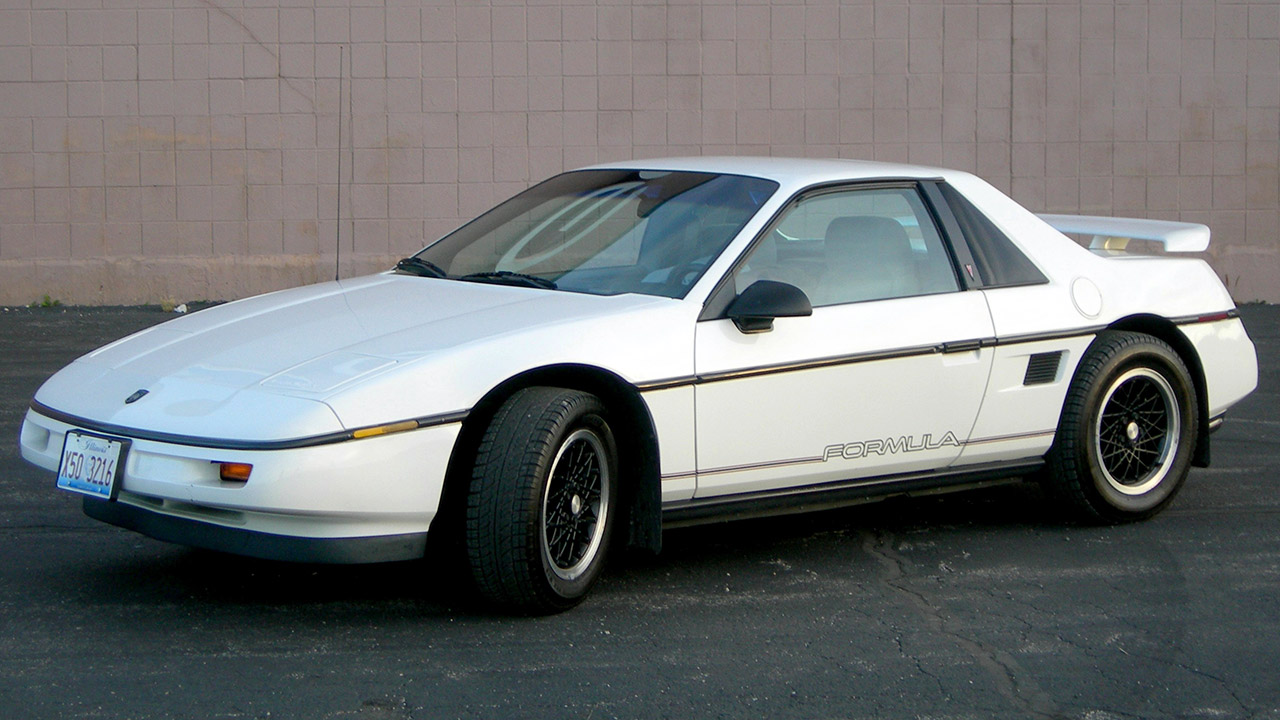
The Fiero was the first mass-produced, rear mid-engine car from any American maker. Its composite body panels carried no structural load at all. Instead, they hung on a spaceframe that did the real work.
For 1988, Pontiac finally gave the Fiero the suspension its engineers had planned from the start. The changes included a new tri-link rear setup and vented disc brakes at all four corners. The new Formula option paired the standard coupe body with GT hardware, including the WS6 suspension, a rear spoiler and a 120-mph speedometer. Our earlier story explains why the 1988 Fiero deserved a second chance.
In our view, the 1988 Formula is the Fiero that finally matched the promise. It looks clean, handles well and costs far less than most cars here. Sadly, it arrived as the car was ending. Pontiac built 26,402 Fieros for 1988, and the last of 370,168 rolled out of the Pontiac, Michigan, plant on August 16, 1988.
More from Fast Lane Only